Newsletters


A new study of pet cats in Türkiye has found that the way cats use their voices with their owners may change depending on whether the owner is a man or a woman. The research, based on home video recordings from 31 households, suggests that cats meow noticeably more often to male owners than to female ones during everyday greeting moments at the door.
The study was led by Kaan Kerman, an assistant professor in the Department of Psychology at Bilkent University, in collaboration with Ankara University. Instead of relying on laboratory observations, the team asked volunteers to record their cats at home in a natural setting.
Participants fixed a small camera to their bodies before entering their homes and were asked to behave as they normally would while greeting their cats. Each owner recorded the first five minutes after they walked in and then sent the videos to the researchers in a suitable digital format between 2022 and 2024.
To make the analysis consistent, the researchers focused on the first 100 seconds of each video. Within this short but intense greeting window, they looked at 22 different types of behavior that are thought to be linked with how a cat welcomes its owner.
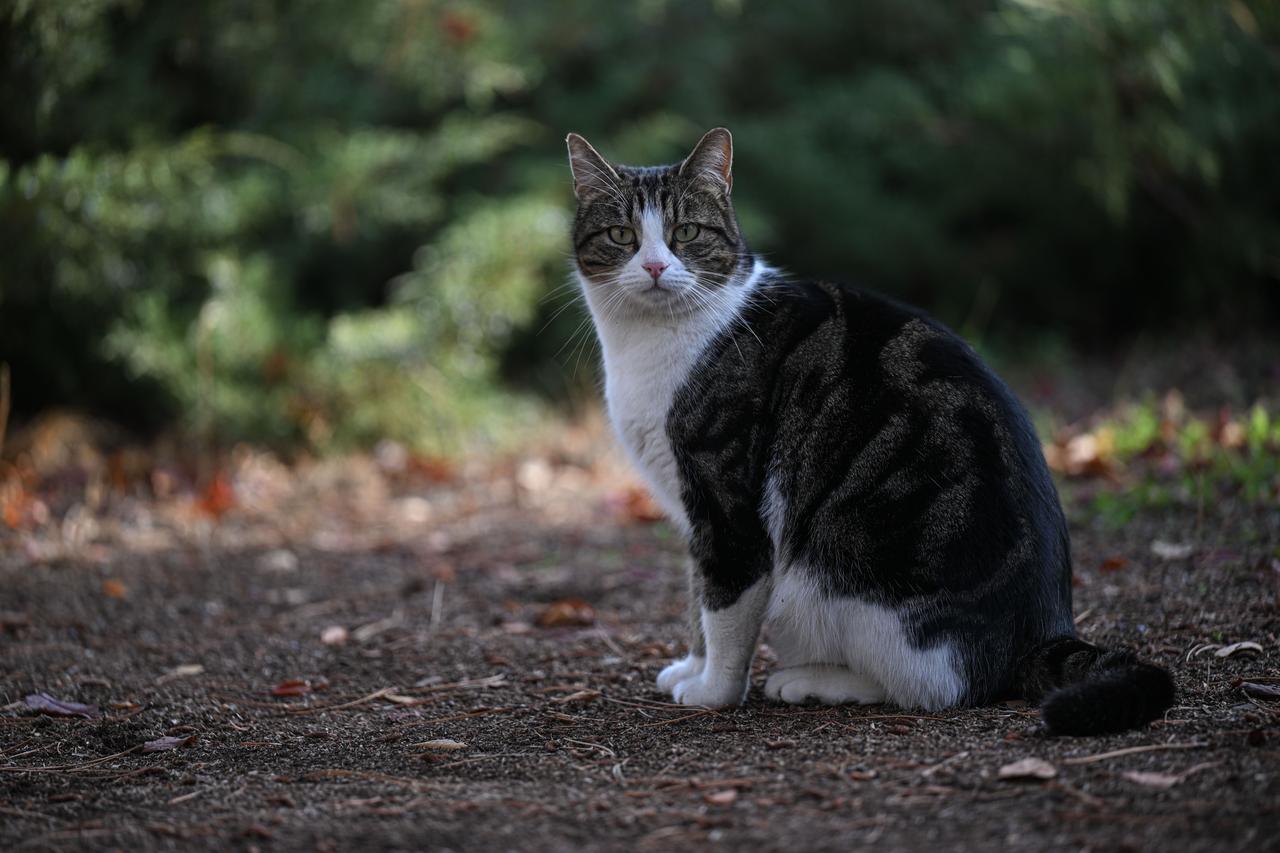

When the team counted how often cats used their voices, they saw a clear difference depending on the owner’s gender. According to Kerman, the sounds produced by the cats changed with the sex of the person they were greeting, and the animals vocalized more frequently towards men than towards women.
In those first 100 seconds, the cats called out to male owners an average of 4.3 times, while they called out to female owners an average of 1.8 times. The researchers underline that the difference concerns how often cats meow, not how loud those sounds are.
Kerman also noted that this vocal behavior is tied specifically to greeting at the door. When they looked at situations in which the cats moved towards their food bowls, the team did not find a clear link between the frequency of meowing and this greeting pattern, which suggests that the observed difference is focused on how cats welcome their owners home.
After the analysis, Kerman suggested one possible explanation for why cats may call out more often to male owners. He indicated that, compared with female cat owners, male cat owners might have a little more difficulty noticing their cats’ needs during these greeting moments.
He stressed that this does not mean that men generally do not listen, nor that they communicate poorly with cats in the same way they might with women. Instead, he summed up the team’s working idea by saying that male owners may simply “need a bit of a nudge.”
At the same time, he underlined that the findings cannot yet be taken as a universal rule about men, women and cats around the world. He pointed out that the pattern might be shaped by cultural factors and that it is not yet possible to say whether the same result would appear in other countries or in different social settings.
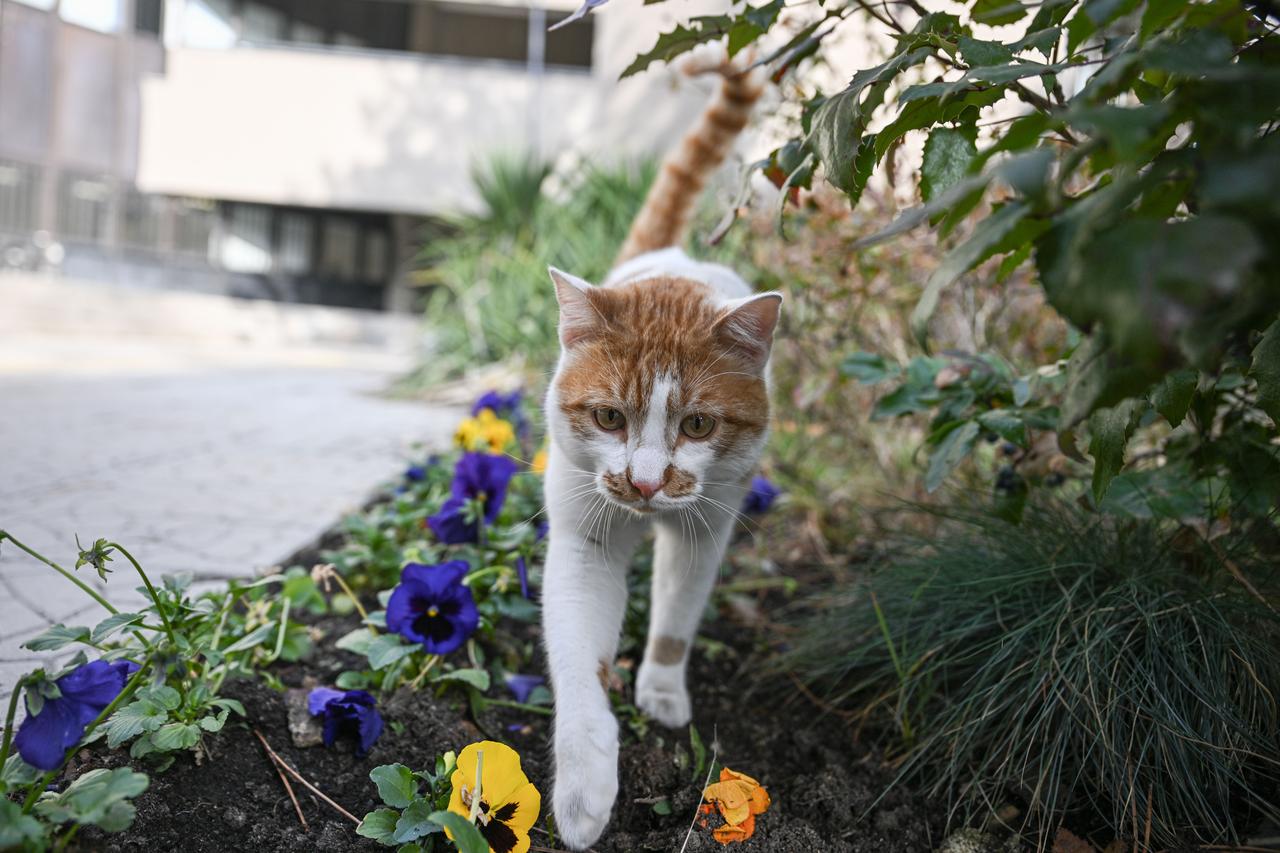
The researchers also gathered background information that could influence how cats behave.
They recorded the sex of both the cats and the owners, the number of cats in the household, whether the animal was bought or adopted from the street, and whether the cat belonged to a particular breed.
These demographic details were then examined together with the recorded behaviors in order to see how different household situations might shape greeting patterns.
Although the work focuses on a relatively small group of 31 cats, it offers a detailed look at how everyday human–cat interactions may shift depending on who opens the front door and how often the animal chooses to speak up in those first moments of contact.


 Set as preferred source
 Set as preferred source




 6 min read