Newsletters


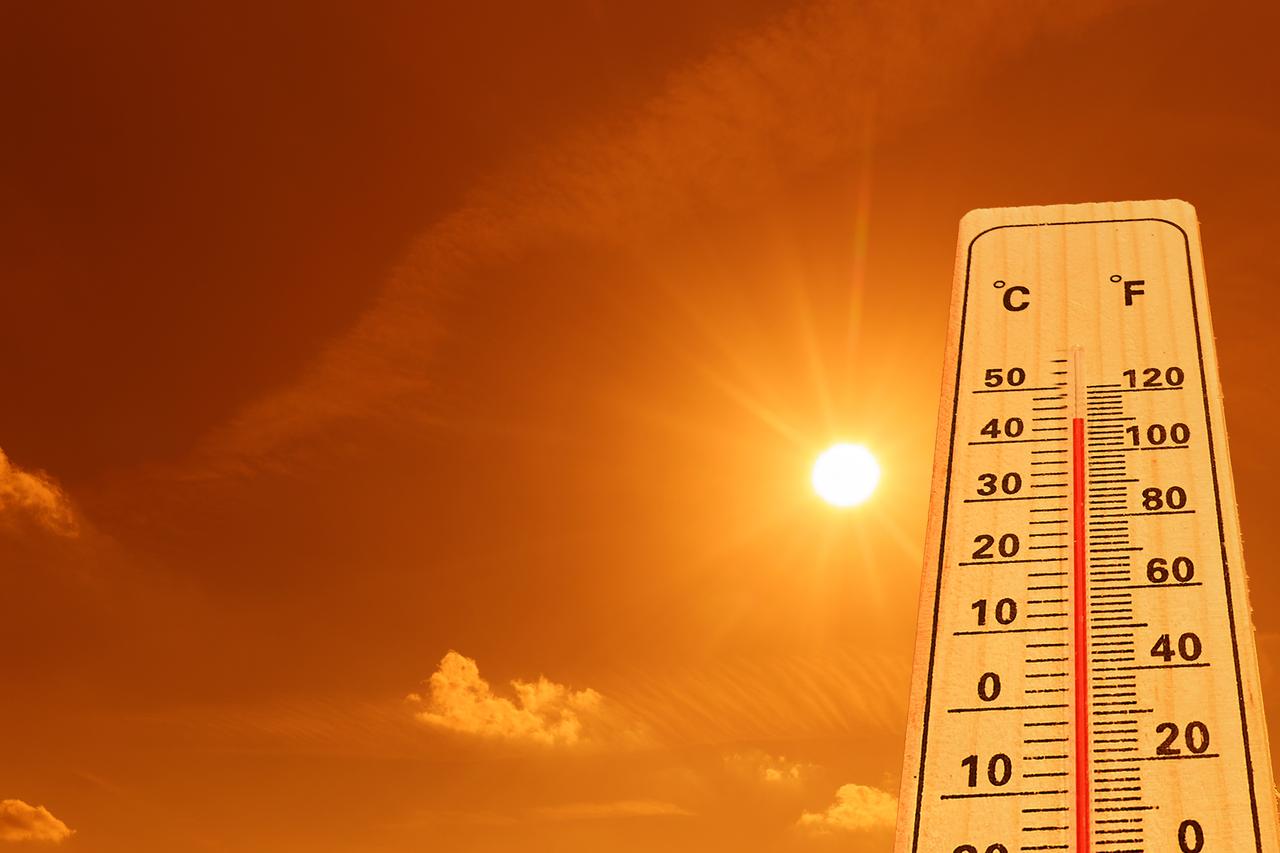


A study conducted by the Natural History Museum in London has found that climate change could significantly alter the risk of zoonotic diseases, illnesses transmitted from animals to humans, as the Earth approaches a 1.5°C rise in global temperatures.
Researchers reviewed hundreds of scientific studies and compiled climate–disease data for 53 zoonotic diseases. They found that of the roughly 816 known zoonotic diseases worldwide, only about 6% have been examined in relation to climate change.
The study highlights particular concern over diseases spread by vectors such as mosquitoes, ticks, and fleas. These organisms are highly sensitive to temperature, rainfall, and humidity. Rising global temperatures and changing weather patterns could expand their habitats, increasing the risk of transmission, especially for mosquito-borne infections.
Researchers also warned that climate-driven changes to animal habitats could bring wildlife and human populations into closer contact, raising the likelihood of zoonotic spillover. Higher temperatures may accelerate mosquito development and increase rodent populations in some regions, potentially doubling the risk of certain infections.
David Redding, one of the study’s authors, pointed to plague as an example of how temperature influences disease dynamics. He noted that warmer conditions can increase rodent populations and speed up flea development, raising the probability of disease transmission.


 Set as preferred source
 Set as preferred source


 2 min read


 1 min read