Newsletters


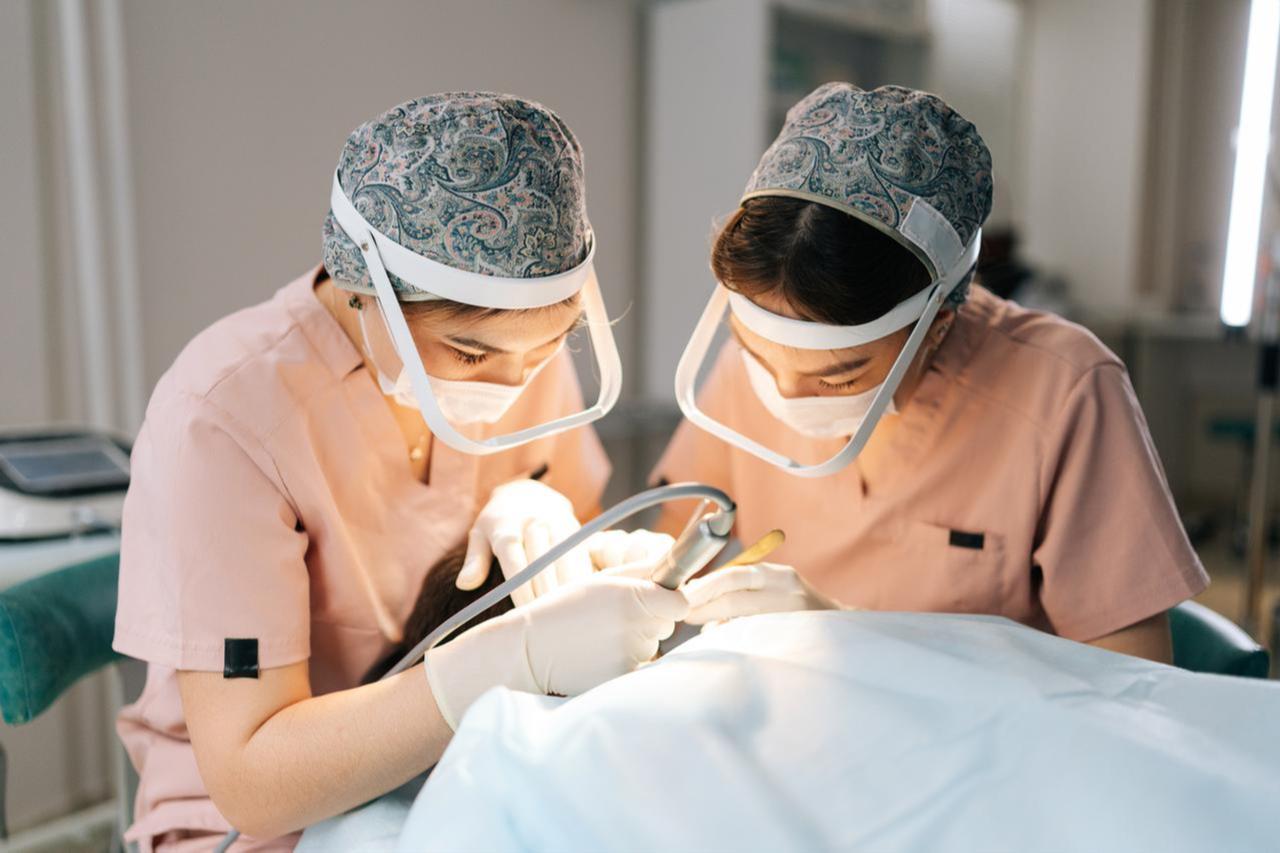


Türkiye’s reputation for hair transplants and aesthetic procedures may also be reshaping the country’s medical career ladder.
Career preferences among young doctors in Türkiye are shifting away from demanding medical fields such as general surgery and pediatrics toward specialties like dermatology, plastic surgery, and radiology, according to recent results from the country’s medical specialization exam.
The Medical Specialization Examination (TUS) determines the career paths of thousands of newly graduated doctors every year. While the exam primarily shapes individual careers, it also influences the future structure of Türkiye’s health system.
Recent placement results reveal a clear pattern. Candidates with the highest scores increasingly choose specialties that offer more predictable working conditions, while some high-pressure medical fields struggle to fill available training positions.


According to TUS placement data, top-scoring candidates most frequently select specialties such as dermatology, plastic surgery, ophthalmology, and radiology.
These fields have gained popularity in recent years because they often provide more predictable schedules and fewer overnight shifts.
Health policy experts frequently describe them as “controllable lifestyle specialties,” as reported by Patronlar Dunyasi.
The term refers to medical fields where physicians typically face fewer night duties, more stable working hours, and lower patient intensity than high-demand hospital departments.
Some young doctors also choose laboratory-based medical sciences or family medicine. These career paths often involve fewer emergency responsibilities and a more predictable daily routine.

The trend looks very different in several demanding branches of medicine.
Specialties such as pediatrics, general surgery, and emergency medicine have sometimes left a significant portion of their training positions unfilled. Recent TUS placement statistics show that some surgical and intensive specialties do not fill all available quotas.
Experts link this shift largely to working conditions. Long night shifts, heavy workloads, and high legal responsibility push some young physicians toward specialties with more predictable lifestyles.
The change has also begun to affect healthcare services in some areas.
Dermatology ranks among the most popular specialties for new doctors. Yet patients in several cities report difficulty securing dermatology appointments at public hospitals. Experts say that after completing mandatory state service, some dermatologists choose to move into private practice. This trend can reduce specialist availability in public hospitals.
In some surgical fields, specialists also prefer lower-risk procedures. For example, some cardiovascular surgeons reportedly focus on outpatient treatments such as varicose vein procedures rather than performing high-risk operations.

The shift in career preferences raises broader questions for healthcare policy.
Türkiye has expanded the number of medical schools significantly in recent years. Many cities now host medical faculties, which has increased the number of graduating doctors. At the same time, the expansion has also triggered debate about the quality of medical education.
Health policy experts warn that the growing preference for lower-risk specialties raises an important question for the future of the system.
Who will choose the most demanding branches of medicine?
Some experts argue that new incentive models may be necessary. In countries such as the United States, doctors working in high-risk specialties, including general surgery, anesthesiology, cardiovascular surgery, pediatrics, and neurosurgery, often receive higher salaries.
Supporters say similar incentives could encourage more young doctors in Türkiye to pursue demanding specialties and help maintain balance across the healthcare system.


 Set as preferred source
 Set as preferred source



 3 min read