Newsletters


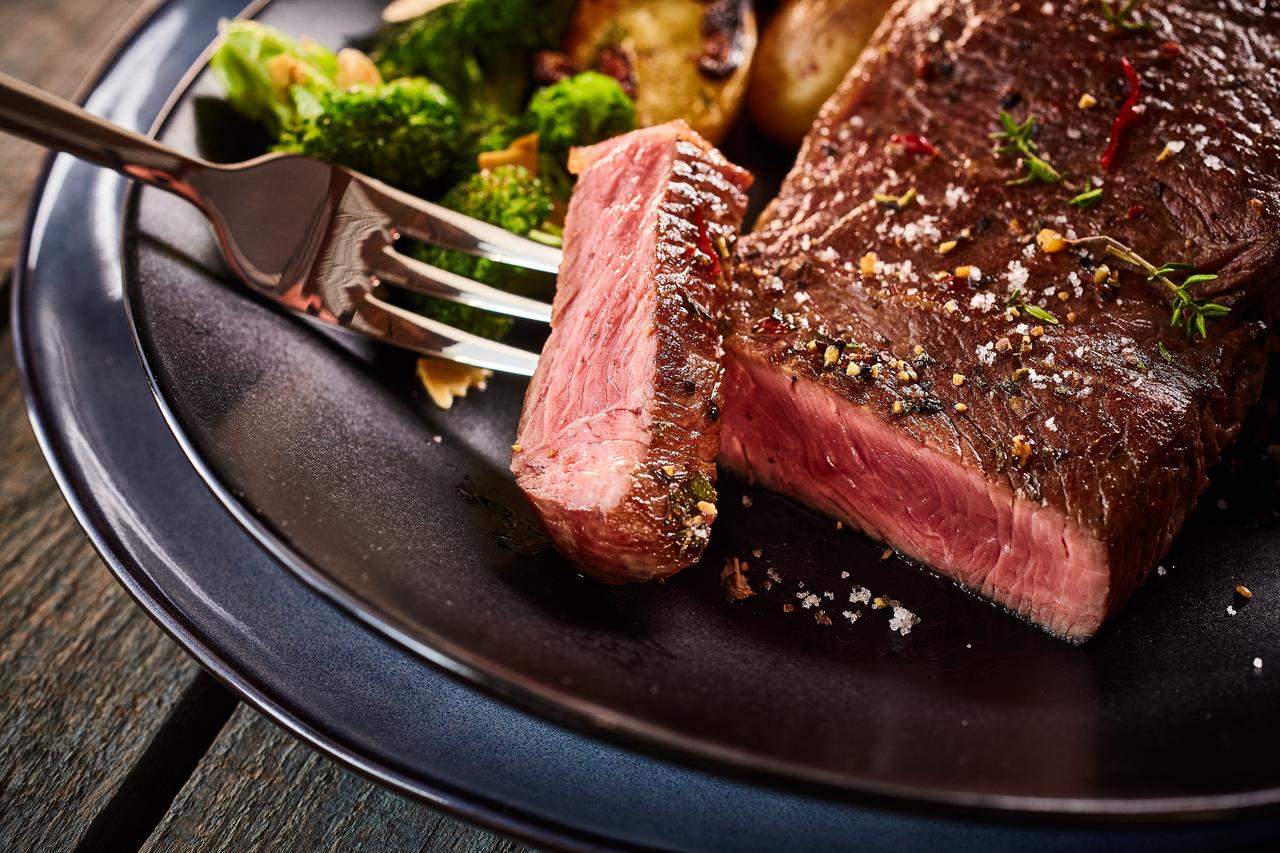


A new study from Stockholm University has found that people carrying the APOE4 gene variant, widely known as the “Alzheimer’s gene,” may reduce their risk of developing dementia by nearly 45% through regular meat consumption.
This finding introduces a new dietary perspective on a well-established genetic risk factor in Alzheimer’s research and may support more personalized nutritional guidance.
Researchers tracked approximately 2,000 Swedish adults aged 60 and older over 15 years. All participants were cognitively healthy at the start of the study, and 25% carried the APOE4 gene variant.
Alzheimer’s disease is the most common form of dementia, with over 90% of cases linked to the APOE4 gene. This makes the cohort especially relevant to understanding whether diet can influence genetic risk.
APOE4 carriers who consumed meat regularly had nearly half the risk of developing dementia compared to those who ate little or no meat. Higher meat intake was also linked to better cognitive performance over time.
This association was consistent across different types of unprocessed meat. Researchers found no significant difference in cognitive outcomes between unprocessed red meat and poultry, suggesting the benefit relates to overall meat consumption rather than a specific type.
The study distinguished between unprocessed and processed meat products, noting that not all types of meat had the same effect.
Processed meat, including products such as sausages, deli cuts, and cured meats, was associated with an increased risk of dementia regardless of APOE4 carrier status. This association was observed across the entire study population, not solely among those with genetic risk.
These results indicate that the protective effect is specific to unprocessed meat, while processed meat products may increase dementia risk for all individuals.
The results, published in “JAMA Network Open,” suggest that standard dietary recommendations, which typically reduce emphasis on meat, may not be suitable for individuals with certain genetic profiles.
Researchers at Karolinska Institutet, which was also involved in the study, noted that APOE4 is the oldest variant of the gene and may have developed when human ancestors relied on animal-based diets.
They hypothesize that carriers of this variant may be better metabolically adapted to diets rich in meat.
“There is a lack of dietary research into brain health, and our findings suggest that conventional dietary advice may be unfavorable to a genetically defined subgroup of the population,” said Jakob Norgren, the study’s first author.
“For those who are aware that they belong to this genetic risk group, the findings offer hope; the risk may be modifiable through lifestyle changes.”
The study is observational and identifies associations rather than direct cause-and-effect relationships.
Researchers recommend clinical trials to determine whether targeted dietary changes can reliably reduce dementia risk in APOE4 carriers and to support genotype-specific nutritional guidelines.


 Set as preferred source
 Set as preferred source



 2 min read