Newsletters



Cunda Island, also known as Alibey Island, lies just off the coast of Ayvalik in western Türkiye. Known for its stone houses and narrow streets, it has preserved much of its historical character. Visitors often notice the details first, long before looking for the bigger picture.
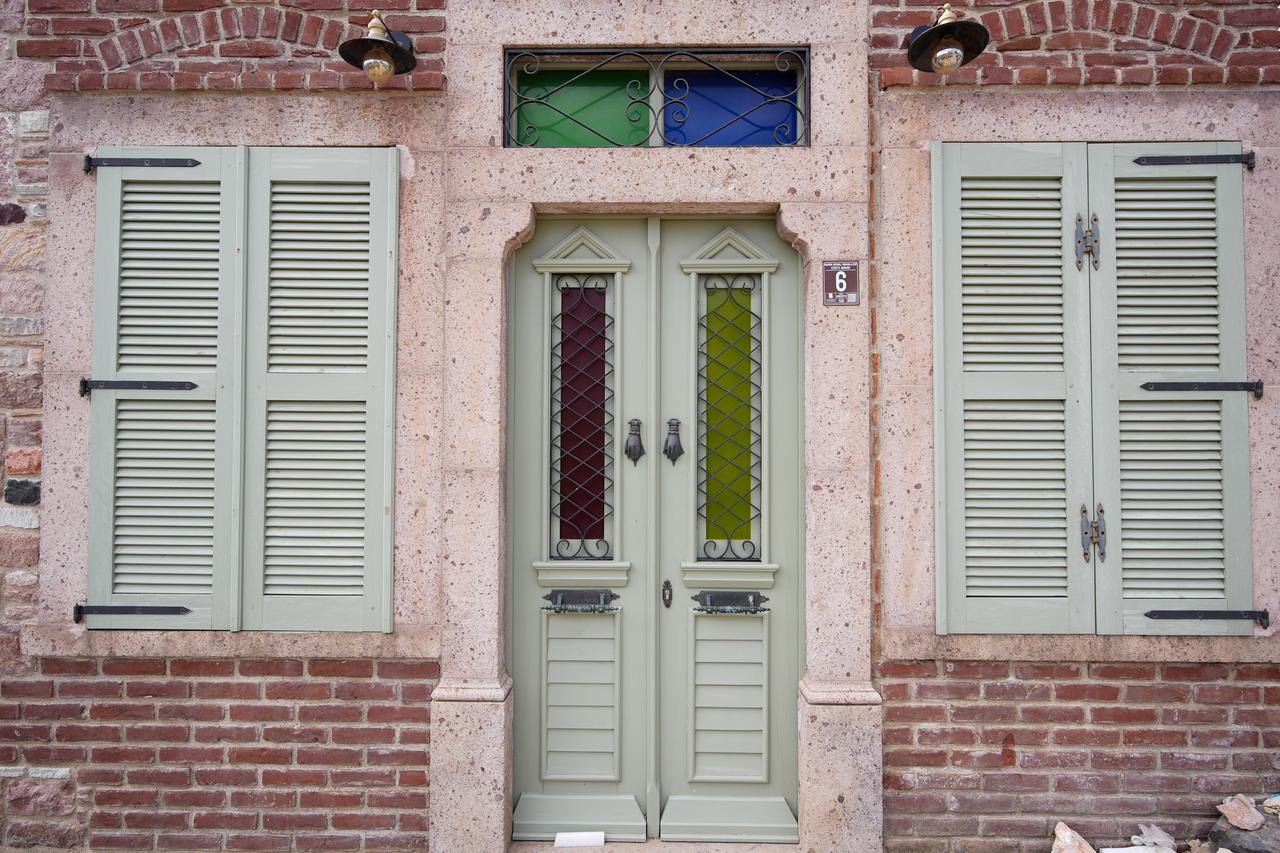
Located just off the coast of Ayvalik in Balikesir, the island is connected to the mainland by a narrow causeway. Despite this physical link, it retains the spatial logic of an island, shaped by the sea and defined by separation. The surrounding archipelago reinforces this sense of enclosure.
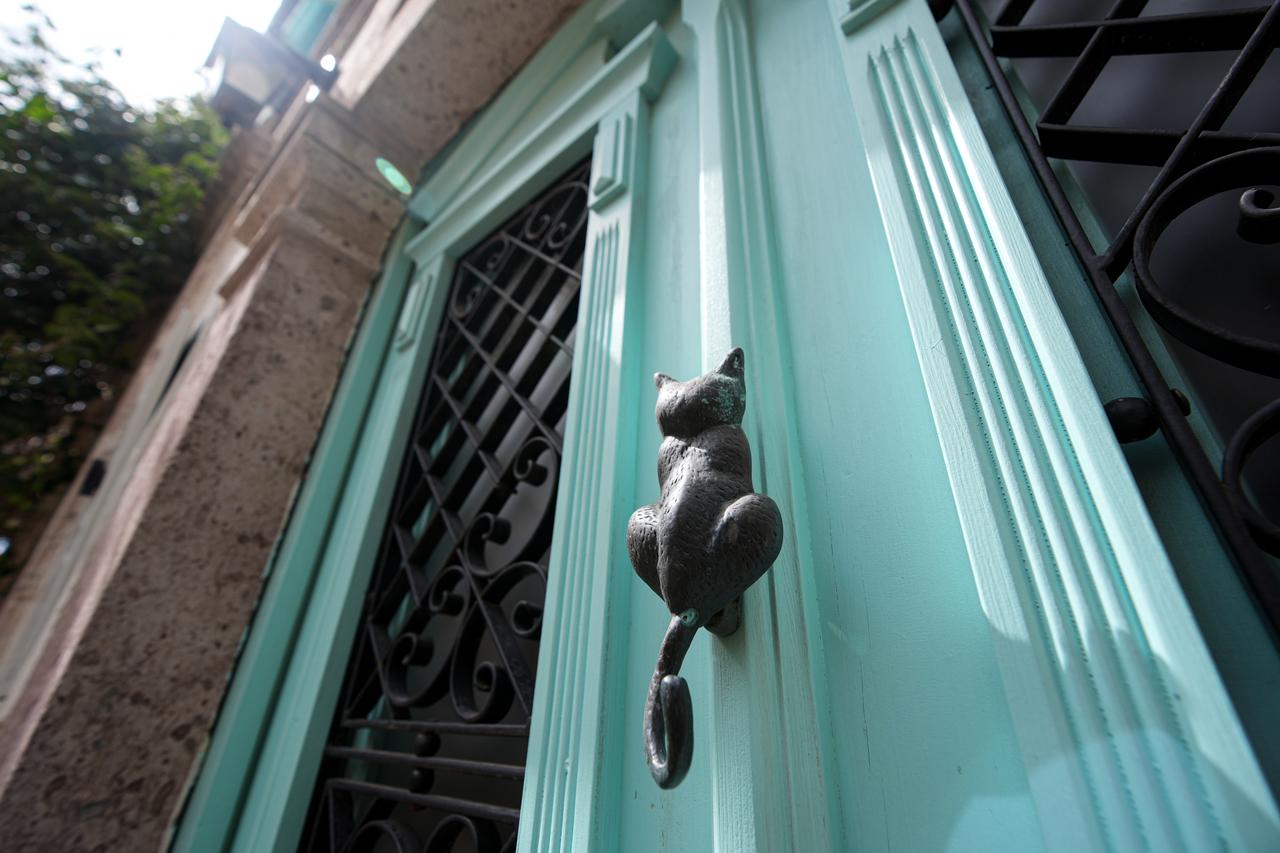
Cunda’s streets reflect a built environment that has remained largely intact since the late Ottoman period. Stone houses, narrow lanes, and coastal views form a cohesive urban fabric.
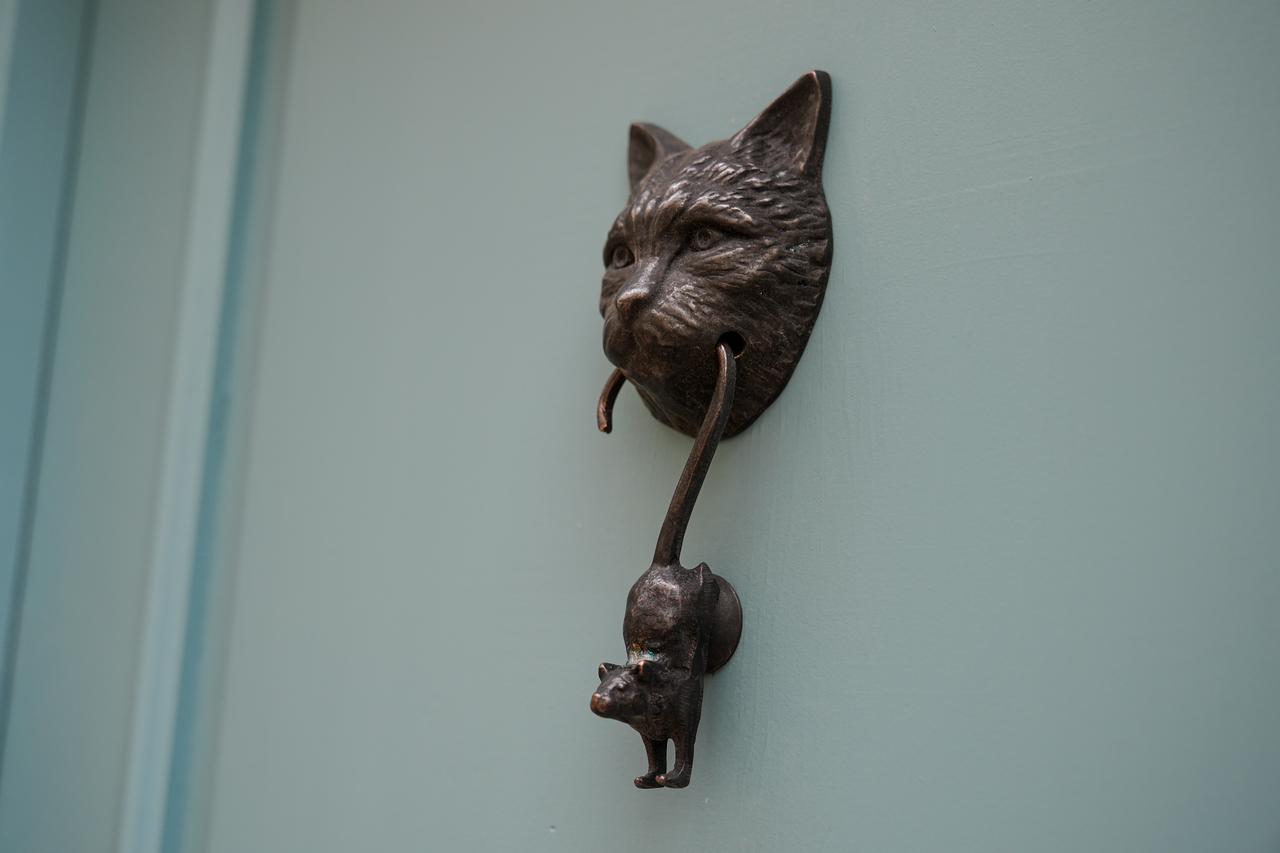
The island’s past stretches back to ancient settlements, with evidence from the Bronze Age through to Roman and Byzantine control. Its position made it strategically relevant, but also exposed it to shifting powers. Over time, these layers settled into the physical structure of the town.
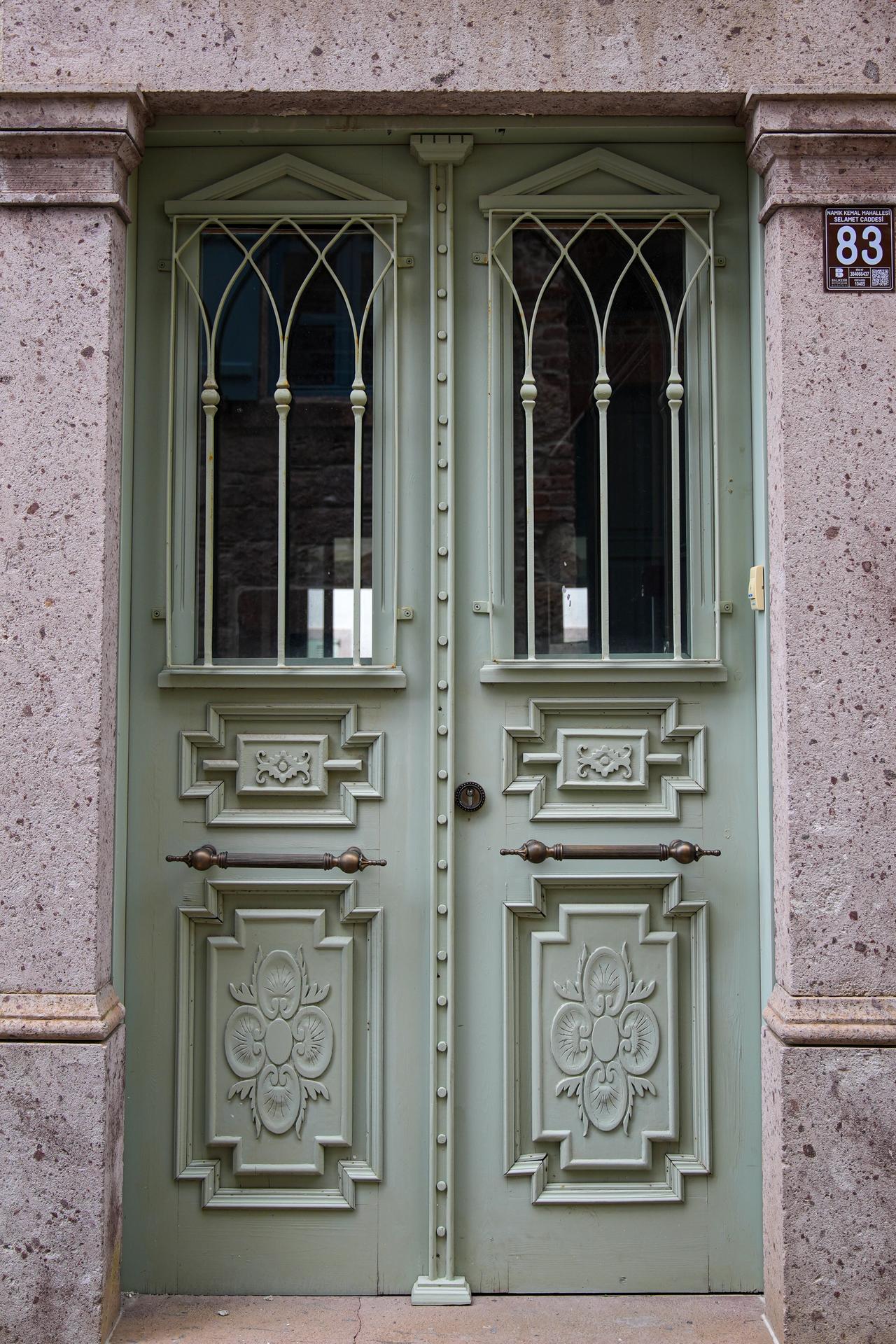
Under Ottoman rule, Cunda developed as both a naval and commercial point, particularly in relation to Aegean trade routes. It was also a place of coexistence, where Greek Orthodox and Muslim communities lived side by side. That coexistence left visible marks on architecture and craftsmanship.

This balance ended with the population exchange between Greece and Türkiye in 1923. The island’s Greek population left, and Muslim families from different regions settled in their place. What remained was a built environment shaped by absence as much as continuity.
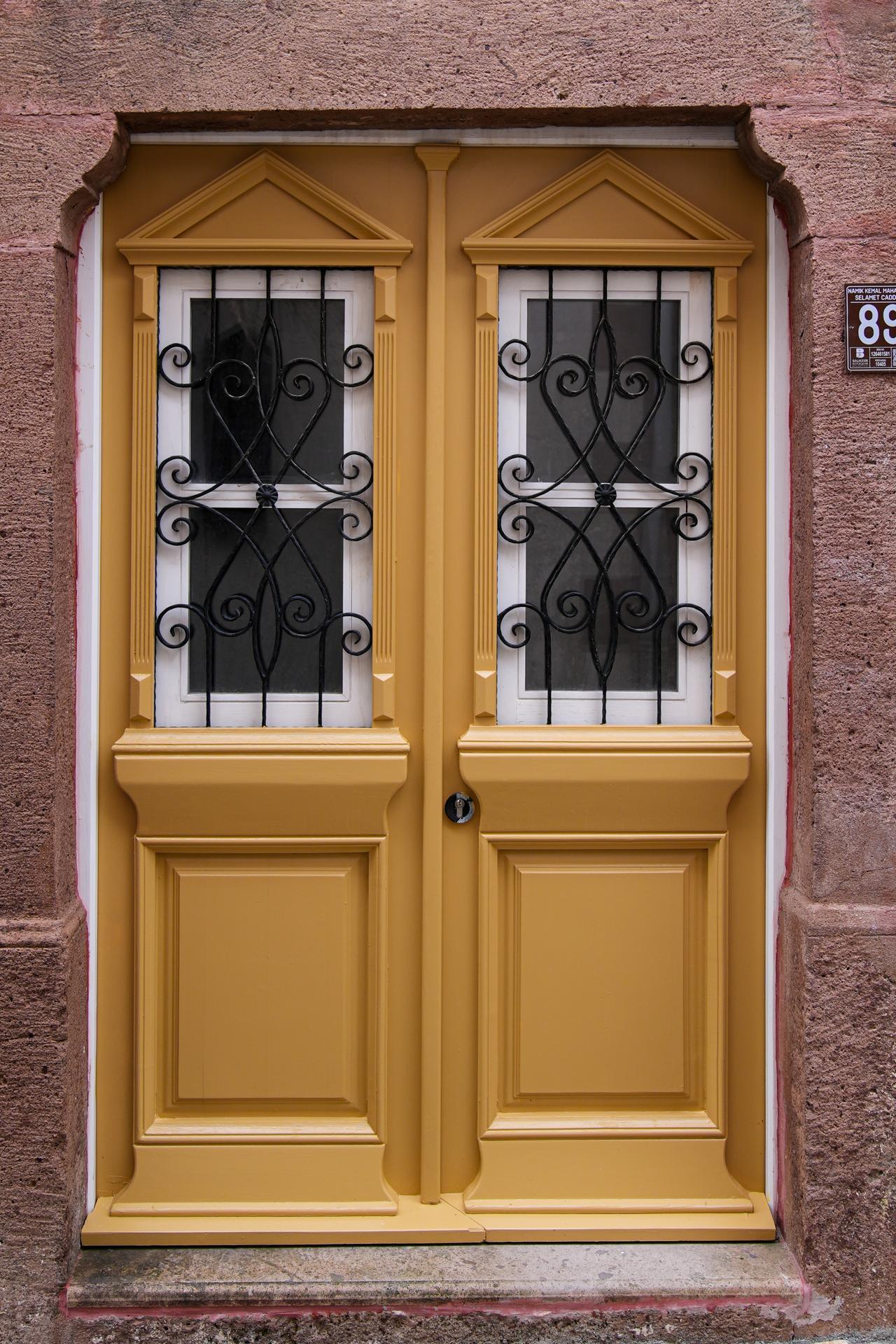
Today, that history is embedded in everyday structures rather than formal institutions. Churches, monasteries, and homes remain part of the urban fabric, often repurposed but not erased. The result is a landscape where history is encountered through use, not display.
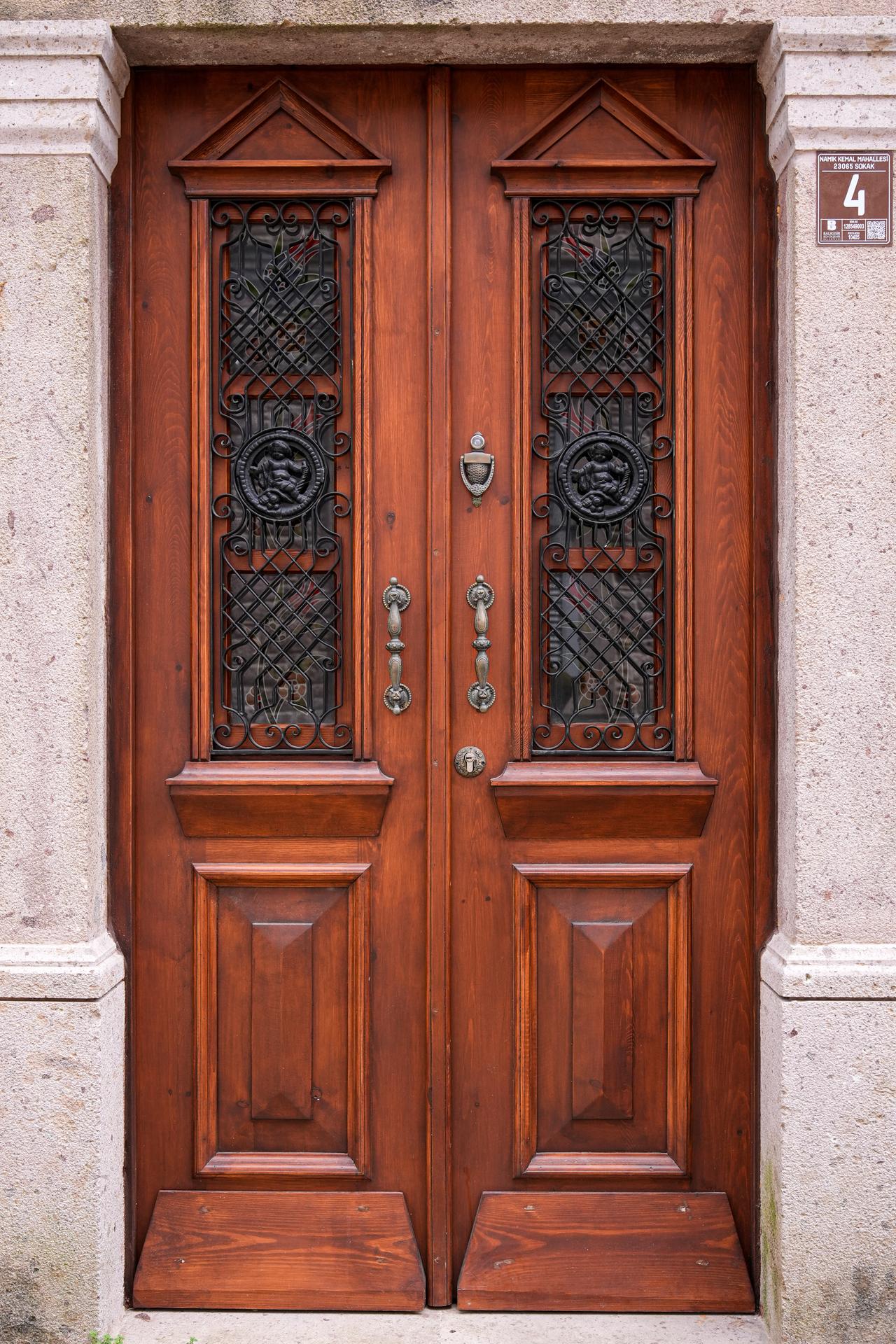
Cunda’s environment reinforces this continuity, with olive groves, coastal winds, and seasonal rhythms shaping life on the island. The Aegean climate defines both agriculture and daily routines. Even at peak tourism, these underlying patterns remain visible.

The island’s food culture reflects this connection to place, built on seafood, olive oil, and locally sourced ingredients. Restaurants follow seasonal availability rather than fixed menus.
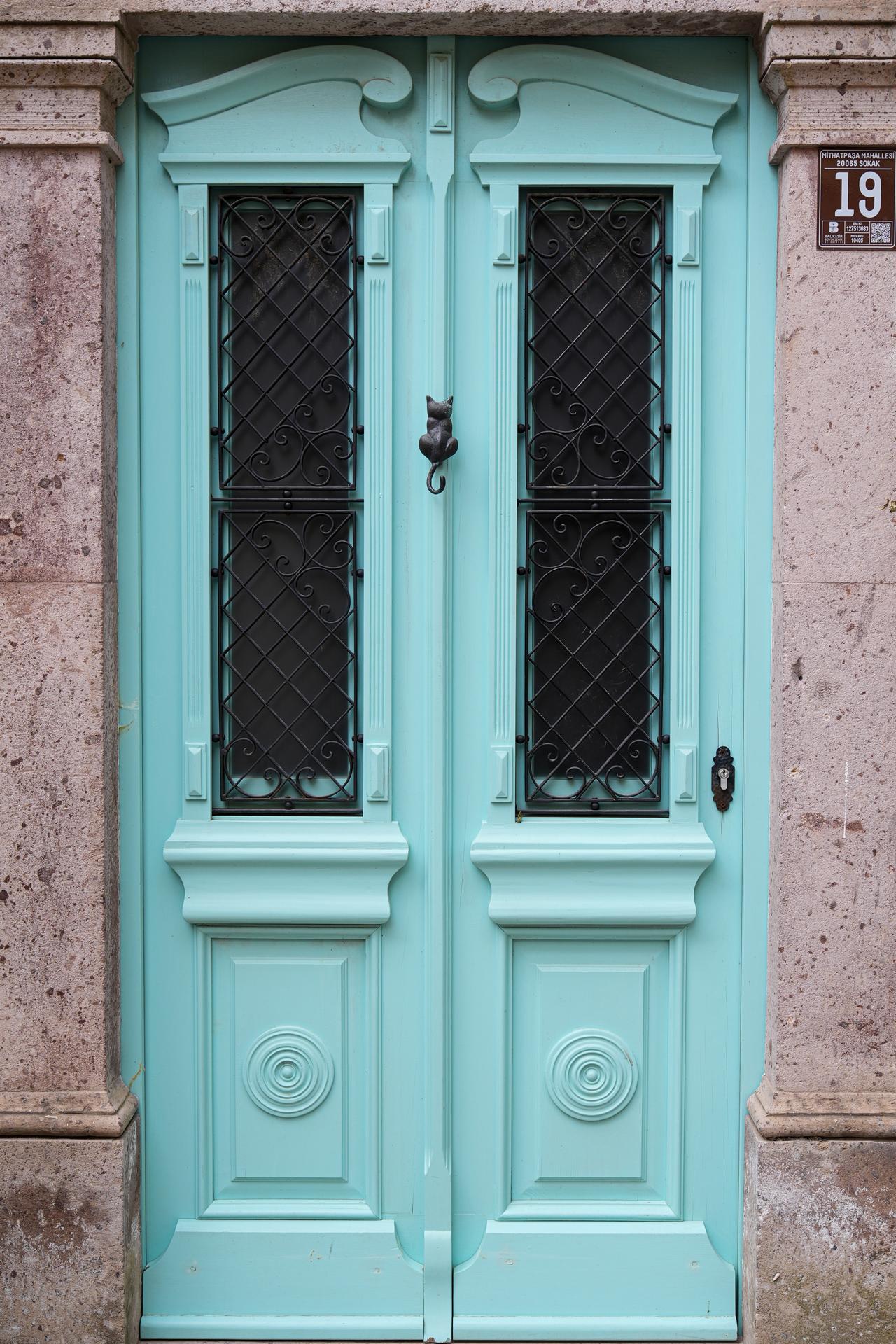
For visitors arriving from Istanbul or other major cities, Cunda offers a different framework for understanding Türkiye. It compresses multiple histories into a small, walkable space without simplifying them. Ultimately, this is not a curated destination but a place where past and present still exist side by side.
 1 min read


 Set as preferred source