Newsletters


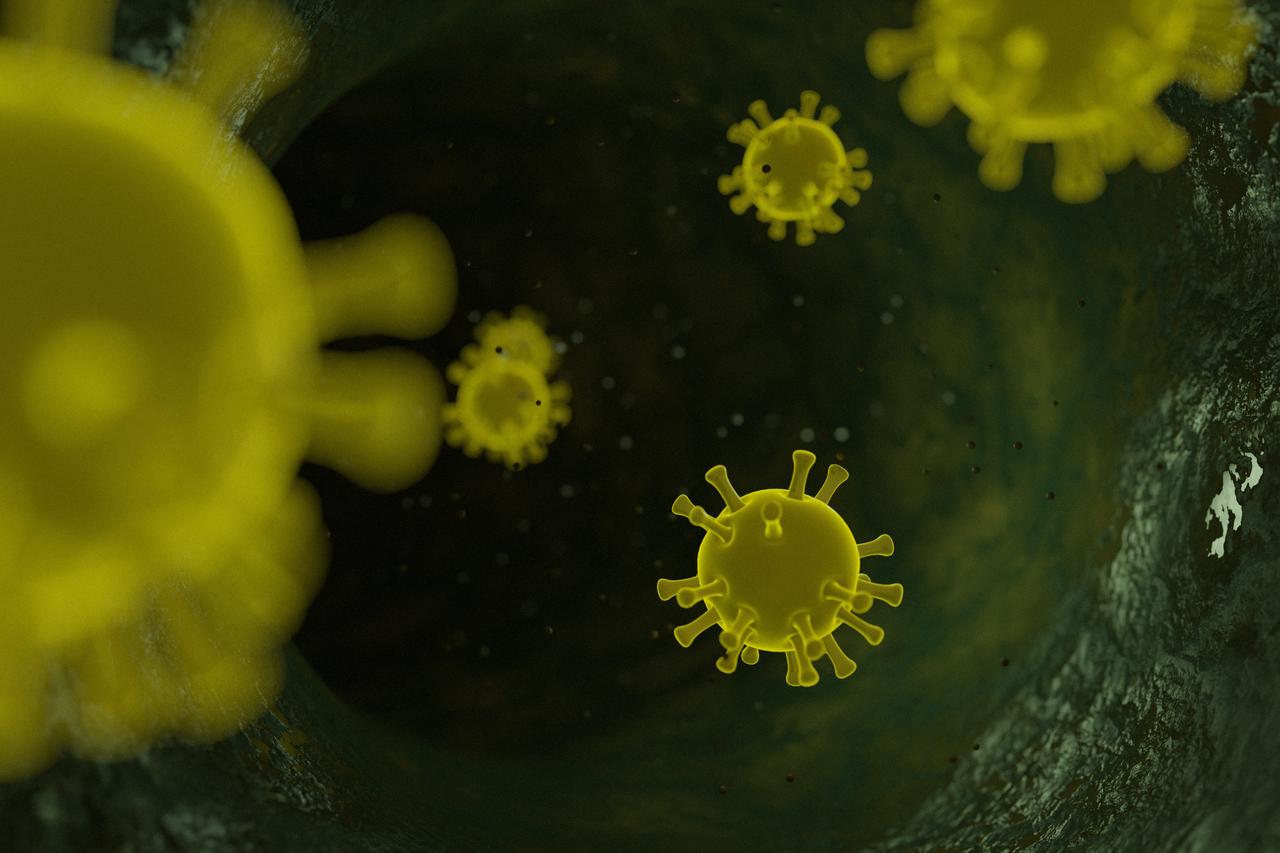


Health authorities have raised alarms over the Nipah virus after new cases emerged in India.
The virus spreads from fruit bats and has appeared in repeated outbreaks in South and Southeast Asia since 1999.
The World Health Organization now classifies Nipah among pathogens with epidemic potential and has called for urgent research.
Experts say the virus does not spread as fast as COVID-19. Still, its high fatality risk and lack of a specific treatment keep global health agencies on alert.
India’s large population adds another layer of concern, according to medical specialists interviewed by Turkish media.
Prof. Dr. Bulent Ertugrul, an infectious diseases specialist, said the virus does not spread easily through casual contact.
“According to the World Health Organization, transmission occurs through close contact, usually among people caring for sick patients. The transmission speed is not as high as COVID-19,” he said.
He added that the virus spreads through body fluids and begins with flu like symptoms. If it reaches the lungs, it can cause pneumonia.
If it reaches the brain, it can cause encephalitis, which may trigger seizures and changes in consciousness. “If the virus becomes more easily transmissible, then it would pose a major risk,” he said.
Medical experts trace the virus to fruit bats. Doc. Dr. Husrev Diktas said contaminated food remains a key transmission route.
“Nipah originates from fruit bats. The virus spreads through food contaminated with bat saliva, urine, or feces,” he said.
In early outbreaks, the virus moved from bats to pigs and then to humans. In later outbreaks in Bangladesh and India, infection followed consumption of fruit or raw date palm sap contaminated by bats.
He warned travelers visiting South and Southeast Asia to stay cautious. “People should avoid open sold foods, fruit juices, and food with uncertain hygiene. They should also avoid contact in areas where fruit bats live,” he said.
He added that Türkiye does not lie within the natural habitat of these bats, but international travel still creates indirect exposure risks.
Human-to-human transmission has also occurred. The World Health Organization reports infections among family members and caregivers who had close contact with patients.
Doctors say early diagnosis remains difficult because symptoms are not specific.
Dr. Suveyda Gozukucuk said outbreaks occur almost every year in parts of Asia, especially in Bangladesh and India.
“Early diagnosis increases survival chances and helps control outbreaks,” she said. Laboratory tests can detect the virus through RT PCR in throat and nasal swabs, blood, urine, and cerebrospinal fluid.
The World Health Organization lists typical early symptoms as fever, headache, muscle pain, vomiting, and sore throat. Later stages may include dizziness, drowsiness, confusion, and neurological signs linked to acute encephalitis.
Some patients develop severe respiratory problems, including atypical pneumonia and acute respiratory failure. In serious cases, seizures and coma may follow within 24 to 48 hours.
The incubation period usually ranges from 4 to 14 days. Reports also document incubation periods extending up to 45 days.
Experts stress that Nipah does not currently spread at pandemic speed.
They underline that close contact remains the main driver of transmission.
However,, the absence of a specific treatment and the severity of complications keep the virus on the global watch list.
Health authorities continue to monitor developments in India and neighboring countries. International agencies maintain surveillance due to the virus's presence in repeated regional outbreaks.
For now, specialists advise travelers to follow food hygiene precautions in affected regions and avoid direct contact with bats or sick individuals. Global health bodies continue research efforts as part of epidemic preparedness planning.


 Set as preferred source
 Set as preferred source



 1 min read