Newsletters


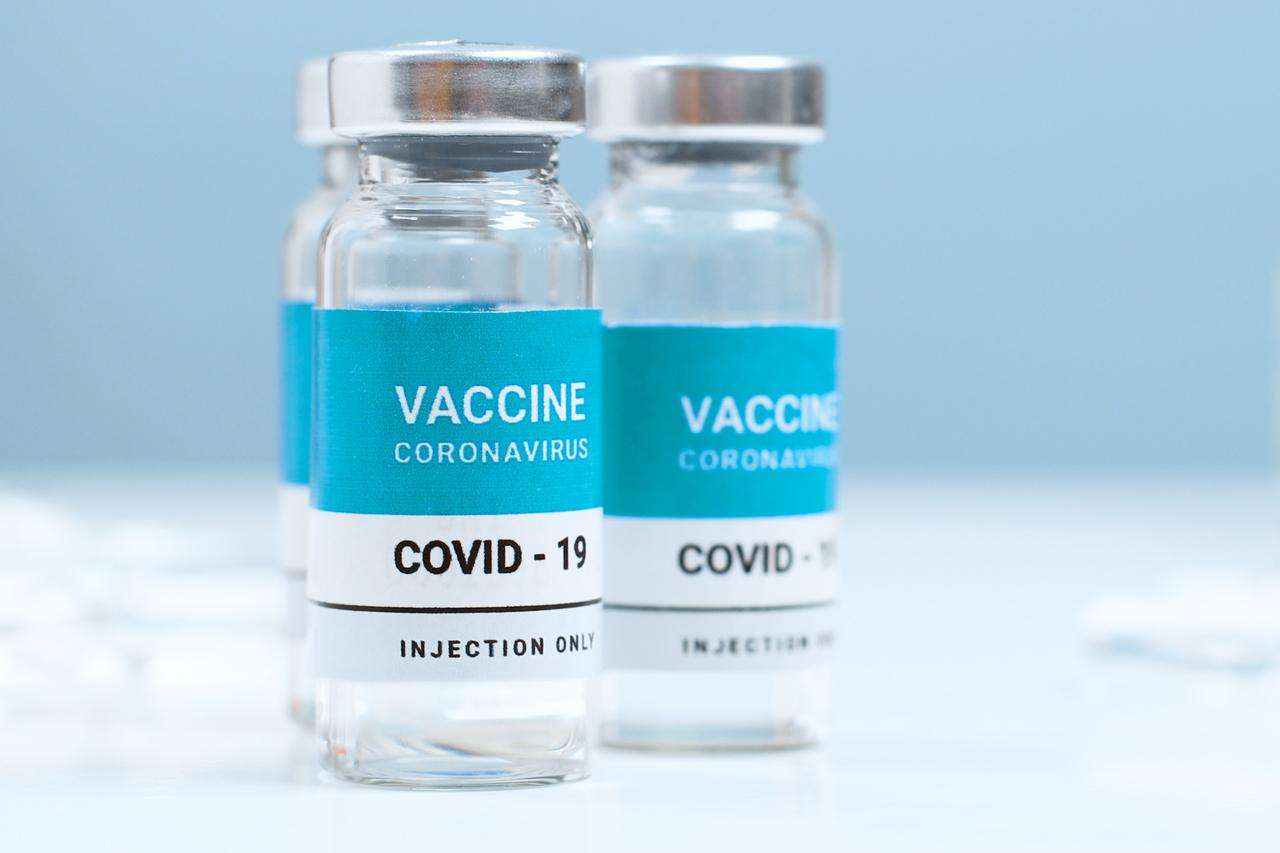


A large-scale French study published in JAMA Network Open has found that adults aged 18 to 59 who received at least one dose of an mRNA COVID-19 vaccine experienced significantly lower mortality over four years compared with those who remained unvaccinated.
The research analyzed health data from over 28 million people, making it one of the most comprehensive assessments to date of the long-term impacts of COVID-19 vaccination in younger and middle-aged populations.
According to the study, individuals who received their first mRNA vaccine dose between May 1 and October 31, 2021, had an all-cause mortality rate of 0.4% during a 45-month follow-up period.
In contrast, the mortality rate among unvaccinated individuals in the same age group was 0.6%. After adjusting for demographic and clinical differences, investigators reported a 25% lower risk of all-cause death among vaccinated participants.
Researchers noted that this finding was particularly noteworthy because vaccinated individuals tended to be older and had higher rates of chronic conditions such as cardiovascular disease, cancer, and respiratory illnesses—factors that would typically increase mortality risk.


The study also reported substantial differences in COVID-19–related outcomes. Vaccinated adults had a 74% lower risk of dying in hospital from COVID-19 compared with those who were not vaccinated.
The protective effect was most pronounced in the first six to nine months following vaccination, a trend the authors attributed to declining COVID-19 mortality in both groups and changes in viral circulation patterns over time.
 1 min read
The analysis identified several socioeconomic and behavioral distinctions between vaccinated and unvaccinated individuals. Vaccinated people tended to have higher socioeconomic status and better access to healthcare services, factors that may partially account for the mortality differences. Despite these variables, the mortality gap remained significant even after the exclusion of deaths caused by trauma or accidents.
Researchers also emphasized that unmeasured behavioral factors, such as differences in health-seeking behavior, could not be fully accounted for and may have influenced outcomes.


 Set as preferred source
 Set as preferred source



 1 min read