Newsletters





Researchers warn that data centers supporting large language models (LLMs) consume substantial energy and water, often sourced from local communities, raising concerns about the environmental impact of artificial intelligence (AI).
Nazmiye Erdogan, professor and director at the Sustainable Environment Research and Application Center (BUCEN), Baskent University, told Anadolu Agency (AA) that data centers hosting LLMs draw water from rural drinking and groundwater supplies and consume significant energy.
Erdogan stated that energy use at AI data centers is projected to reach 945 billion kilowatt hours (kWh) per year by 2030. She emphasized that training LLMs alone requires large amounts of both energy and water, making sustainable AI development essential.
“The main issue is that servers use water-based cooling systems. Air-cooled systems use less energy and water, but water-based cooling consumes 1.8 to 2 liters of water per kilowatt hour of electricity,” Erdogan said.
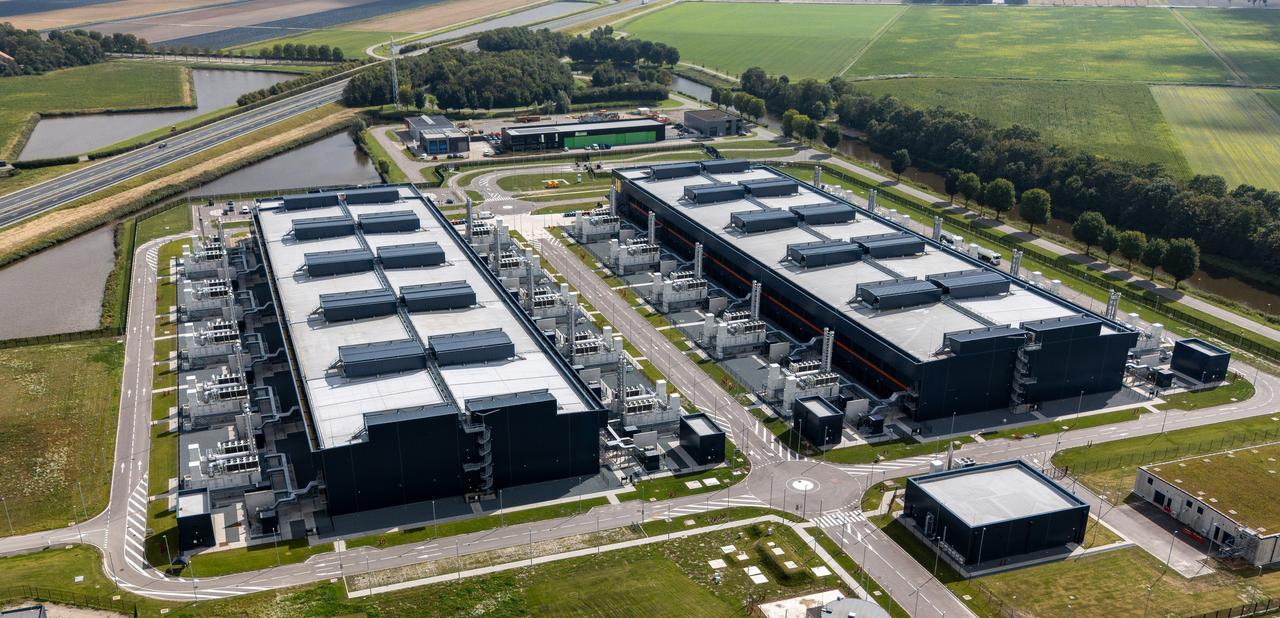

Erdogan said water used to cool servers can be discharged into local streams, causing damage to aquatic life and the broader ecological system. She pointed out that residents in countries such as the Netherlands and Germany have already pushed back against data center operators drawing on community water supplies.
She said public and environmental group criticism is prompting some AI companies to take responsibility by exploring solar energy and developing algorithms to reduce power consumption.
Erdogan recommended that companies publicly disclose their energy consumption and establish a framework for responsible AI use.
“AI operates continuously. Every interaction consumes energy, which triggers the server’s cooling process and increases energy and water use. We need to use these systems more consciously to reduce these demands,” Erdogan said.
Selim Sanin, professor of environmental engineering at Hacettepe University, said some data centers use closed-loop cooling systems that reuse water multiple times. He emphasized the need to design AI hardware with environmental impact in mind.
“We may need to transition to systems that require less cooling and gradually adopt new technologies, supported by updated software approaches,” Sanin said.
Sanin stated that effective design and the right approach can ensure AI’s water use is properly managed.
As reliance on AI increases, Sanin said clear standards are needed to define appropriate uses and topics for the technology.
“If you only use AI when necessary, you reduce energy use and dependence on the technology. Recognizing that AI has a cost for the global system can help create a culture of responsibility. Companies developing AI should adopt a clear philosophy and ethical perspective, ensuring their technology aligns with core values,” Sanin said.


 Set as preferred source
 Set as preferred source



 2 min read