Newsletters


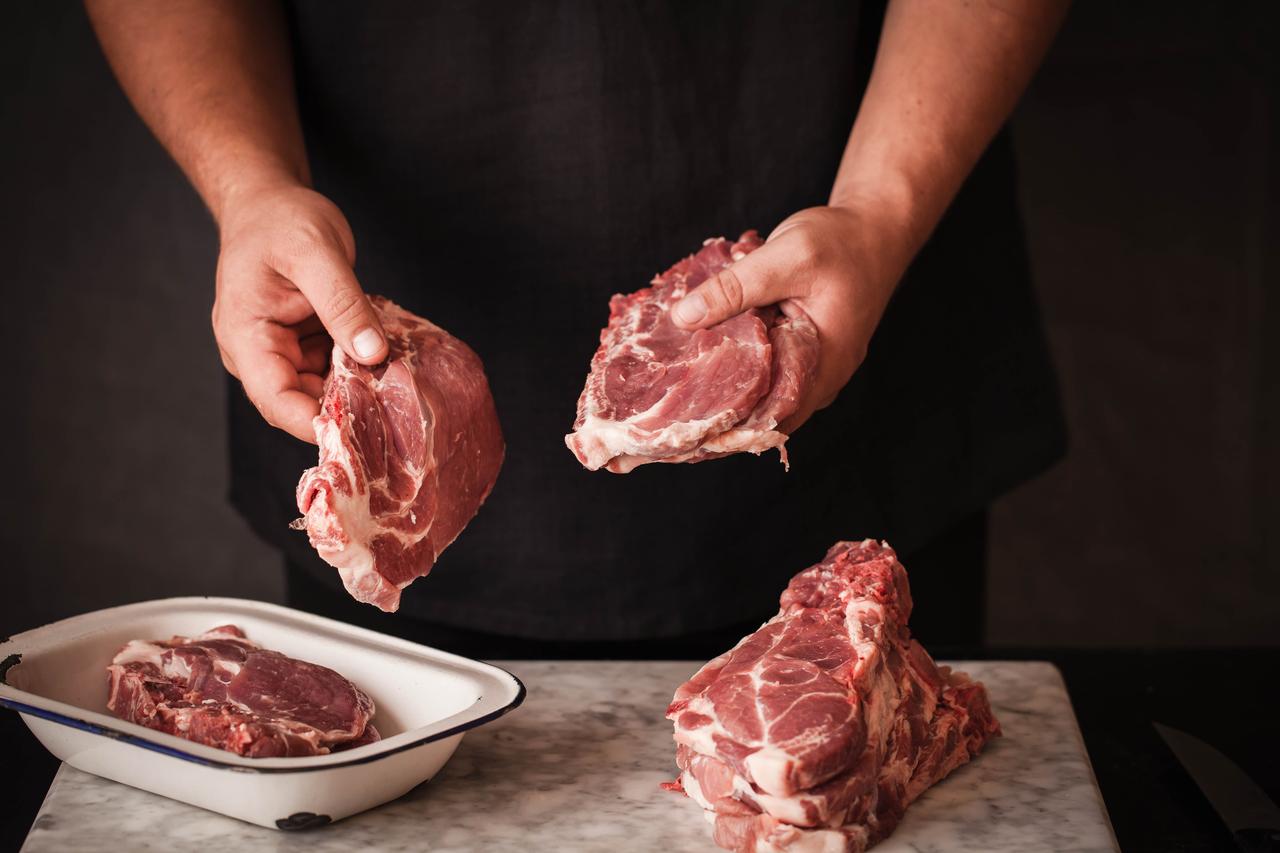


Excessive red meat and heavy food consumption during Eid al-Adha can negatively affect cholesterol, uric acid, and blood pressure levels, potentially leading to serious health problems, including cardiovascular disease, physicians from Kanuni Sultan Suleyman Training and Research Hospital warned.
Professor Dr. Murat Akarsu, from the hospital's internal medicine clinic, told Anadolu Agency (AA) that the key to maintaining metabolic balance during the holiday is portion control and variety in meals.
He said daily protein intake should be limited to 0.8–1 gram per kilogram of body weight and that the day should begin with a light breakfast.
Akarsu also noted that sacrificial meat should be separated from the tail and organ fat and refrigerated for at least 24 hours before consumption.
Akarsu said excess red meat strains the gastrointestinal system, triggering indigestion, constipation, and reflux. Over the long term, he said, it raises LDL cholesterol and triglyceride levels, increasing atherosclerosis risk.
The high purine content in red meat can also elevate uric acid levels and trigger acute gout attacks, while the breakdown products of protein metabolism increase the burden on the kidneys.
He explained that freshly slaughtered meat should not be consumed immediately, as muscle tissue undergoes rigor mortis—post-slaughter stiffening—during which stored carbohydrates are converted to lactic acid, lowering the meat's pH.
"Consuming meat at this stage," he said, can cause bloating, cramping, and acute indigestion," Akarsu recommended keeping meat in a cool, shaded area for several hours before refrigerating it for at least 24 hours.
On cooking methods, he said boiling, baking, and grilling are the healthiest options, as they require no added fat, and cautioned against cooking meat directly over open flame. Fat dripping onto fire, he noted, can produce carcinogenic compounds including polycyclic aromatic hydrocarbons and heterocyclic amines.
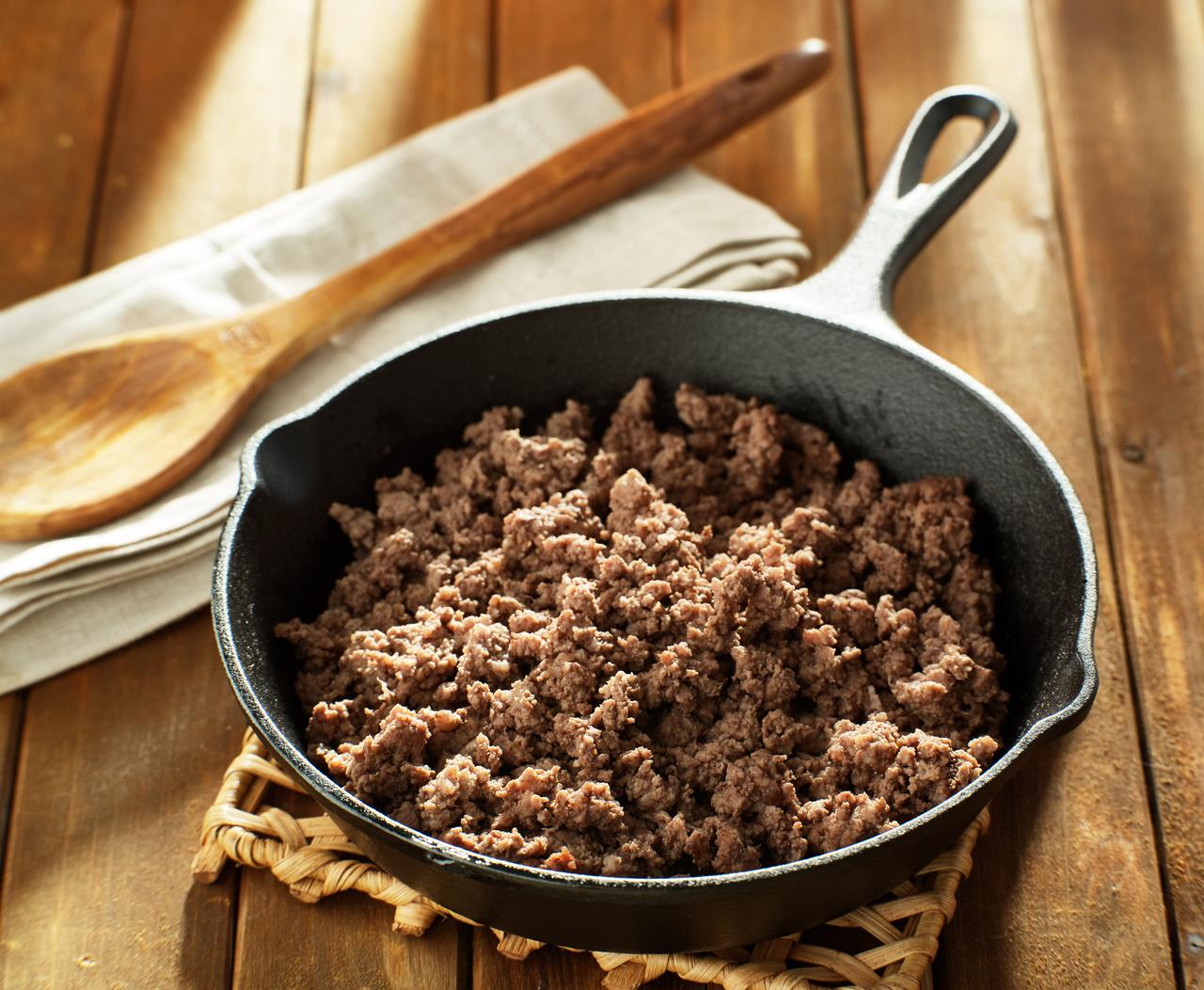

Akarsu noted that red meat is high in iron but contains no vitamin C, making it important to pair it with leafy green vegetables, lemon-dressed salads and citrus fruits to aid iron absorption.
Whole grains, high-fiber vegetables and probiotic foods such as yogurt and ayran support digestive health, he added, and daily fluid intake should reach at least 2–2.5 liters to help the kidneys handle the increased protein load.
Patients with hypertension, diabetes and heart disease need to exercise particular caution during the holiday, Akarsu said. He advised hypertension patients to minimize salt during cooking and avoid organ meats, while heart patients should avoid fatty cuts, tail fat, and offal.
Diabetic patients, he added, should swap high-carbohydrate sides such as rice, pastries and white bread for bulgur, buckwheat or vegetable garnishes.
Akarsu also flagged sugary sweets and candies common at holiday gatherings, noting that their high glycemic index can cause rapid insulin spikes. He recommended consuming desserts as a mid-meal snack rather than immediately after a main course and said milk-based and fruit desserts are preferable to syrup-soaked varieties.
Associate Professor Dr. Bilal Cuglan, from the same hospital's cardiology department, said sudden dietary changes during Eid al-Adha can place a significant burden on the cardiovascular system.
He noted that eating patterns that start with heavy meat dishes early in the morning and continue throughout the day can accumulate into a sustained protein and fat load that strains the heart.
Cuglan said high-calorie, protein-heavy foods eaten in the evening can interfere with the natural overnight drop in blood pressure the body requires, preventing the heart from resting and raising the risk of cardiovascular events.
He added that uncontrolled red meat consumption places the entire body—from blood vessels to the kidneys—under severe metabolic stress and that even a single overindulgent holiday meal can trigger serious complications in patients with chronic conditions.
He recommended maintaining portion control, adhering to regular medication schedules and increasing physical activity throughout the holiday period.


 Set as preferred source
 Set as preferred source


 3 min read