Newsletters


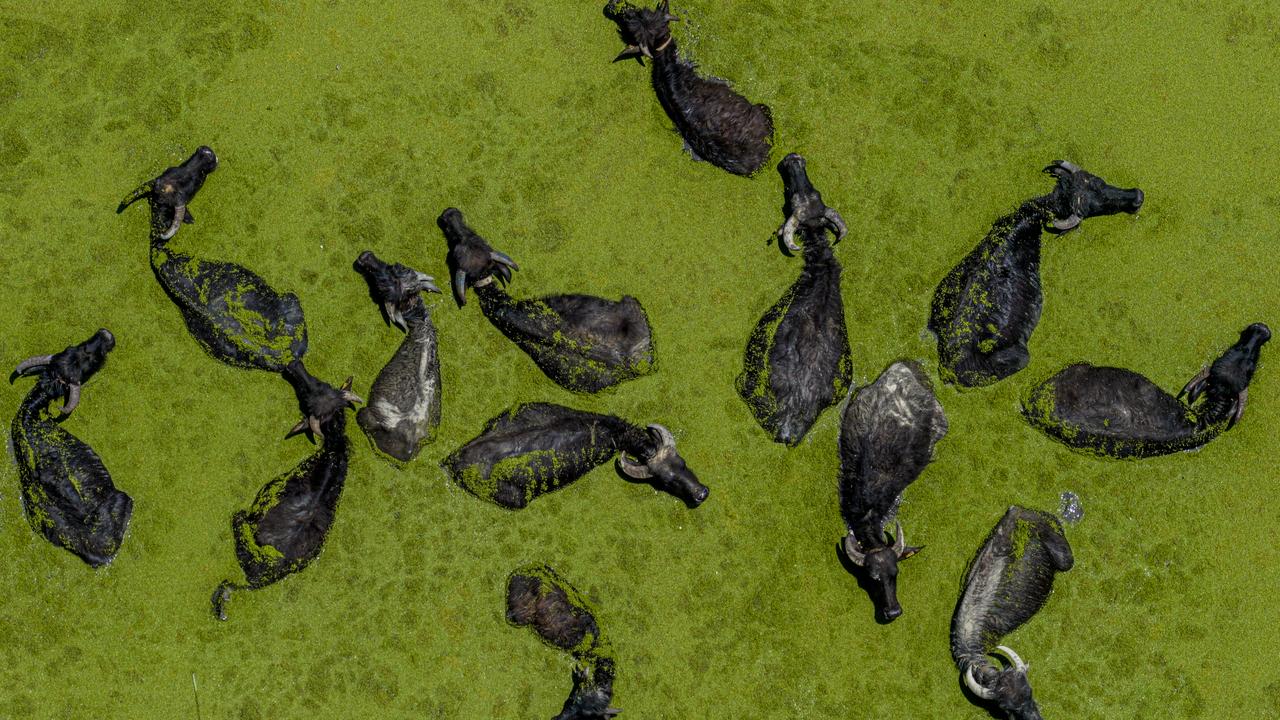
Recent rainfall has replenished the drought-threatened Eber Lake basin, raising water levels and transforming its vast green pastures into active grazing grounds for buffalo herds.
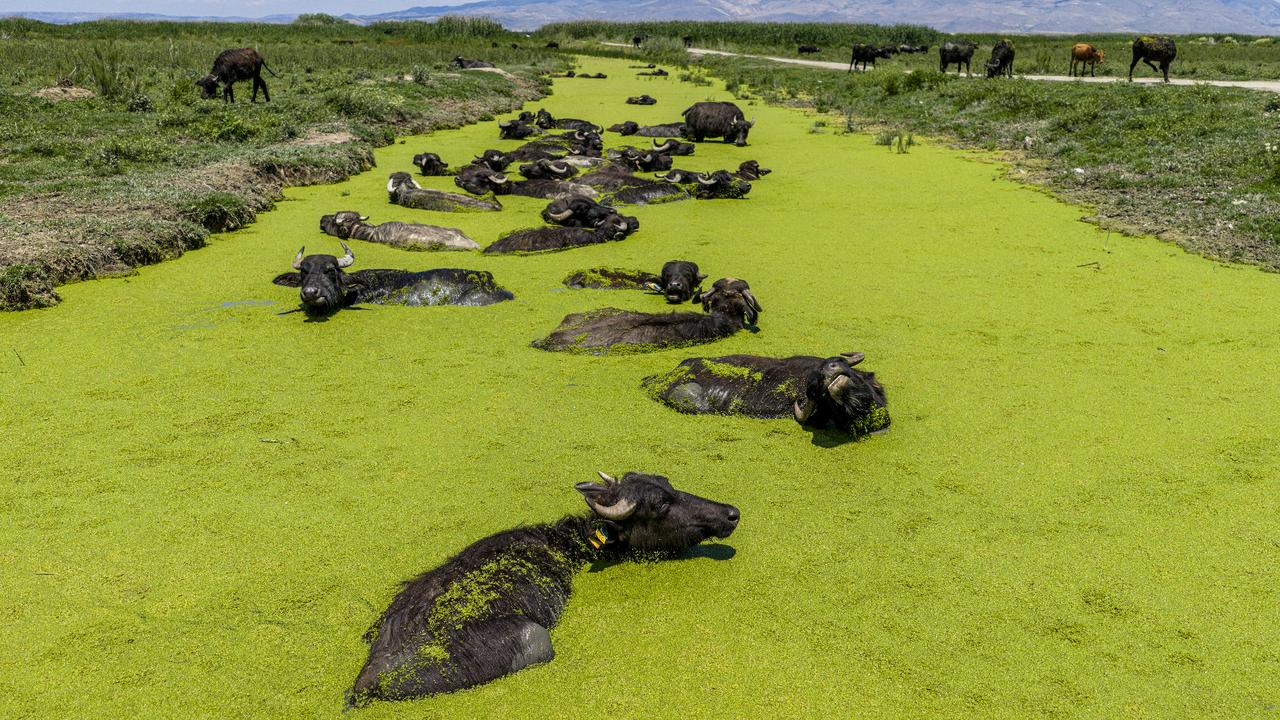
Submerged to their shoulders in algae-covered water, a herd of buffaloes regulates body temperature in the shallows of the Eber Lake basin.
The animals use the lake's restored waters both for cooling and as a primary foraging ground, wading through vegetation brought back by rising levels.
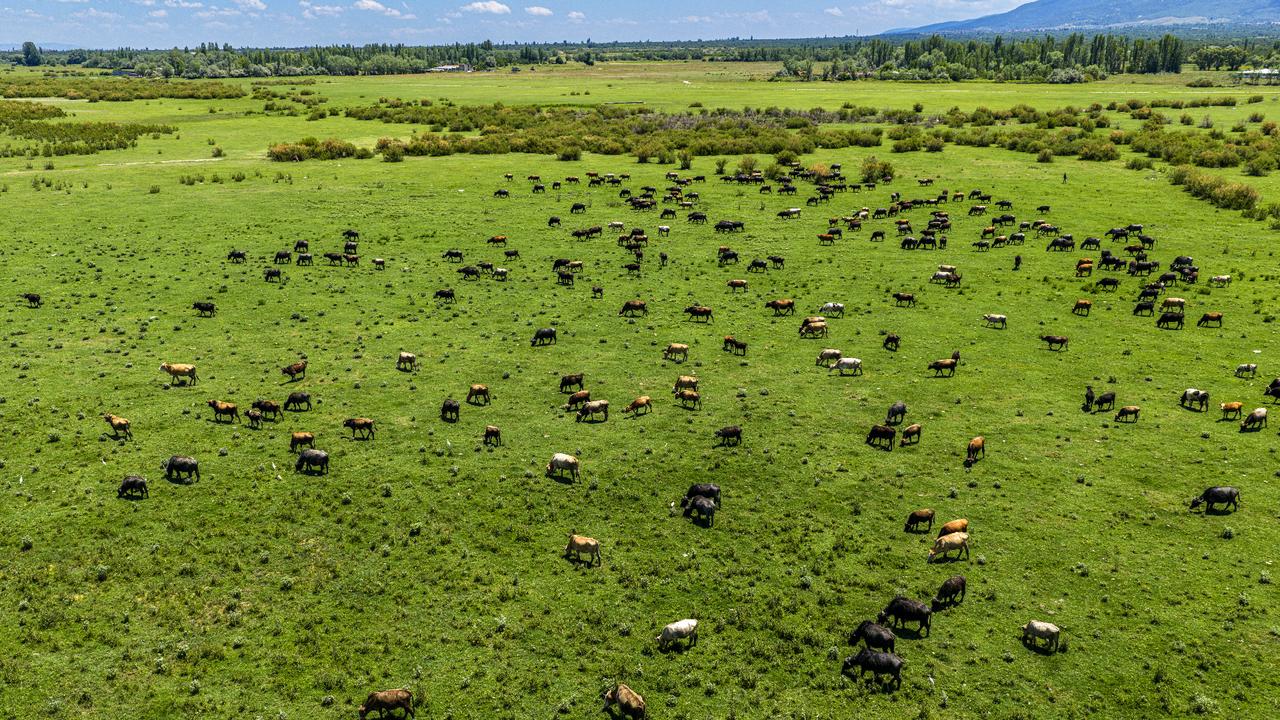
Seen from above, one can really appreciate how much the habitat has recovered. Grasslands that once shrank during long droughts now reach out from the water’s edge, giving space for large herds to roam freely.
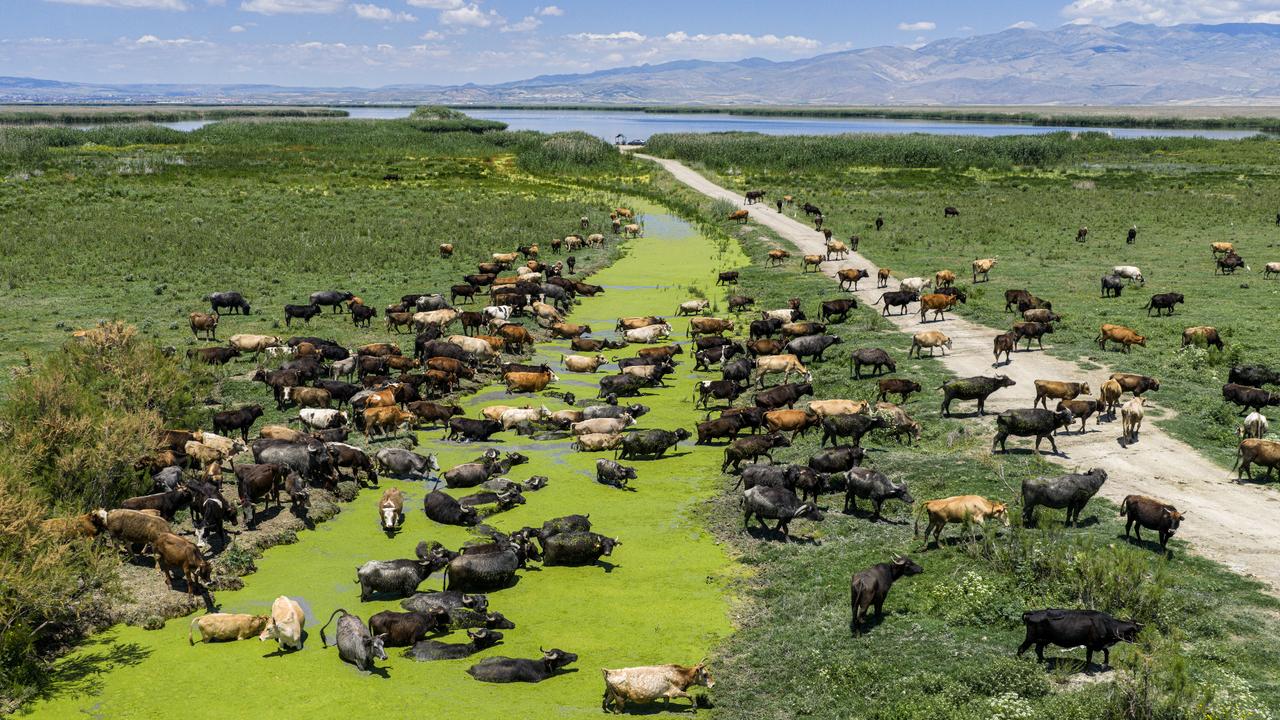
The animals move between grazing on bankside grasses and wading into the shallows, making full use of a habitat that drought has significantly reduced in recent years.
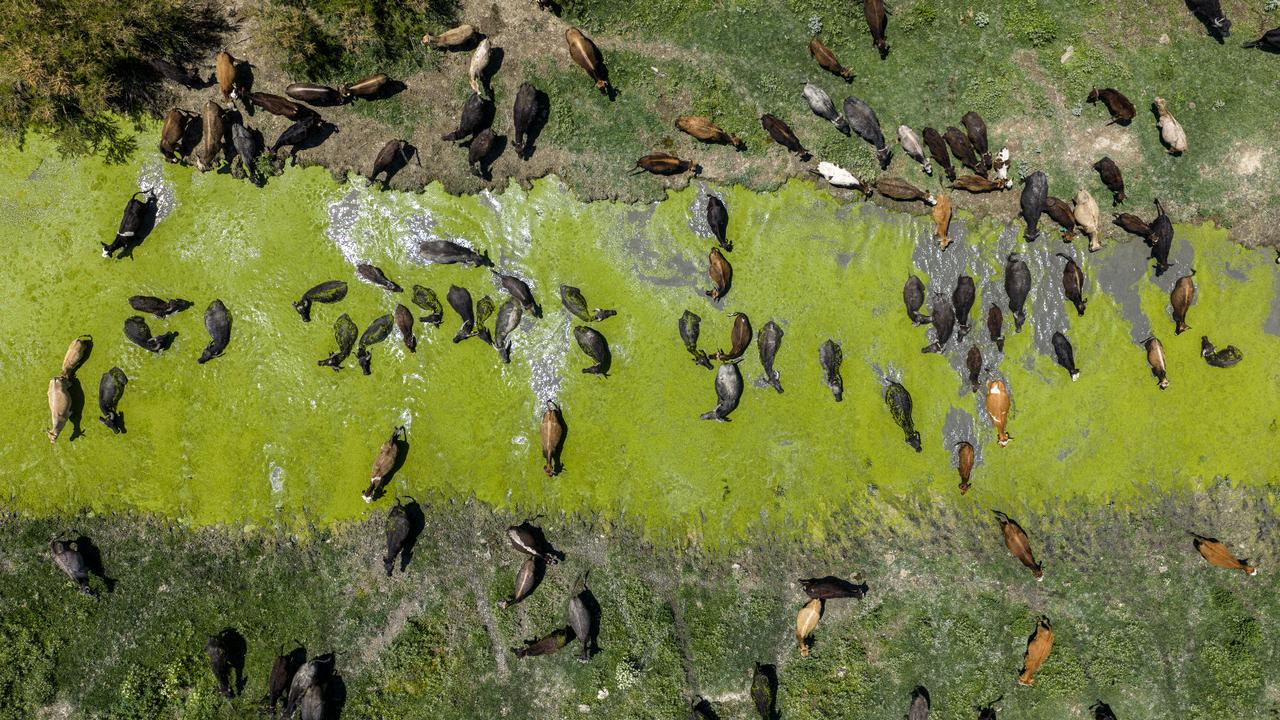
This pattern shows a return to the seasonal rhythms that drought had disrupted. Animals are once again using the full stretch of the basin’s restored wetland edges.
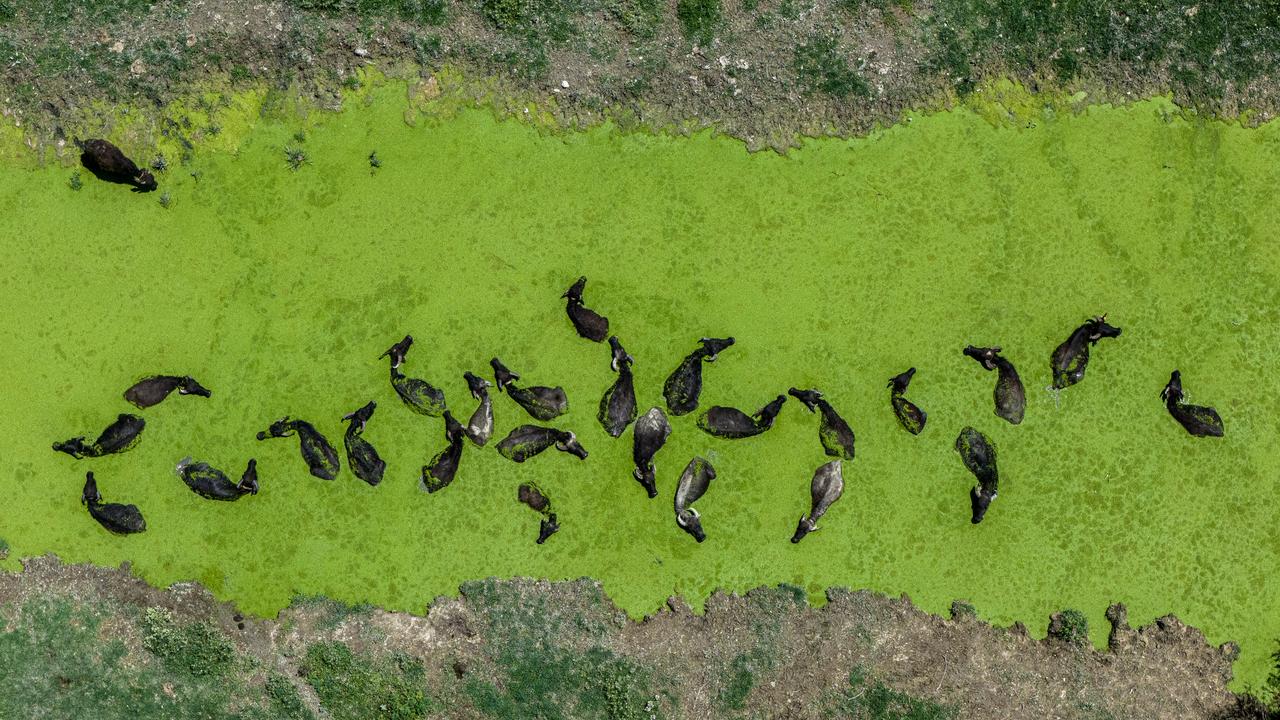
The scene shows the habitat in active use, with animals spread out across the green edges and the lake’s renewed surface.
This behavior matches what is expected in a recovering ecosystem.
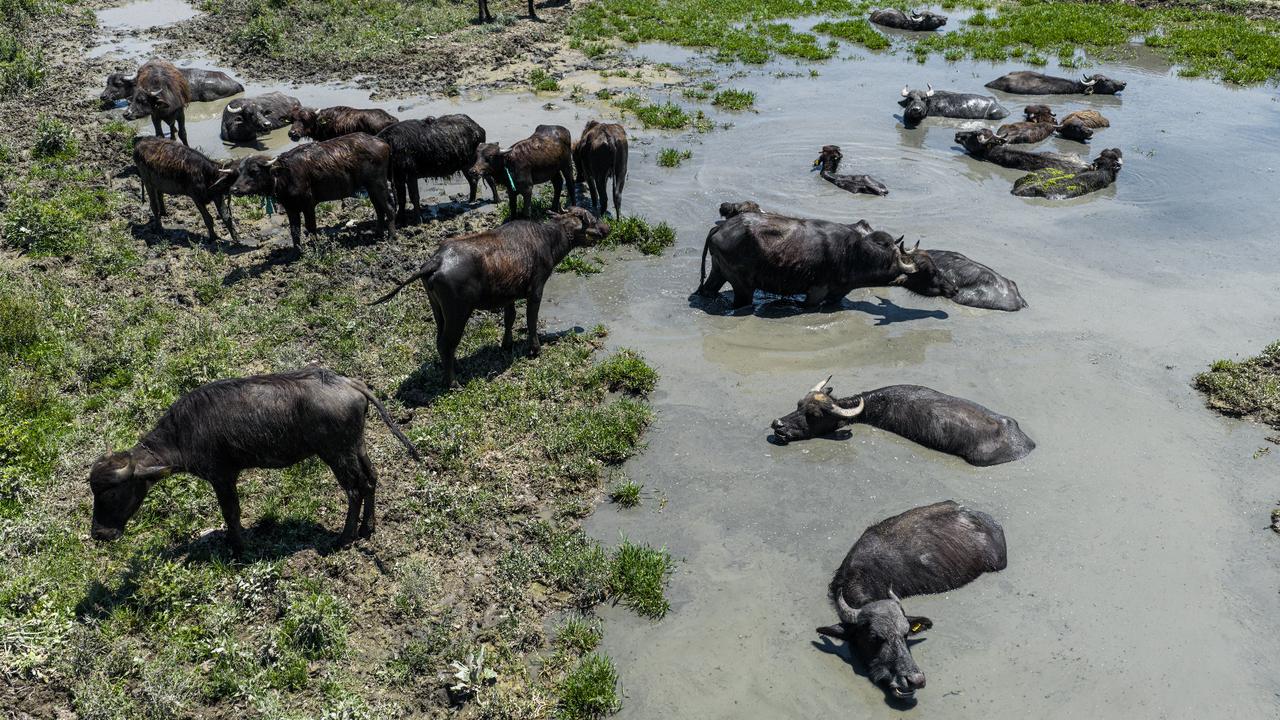
The murky water is common in areas where herds gather and stir up the lakebed. After several seasons with less water, the basin’s higher levels now allow these large gatherings again.


 Set as preferred source



 1 min read