Newsletters




A laboratory has confirmed an Ebola case in Goma, a major city in the eastern Democratic Republic of the Congo currently under the control of the Rwanda-backed M23 militia, health authorities told Agence France-Presse (AFP) on Sunday.
Jean-Jacques Muyembe, director of the Congolese National Institute for Biomedical Research, told AFP: "A positive case in Goma has been confirmed by tests carried out by the laboratory. It involves the wife of a man who died of Ebola in Bunia, who traveled to Goma after her husband's death, whilst already infected."
The confirmation comes as the World Health Organization declared the broader outbreak a public health emergency of international concern.
This is the second-highest alert level under international health regulations. The outbreak is caused by the Bundibugyo strain of Ebola, for which no approved vaccine or treatment exists.
DR Congo's Health Minister, Samuel-Roger Kamba, stated, "The Bundibugyo strain has no vaccine, no specific treatment. This strain has a very high lethality rate, which can reach 50 percent."
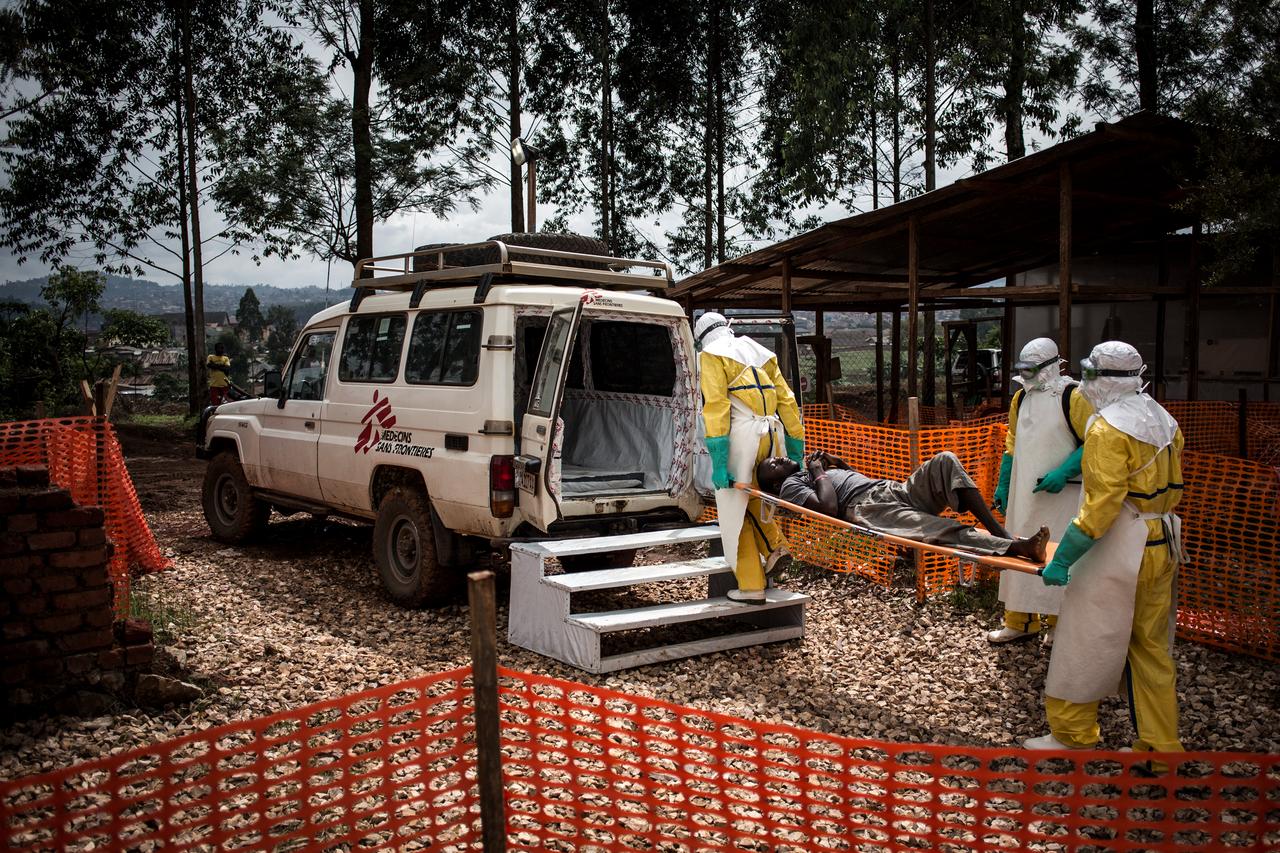

The Africa Centers for Disease Control and Prevention reported 336 suspected cases and 88 deaths as of Saturday.
Health officials confirmed that the outbreak originated in Ituri province in northeastern DR Congo, which borders Uganda and South Sudan.
Patient zero was identified as a nurse who presented with symptoms at a health facility in Bunia, the provincial capital, on April 24.
The virus has since crossed the border. Uganda confirmed one death in its capital, Kampala, involving a Congolese national who had traveled from DR Congo.
A second case was subsequently confirmed in Kampala; the two cases are not believed to be linked.
WHO said the true scale of the outbreak remains unclear, warning that the high positivity rate of initial samples, cross-border spread, and rising suspected case counts suggest the situation may be significantly larger than current figures indicate.
The organization stopped short of declaring a pandemic emergency, the highest alert level introduced in 2024.
Medical aid organization Doctors Without Borders said it is preparing a large-scale response.
Trish Newport, MSF Emergency Program Manager, said, "The number of cases and deaths we are seeing in such a short timeframe, combined with the spread across several health zones and now across the border, is extremely concerning."
The Bundibugyo strain was first identified in 2007. Vaccines exist only for the Zaire strain of Ebola, which was identified in 1976 and carries a fatality rate of between 60 and 90 percent. The current outbreak is the 17th to hit the Democratic Republic of the Congo.
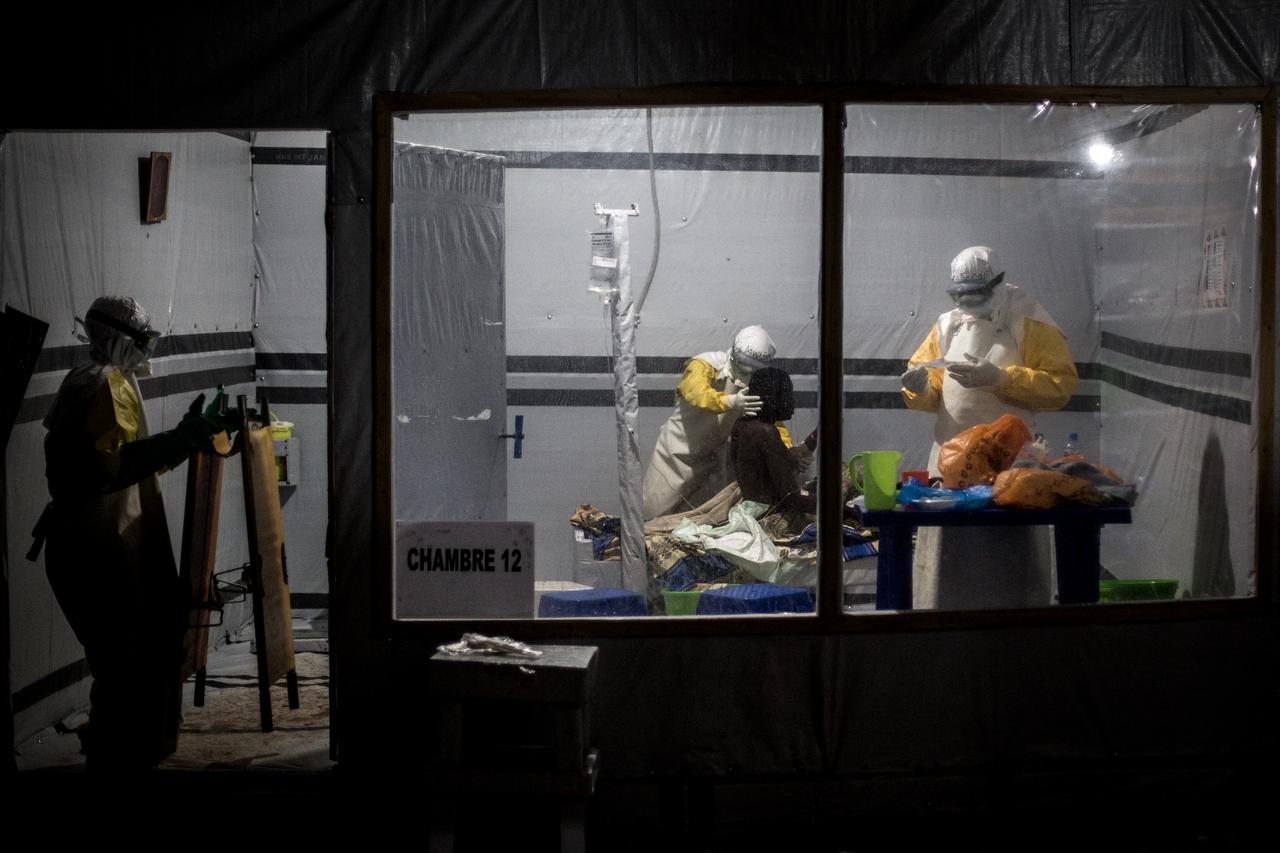
Ebola spreads through direct contact with the bodily fluids of infected individuals, who become contagious only once symptoms appear. The incubation period can last up to 21 days.
Symptoms include fever, hemorrhage, and vomiting. The disease is believed to have originated in bats and has killed approximately 15,000 people in Africa over the past 50 years.
WHO has advised immediate isolation of confirmed cases, restricting national travel, and prohibiting international travel for 21 days after exposure.
The organization urged countries not to close borders or restrict trade, warning that doing so could push crossings into unmonitored areas.


 Set as preferred source
 Set as preferred source



 3 min read