Newsletters


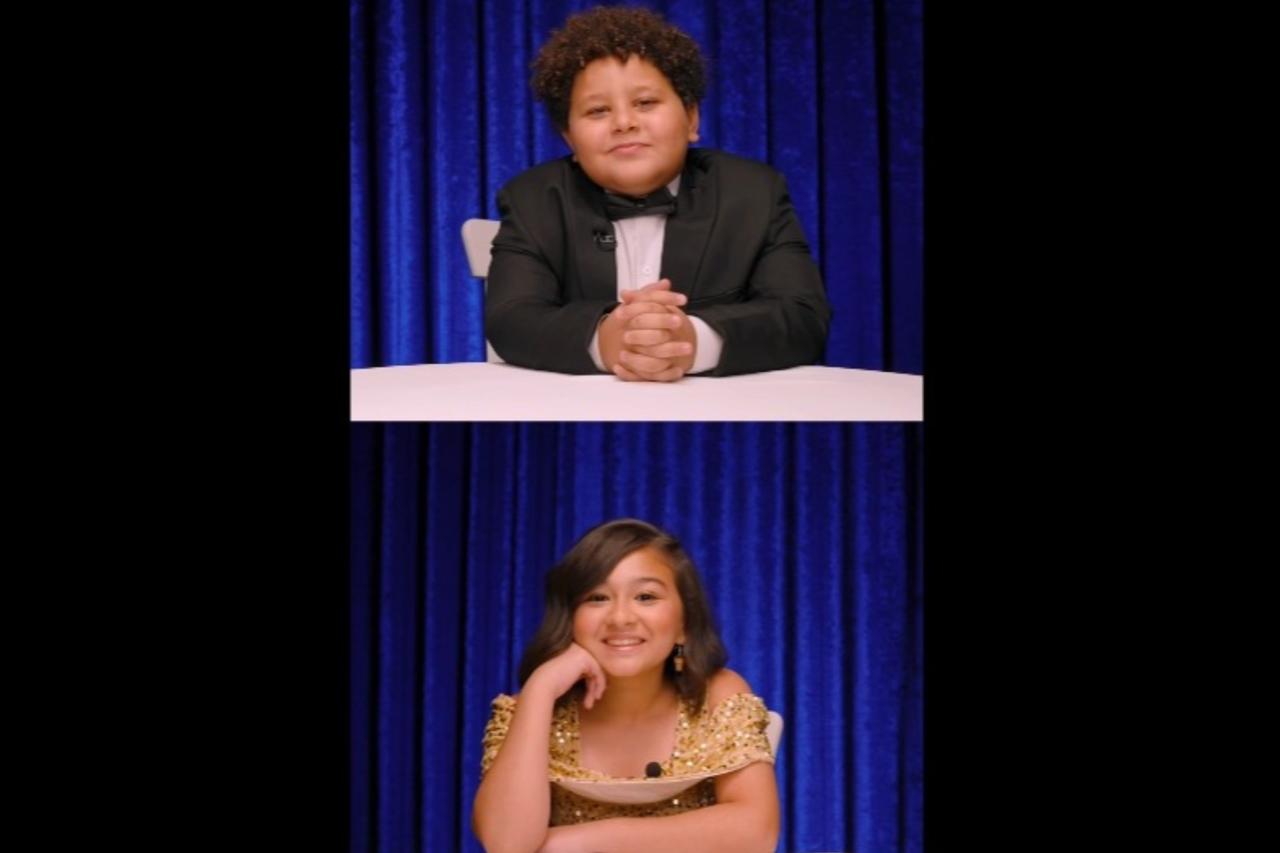


Egypt’s National Council for Childhood and Motherhood rejected a promotional clip for a dating program that showed two children in a format resembling adult dating programs after it sparked backlash on social media. The clip was later removed, and producers said the episode would not air.
The promotional clip circulated for an episode of a dating show called “The Blind Date Show,” featuring two children in a format that mimicked dating and matchmaking programs intended for adults.
Critics said the blind dating format is meant for adults and raised concerns about its suitability and potential impact on minors.
In response, the council said Thursday it rejected the content. The promo was removed and the episode’s airing was halted.
“The Blind Date Show” is an Egyptian dating program aired via the “BingeCircle” account and platform on social media. The show’s premise brings together two people who have never met before for a get-to-know-you experience aimed at dating.
Throughout the episode, the two participants sit on opposite sides of a partition, preventing them from seeing each other until the end. The partition is removed only in the final segment, after each person has assessed the other and decided whether they would like to meet again.
The program released a promo for an episode featuring two children in a “dating-show” format similar to adult programs. As criticism escalated, the promo was removed, and the production team later announced that the episode’s airing had been halted. The episode had been scheduled to air at 9 p.m. on the show’s official Facebook page before it was taken down.
Sahar El-Sombati, head of Egypt’s National Council for Childhood and Motherhood, said merely using the term “dating” and linking it to children is “a dangerous slippery slope” because it normalizes adult social concepts for children, even if presented as entertainment or a joke.
She added that placing children in such a context could exploit their “innocence” to produce content aimed at going viral, and may have harmful effects by encouraging imitation of inappropriate behaviors.
According to Egyptian media, the council contacted the relevant authorities to pursue legal action, most notably the Public Prosecution, specifically the Office for the Protection of Children, Persons with Disabilities, and the Elderly under the Office of the Prosecutor General’s Counsel, and the Supreme Council for Media Regulation.
Sabry Othman, director general of the Child Helpline, said using children in media or commercial contexts without due regard for the psychological and educational impact may entail legal liability under Egypt’s constitution and laws, which prohibit endangering a child’s morals or exploiting children for commercial purposes.


 Set as preferred source
 Set as preferred source



 3 min read