Newsletters




With an El Nino expected to arrive between June and August, communities in Central America's dry corridor are preparing for a possible long-lasting food crisis. Experts warn this one could be even worse than the last.
An El Nino occurs every two to six years and causes surface temperatures in the Pacific Ocean to rise. This leads to months of unusual weather in a region that is already struggling. Honduras, El Salvador, Nicaragua, and Guatemala have all raised their alert levels to prepare.
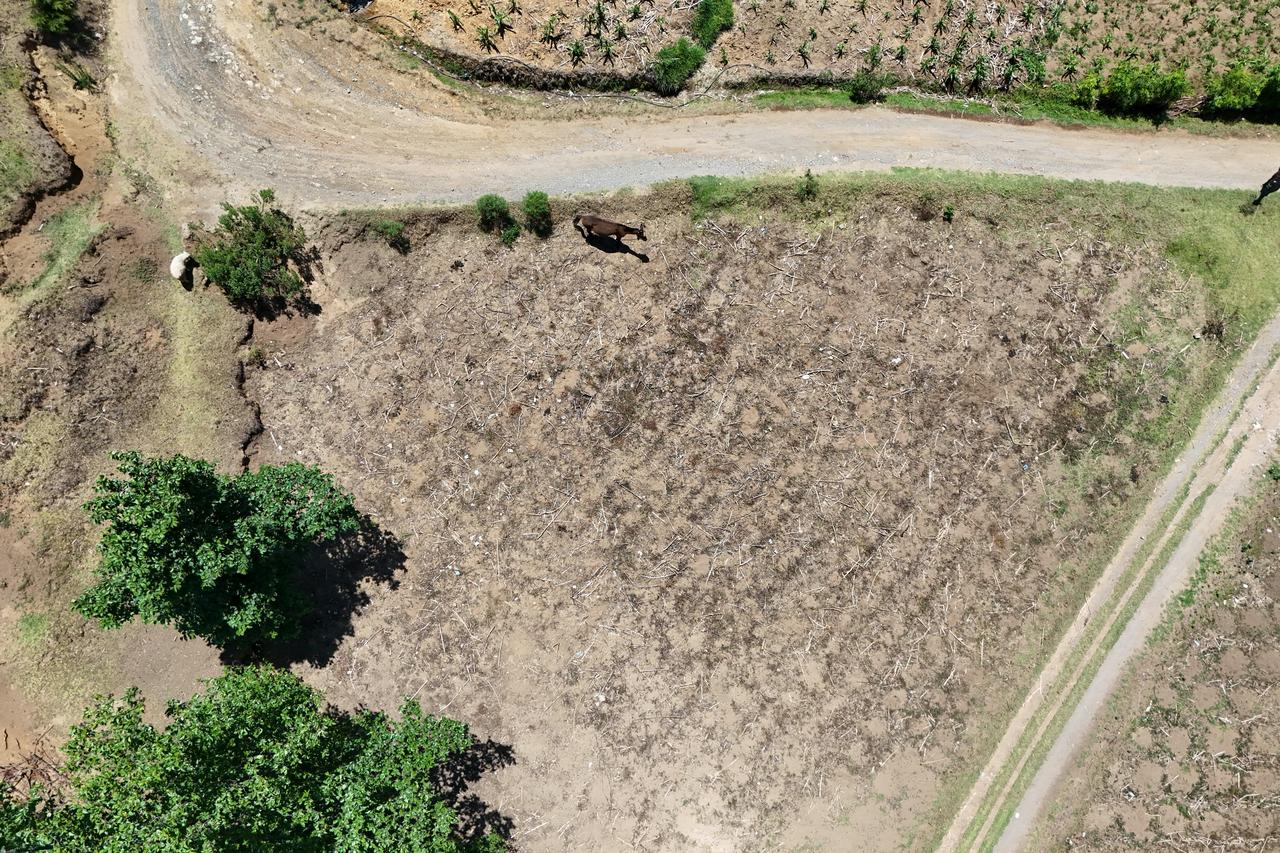
In Guatemala's mountainous Quiche department, where the indigenous Maya community of Cunen lives, the effects are already clear. Wells are drying up, creek beds that once watered fields of corn, potatoes, broccoli, and beans are disappearing in the heat, and farmers who depend on growing their own food are losing their planting season.
"If there isn't rain, (the crops) won't come. If there isn't anything, we're going to die of hunger," said Cecilia Pasa Sarat, a 38-year-old farmer from Xetzac village.

About 47,000 people live in the Cunen region. Most are poor and depend on rainfall and well water, which are no longer reliable. Quiche was hit hard during Guatemala's El Nino-related food crisis in 2023, and people there now fear it could happen again, especially since government help is limited.
The Guatemalan government says it has prepared 1.1 million emergency food rations. However, critics point out that the country's "dry corridor," an arid area that crosses four Central American countries, has grown from 40 to 160 municipalities since 2004. Now, almost half of Guatemala faces an ongoing drought caused by climate change.
Alex Guerra, director of the Private Institute for Investigation on Climate Change (ICC), says El Nino has already reduced rainfall by half in the affected areas. With about 2.5 million Guatemalans at risk of food insecurity, there is less and less time to act.
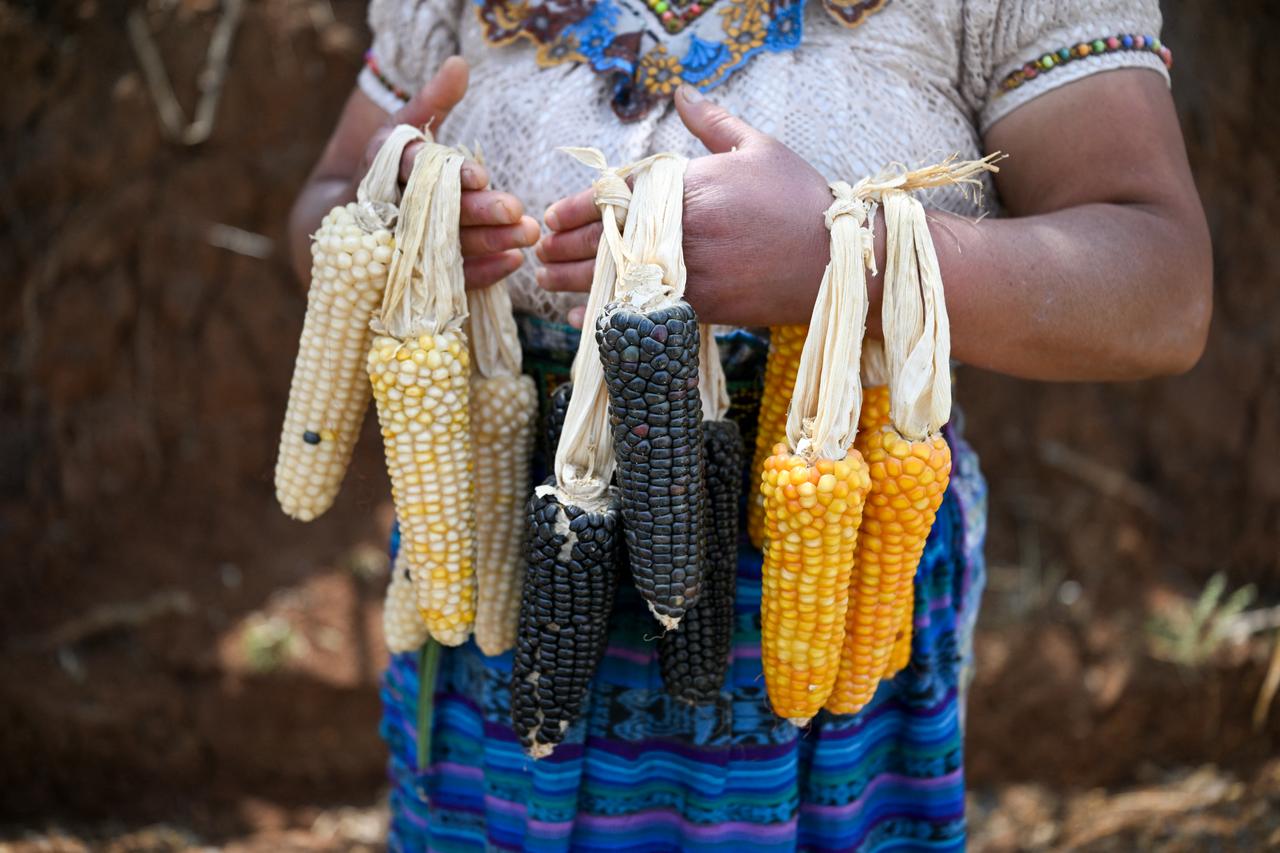
People who tried to plant crops this season had little hope. Only half of Pasa Sarat's neighbors planted corn this year. Others, like Catarina Sica, did not plant anything. "There isn't any rain, and the time has passed for us to plant," Sica said, holding seeds still attached to an unharvested cob.
Community leader Elvira Pasa, 27, explained the situation simply. "We farm, we don't sell it, we just eat it," she said. "Whatever we plant is what we eat."
The crisis is getting worse because money sent home from the United States has dropped sharply. For years, these remittances helped rural Guatemalan communities survive poor harvests. But after a wave of deportations, about 24,000 Guatemalans, many from Quiche, have returned this year. Now, families do not have the income they once had to buy food when crops failed.
Construction projects that relied on remittances have come to a halt. People who have returned can sometimes find farm work for about $10 a day, which means most families can only afford beans, herbs, and potatoes. Many now depend on selling livestock to get by.
Experts say that how severe El Nino becomes depends on many weather factors. But as drought zones expand, rural economies struggle, and government support dwindles, communities in Central America have little room for mistakes if the worst predictions come true in the next few months.


 Set as preferred source
 Set as preferred source




 6 min read