Newsletters


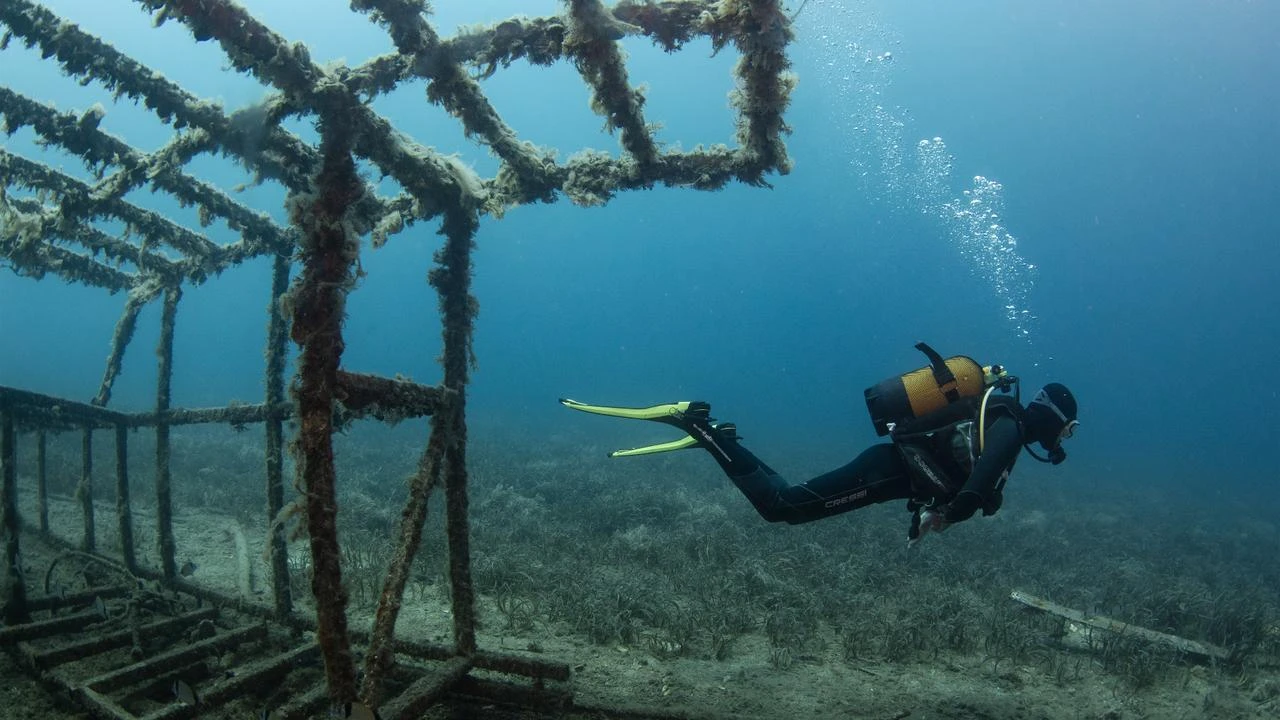
Seferihisar in western Türkiye is drawing in diving enthusiasts with clear waters, rich marine biodiversity, colorful microscopic species and reef formations suitable for both first-time and experienced divers.
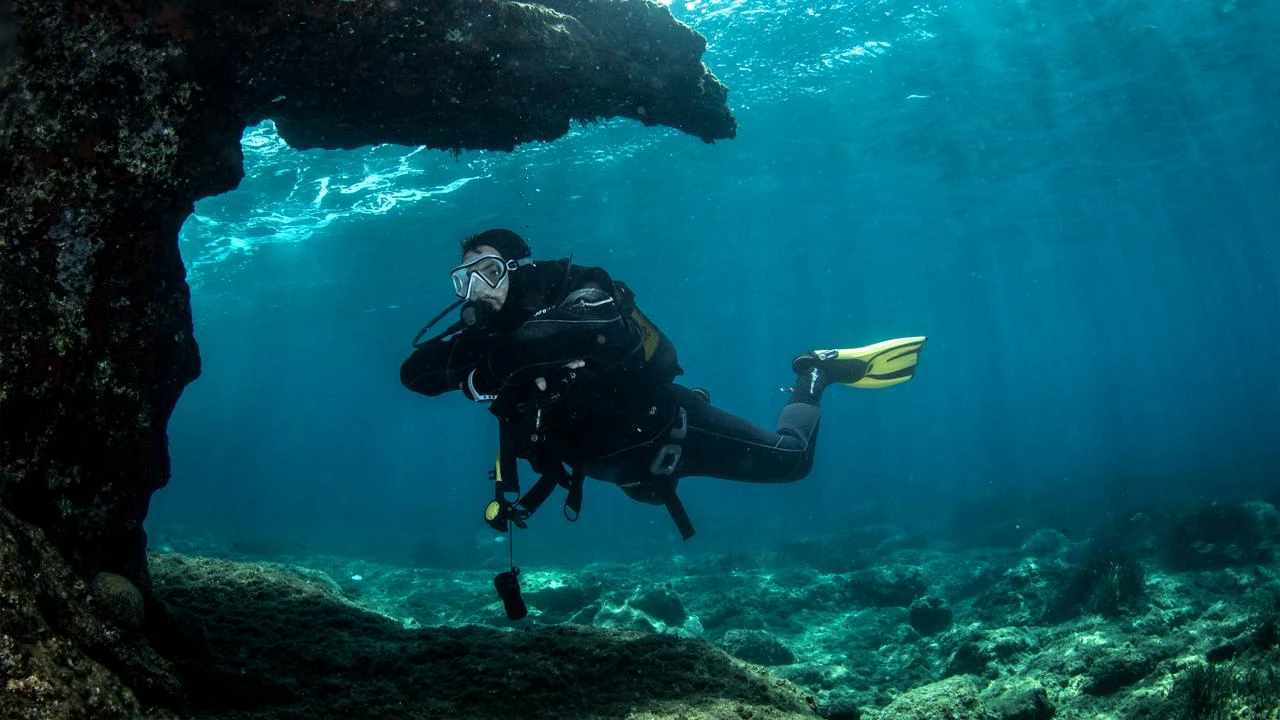
Popular diving routes around Sigacik include Teos Corner, Sigacik Canyon, the Fishing Boat Wreck, the Coast Guard Boat Wreck, Anfora, Telgraf Cape and Lego Hill, where divers can explore canyon walls, caves and artificial reefs.
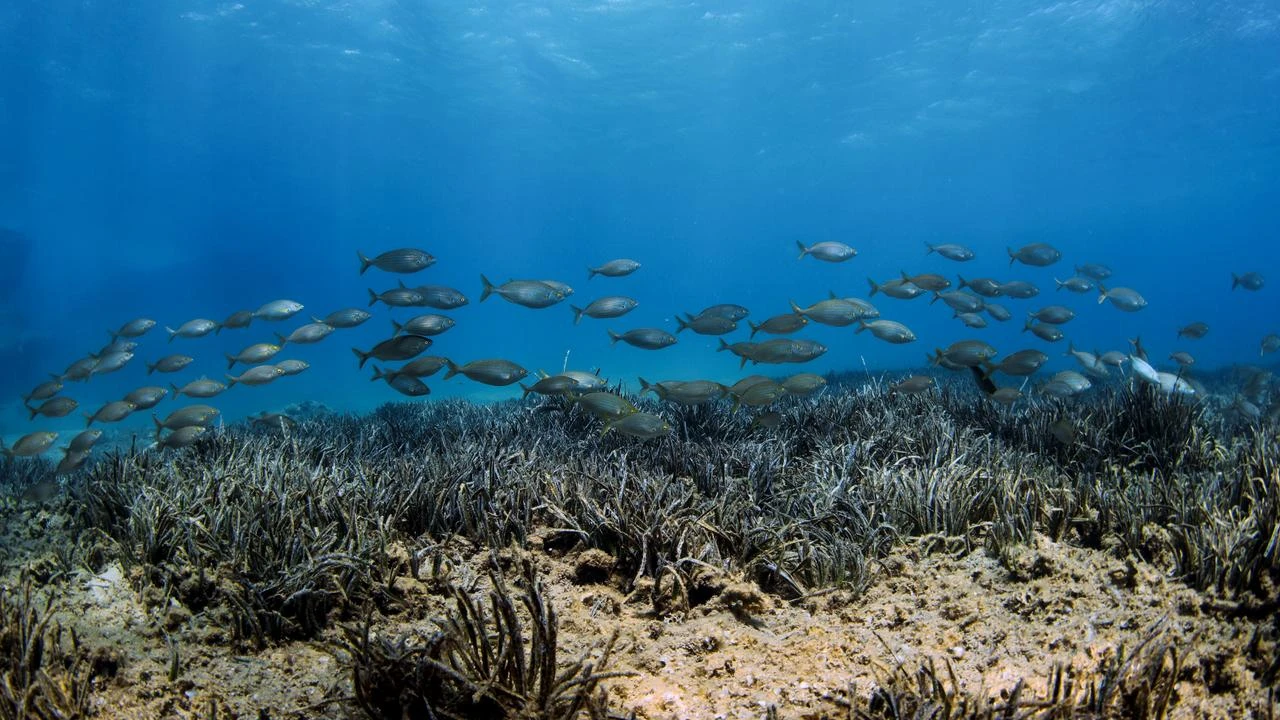
The area's Posidonia oceanica, an endemic Mediterranean seagrass species, and dense algae help maintain high oxygen levels that support a food chain stretching from microorganisms to larger marine predators.
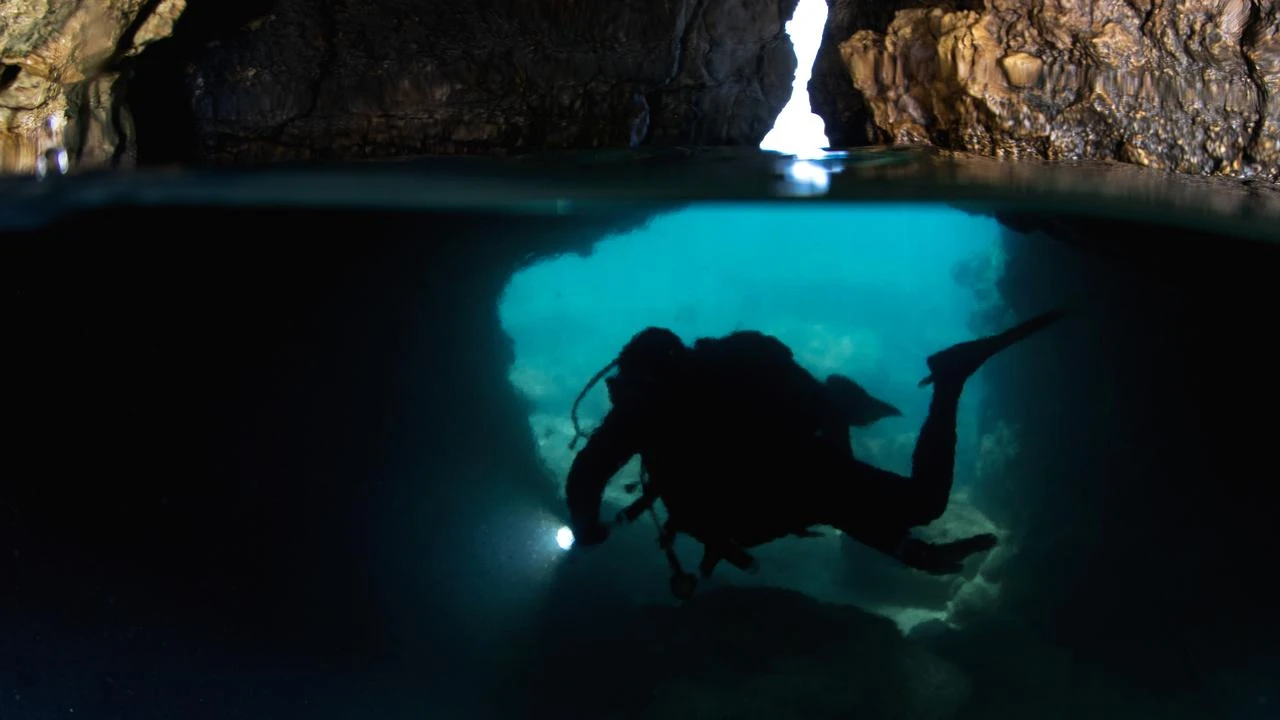
Underwater photographers can seek out brightly colored sea slugs as small as a fingernail, while octopuses, lobsters, moray eels and schools of fish hide among rocky cracks and reef formations.
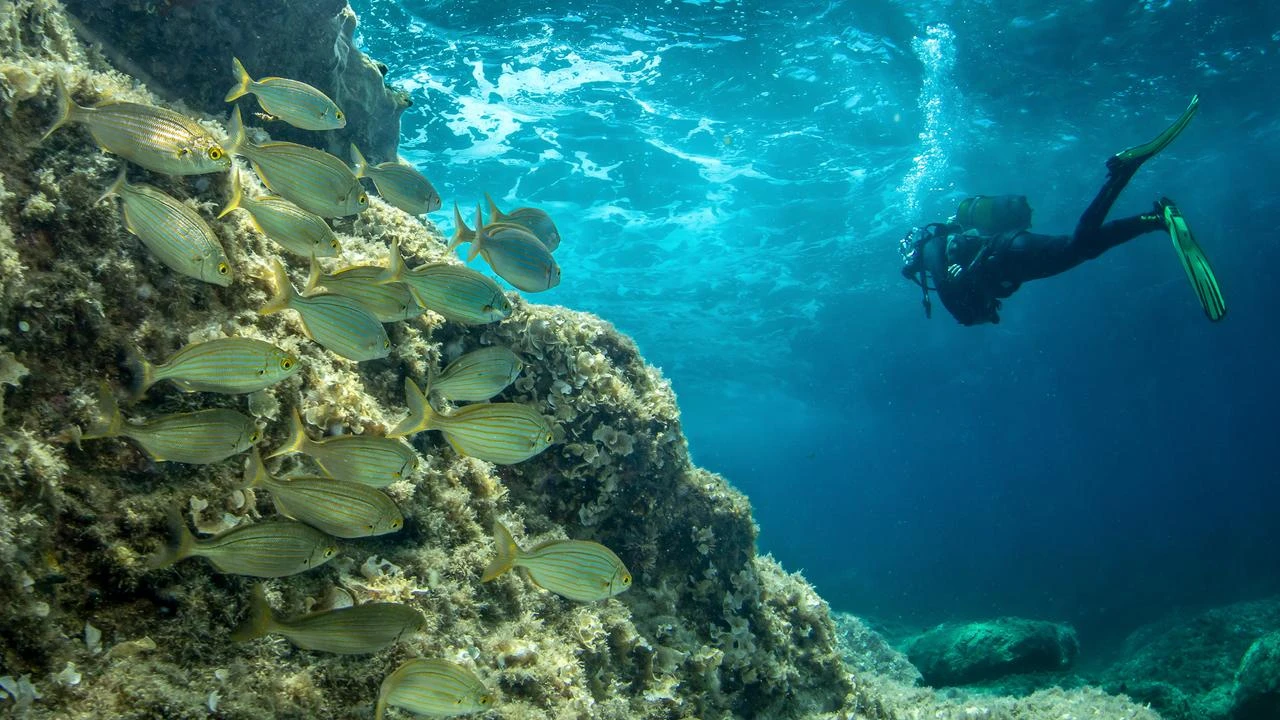
Diving activity begins to build up after schools close and becomes especially busy in July, bringing domestic and international visitors to Seferihisar's relatively untouched underwater environment.
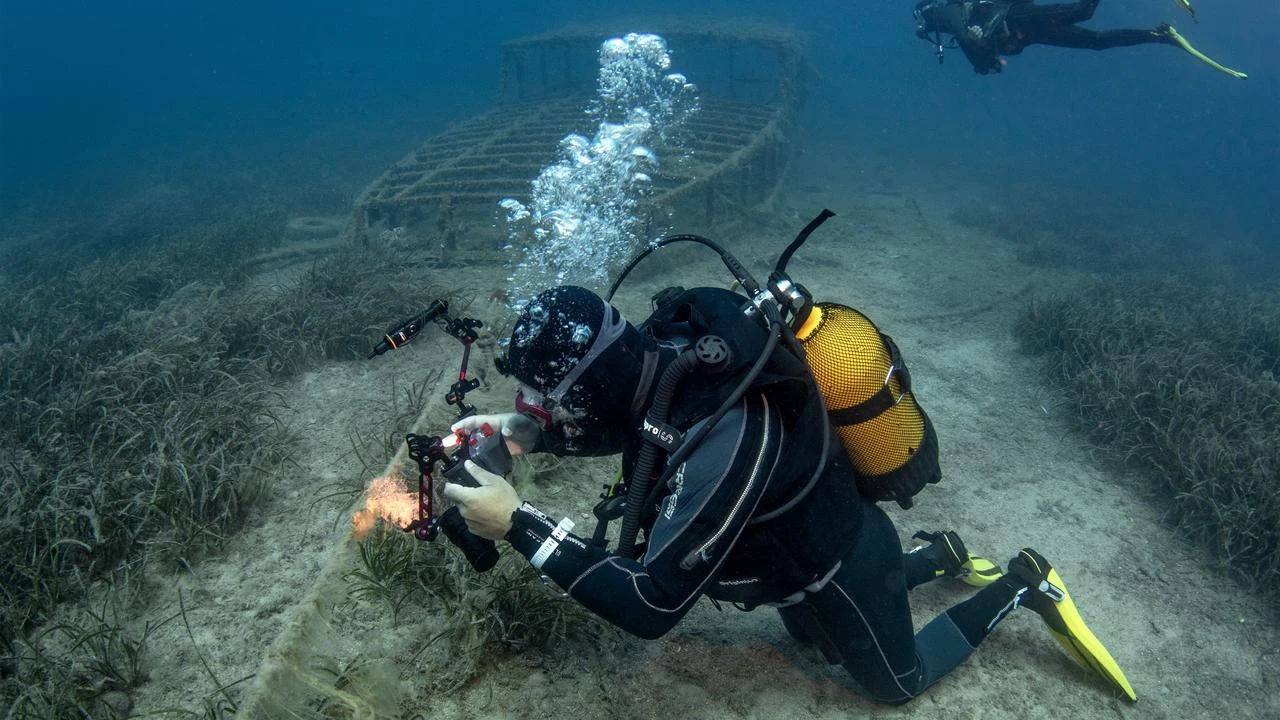
Local centers offer programs ranging from introductory trial dives to dive master and three-star certification, advanced qualifications that prepare divers to take on greater responsibility and more demanding underwater activities.
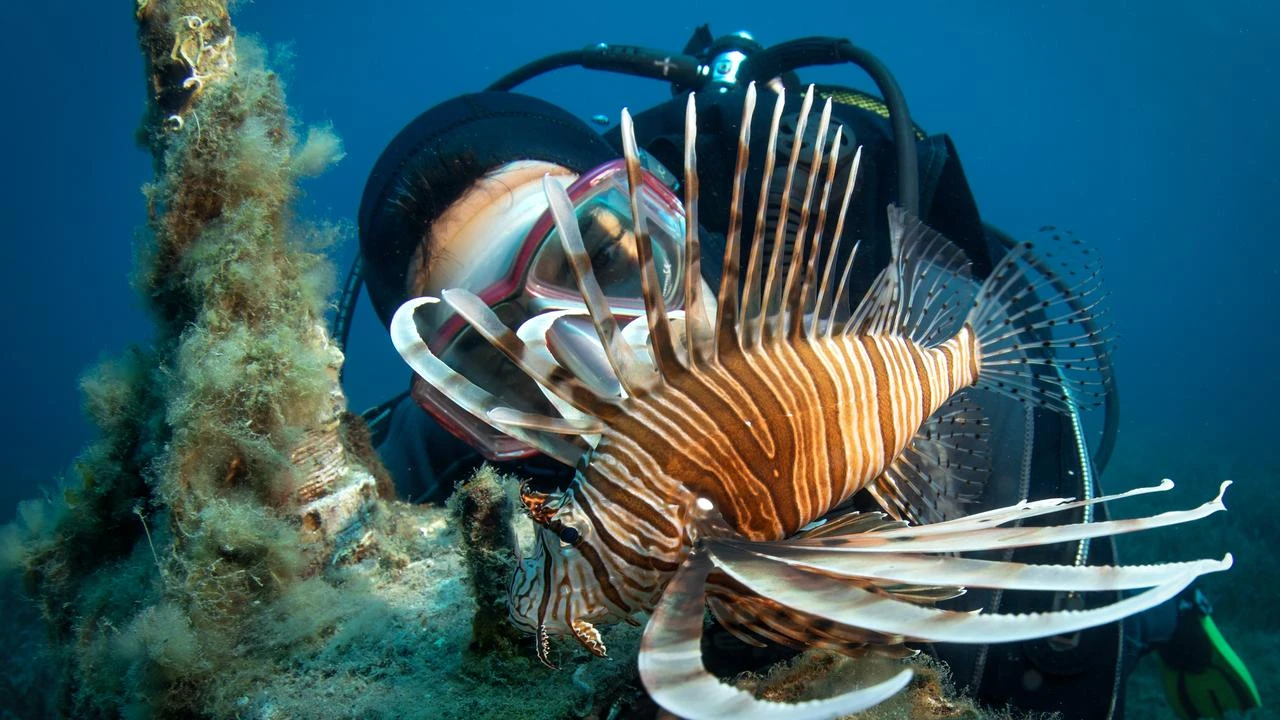
Instructor Murat Kaan Soysal said the high oxygen level brings in small organisms and the species that feed on them, creating a lively ecosystem that attracts divers and underwater photographers.
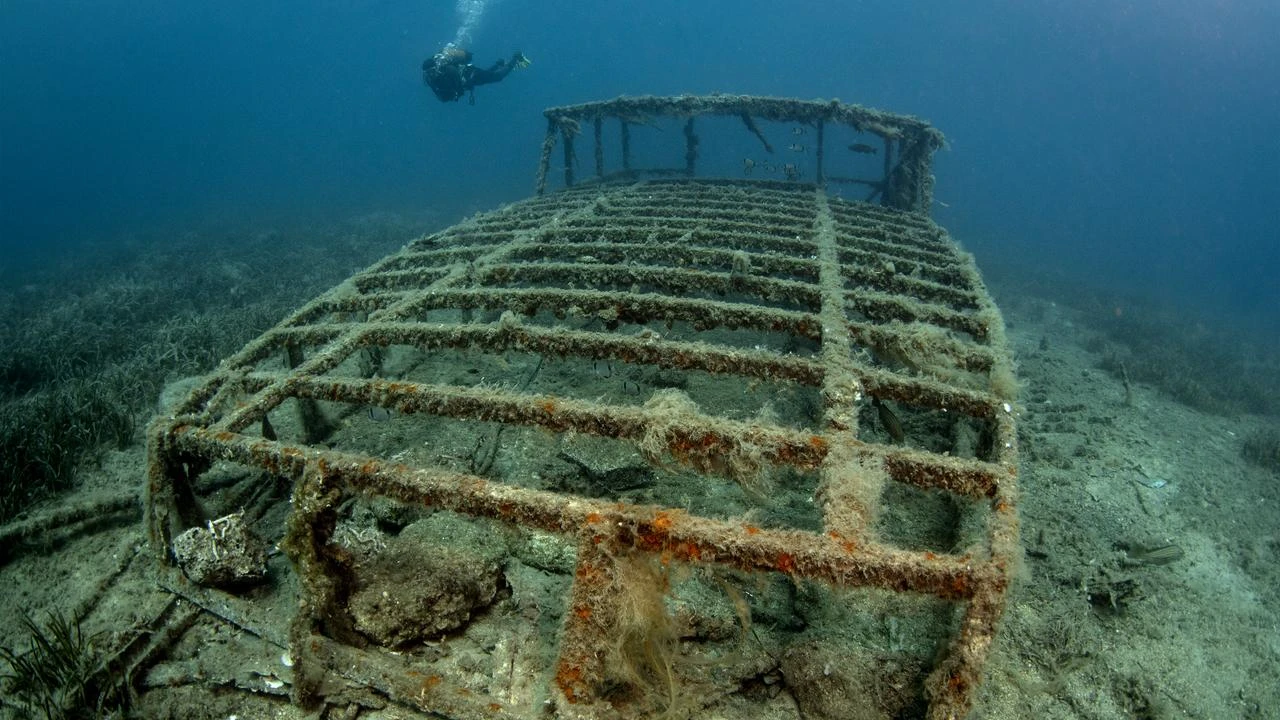
After overcoming his initial concerns with professional guidance, first-time diver Tolga Tumba said, "The underwater world is truly completely different," adding that he wanted to go back below the surface immediately after coming out.
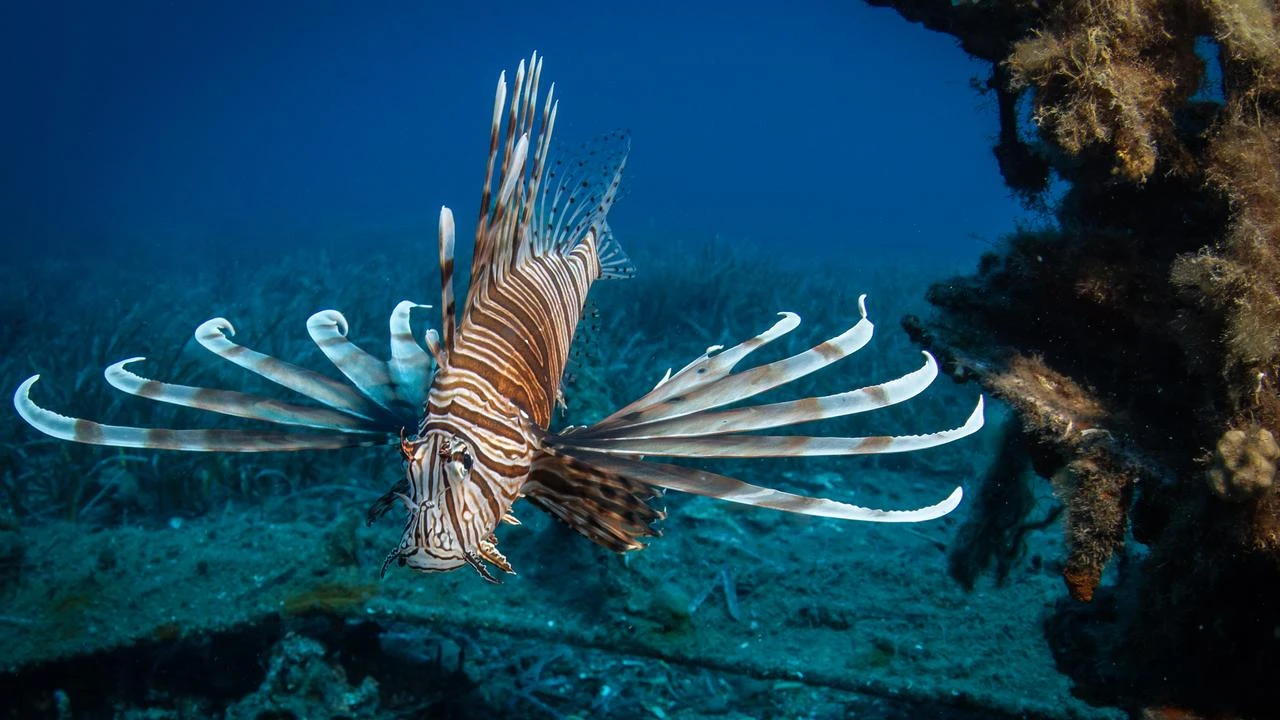
Beginner Fatmanur Pasa, who previously took part in rock climbing, said discovering colorful sea slugs and other microscopic creatures showed her that Seferihisar's underwater diversity extends far beyond its fish populations.


 Set as preferred source



 6 min read