Newsletters


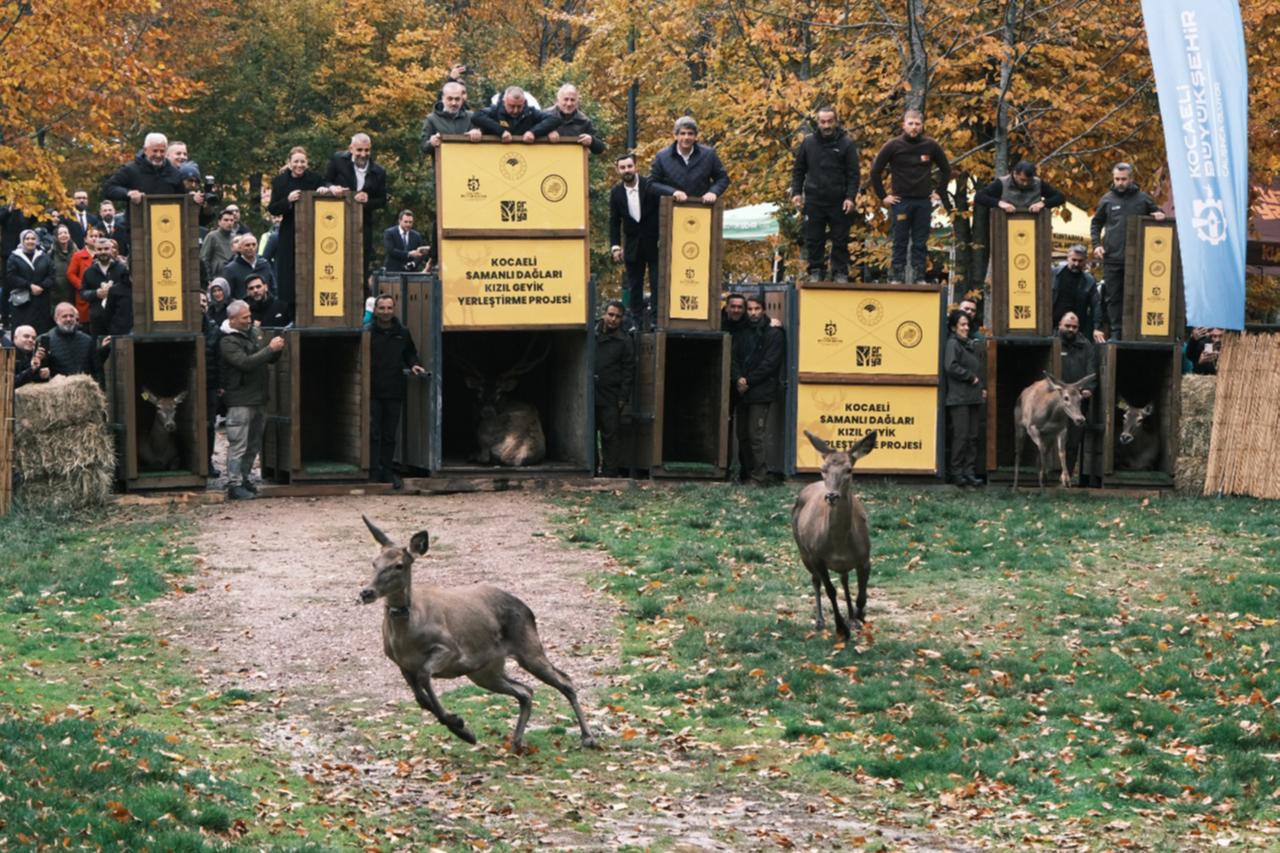


Endangered red deer are being successfully bred and reintroduced into the wild at the Bahcekoy Deer Breeding Station in Istanbul. Operated by the Ministry of Agriculture and Forestry’s Directorate of Nature Conservation and National Parks (DKMP) 1st Regional Directorate, the station spans approximately 104 hectares and has produced 286 red deer to date, of which 212 have been released into suitable habitats across Türkiye.
Bahcekoy Deer Breeding Station is recognized as Türkiye’s first dedicated wildlife breeding facility. The program began with five founder red deer (three females and two males) sourced from Ataturk Forest Farm. The station has since supplied breeding stock to other deer production centers throughout the country.
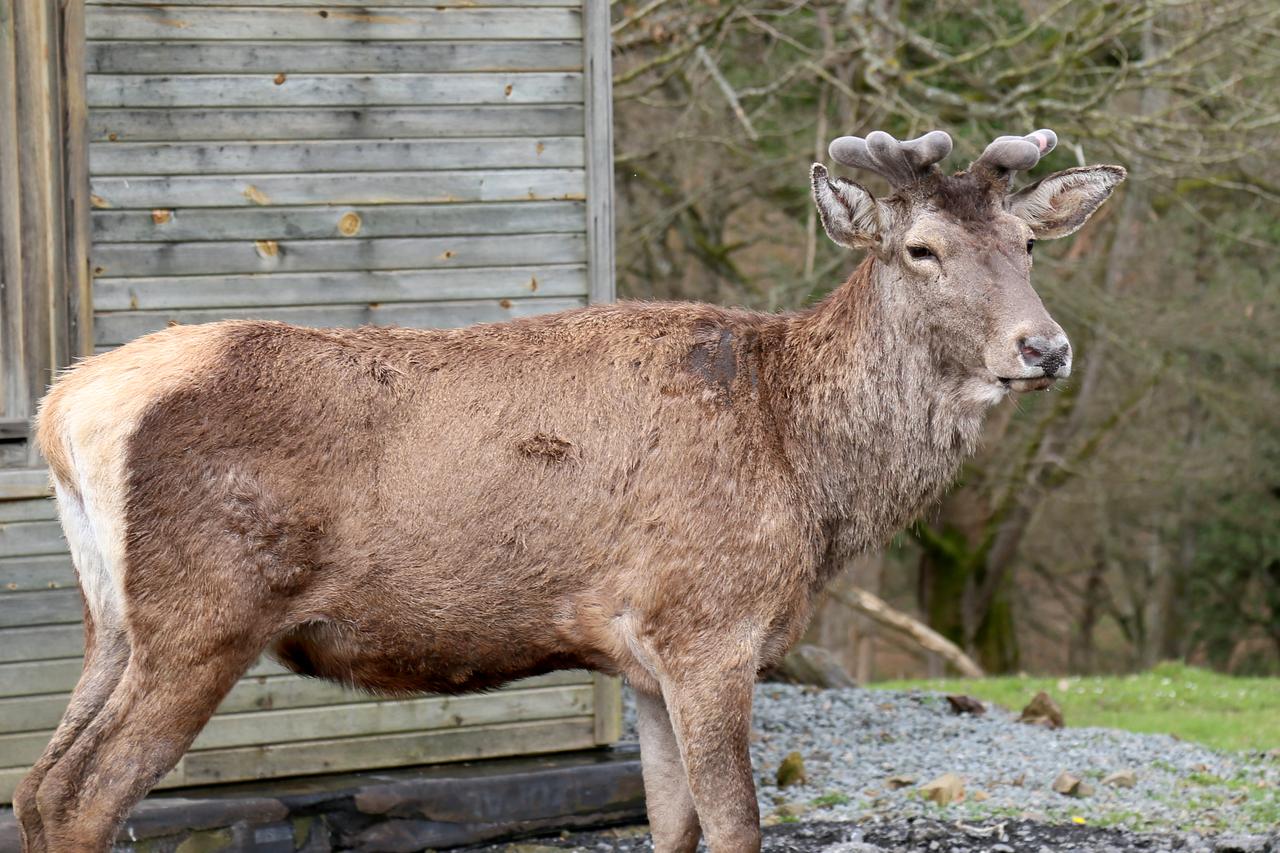
Red deer are naturally found in the Marmara, Central and Western Black Sea regions, and some forested areas of Central Anatolia. Males are distinguished by their forked antlers, while females are hornless.
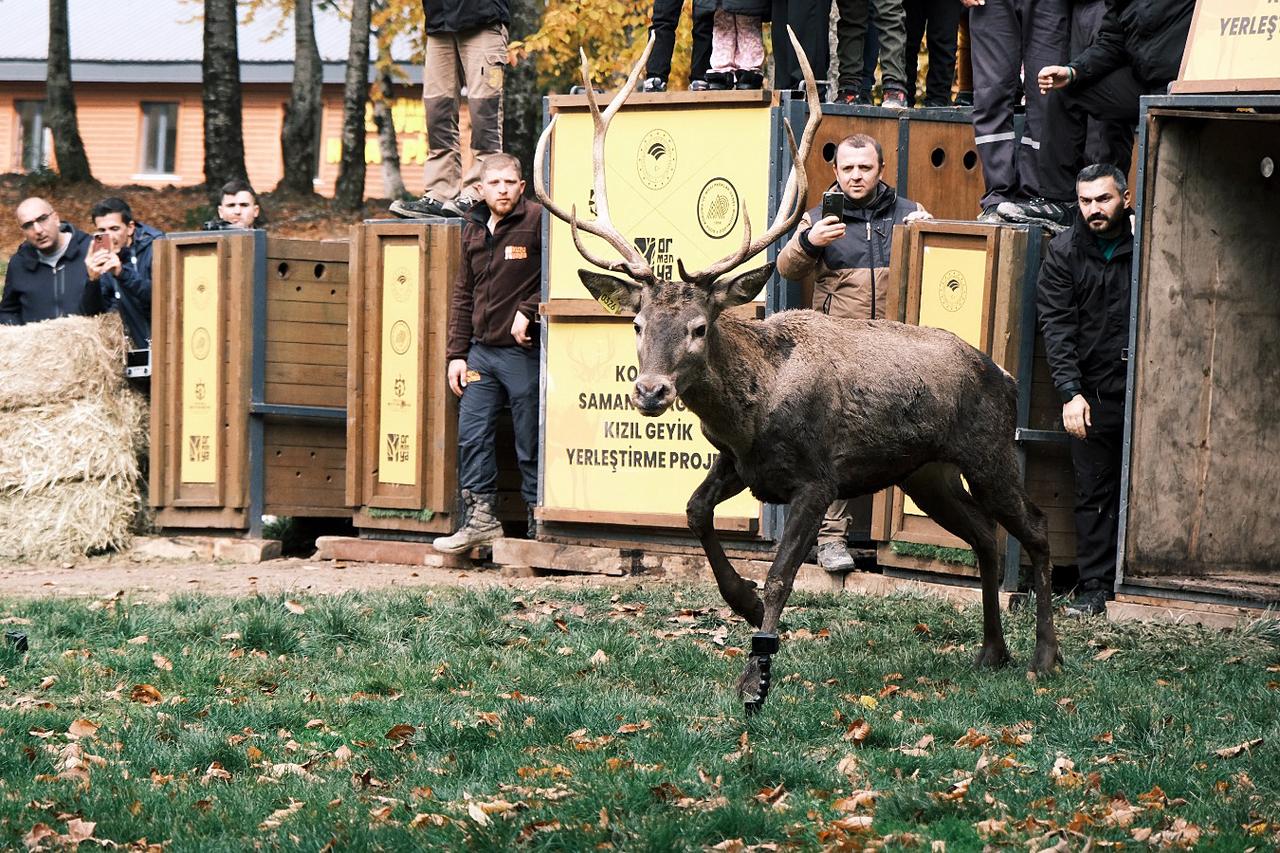

The red deer are raised in predator-free, controlled environments, with strict monitoring of age, health and genetic diversity.
The program emphasizes preserving the deer’s wild characteristics, minimizing human contact to ensure they retain natural survival instincts.
Officials note that habituation to humans could compromise survival and increase vulnerability to hunting once released.
All released deer are equipped with microchips and ear tags and select individuals are fitted with GPS tracking collars to monitor movements, habitat use, and behavior.
Data collected through these methods are intended to inform Türkiye’s Wildlife Management Plans, aimed at increasing red deer populations and restoring natural habitats.
In collaboration with DKMP and local municipalities, the Samanli Mountains Red Deer Release Project commenced in 2024.
During the first two years, a total of 30 red deer were released into the wild, with the program’s ultimate goal to increase this number to 40 individuals by the end of its three-year duration.


 Set as preferred source
 Set as preferred source


 1 min read

 1 min read