Newsletters


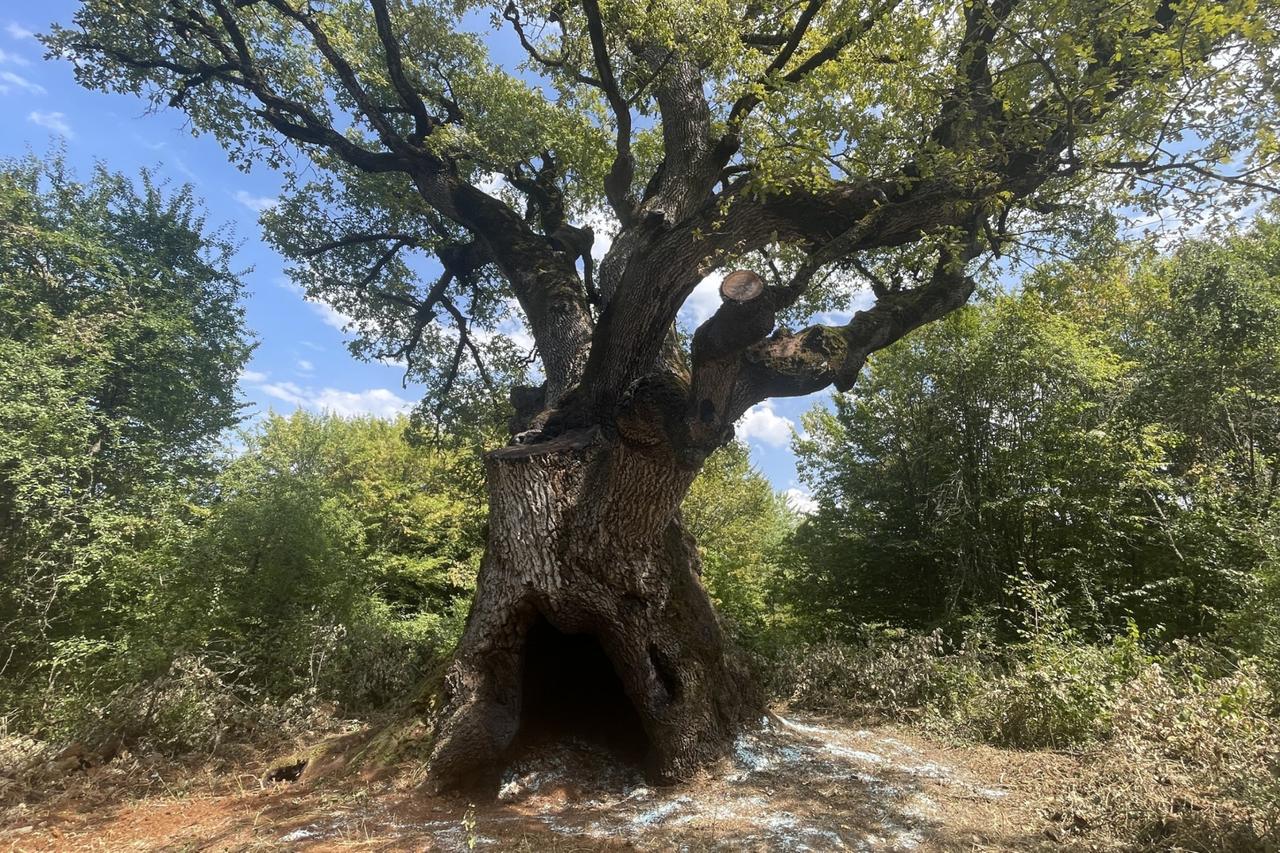


Türkiye has placed more than 10,500 monumental trees and 319 caves under formal protection, reinforcing nationwide efforts to safeguard natural heritage sites for future generations, the Ministry of Environment, Urbanization, and Climate Change has said.
Officials told Anadolu Agency (AA) that a total of 10,503 monumental trees have now been officially registered across the country, alongside 319 caves recognized as protected natural heritage sites. Once registered, these natural assets are placed under legal protection, and regular maintenance and conservation work is carried out to keep them safe and healthy.
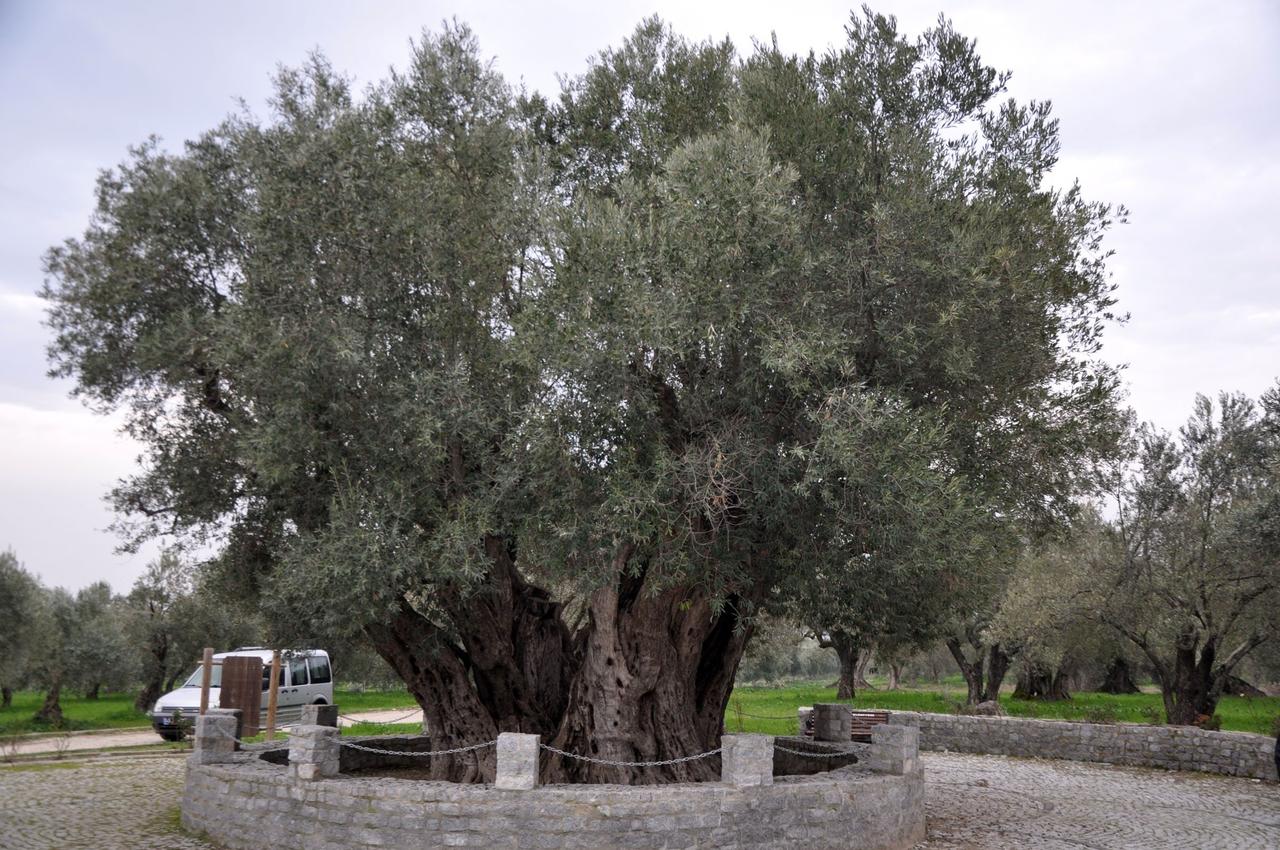

The ministry explained that monumental trees are classified according to both physical scale and cultural meaning, a distinction that may be unfamiliar to international readers.
From a dimensional perspective, a tree is considered monumental when its age, height, trunk diameter, or crown spread stand well above what is typical for its species. These trees often represent rare biological examples that have survived for centuries.
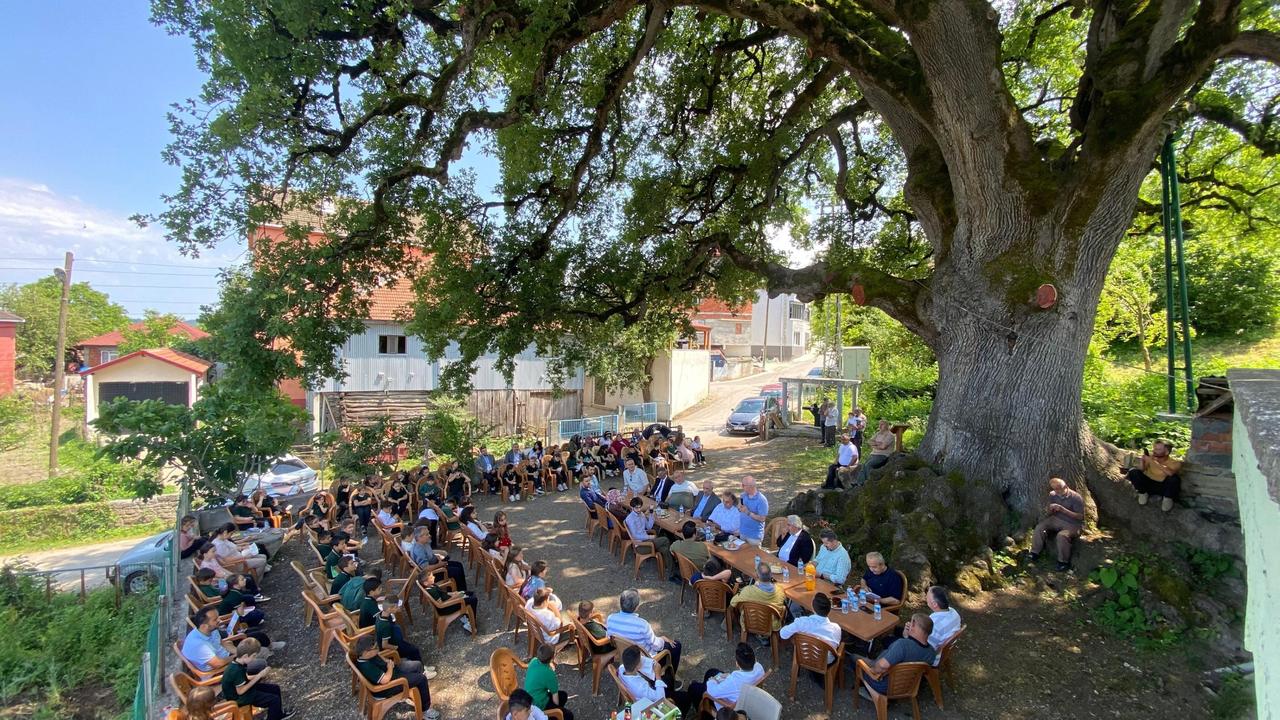
From a cultural perspective, monumental trees are grouped into historical, folkloric, and mystical categories. Officials said cultural monumental trees are those that are known for having “witnessed a historical event or figure,” are revered by local communities through religious belief, or have stood at the center of customs, traditions, or memorable events in a given region. Even periodic use for communal gatherings or ceremonies can qualify a tree for this status.
By defining these categories, the ministry aims to protect not only the physical presence of trees but also their role in social memory and local identity.
Protection does not stop with registration. According to the ministry, rehabilitation and health-boosting work begins as soon as a tree is officially listed.
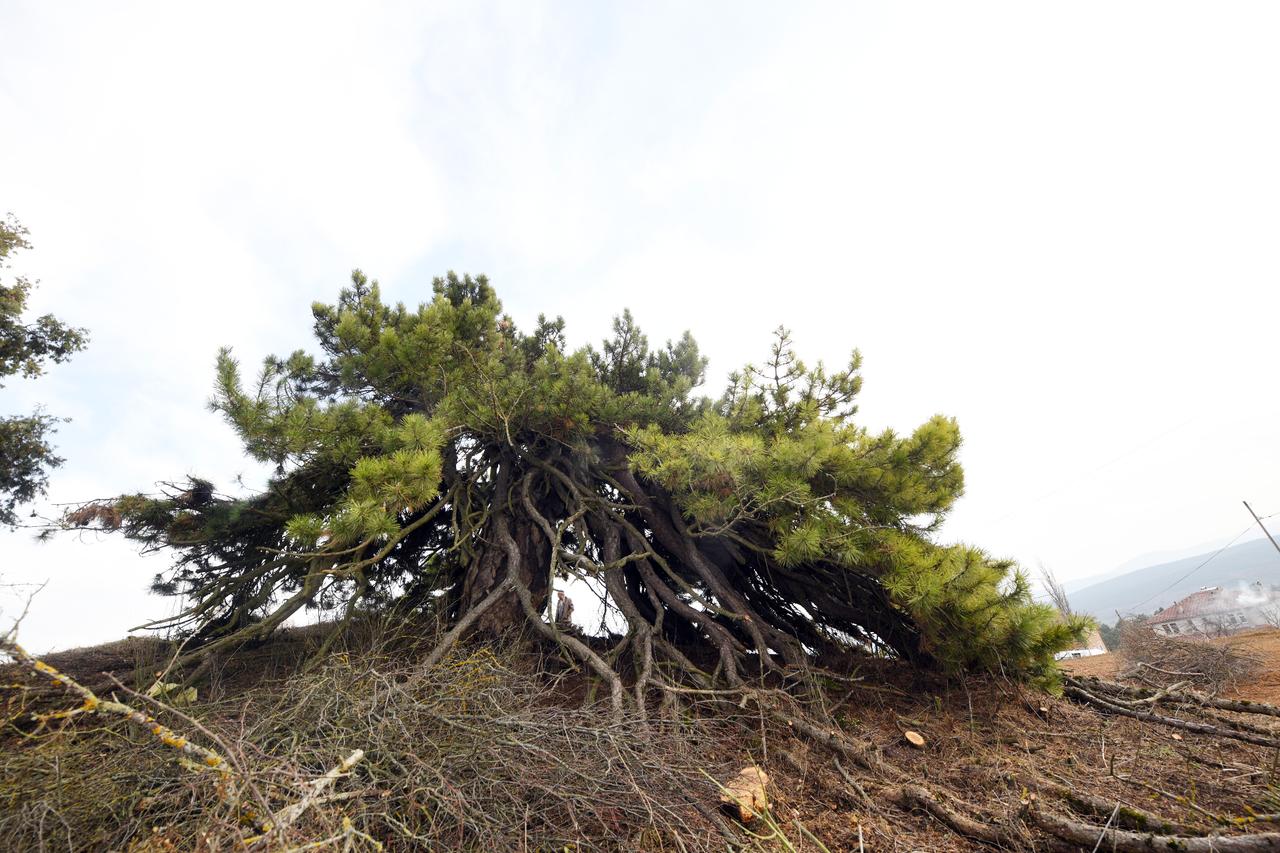
Specialist teams first clean trunks and crowns by removing mistletoe, harmful fungi, ivy, and dry or diseased branches. Foreign objects such as ropes, wires, cables, or signs that may damage the tree are also taken off. Where fungal or bacterial infections are detected, trees are disinfected after careful pruning.
To reduce stress and prevent bark from peeling during the removal of thick or dry branches, experts use staged cutting techniques. The exposed surfaces are then coated with grafting paste, which helps ward off decay and supports long-term recovery.
Attention is also paid to what lies beneath the surface. Concrete, asphalt, paving stones, and other artificial coverings around a tree’s root collar are removed without harming the roots or trunk. The soil is then restored, and long-lasting nutrients and fertilizers are applied to encourage healthy root development and improve overall resilience.
Alongside trees, Türkiye is also stepping up efforts to protect its underground landscapes. The ministry said projects are being rolled out across different regions to identify, register, and conserve caves as natural heritage sites.
These initiatives cover both well-known caves that already attract attention and lesser-known formations that had not previously received official status. As a result of this ongoing work, the total number of caves registered as protected natural heritage sites has now reached 319.
Officials indicated that the aim is to preserve caves not only as geological formations but also as fragile ecosystems and cultural landmarks that require long-term management.


 Set as preferred source
 Set as preferred source


 1 min read
 1 min read