Newsletters


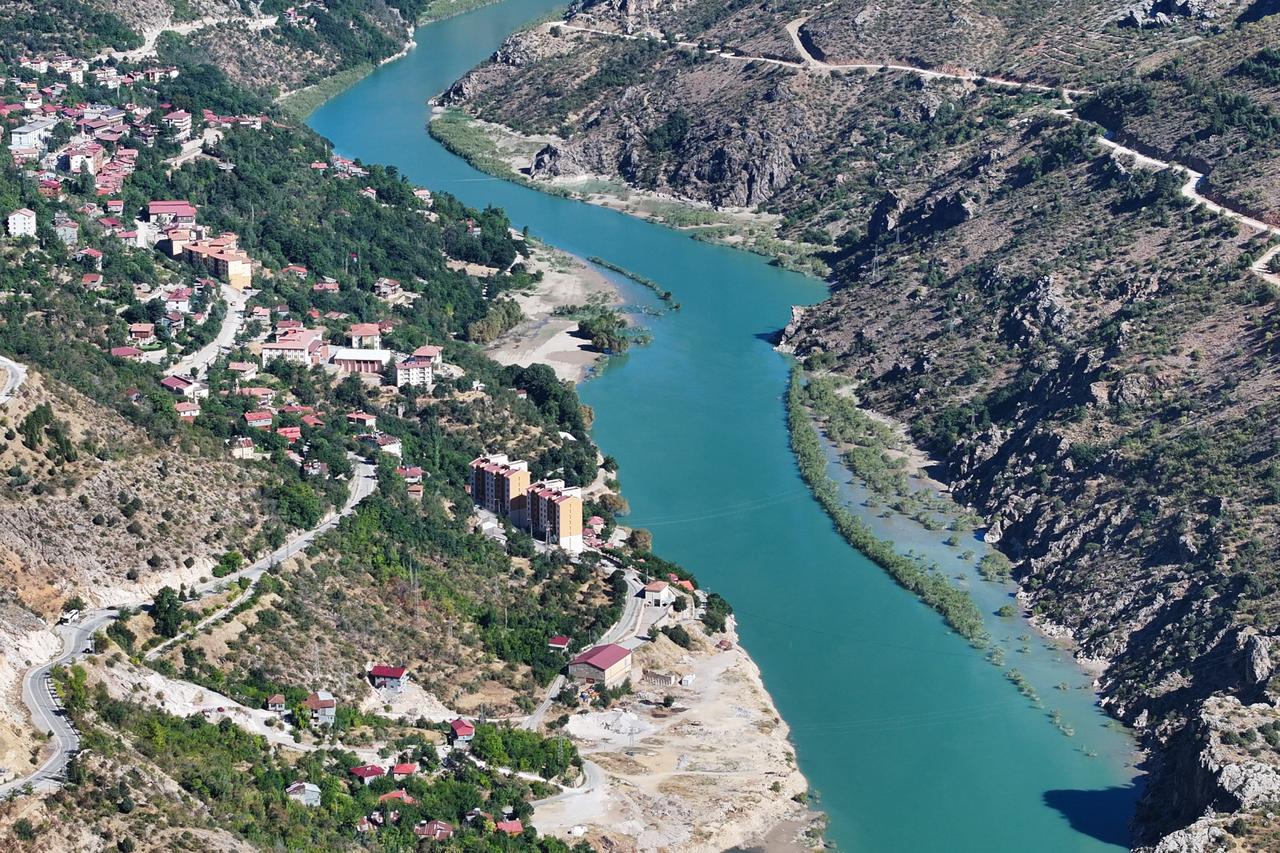


From ancient Urartian settlements and centuries-old stone roads to towering canyons, waterfalls and traditional cuisine, Erzincan in eastern Türkiye offers visitors a combination of historical landmarks, natural attractions and regional culinary traditions.
Located between the Munzur and Kesis mountains in Türkiye's Eastern Anatolia region, Erzincan has a history stretching back to the Chalcolithic, or Copper Age, and the Bronze Age. Its position along the northern branch of the ancient Silk Road helped shape a cultural heritage influenced by the Hittites, Urartians, Romans, Byzantines, Seljuks and Ottomans, among other civilizations.
Today, the province draws visitors with its archaeological remains, mountain landscapes, water resources and outdoor activities.
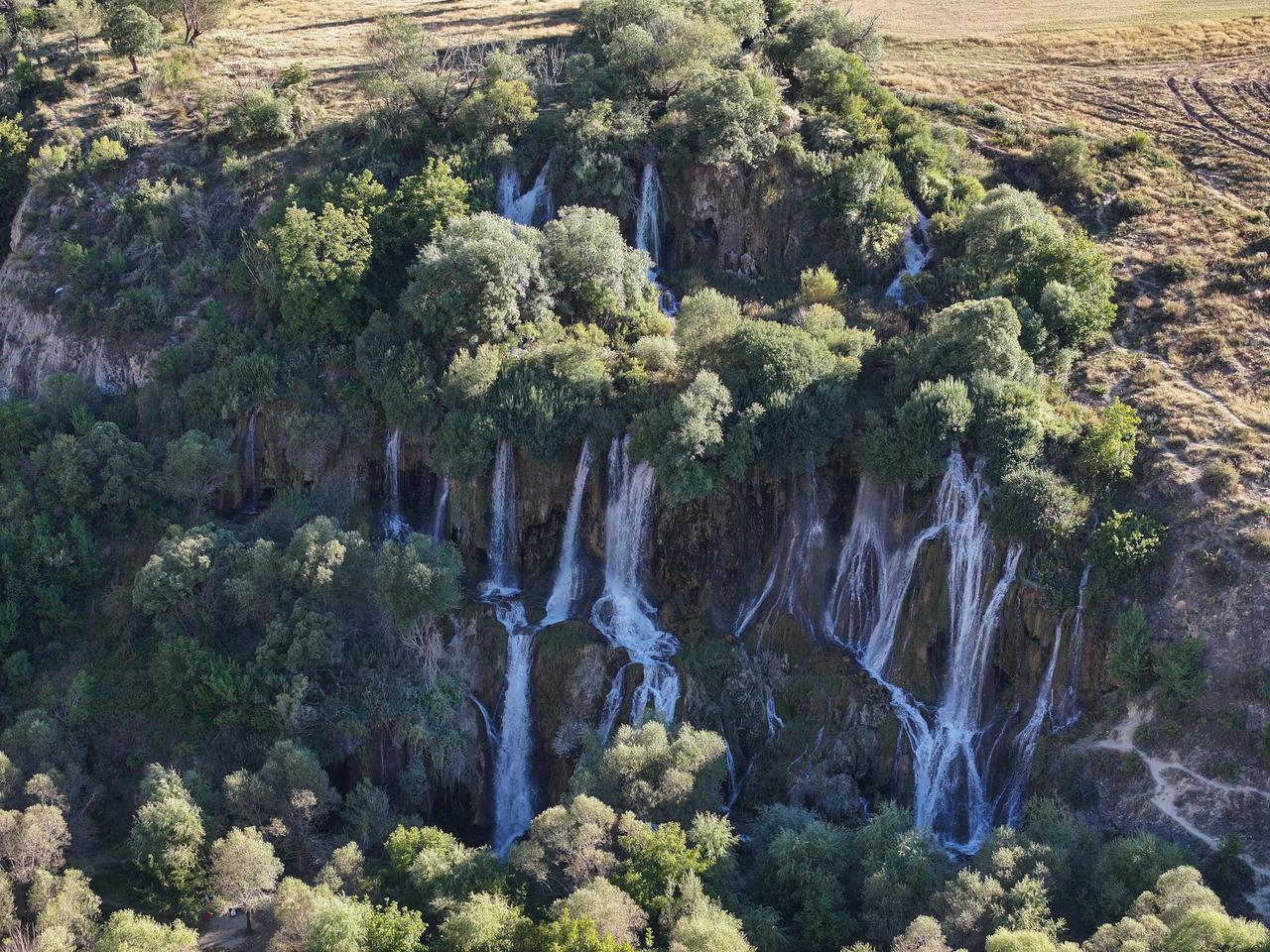

Among Erzincan's best-known natural attractions is Girlevik Waterfall, located approximately 35 kilometers (22 miles) from the city center in Caglayan. Its cascading waters flow over three tiers of rock formations, creating a cool retreat surrounded by vegetation during summer.
In winter, the waterfall freezes into large icicles, drawing ice-climbing enthusiasts.
Closer to the city, the Eksisu Wetlands and Recreation Area provides picnic facilities and access to naturally occurring mineral water known locally as Bogert. Situated about 11 kilometers from the center, the wetlands support approximately 200 bird species, while favorable air currents in the surrounding area attract paragliders.
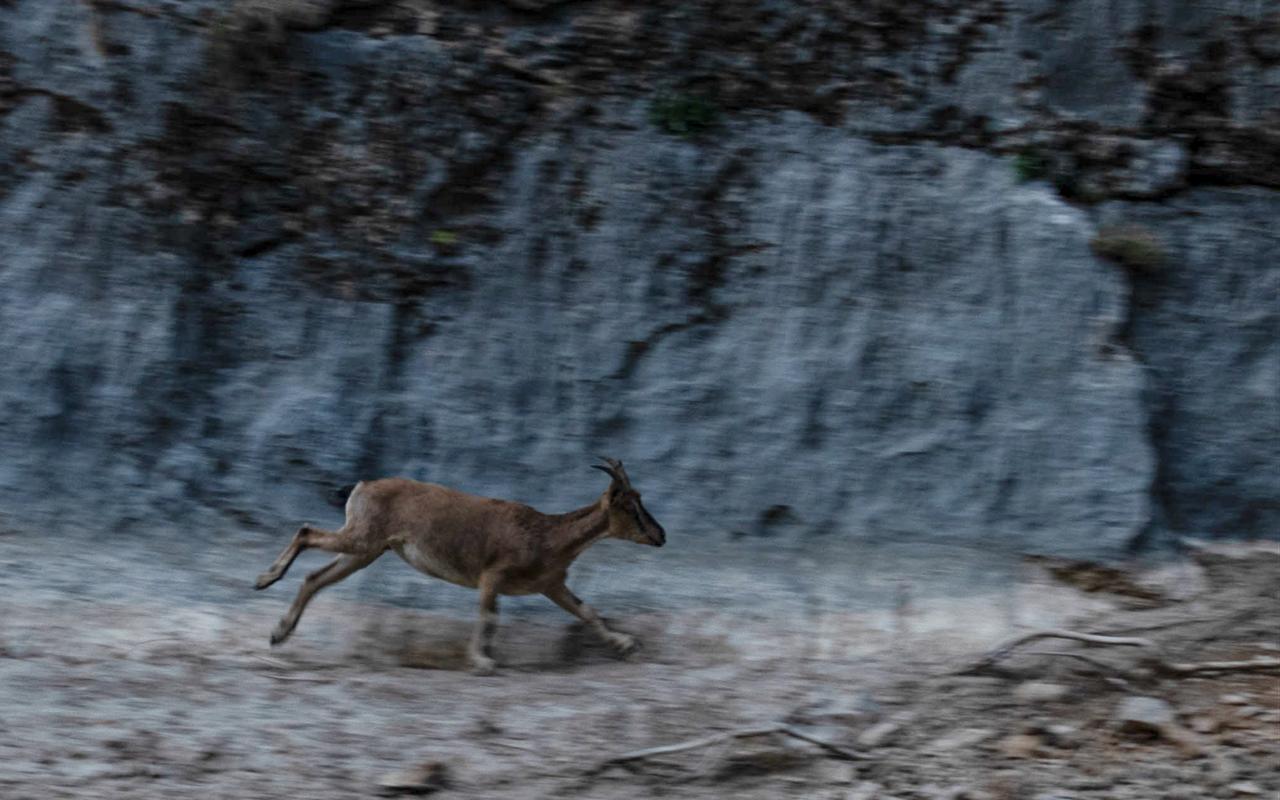
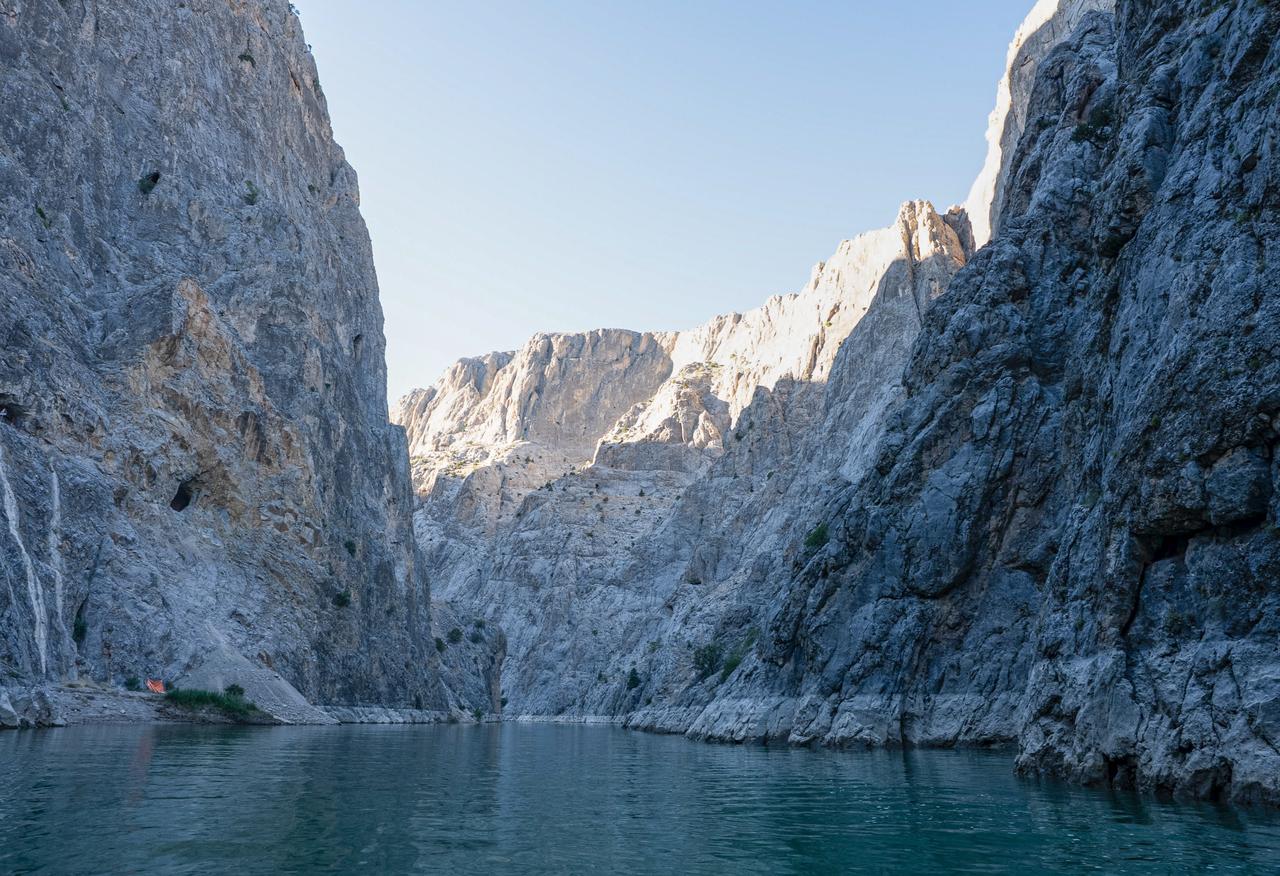
Further south, Karanlik Kanyon, or Dark Canyon, stretches through the Karasu Valley in Kemaliye district. Its towering rock walls rise between 500 and 600 meters, while some passages narrow to just 2 meters, making the area a destination for extreme sports, safari excursions and wildlife observation.
The canyon also provides a habitat for lynxes and mountain goats.
Erzincan's historical attractions include Altintepe Archaeological Site in Uzumlu district, which preserves remains from the Urartian and Byzantine periods.
Once a major western military and administrative center of the Urartian civilization, Altintepe contains a palace, reception hall, drainage system and monumental chamber tombs.
In Kemaliye, the historic Tas Yol, or Stone Road, runs for approximately eight kilometers along the Euphrates River Valley. Construction began in 1870, but the demanding route, featuring 38 tunnels and sharp bends along steep canyon slopes, was not completed until 2002.
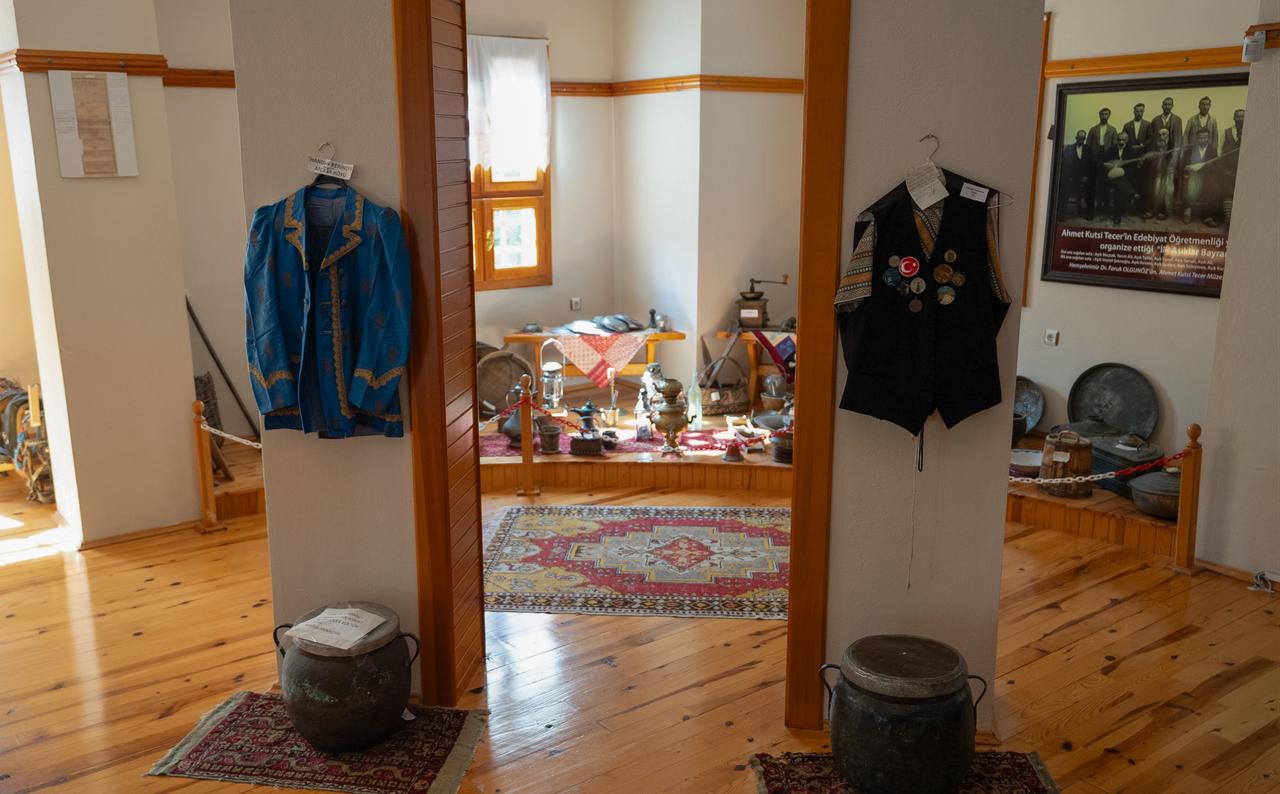
The district's historic townscape, included on UNESCO's World Heritage Tentative List, features traditional wooden and stone houses, distinctive door knockers and streets descending toward the Euphrates River, alongside mulberry groves.
Another important historical landmark is the Mama Hatun Complex in Tercan district. Built during the Saltukid dynasty in the late 12th century, the complex includes a caravanserai, or roadside inn for travelers, a bathhouse, a small mosque and a tomb distinguished by its circular architectural design.
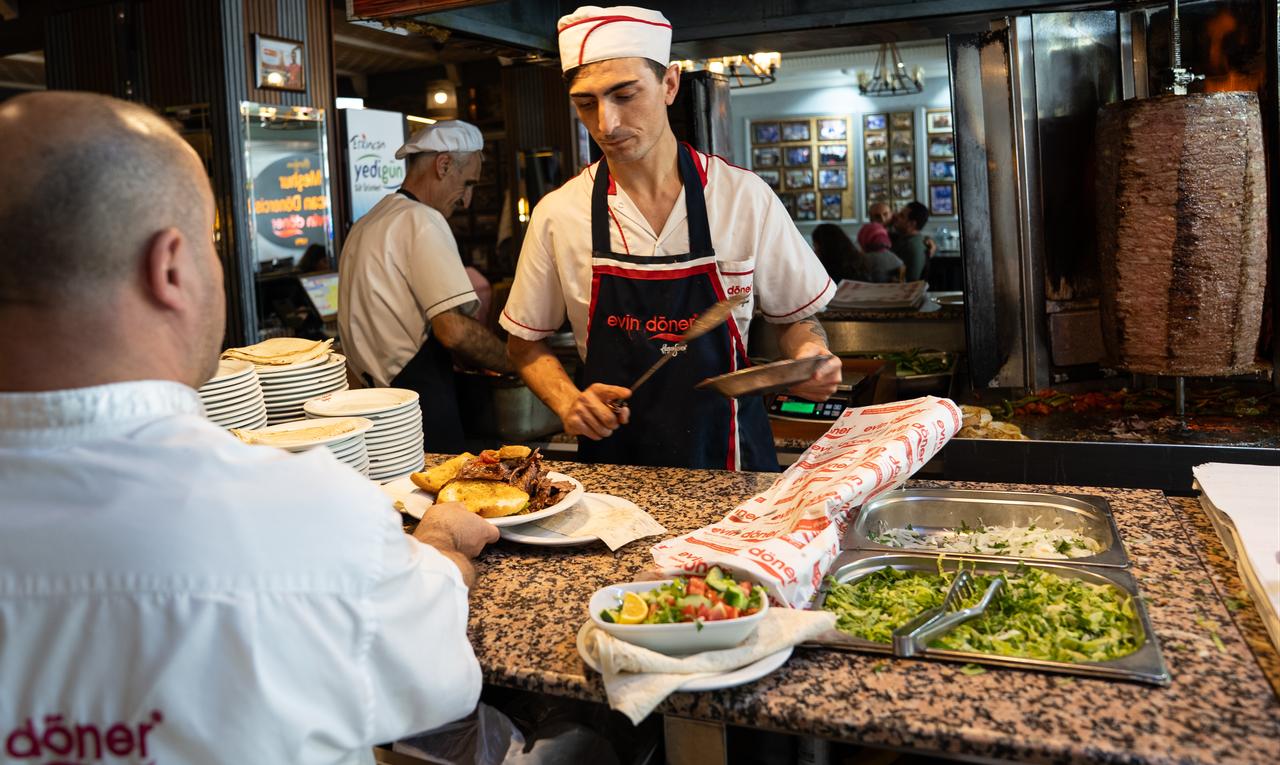
Erzincan's cuisine draws on livestock farming, highland pastures and locally grown produce, with several specialties reflecting longstanding regional food practices.
Among the best-known products is Erzincan tulum cheese, a geographically protected sheep's milk cheese traditionally aged in animal skins. Erzincan doner, prepared using meat from animals raised on high-altitude pastures, is another regional specialty.
Local baked goods include geli, also called kete, a layered pastry filled with toasted flour and butter, while Kemaliye's traditional desserts include lok, made with dried mulberries and walnuts, and gasefe, prepared with dried apricots sauteed in butter.
Another distinctive dish, babikko, combines crumbled pieces of baked unleavened dough with garlic-flavored strained yogurt and melted butter.
The region is also known for Cimin grapes, grown in Uzumlu district. Recognized with a geographical indication, these grapes stand out for their thin skins, large berries and slightly tart flavor.


 Set as preferred source
 Set as preferred source



 1 min read