Newsletters


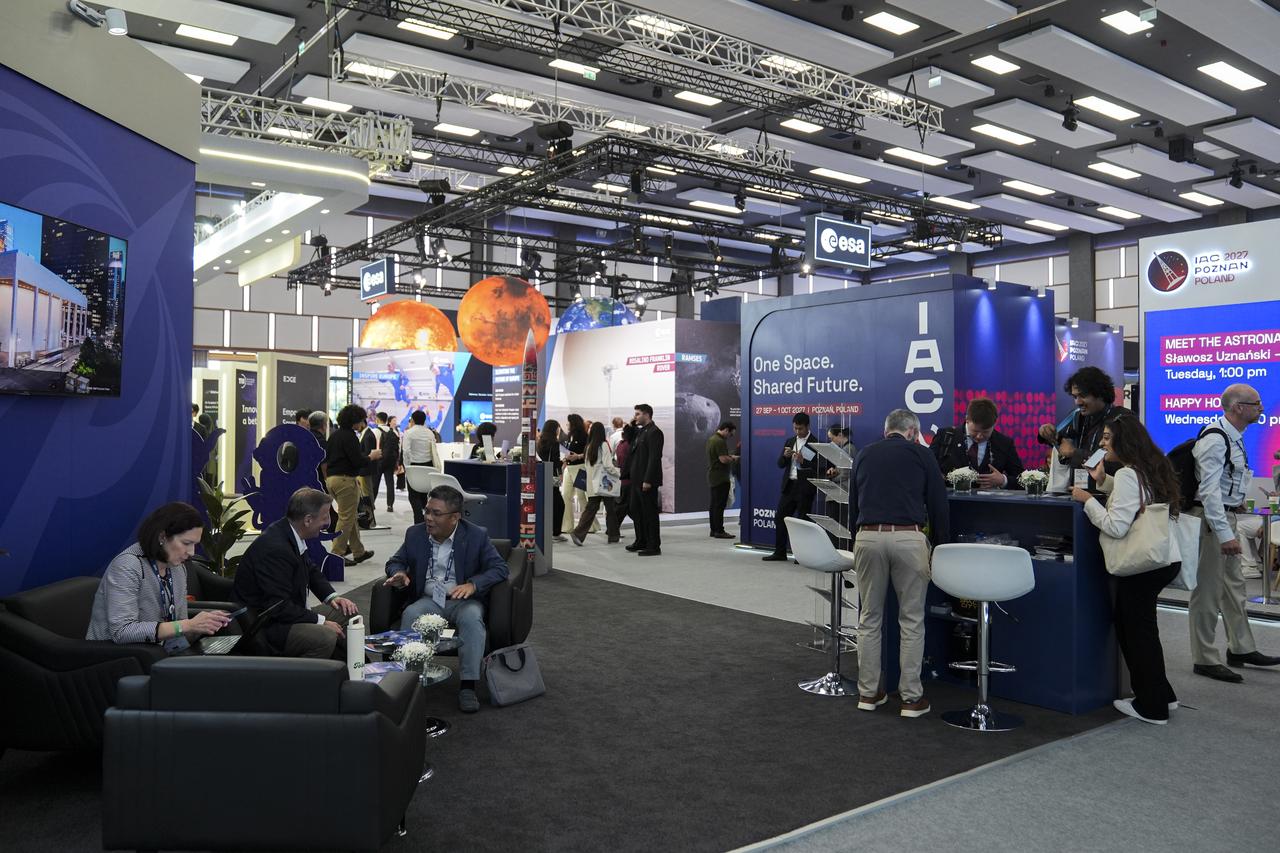


European Space Agency Director General Josef Aschbacher said the deployment of weapons in space must be monitored “very closely,” while signaling that the ESA remains open to negotiating a new cooperation agreement with Türkiye.
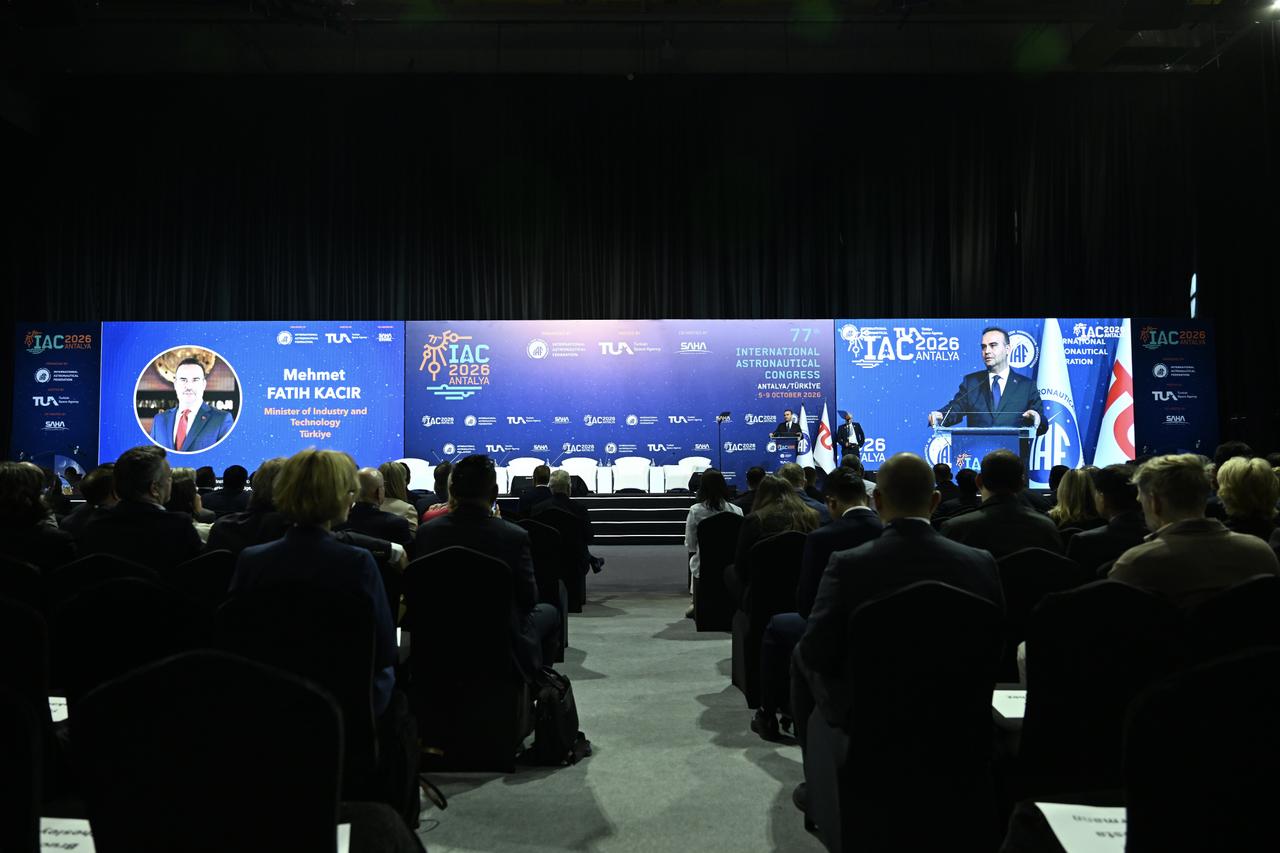
Speaking to Turkish state-run Anadolu Agency at the 77th International Astronautical Congress in Antalya, Aschbacher said Europe was not deploying weapons in space, at least through ESA, but described recent developments as a matter of concern.
“Europe is not deploying weapons in space; at least ESA is not doing so. Nevertheless, this is certainly a situation that we need to monitor very closely,” he said.
The congress, organized by the International Astronautical Federation, is being held at the NEST Congress Center under the coordination of Türkiye’s Industry and Technology Ministry and jointly hosted by the Turkish Space Agency and SAHA Istanbul.
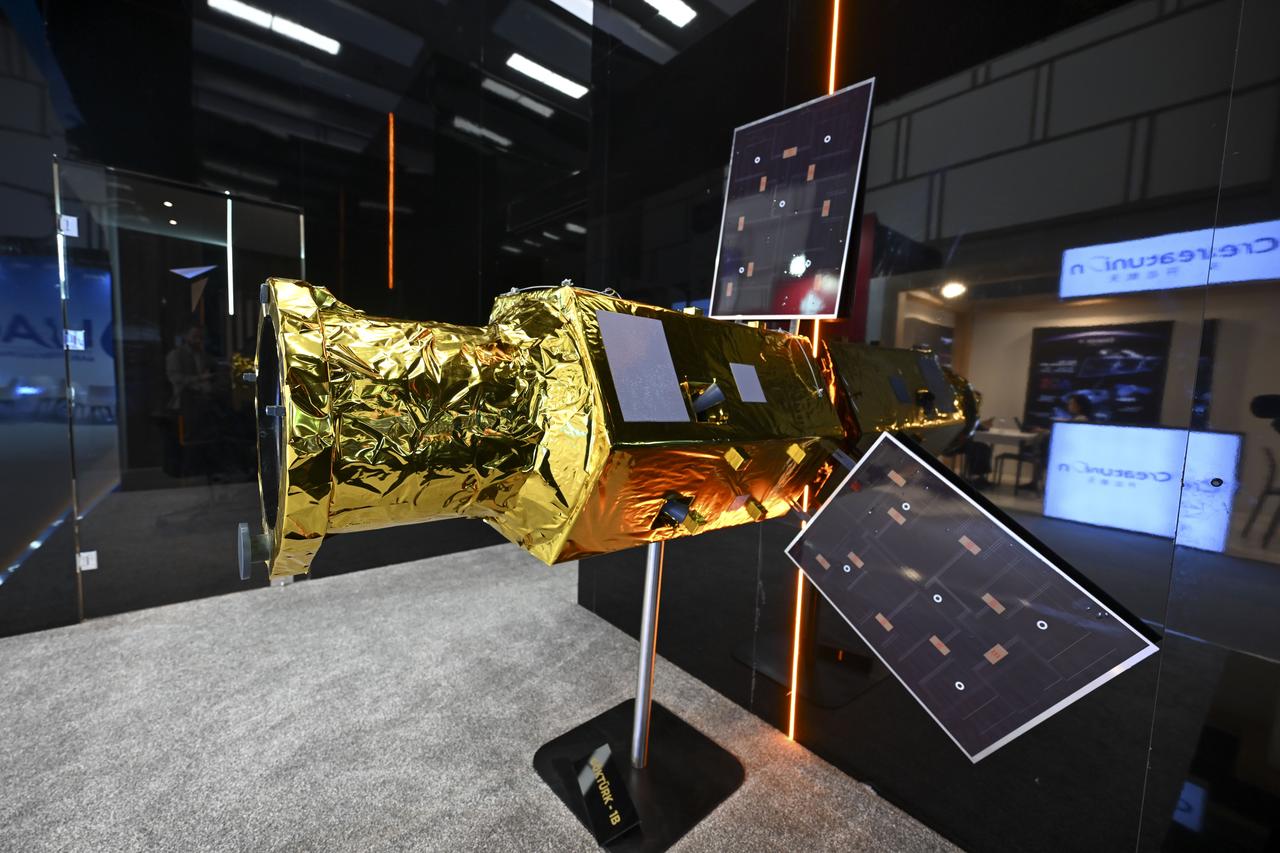

Aschbacher said Europe had recently increased efforts to strengthen its position in space alongside other major space powers.
ESA’s funding for its latest three-year period increased by 32% to €22.3 billion, he said, describing the figure as a major commitment from member states.
The funding is supporting new projects in Earth observation, navigation, communications, astronaut activities, rockets and space stations.
Aschbacher said Europe was moving quickly in the global space race and already operated leading programs such as Copernicus and Galileo, despite having a smaller budget than the U.S.
He added that Europe was working to close gaps in areas including launch vehicles and space-based broadband internet.
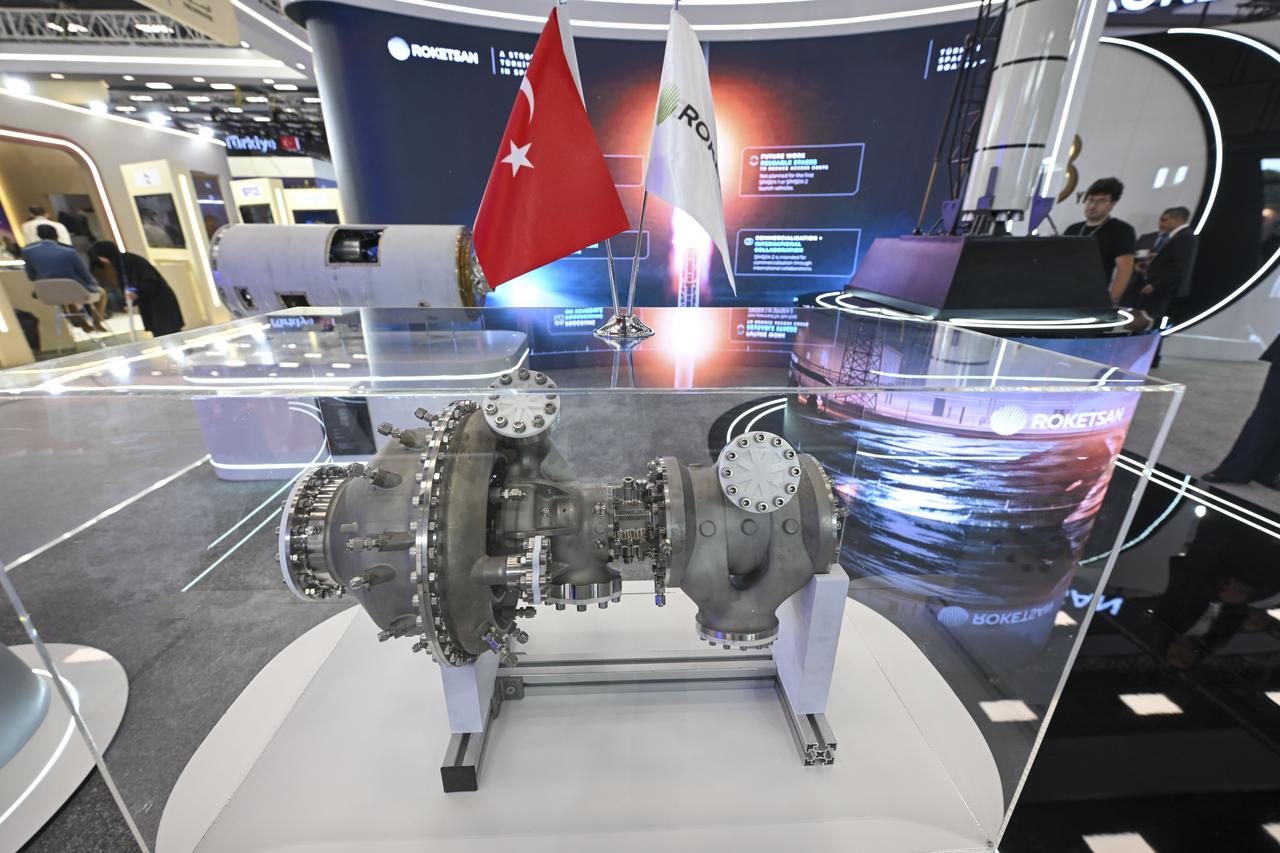
Asked about the U.S. acknowledgment that it has weapons in space, Aschbacher said the presence of such weapons was concerning.
He distinguished between possessing weapons and actually using them, saying the latter would create far greater risks.
“If weapons were used in space, it is very clear that entire orbits, or the satellites in those orbits, could be destroyed,” he said.
Aschbacher said countries must be able to protect their own satellites but stressed that the issue required close attention.
He said he did not expect a war in space because any conflict that destroyed satellites could also damage the attacker’s own assets.
“I think this is actually more of a message saying, ‘Look, we have power in space,’” he said. “But today I do not believe that these weapons will actually be used in space.”
Aschbacher said ESA was also discussing with member states how Europe would maintain access to low Earth orbit after the International Space Station ends operations in 2030.
Member states have authorized him to prepare options for guaranteeing European access to space not only for satellites but also for astronauts, he said.
Aschbacher said he was preparing proposals for a ministerial meeting in Rome in December.
“I do not want to prejudge the outcome, but yes, this will be a decision we will take before the end of this year,” he said.
He also said ESA already makes significant use of artificial intelligence in space activities and expects that use to increase rapidly in the coming years.
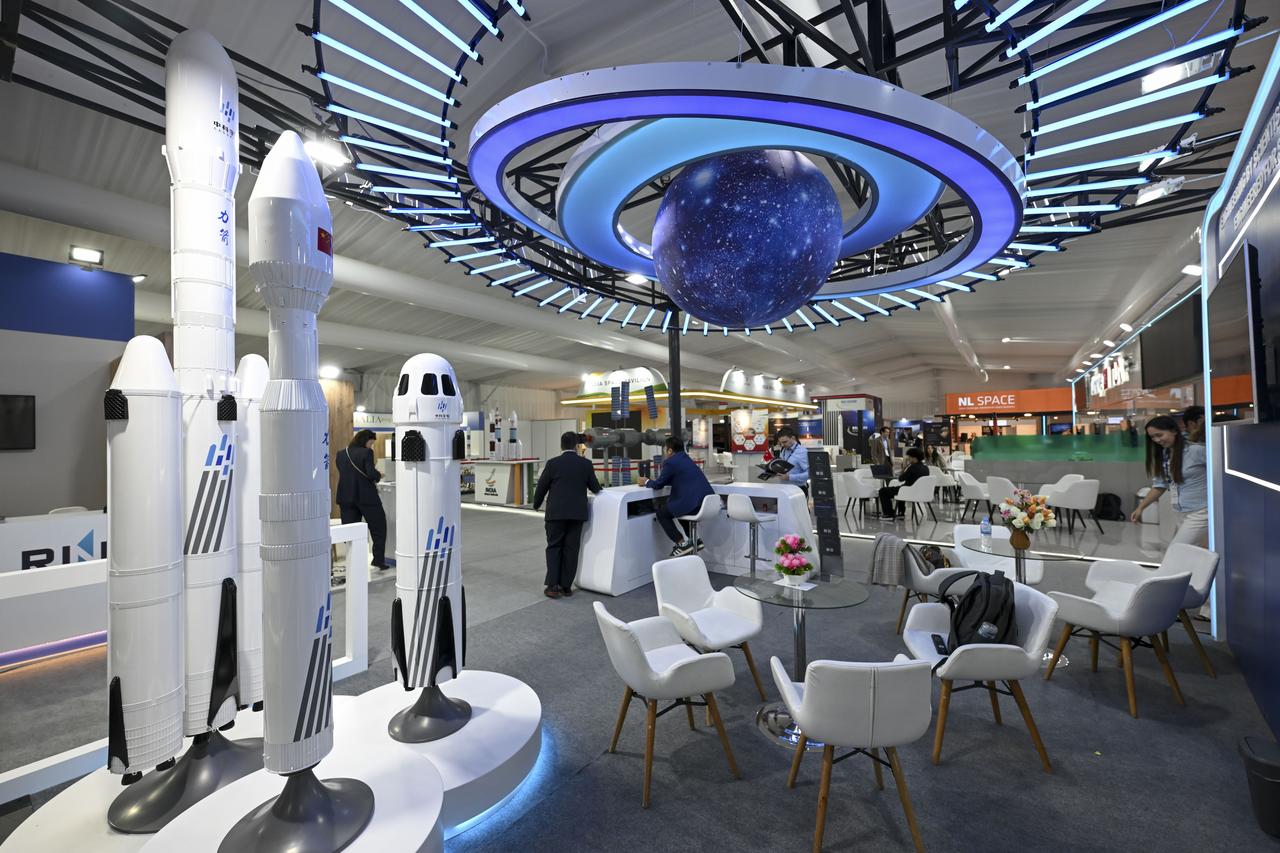
Turning to cooperation with Türkiye, Aschbacher said he could speak only for ESA rather than the European Union’s space program.
He said ESA previously had a cooperation agreement with Türkiye, but that agreement had expired.
“If there are to be new activities, we will need to negotiate a new agreement,” he said.
Aschbacher stressed that ESA remains open to partnerships with countries and described Türkiye as a rapidly developing and important country.
“ESA is always very open to partnerships with countries, and Türkiye is one of them,” he said.
Aschbacher said he had personally seen Türkiye’s commitment to space and its ambitious goals.
He added that space activities are important for daily life and citizens and said he was pleased that Türkiye had set major objectives in the field.


 Set as preferred source
 Set as preferred source


 1 min read
 1 min read