Newsletters


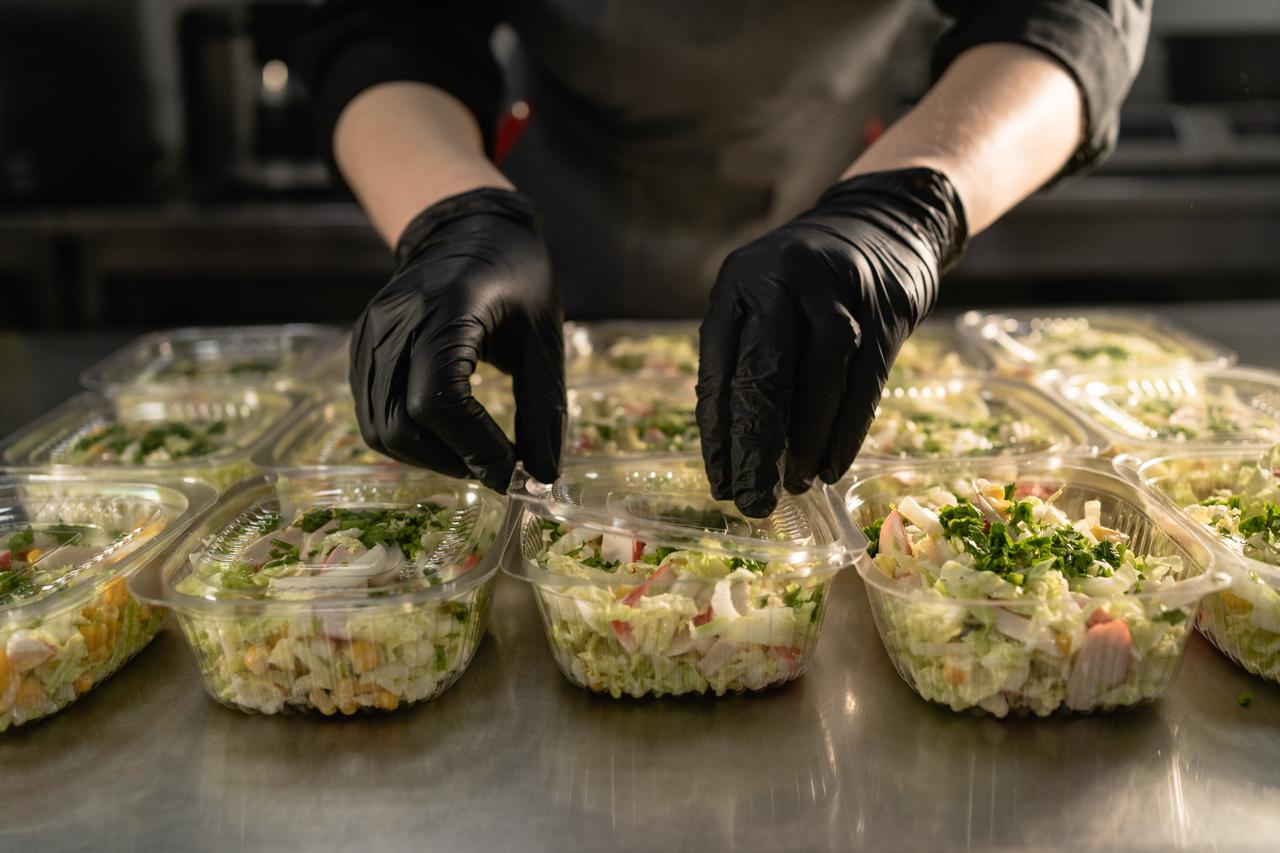


Starting August 12, restaurants in the European Union must stop giving single-use condiment sachets, such as ketchup, mayonnaise, and soy sauce packets, to customers who are dining in. This change highlights new packaging rules aimed at reducing plastic waste.
This rule is part of the EU's Packaging and Packaging Waste Regulation (PPWR), which became law in February 2025 and will start to apply across member states this summer.
Restaurants serving customers on-site must use alternatives to disposable condiment packets, such as refillable dispensers, reusable containers, or table-service bottles.
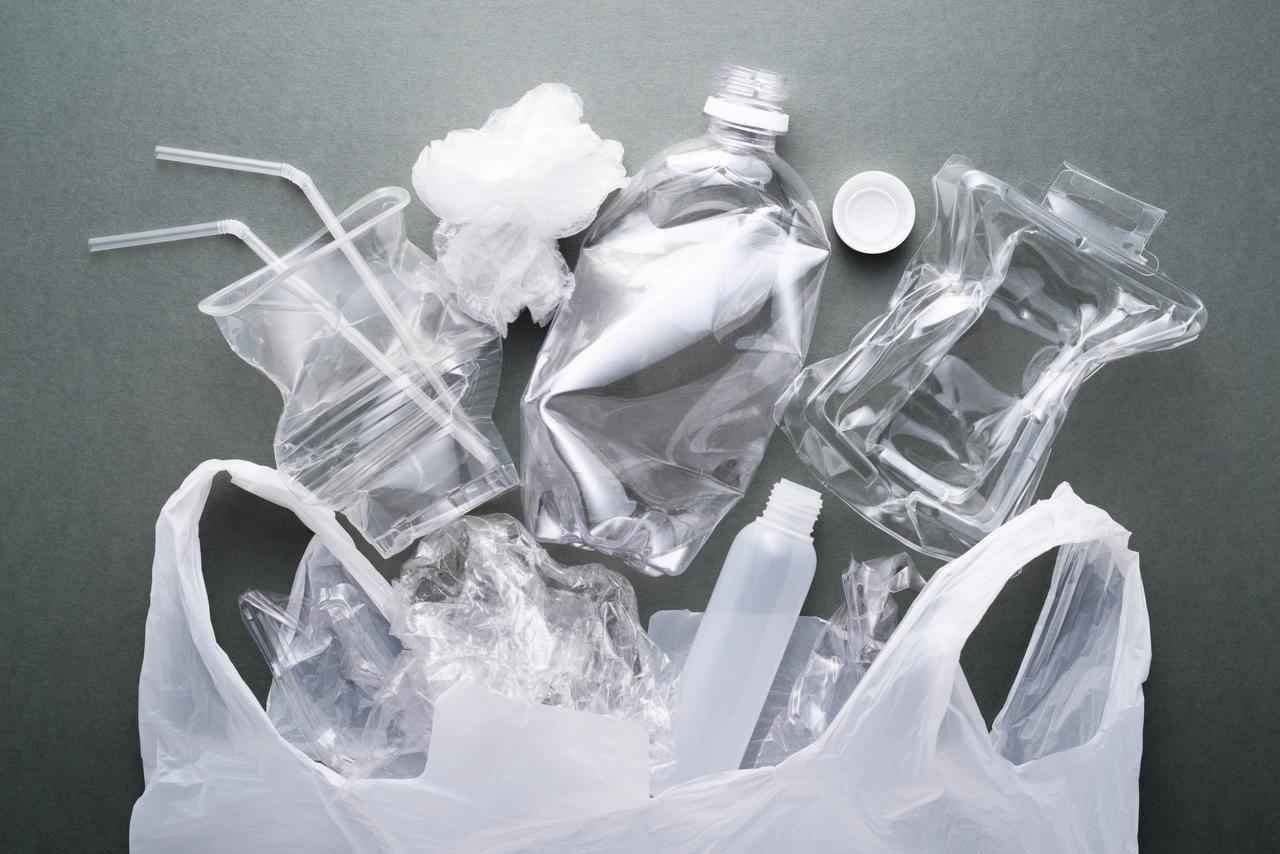

According to the EU, these rules aim to reduce packaging waste and help move toward a circular economy.
Packaging makes up about 40% of plastic use in the EU, and in 2022, each person in Europe produced an average of 186.5 kilograms of packaging waste. The EU wants to reduce packaging waste per person by 15% between 2026 and 2040.
The new rules cover many types of single-use plastic packaging, including small packets of sauces and condiments that are often given out at restaurants and fast-food places.
The ban does not affect takeaway meals or supermarket products. Single-use condiment packets will still be available for takeout orders and in stores. Health care facilities are also exempt from following the new rules.

Restaurant owners in the EU are expected to adjust how they serve customers before the rules take effect in August.
The EU says that practical alternatives are already readily available and has shared guidance to help businesses comply with the new rules.
The rules on condiment sachets are just one part of the EU’s wider push to cut packaging waste. Starting in 2030, more single-use packaging items, like the small shampoo and soap bottles found in hotels, are also expected to be phased out under the same regulation.
The commission will review how well these measures are working in 2032.
EU officials say earlier efforts to reduce plastic waste have already made a difference, noting a reported 30% drop in plastic litter on European beaches.


 Set as preferred source
 Set as preferred source




 6 min read