Sign in
 Newsletters


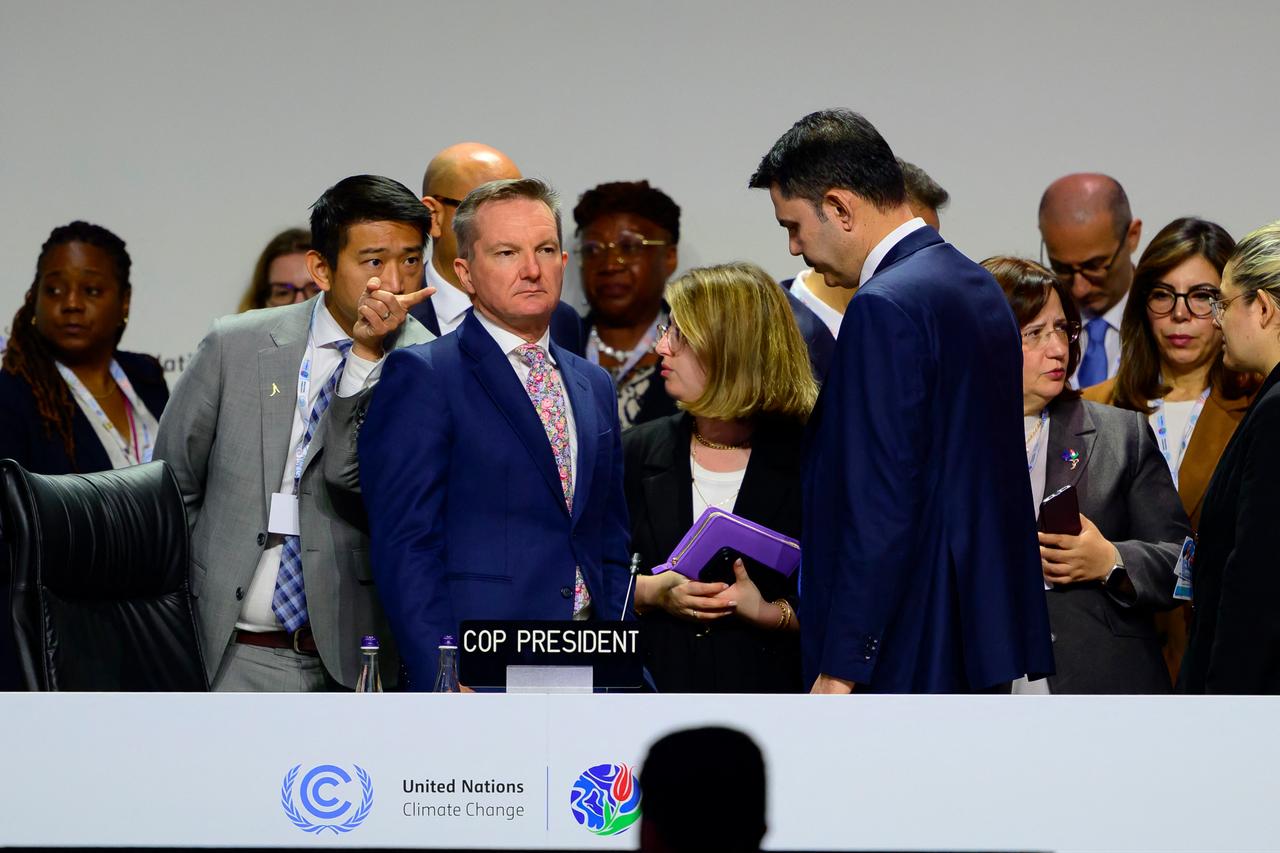


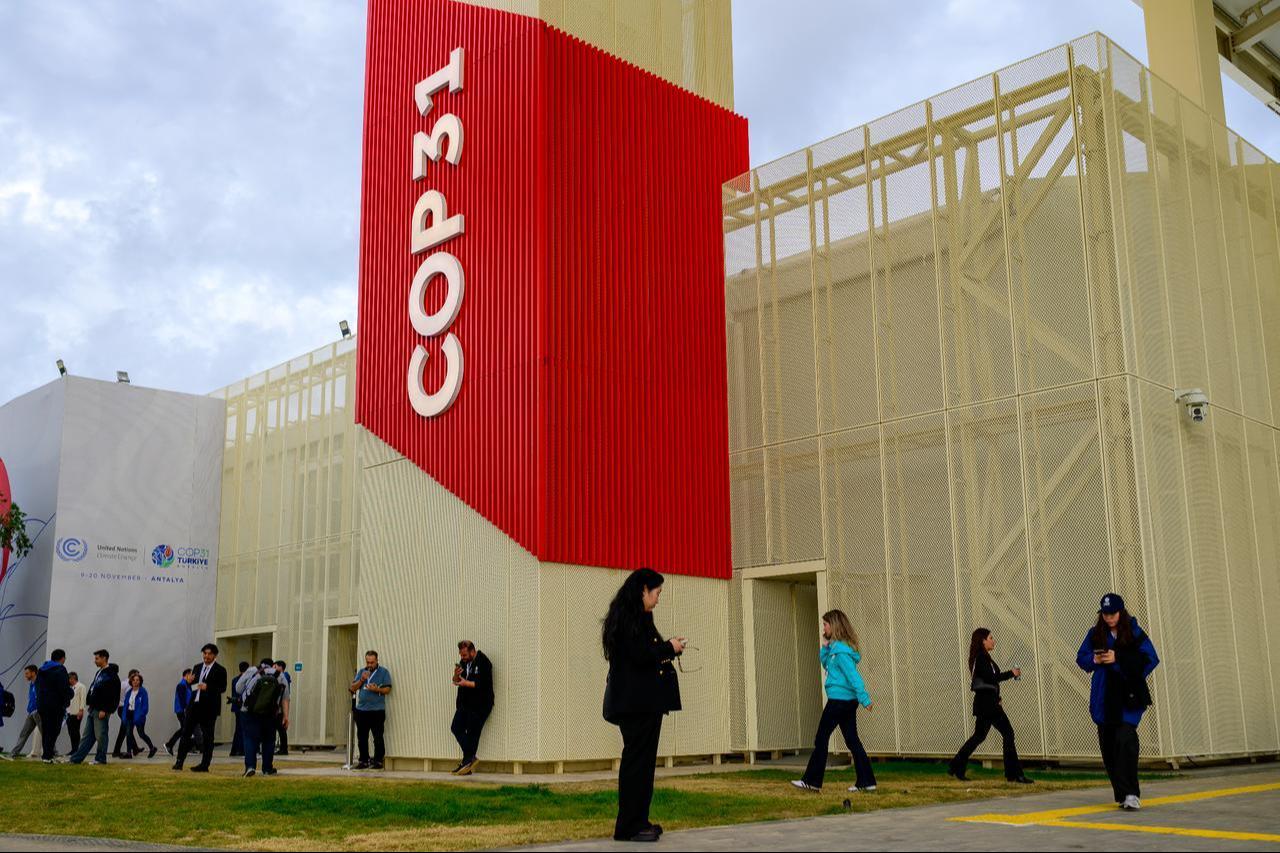
The European Union on Sunday rejected a proposed COP31 climate agreement in Antalya, Türkiye, because it failed to mention fossil fuels, casting further doubt on whether nearly 200 countries could reach a consensus after negotiations extended a record 44 hours beyond the summit's scheduled conclusion.
Ireland's Climate and Energy Minister Darragh O'Brien, whose country holds the rotating EU presidency, said the bloc and its member states would object to adopting the proposed agreement, known as the Antalya Pact.
"We will not endorse a cover decision, or an Antalya Pact, that does not even mention fossil fuels, which is the key driver of climate change," O'Brien told the summit's closing session.
He said the draft lacked the ambition needed to address the climate crisis and warned that the chances of reaching an agreement were diminishing "by the hour."

O'Brien criticized the proposed agreement for excluding explicit references to coal, oil and gas, despite their central role in the climate negotiations.
He said the draft "does not meet the moment" and expressed disappointment with its lack of climate ambition.
"We will not accept negotiating backward in time. And we will not accept a COP that greenwashes fossil fuel," O'Brien said.
Panama, which had previously threatened to withdraw from the negotiations, also formally objected to the proposed agreement.
The draft requires consensus approval from nearly 200 participating countries, but objections from the EU and other nations have complicated efforts to reach a final deal.
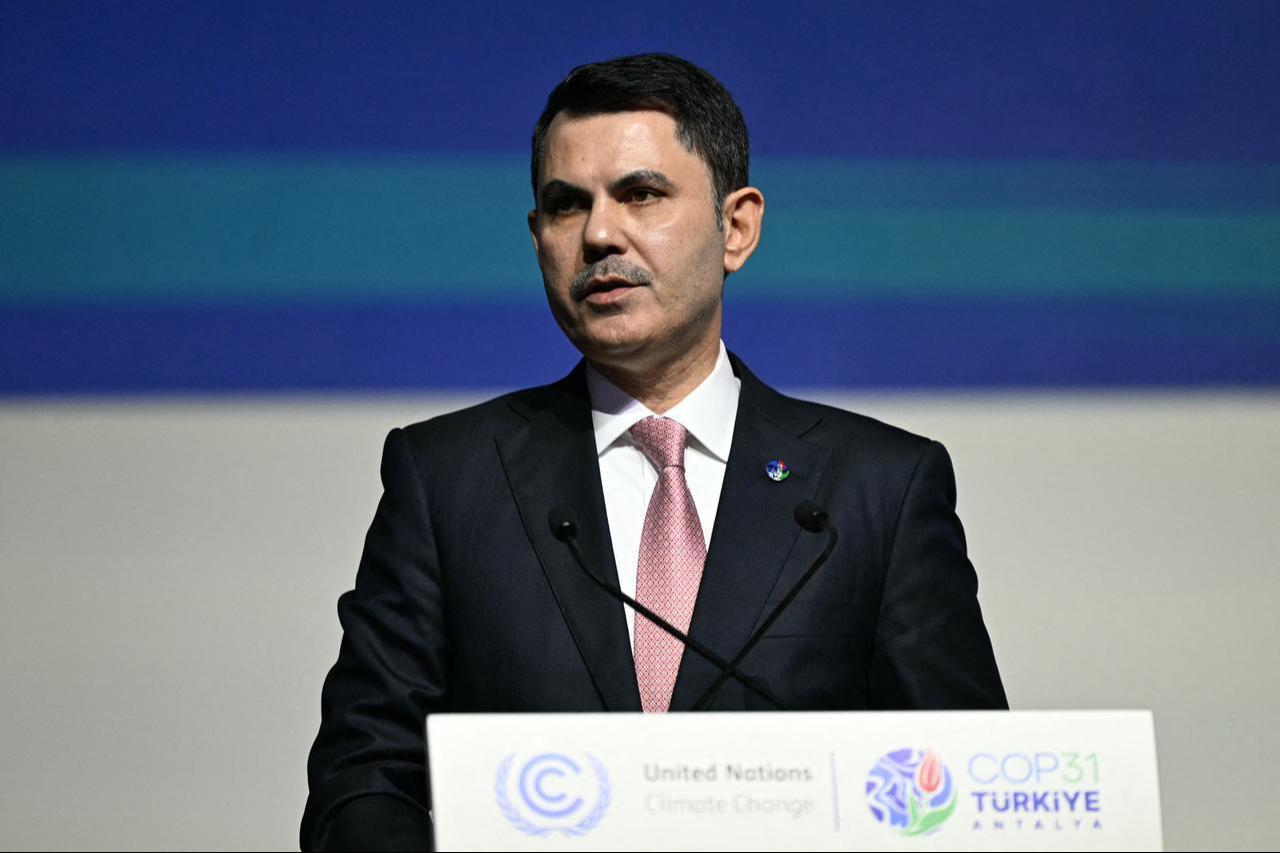
Before the closing session, COP31 President and Türkiye's Environment Minister Murat Kurum called on participating countries to find common ground after nearly two weeks of negotiations ended in a deadlock.
"We had negotiations and we listened to everyone patiently," Kurum told the final plenary.
"We wanted to give a good message to the rest of the world," he added.
The final session was marked by disagreement as countries struggled to resolve their differences over fossil fuel commitments.
The dispute over fossil fuels has become a central obstacle at COP31, with negotiations taking place amid rising energy prices and geopolitical tensions linked to the war in Iran.
Several countries have expressed frustration over the proposed agreement's failure to explicitly address fossil fuels.
With the EU and Panama formally opposing the draft, the summit remained without a consensus agreement as negotiations continued beyond their scheduled conclusion.


 Set as preferred source
 Set as preferred source


 1 min read

 1 min read