Sign in
 Newsletters


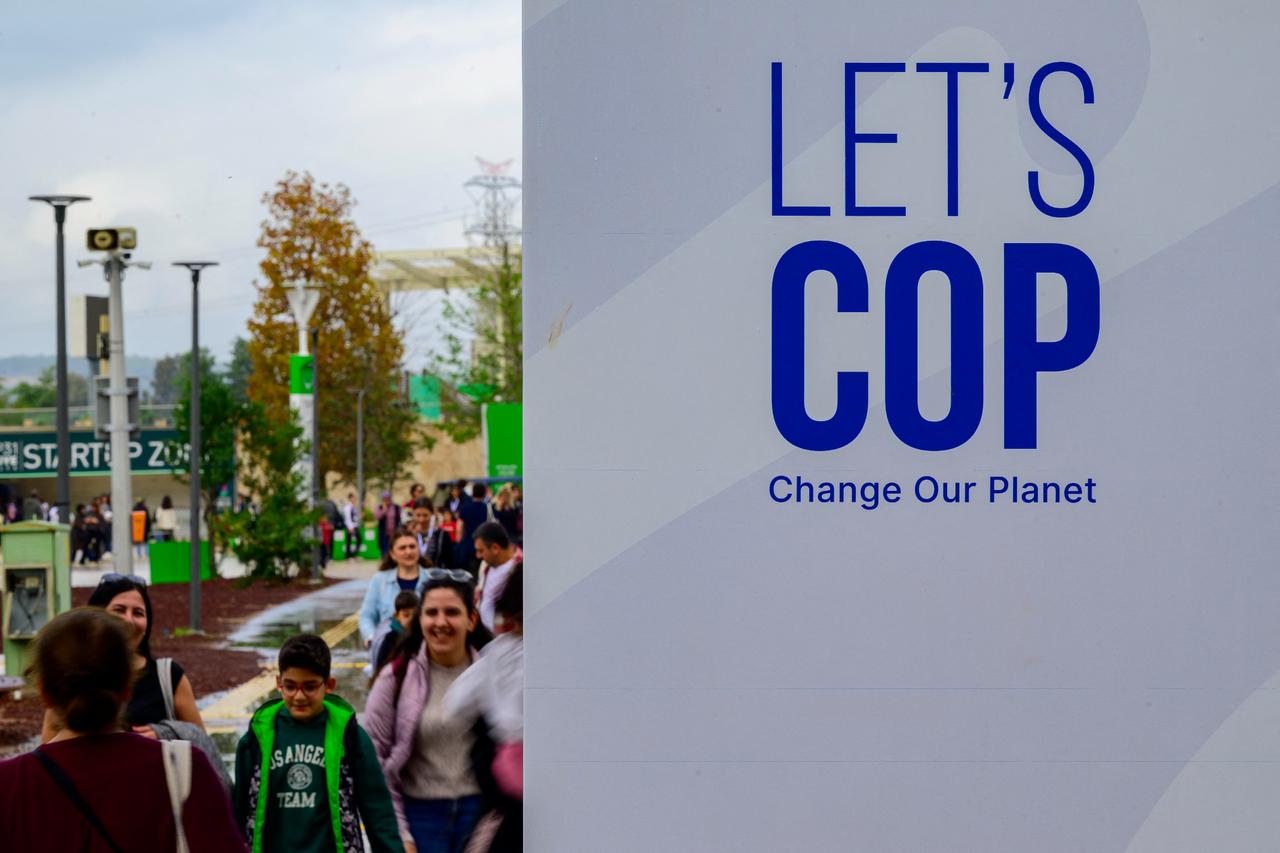


The COP31 climate summit in Antalya, Türkiye, extended into Saturday after negotiators failed to reach an agreement by Friday's deadline, with a revised draft eliminating all references to fossil fuels and deepening divisions among nearly 200 participating countries.
After two weeks of negotiations, delegates remained at odds over the future of fossil fuels, climate financing and scientific targets, forcing talks to continue overnight as Australia, which chairs the negotiations, worked to produce a third draft agreement.
"We are close to the finish line, but we are not there yet," COP31 President Murat Kurum, Türkiye's environment minister, told delegates late Friday during a session that approved several technical matters.
Kurum was briefly interrupted during his opening remarks when a protester shouted "You are killing the future!" before being escorted from the hall.
The summit has unfolded against a backdrop of rising oil prices, geopolitical tensions stemming from the Iran war and increasingly severe climate-related disasters.
With many delegates scheduled to depart Antalya, negotiators faced growing pressure to resolve outstanding disagreements and finalize a deal.
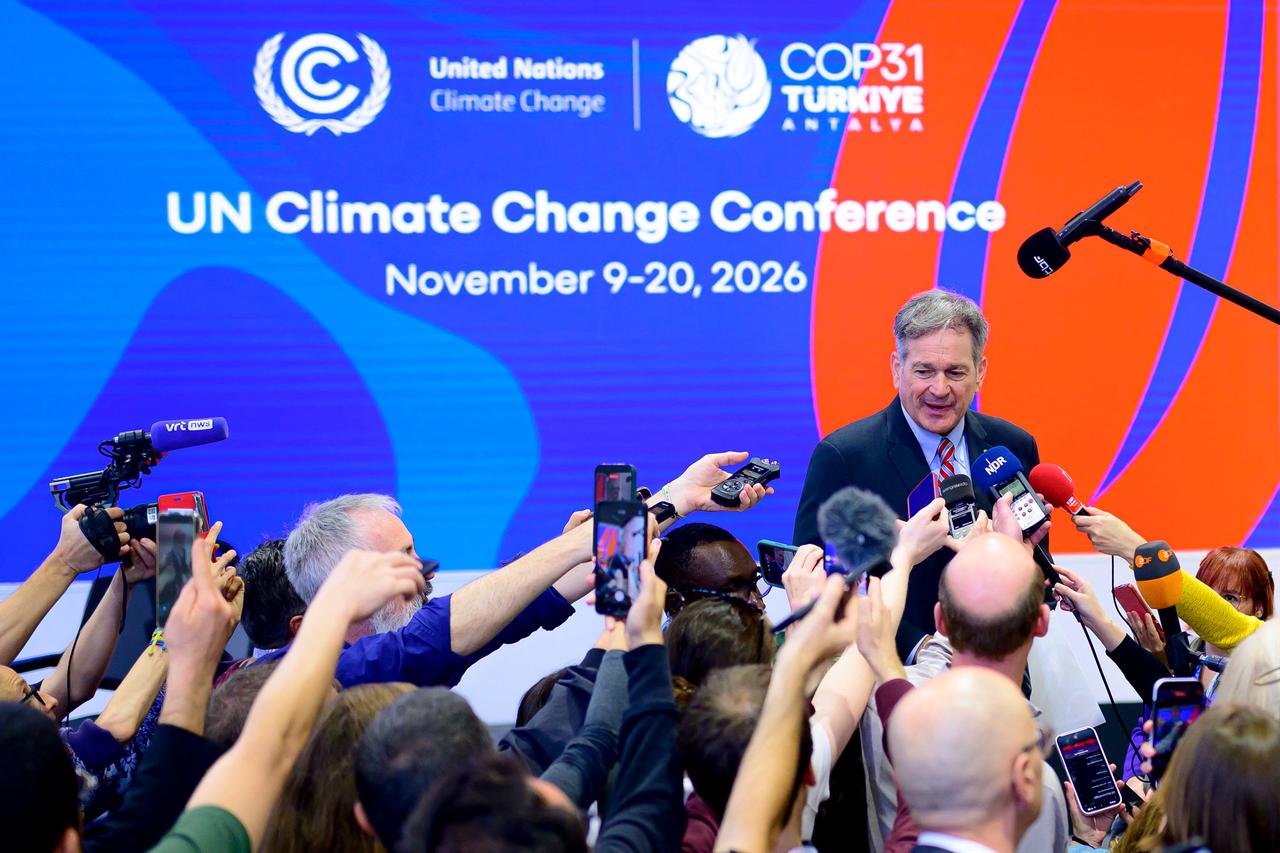

One of the most contentious issues concerns the treatment of fossil fuels in the summit's final agreement.
An earlier draft circulated this week included language calling for a faster phase-out of fossil fuels, a longstanding point of contention between countries advocating a rapid energy transition and major fossil fuel producers, including Saudi Arabia.
However, a second draft released Thursday removed all references to fossil fuels, prompting objections from European and developing countries.
The European Union warned that the revised text "risks turning this climate COP into a fossil summit".
On Friday, a group of 12 European and developing countries, including France, Panama and the Solomon Islands, issued a letter demanding that the final agreement include "a clear transition away from fossil fuels".
Panama threatened to withdraw from the talks, with Environment Minister Juan Carlos Navarro accusing what he called a "petroleum mafia" of obstructing progress.
Meanwhile, the Organization of the Petroleum Exporting Countries (OPEC) said its secretary-general, Haitham Al Ghais, had met Russian presidential climate envoy Ruslan Edelgeriev at COP31 to discuss "the importance of inclusive and balanced approaches across all multilateral environmental fora".
Another central proposal is the 35x35 electrification target, championed by Türkiye and Australia, which aims to increase electricity's share of global final energy consumption to 35% by 2035.
The initiative seeks to accelerate the replacement of fossil fuel-powered technologies, such as conventional vehicles and gas heating systems, with electric alternatives.
"Electrification is the key to transitioning away from fossil fuels," Australian Climate Minister Chris Bowen, who is chairing the negotiations, said Friday.
Bowen pledged to continue negotiations "for as long as it takes, to get the job done".
However, the proposal has generated disagreements because it does not explicitly require the additional electricity to come from renewable sources rather than coal or natural gas.
Some countries have consequently pushed for the agreement to include an explicitly "clean" electrification target.
Negotiators have also clashed over proposals to expand carbon capture technology, with some governments arguing that such measures remain costly and insufficiently proven and could allow continued fossil fuel use.
 2 min read

Disagreements have also intensified over financial support for developing countries facing the consequences of climate change.
A proposed $120 billion target for climate adaptation financing was removed from the latest draft, drawing criticism from developing countries that argue wealthier nations have failed to provide sufficient assistance.
"We didn't come here to beg," Ghana's Environment Minister Zanetor Agyeman-Rawlings said.
The timing of upcoming reports from the U.N.'s Intergovernmental Panel on Climate Change (IPCC) has emerged as another point of contention.
The latest negotiating text expressed "deep concern" about the prospect of global warming exceeding the Paris Agreement's 1.5-degree Celsius threshold.
However, it removed an earlier provision calling for global temperatures to return below that threshold as quickly as possible this century.
As talks continued Saturday, negotiators faced unresolved disagreements over fossil fuels, financing and the role of science in shaping international climate commitments, with no final agreement yet secured.


 Set as preferred source
 Set as preferred source


 1 min read