Newsletters


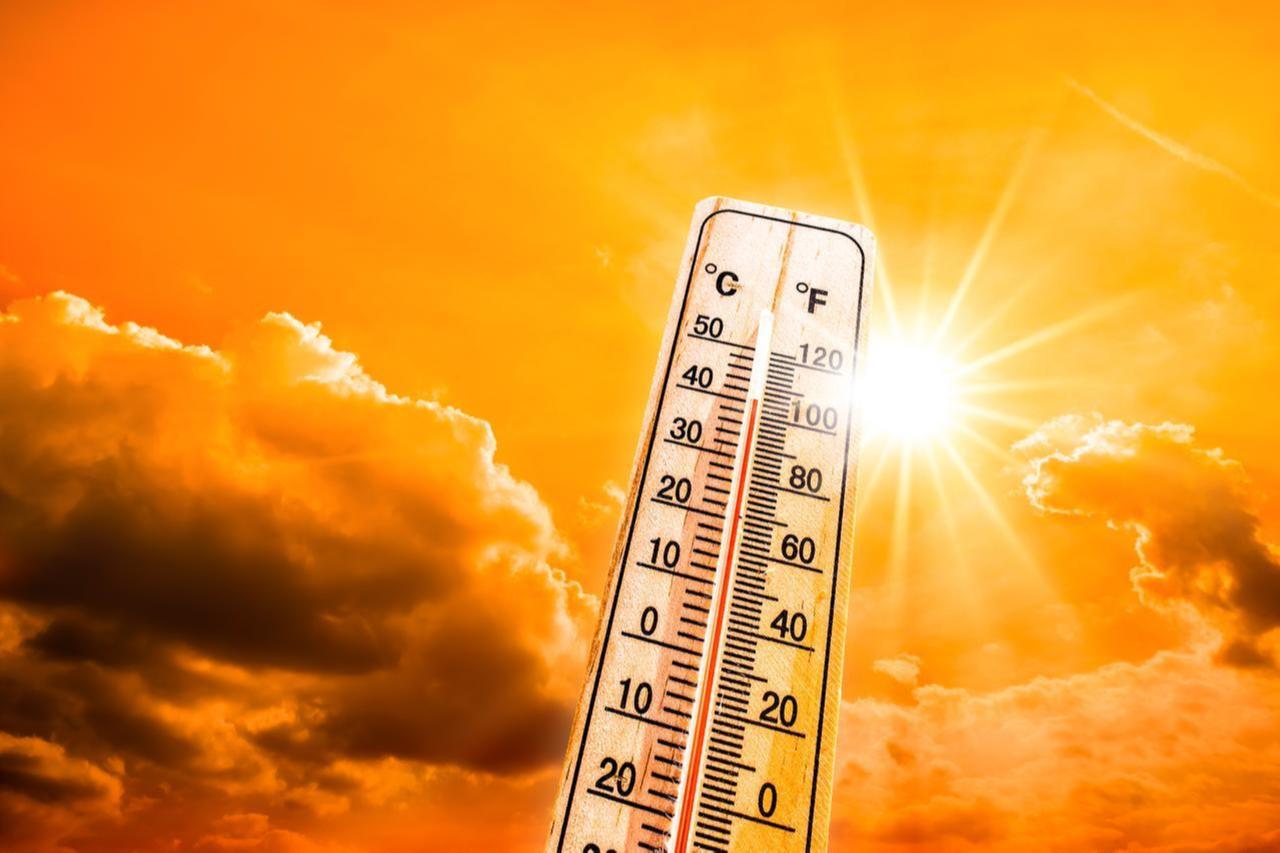


Europe is warming at twice the global average rate, with environmental degradation and climate change posing serious threats to the continent's economic prosperity, security, and quality of life, according to a new report by the European Environment Agency (EEA).
The report is published every five years and, drawing on data from 38 countries, provides a multidimensional assessment of the continent's state across the environment, climate, and sustainability.
EEA State of the Environment Reporting project manager Tobias Lung said the report makes clear that Europe's environment is not in good shape.
"Our nature continues to deteriorate, be overexploited, and lose biodiversity. The effects of accelerating climate change are being felt across Europe through more frequent forest fires, heatwaves, and droughts," Lung told AA.
Lung warned that the outlook for oceans and biodiversity is worsening, while progress on chemicals and air quality has been modest.
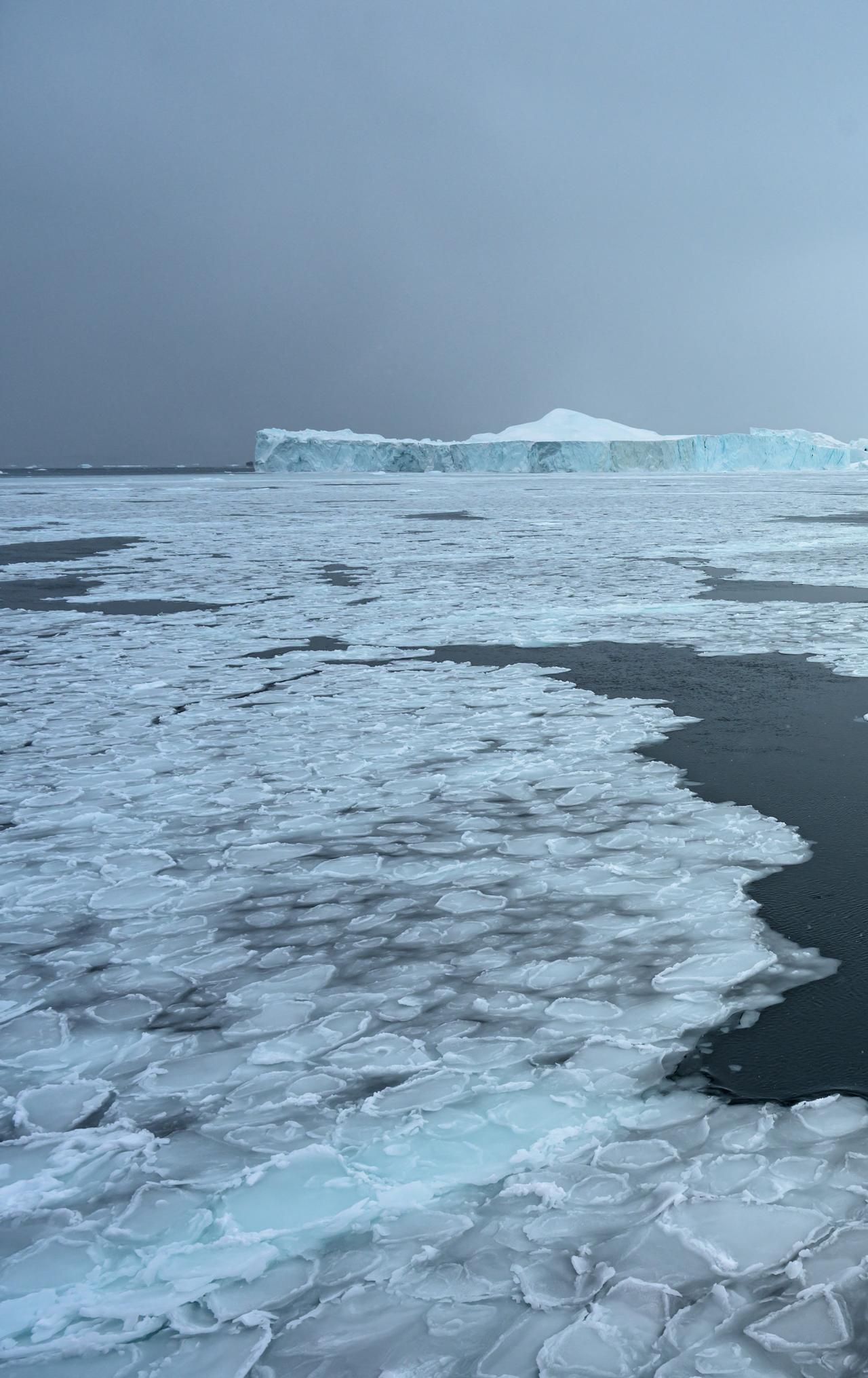

"Europe has only partially met its 2030 targets. The 2050 'zero pollution' vision is largely off track," Lung said.
While some climate-related targets show promise for 2030, Lung cautioned that Europe's ability to meet its 2030 and especially 2050 goals on oceans, biodiversity, and chemicals "is uncertain and in many cases unlikely without significantly increased policy, finance, and implementation."
He also noted that the report stresses the need to reduce pollution, improve soil health, scale up nature-based solutions, and integrate biodiversity across all policies.
Extreme weather events have caused devastating impacts across member countries, including Türkiye.
Weather and climate-related disasters resulted in more than 240,000 deaths and 738 billion euros in economic losses between 1980 and 2023, with 162 billion euros recorded in 2021–2023 alone.
"Agriculture, water, energy, the built environment, transport and health are the sectors most adversely affected by climate change.
The situation is already serious and is expected to deteriorate dramatically if mitigation and adaptation are not accelerated," Lung said.
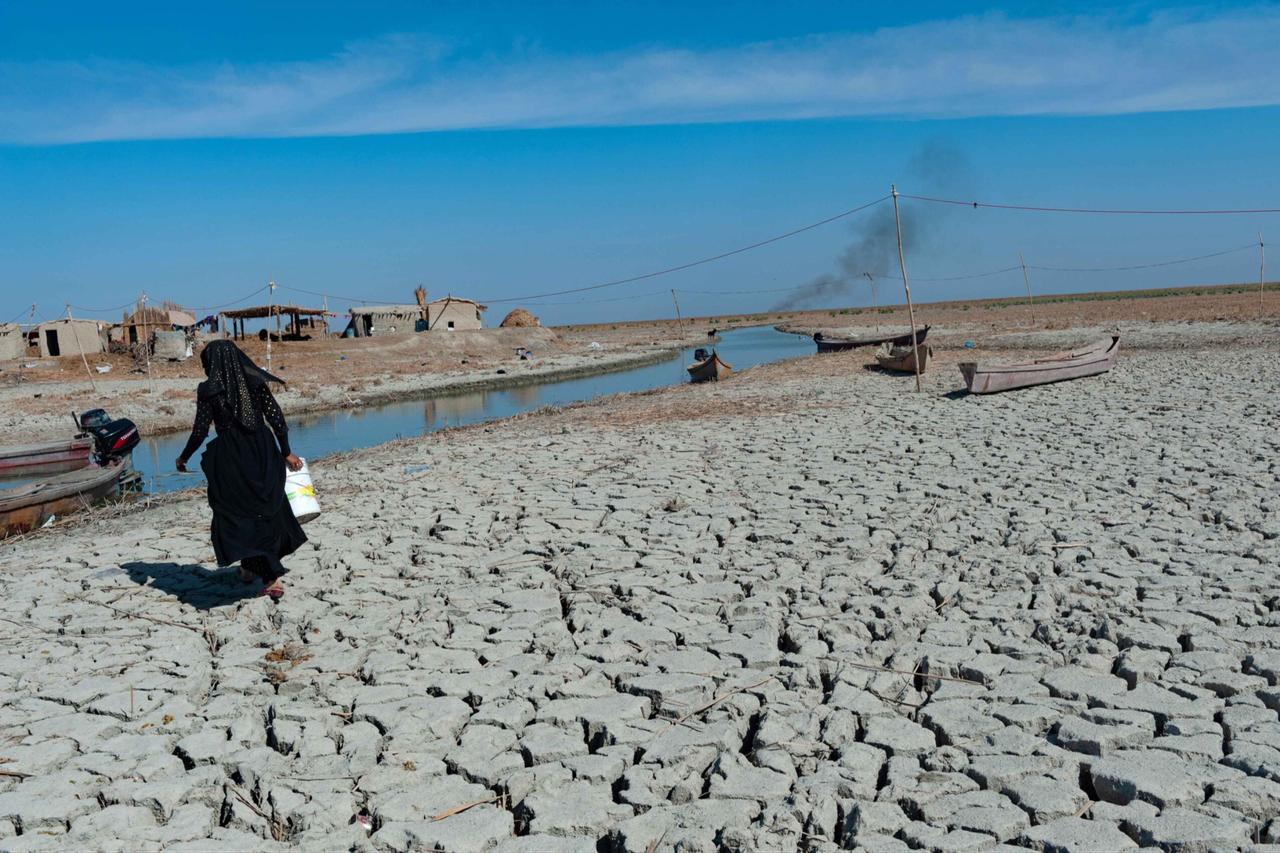
Water stress currently affects 30% of Europe's territory and 34% of its population, with only 37% of surface waters achieving good or high ecological status in 2021, according to Lung.
Agriculture remains the greatest pressure on water resources, accounting for around 60% of all water consumed across the continent.
Lung called for smarter irrigation, radical reductions in fertilizer and pesticide use, and a shift toward circular water systems.
Nature-based solutions, such as wetland restoration, can help manage floods, droughts, and water-quality challenges, he added.


 Set as preferred source
 Set as preferred source


 2 min read
 1 min read