

 Newsletters


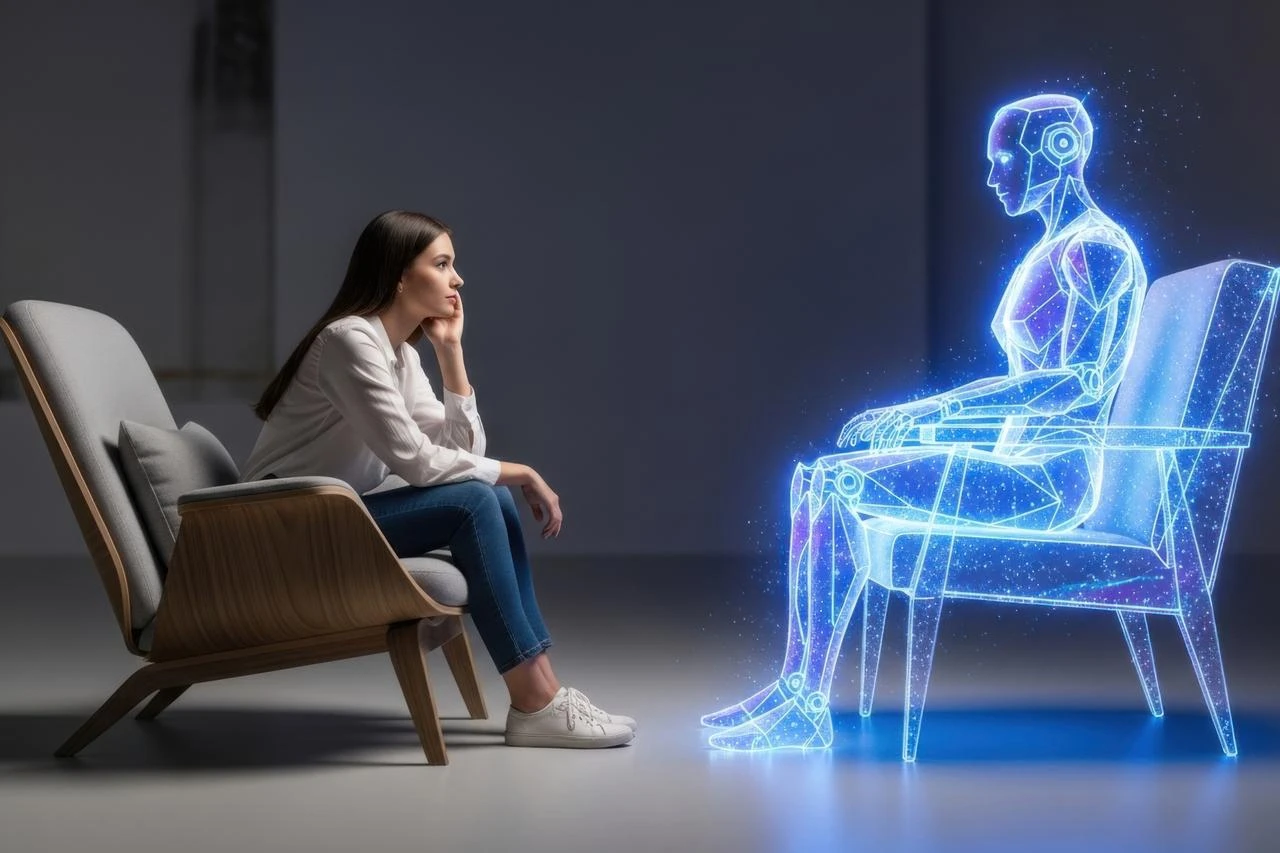


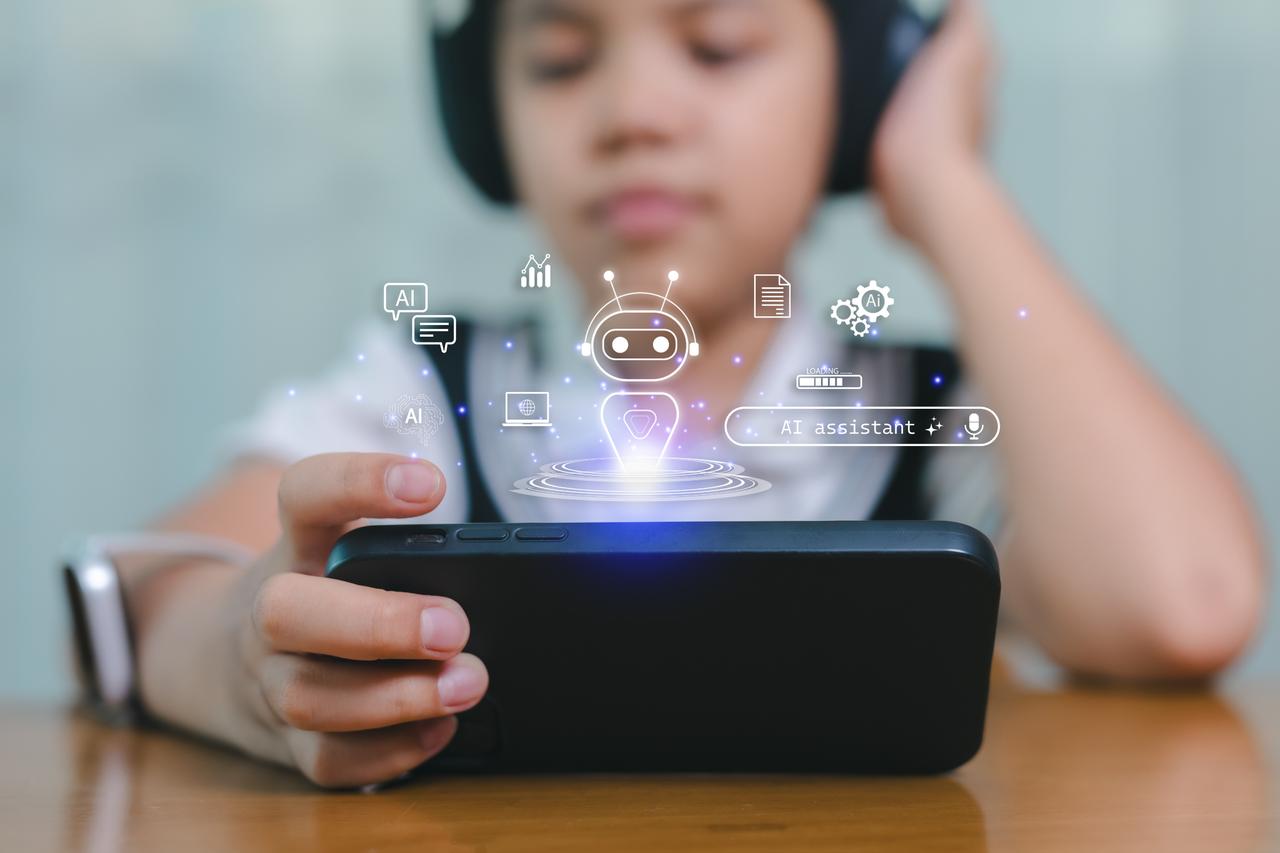
A growing number of young people in the United States are turning to artificial intelligence chatbots for mental health support, raising concerns among experts about the risks of unregulated use, according to a study published in JAMA Network.
The study, which surveyed about 1,000 American teenagers aged 12 to 21, found that one in five reported using AI-powered chatbots to seek advice on mental health issues.
Researchers and commentators who reviewed the findings say the trend requires closer oversight, warning that a lack of regulation for AI-based mental health advice could pose risks to users.


Dr. Filip Grodniewicz, an assistant professor in the Department of Philosophy at Jagiellonian University in Poland, said AI systems may eventually match human therapists in reducing symptoms for some mental health conditions.
However, he said AI cannot replicate the genuine interpersonal connection and reciprocal therapeutic bond that are core to psychotherapy.
Grodniewicz noted that expecting AI to achieve consistent outcomes across all patients and conditions would take considerably longer and cautioned against narrowing psychotherapy down to symptom reduction alone.
He said patients benefit from a broader sense of social recognition and connection that a system without consciousness cannot provide, adding that human therapists remain preferable as long as AI remains without consciousness.
He also questioned whether AI truly replicates human relationships, saying, "I'm personally not convinced by this." Grodniewicz said there is still no clear understanding of how much a therapeutic relationship is required for psychotherapy to work but added that people's desire for genuine, non-fictional relationships exists for a reason.
Grodniewicz said AI systems lack their own lived experience, particularly pain, which limits their ability to grasp what a person undergoing therapy is actually experiencing.
He said AI language models are trained to recognize expressions of loneliness or hopelessness but do not understand what it means to face those emotions directly.
As a result, he said, AI can identify signs of suffering, but a fundamental gap will remain between even the most advanced AI system and the least empathetic human when it comes to genuinely understanding human pain, as long as AI remains without consciousness.
On the question of accountability if AI gives harmful advice, Grodniewicz said current AI systems are not moral agents and cannot be held responsible for their actions. Instead, he said, accountability should fall on the companies that develop and deploy them.


 Set as preferred source
 Set as preferred source


 1 min read


 1 min read


