Newsletters


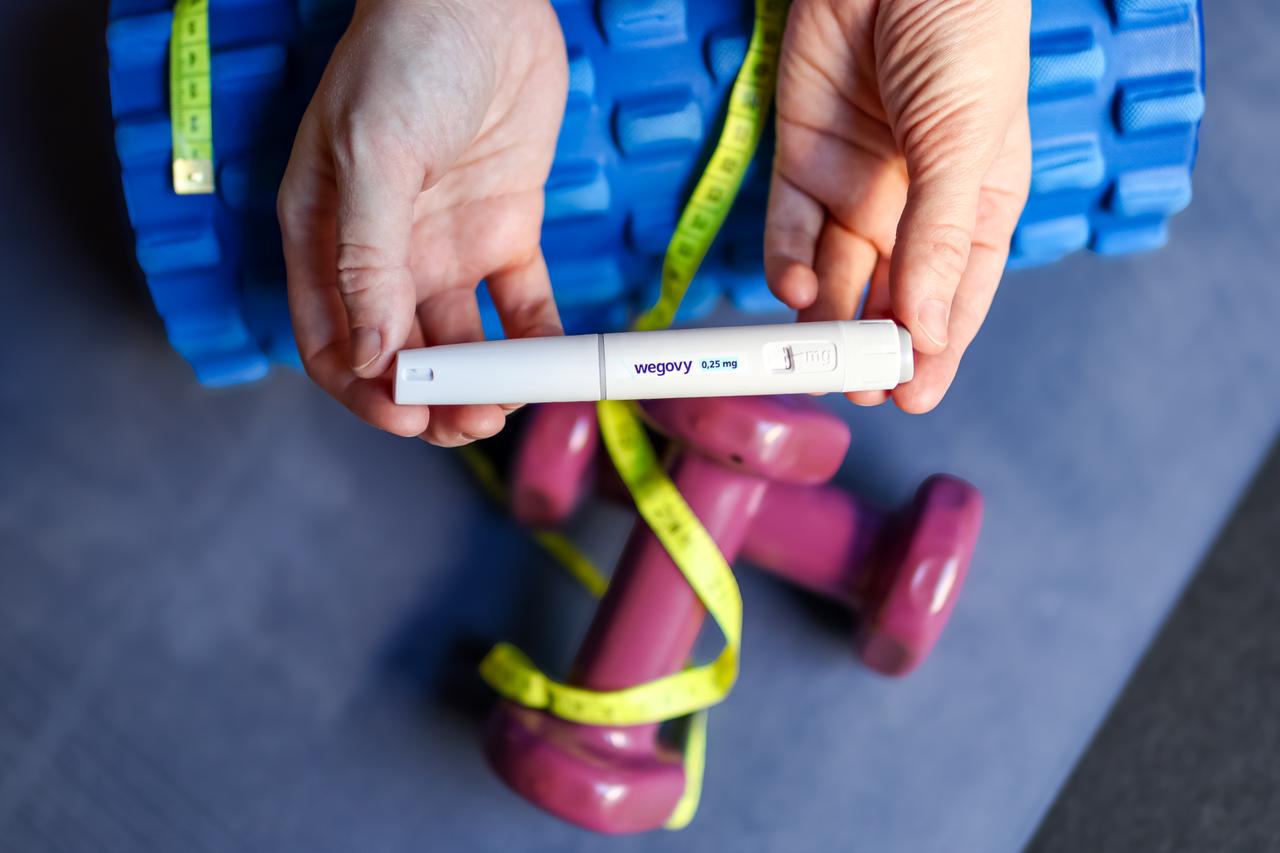


The U.S. Food and Drug Administration (FDA) has asked makers of weight-loss and diabetes drugs in the GLP-1 class to add a warning to their labels about a serious eye condition that can cause sudden and permanent vision loss.
According to Reuters, the agency requested that information on the risk of non-arteritic anterior ischemic optic neuropathy (NAION) be added to the “warnings and precautions” section of labels for GLP-1-based drugs. These include Eli Lilly’s Mounjaro and Zepbound and Novo Nordisk’s Ozempic and Wegovy.
GLP-1 drugs mimic a gut hormone that helps regulate blood sugar and appetite.
NAION occurs when blood flow to the front part of the optic nerve is reduced. The condition usually causes sudden, painless vision loss and, in some cases, permanent visual impairment. The mechanism behind it is not yet fully understood.


The FDA said it based its decision on data from clinical trials, animal studies and safety reports collected after the drugs reached the market. Observational studies and case reports were also included in the assessment.
An Eli Lilly spokesperson said the FDA’s safety communication covers all drugs with GLP-1 receptor agonist activity and is not based on a finding specific to the company’s products. The spokesperson said Lilly is evaluating the request and will respond to the FDA.
Novo Nordisk said current data are not sufficient to establish a cause-and-effect relationship between its drugs and NAION. The company said it remains confident in the benefit-risk balance of GLP-1 drugs.
Citi analyst Geoff Meacham said the condition's rarity and the drugs’ benefits for weight control, blood sugar, cardiovascular and kidney health, and sleep apnea could keep the risk-benefit balance favorable.
Meacham said the FDA decision may temporarily raise concern among patients and investors but is not expected to bring a major change in prescribing habits.
In 2025, the European Medicines Agency (EMA) safety committee concluded that medicines containing semaglutide may increase the risk of NAION.
According to the committee, the condition may affect one in every 10,000 people who use semaglutide for at least a year.
Semaglutide is the active ingredient in Novo Nordisk’s Ozempic and Wegovy, as well as Rybelsus, a diabetes drug.
In Denmark, a decision was also made in 2025 to pay compensation to four patients who experienced vision loss after using Novo Nordisk’s GLP-1 drugs.
A large study published in 2025 compared about 175,000 diabetes patients treated with semaglutide with a similar number of patients using non-GLP-1 drugs.
It found that the risk of NAION more than doubled among GLP-1 users after two years of treatment compared with other drug groups.


 Set as preferred source
 Set as preferred source



 1 min read