Newsletters


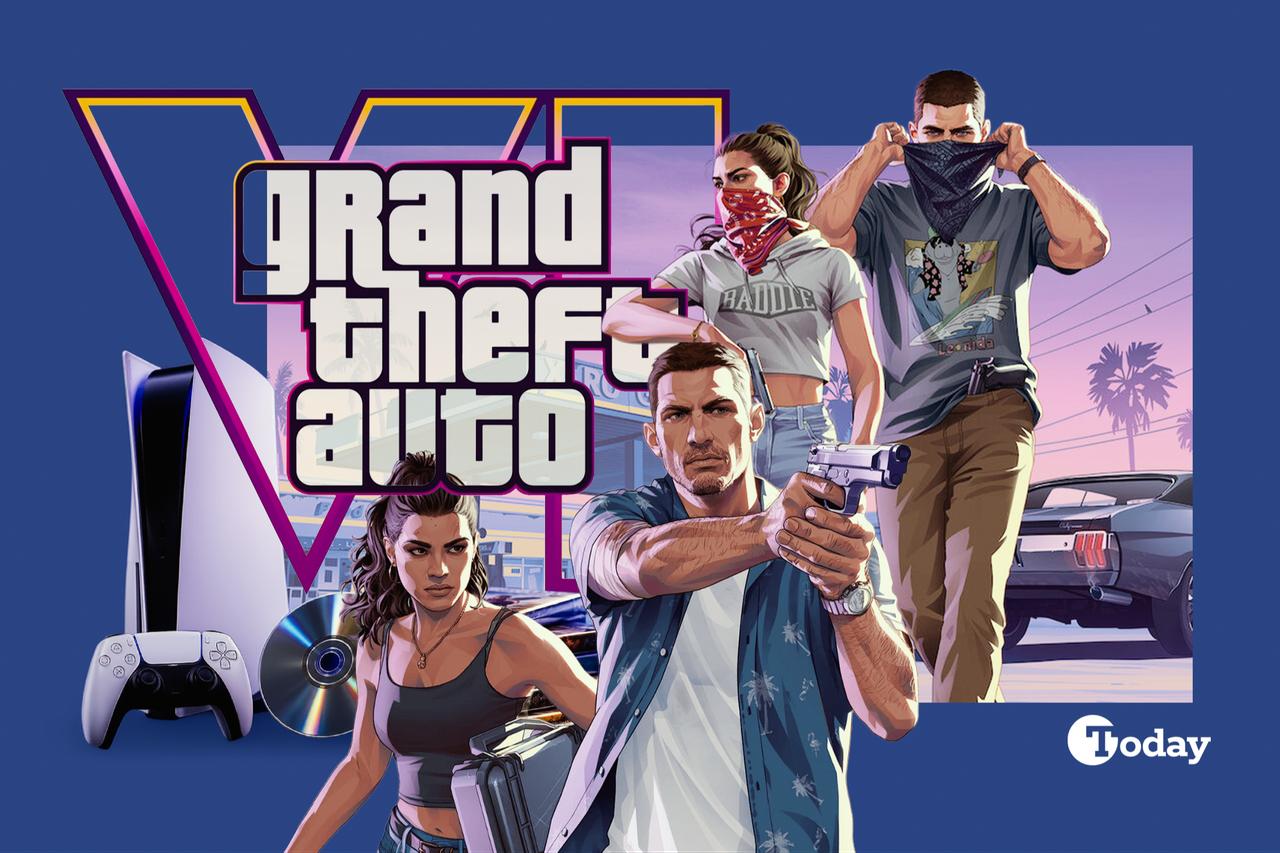


It’s late at night on Sept. 17, 2013. Millions of gamers across different cities are lined up outside of retailers to buy Grand Theft Auto V. At midnight, the stores open their doors, gamers walk out with their copies, and the game generates $800 million in global sales in the first 24 hours alone.
This week, we are repeating gaming history. Last night, at midnight, after 13 years of waiting, people around the world started preloading GTA VI, the newest installment in this popular series. The game will launch on PS5 and Xbox Series X and S on Nov. 19, while PC owners will have to wait until 2027. According to the game’s developer, Rockstar Games, the preload file will require up to 212 GB of free space, which means about nine hours of download time for gamers in Türkiye. As we count down to launch day, let’s discuss how a video game became such a big cultural event.
The Grand Theft Auto franchise spans three decades, with the first game released in 1997 and GTA VI being the eighth main entry in the series. While GTA III made the shift to 3D that helped the game reach mainstream popularity, GTA: San Andreas took it to its cultural peak with bigger maps, deeper RPG mechanics, customizable cars, and reactive NPCs. GTA Online, launched shortly after GTA V, turned the game into a multiplayer live service and a long-running revenue stream.
Rockstar builds a satirical funhouse-mirror reflection of American society to lampoon greed, consumerism, and politics. In the GTA universe, megacorporations with sarcastic names like Weazel News, Maze Bank, Zombotech, and LifeInvader dominate major industries like media, finance, and security. The media is a circus, and the authorities are just as morally depraved as the criminals.
Into this world of moral and civic decay, the game drops deeply flawed anti-heroes trying to claw their way up. Some protagonists want to better their community, turn over a new leaf, or escape a desperate situation; others commit criminal acts for power, revenge, or out of sheer ruthlessness. Either way, the core conflict of the Grand Theft Auto games is the violent collision of the madcap individual with a hyper-capitalist system. Players are pushed to make difficult calls, and the protagonists rarely come out clean: ambition corrupts those who wield it.
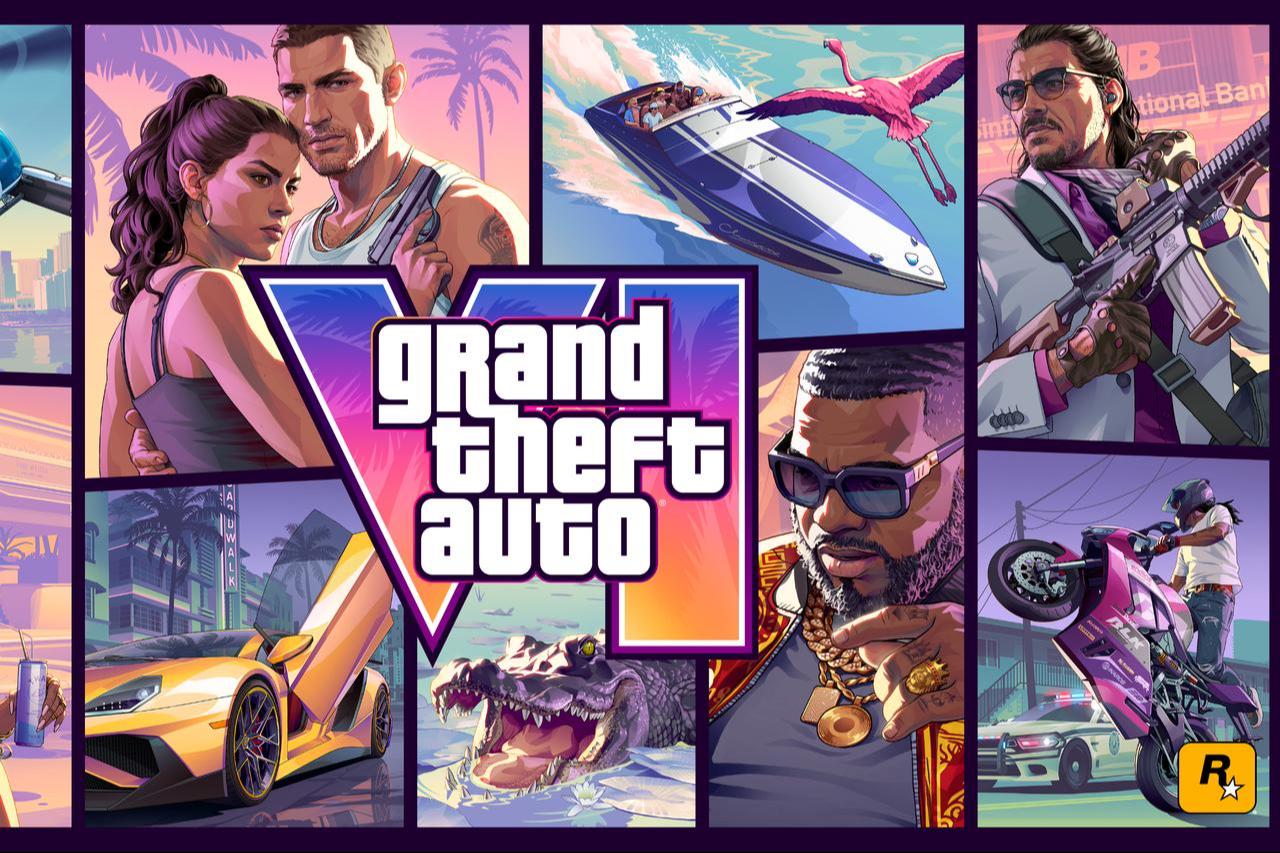

This dystopian-adjacent world has built and maintained a devoted, global fanbase spanning hundreds of countries. And the 13-year wait for a new game has only intensified the hype. Several gaming and business news platforms shared reports on the unverified claim that GTA VI could tempt 1.5 million Americans away from work on release day at a potential productivity loss of $1 billion. This figure is attributed to economist Jose García Montalvo and is a projection with no survey to back it up.
The sentiment behind it is real, however. Speaking at an industry conference, Take-Two CEO Strauss Zelnick jokingly remarked that “a lot of people will be calling in sick on Nov. 19.” Earlier this year, reports surfaced of a U.S. Army memorandum for 9th Brigade Engineer Battalion personnel offering soldiers who reenlist by Nov. 14 “a special 4-day pass… specifically designated to coincide with the highly anticipated release of the video game Grand Theft Auto VI.”
And the game is set to make waves in Türkiye as well. According to the 2025 Türkiye Game Market Report, Türkiye now has 22 million PC and 12 million console gamers. How many of them actually play GTA is harder to pin down, as there is no verified, publicly available figure on that front. But even official counts would miss a large portion of the fanbase, since Turkish gamers tend to forgo GTA Online in favor of FiveM, community-run servers built on GTA V that offer modded gameplay in Turkish.
Grand Theft Auto ranks among the most profitable video game series. Take-Two’s February 2026 investor presentation reported that by the end of the last quarter of 2025, the franchise had sold nearly 465 million units, with GTA V selling 225 million copies to date and reaching “$1 billion in retail sales faster than any entertainment release in history.”
With the last entry in the series proving so successful, expectations surrounding GTA VI have grown as well. Digital analytics platform Sensor Tower has a designated GTA VI tracker updated weekly, and with 7.71 million units sold as of Nov. 3, the game is just a little shy of breaking Cyberpunk 2077’s reported record of 8 million pre-orders. And with expectations came speculation. Last year, rumors started circulating that the game cost over $1.5 billion (that is, more than the Burj Khalifa) to develop and that the game’s overall budget was $2 billion, which Rockstar and Take-Two senior leadership denied.
When Rockstar officially announced the pricing for GTA VI at $79.99 for the standard edition, it sparked instant online chaos across the United States and the rest of the world. It shattered the $70 industry ceiling players had just become accustomed to. For Turkish players, the same edition was priced at 3,999 TRY, throwing the purchasing power imbalance into stark relief. For an American working full-time on the federal minimum wage, $79.99 takes up around 7% of their net monthly paycheck. Across the Atlantic in Türkiye, the local price devours 18% of a minimum wage worker’s monthly pay. This is also a testament to how exceptional this game is: fans across the globe were ready to accept the new pricing standard, even if it meant shelling out a good portion of their monthly budget.
It was not all financial success and high Metacritic scores, however. The franchise has frequently been criticized for its violent themes.
We often look to sources outside of ourselves to explain acts of violence and make them easier to swallow. Counterculture has long served as one such outlet. And GTA has come under fire repeatedly for allegedly fostering positive reinforcement for violent and antisocial behavior.
When I think about why some people enjoy watching horror films with the lights off, why a normally mild-mannered person might enjoy video games that contain violent themes, or why others are convinced there is a causal link between violence in video games and acts of violence, I am reminded of Rene Girard’s thoughts on ritualistic violence.
In his 1972 work "Violence and the Sacred," Girard reimagined ritualistic sacrifice as a pressure valve. Every society, he argued, builds up stress, conflicts, and dangerous impulses that could tear it apart, and ritualistic sacrifice was a way to channel them onto a safer, institutionalized target: act out the violence in a controlled setting and society is purged. He said Greek tragedies also fulfill a similar role, where the fate of the dramatic hero “will purge the spectators of their passions and provoke a new katharsis, both individual and collective. This katharsis will restore the well-being of the community.”
Tragedies do not celebrate the hero’s transgressions or shortcomings but invite the audience to view the toll they take. GTA can be read in a similar light. The games put players in difficult situations, offer choices loaded with moral weight, and let them experience the outcome of a life of violence and excess. While some protagonists ultimately choose a quieter life, others remain entrenched in crime. Whatever the ending, GTA holds up a distorted mirror to the very appetites that it lets its players indulge: gameplay rewards you with wealth, better cars and weapons, while the storyline shows that these things come at a personal cost. To me, this marks social critique, not a celebration of violence.
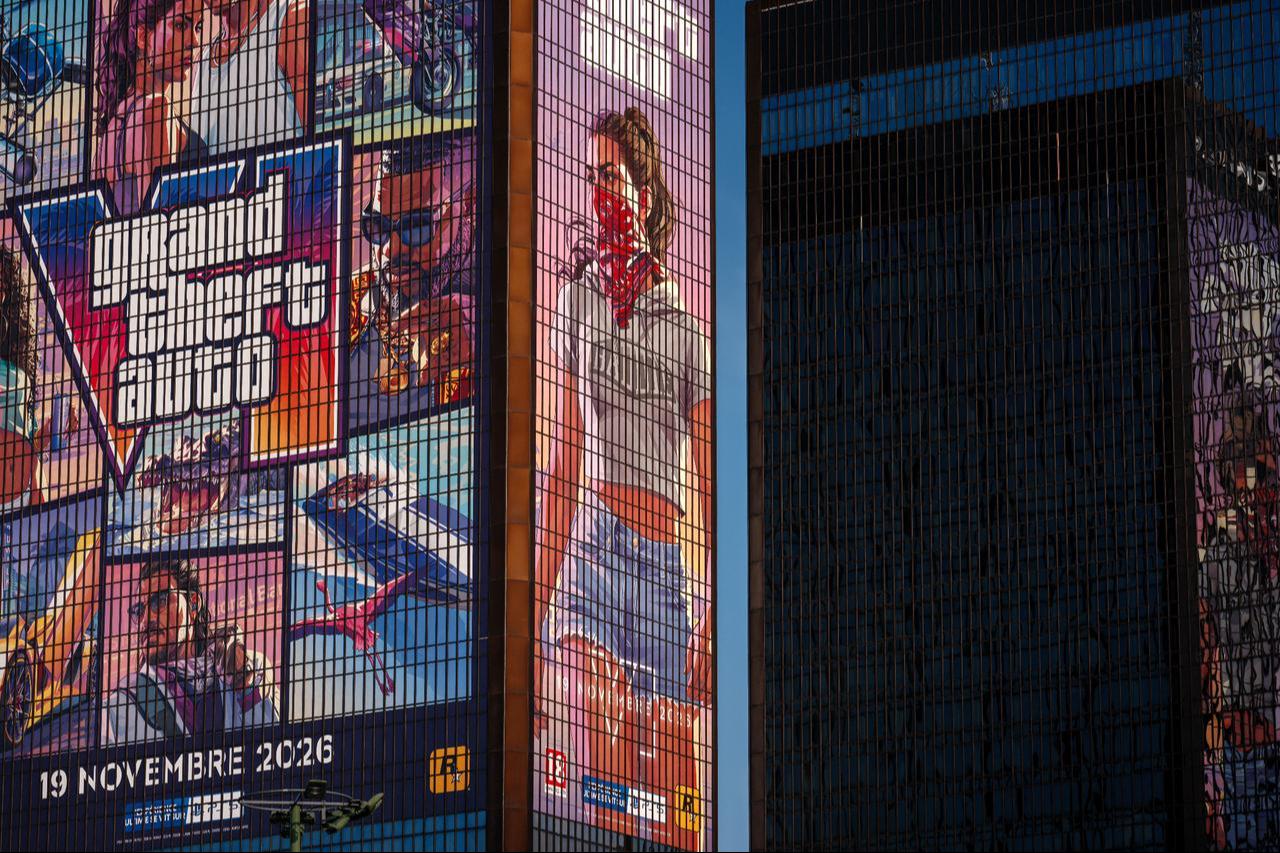
For such a highly anticipated game, Rockstar did not commence its full-scale marketing campaign until relatively recently. The restraint only widened the curiosity gap, and as anticipation reached a fever pitch, the company launched an offensive designed to make GTA VI impossible to ignore.
In August, Rockstar teamed up with Netflix for an unprecedented partnership, delivering a 27-minute look into the upcoming game that debuted six hours before its YouTube release. This move took the franchise from the traditional confines of the gaming industry and into mainstream entertainment.
While the Netflix debut brought the game’s fictional settings, Vice City and Leonida, to our screens, the rest of the campaign carried them to the streets.
Miami, the real-life inspiration for Vice City, is embodying its fictional counterpart with immersive branding that adapts physical space to the game’s fictional world. A sign above the Kaseya Center arena says, “Welcome to Vice City.” Neon lights and branded cars bring to life Vice City’s ‘80s Miami feel, and themed murals decorate the city. Six cars from the games, customized through a partnership between Rockstar and West Coast Customs, drive around Miami with Vice City plates. Public transit lines wrapped in advertisements for Weazel News and digital displays for the game’s parody brands like Dix cosmetics and Beige shapewear displaying their unhinged, satirical taglines help contextualize the games' critique of hyper-consumerism in a physical setting.
Even the Miami Heat will join the immersion. On Nov. 18, the day before the game is set to release, the team will play a promotional game against the Milwaukee Bucks at the Kaseya Center and take to the court as Vice City, wearing jerseys designed by Nike and Cactus Jack. Promoted as “A Night in Vice City,” the event will also give basketball fans the chance to sample foods from in-game fast food brands like Burger Shot and Cluckin’ Bell since Rockstar has already taken over some stands in the arena as part of the larger campaign.
It’s enough to make you wish you could see it in person and much of it was made possible through a marketing partnership between Miami-Dade County and Rockstar valued at $3.9 million. What makes this campaign so refreshing is that instead of bombarding people with the game itself, it reproduces the elements that make up the essence of the game, giving even those who do not play video games a baseline by which to grasp the aesthetic and cultural context of the series. For this moment in time, Rockstar is inviting people into the fictional world of Grand Theft Auto.
Over a decade ago, fans lined up to buy a game. This week, they are clearing their hard drives, taking days off work, and watching an NBA team play as a city that does not exist. Somewhere along the way, the Grand Theft Auto franchise became a commercial juggernaut, a cultural phenomenon, a lightning rod for controversy, and the shared experience of acting out in a world that looks uncomfortably like ours. As Rockstar Games brings GTA VI to life, anticipation extends well beyond the industry. Whether the game itself will live up to the hype generated by its expansive marketing campaign remains to be seen. Flashy collabs are impressive, but it is the freedom, physics, and depth in gameplay that actually win over gamers. One thing is for certain, though: on Nov. 19, most of us will be a little less productive.


 Set as preferred source
 Set as preferred source


 6 min read