Newsletters


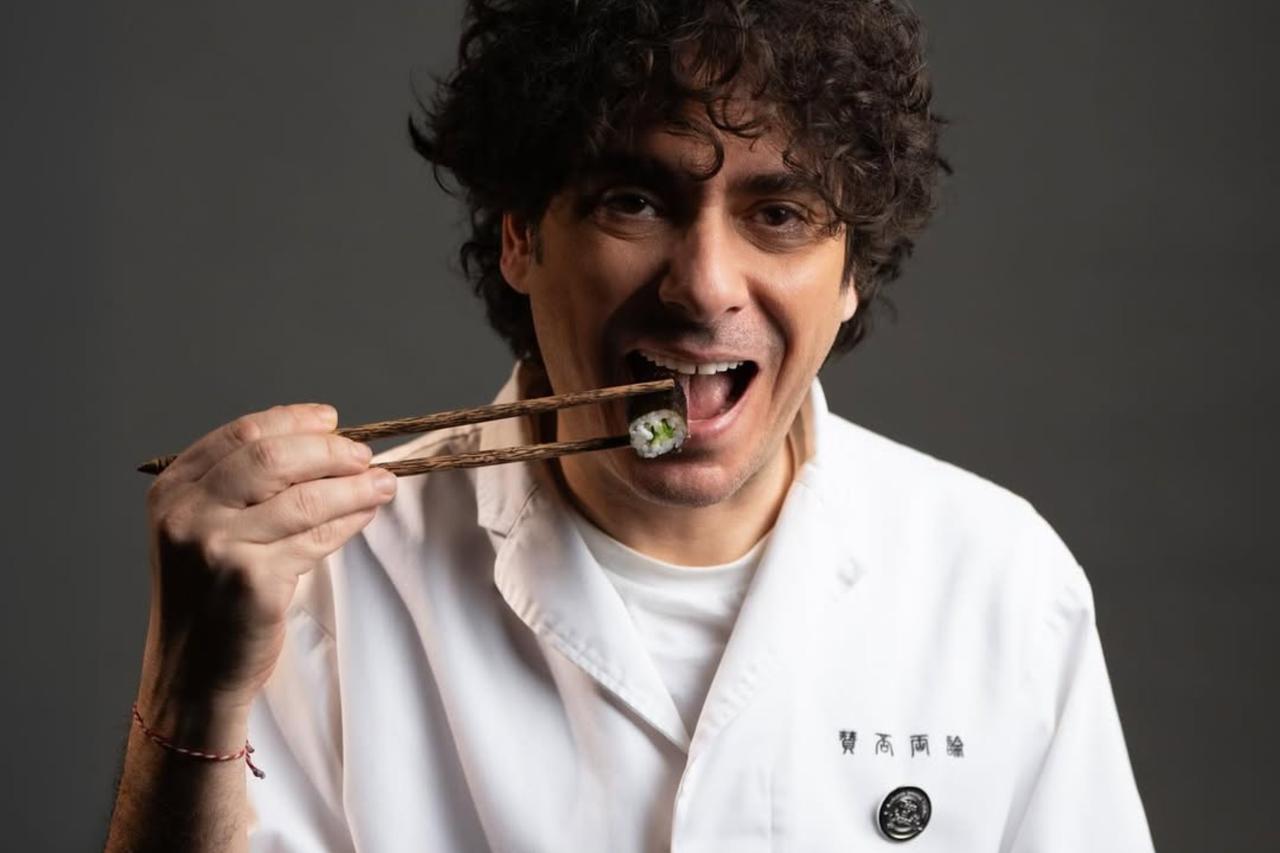


Turkish chef Sinan Damgacioglu, co-founder of the Far Eastern Culinary Academy in Türkiye, has been named a Japanese Cuisine “Goodwill Ambassador” by Japan’s Ministry of Agriculture, Forestry and Fisheries (MAFF), and he believes Japan has so much more to offer than just sushi.
The title, described as one of the most important honors in Japanese gastronomy and awarded for the first time to a Turkish chef, crowns a journey that he says has been shaped by friendship, patience and a constant effort to understand Japanese food culture more deeply rather than to see the award as a final destination.
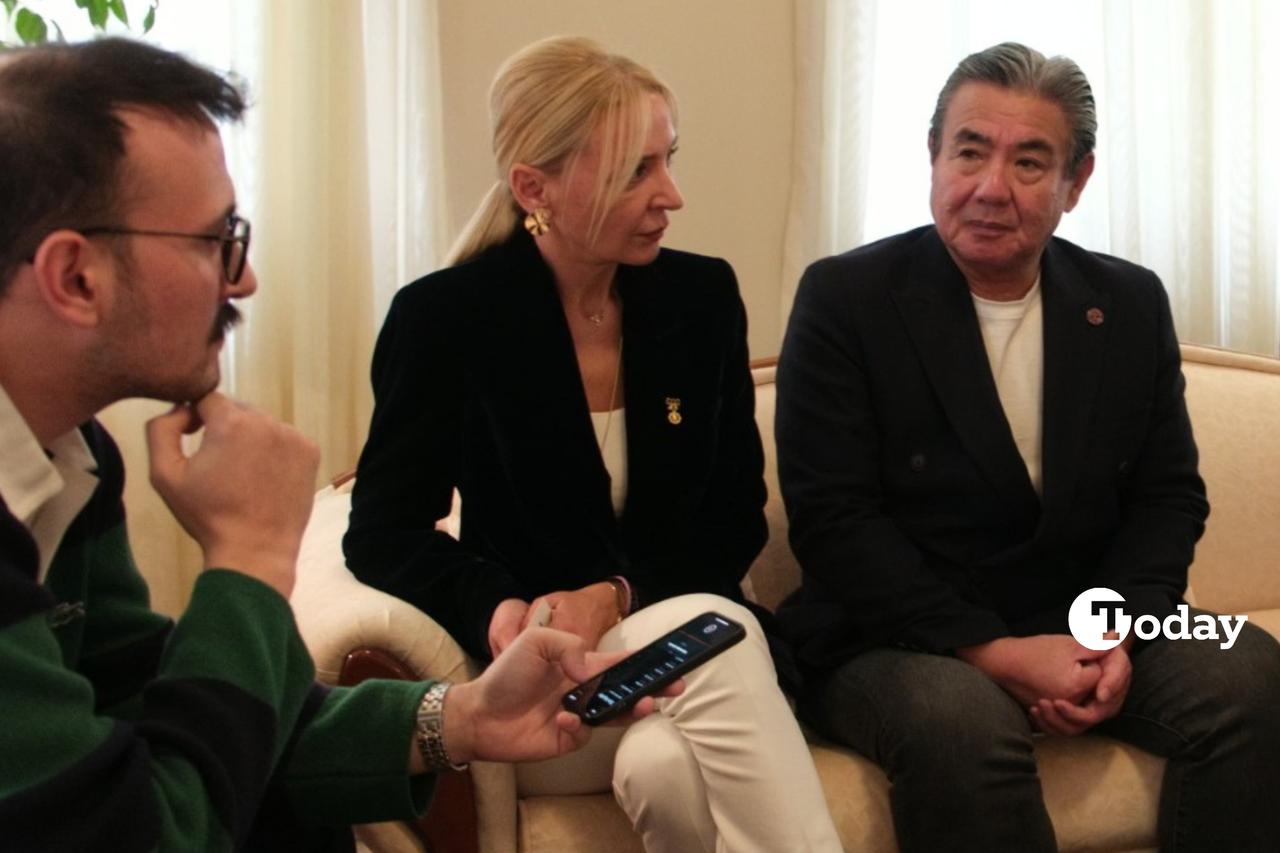
Speaking to Türkiye Today after receiving his certificate, Damgacioglu described a journey that began not with a clear plan to become a Japanese chef but in a crowded student house in London.
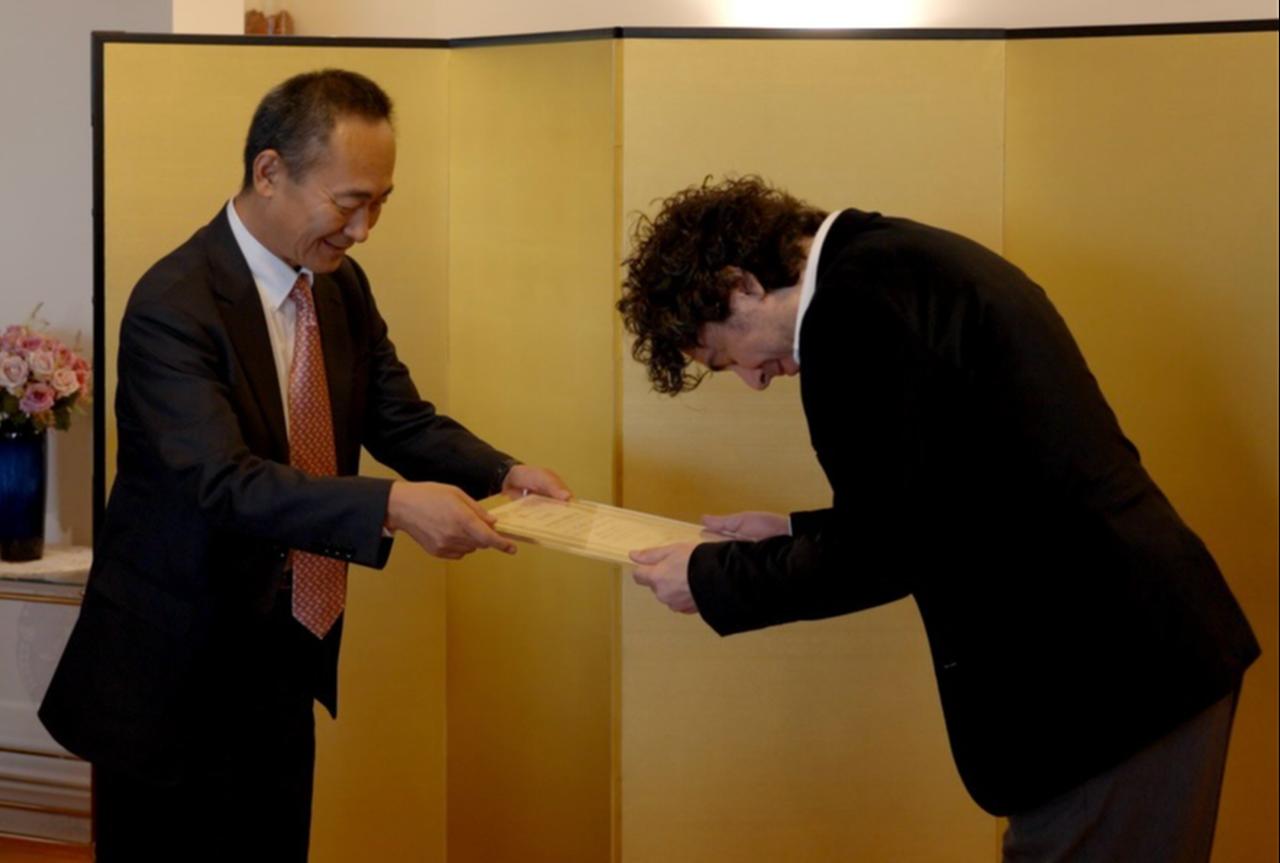

Looking back, Damgacioglu says he realized the turning points in his career only much later. He recalled that he did not even notice at the time that a “breaking moment” was unfolding and that the real shift began when friendships naturally led him toward another culture.
When he became close to Japanese friends in London, he started to take an interest in their culture, which in turn brought a sense of respect for their way of life and their food.
He remembers his first encounter with Japanese dishes in a shared student flat where everyone cooked food from their own country and swapped plates around the table. The story, as he tells it, began in a very ordinary student apartment rather than in a professional kitchen.
Although he had already built a career as an English teacher and had worked for about 12 years in his family’s lightning protection business, he decided to become a chef only at the age of 35.
When he finally moved into cooking, the Japanese culture he had absorbed through those early friendships simply surfaced on its own, and he stresses that he never set out with a clear plan to specialize in Japanese cuisine; instead, his culinary path unfolded in that direction almost by itself.
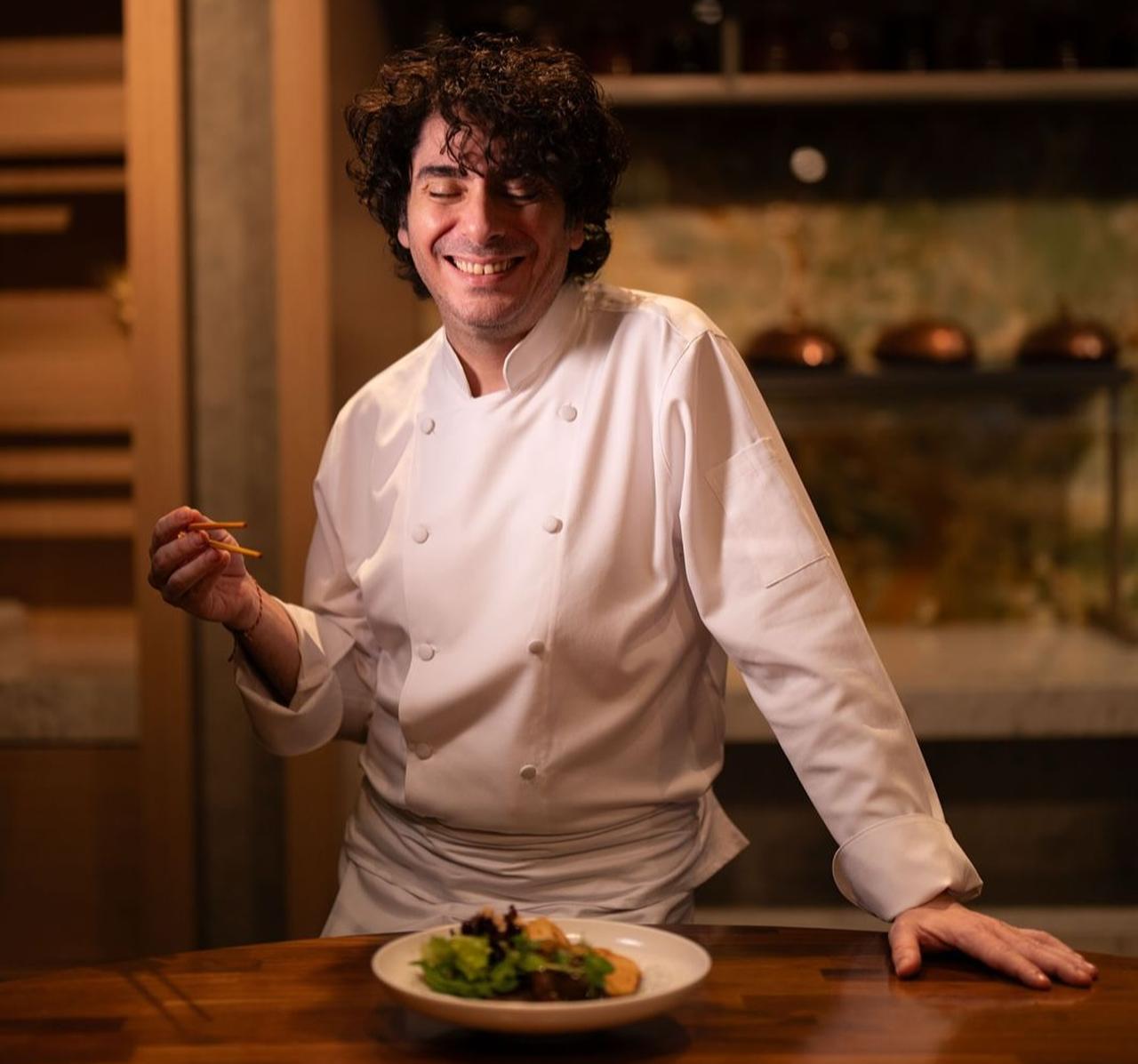
Damgacioglu refers to the idea of "Dashi" together with the “Sa-Shi-Su-Se-So" (Sa: Sugar, Shi: Salt, Su: Vinegar, Se: Soy Sauce─Shōyu / from the historical spelling, “seuyu”) approach, which he associates with the basic taste structure of Japanese cuisine.
He notes that this cooking culture is not necessarily more difficult than Western cuisines but is certainly more complex, largely because of its heavy use of fermented ingredients.
Many chefs, he says, do not really know how to season dishes built on such powerful fermented products, and they also do not always know how to use soy sauce properly.
He explains that “Sa-Shi-Su-Se-So” reflects the key flavors of Japanese cooking, such as salt, sugar, soy sauce and miso. Once a cook understands how to use these elements, in what proportions, and what kind of chemistry they create together, it becomes possible to come closer to a more authentic Japanese taste.
In his view, this level of understanding usually requires some period spent in Japan, because outside the country, there are not many people who can truly handle these balances with confidence.
He says that eating those dishes in Japan gradually trains both the palate and the mind in order to get used to those flavors.
For Damgacioglu, Japanese cuisine also demands an inner shift. He believes that “to cook Japanese food, you need to calm down a little and strip away the noise,” and he links this to an emphasis on seasonality and on refined flavors.
Rather than making dishes that are overwhelmed by soy sauce, he prefers to present every ingredient in a way that preserves its own character. If a carrot enters the plate, he argues, it should still clearly taste like a carrot, but it should be served in its best possible version.
He suggests that when a vegetable becomes simply a vehicle for a heavy sauce, the cook moves away from Japanese cuisine, which is built on offering the best possible version of each element.
He connects this directly to Japanese life philosophy, where people strive to live out the best version of themselves, and notes that this attitude naturally shows up in the kitchen as well.
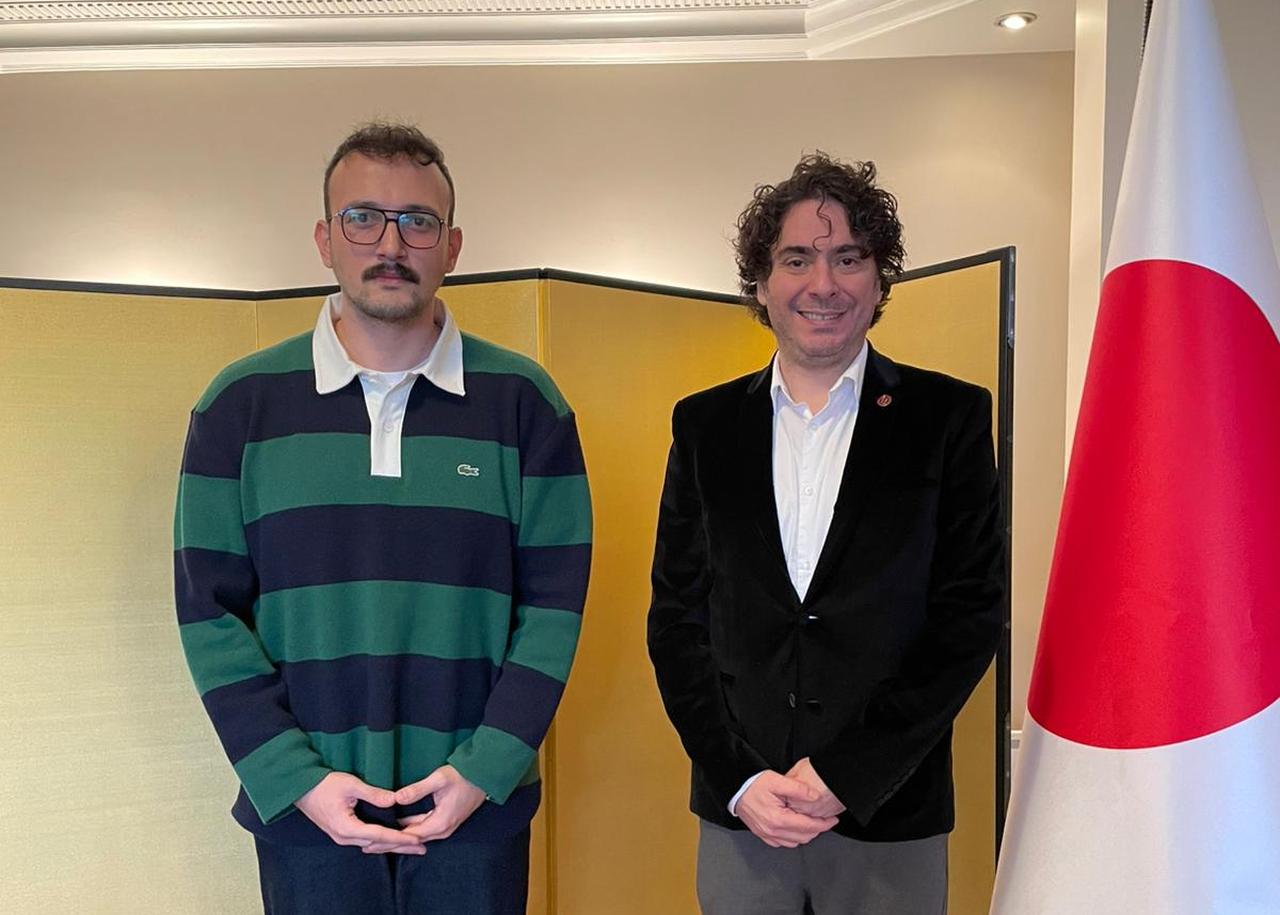
Damgacioglu has become the second chef to receive the Japanese Cuisine “Goodwill Ambassador” title from the Japanese government and the first to do so as a Turkish chef. He describes the honor as highly meaningful, yet he underlined that it does not represent a sense of completion or arrival for him.
Instead of treating it as proof that he has fully “made it,” he sees the award as something that immediately raises another question in his mind: what more can he do?
He points out that he has spent more than a decade trying with his own efforts to introduce Japanese cuisine with passion, and that the fact this work caught the attention of the government and led to such recognition is a source of real satisfaction.
At the same time, he repeatedly returns to the idea that the title carries a heavy responsibility, because it obliges him to keep thinking about new ways to represent Japanese food culture accurately and respectfully in Türkiye.
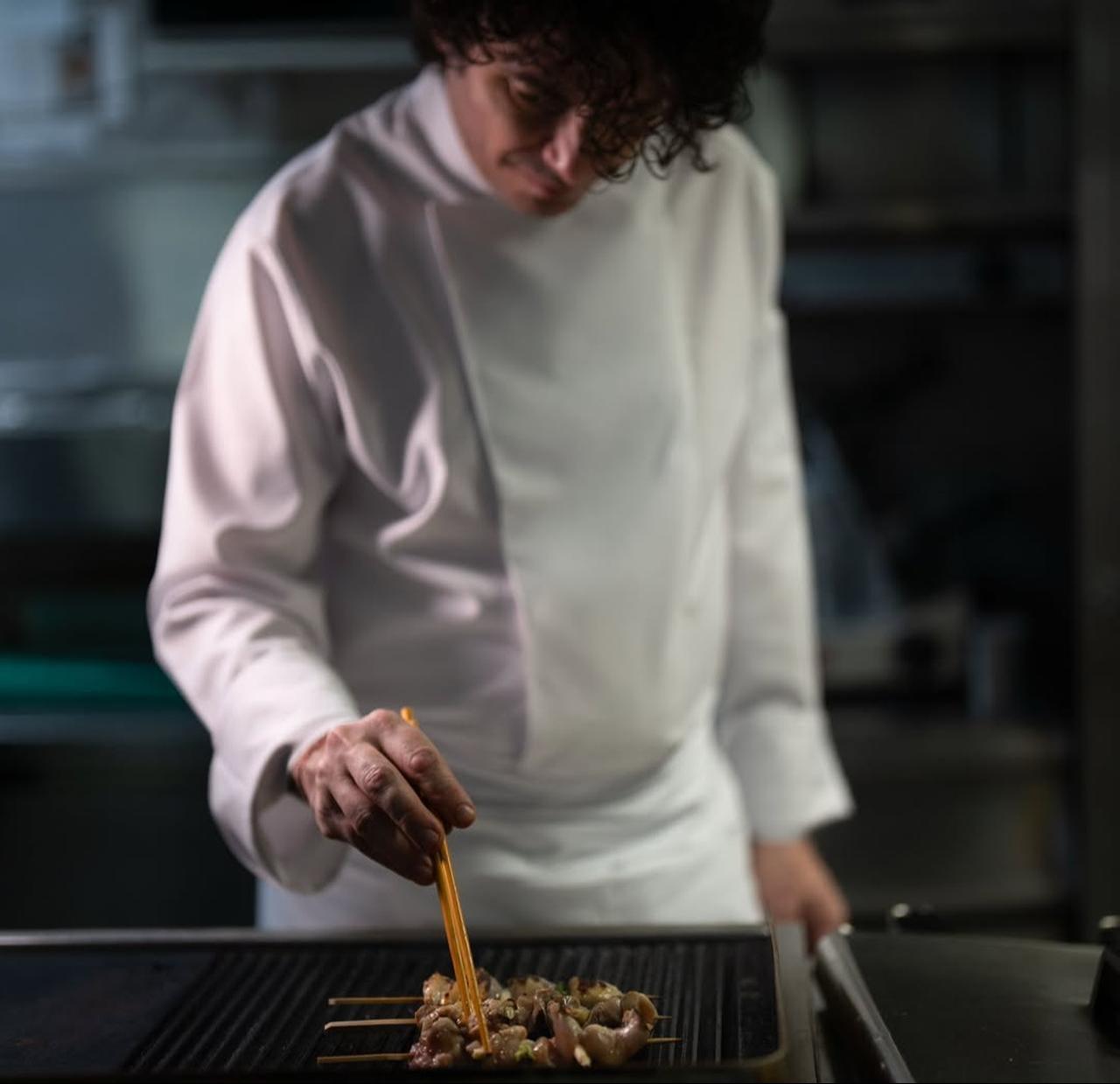
Damgacioglu also talks about the Japanese Culinary Arts bronze certificate, which he describes as a very rare qualification worldwide.
He explained that there is a government-backed program behind this certificate and that he joined it himself in 2016. For him, bringing this program to Türkiye matters both for his own professional journey and for the chefs he teaches.
He observes that many people around the world, including in Türkiye, tend to treat Asian food as a single category and often do not see clear differences between, for example, Thai, Vietnamese, Japanese, Korean or Chinese cuisines.
In his view, the arrival of this Japanese government program in Türkiye helps to break down that generalized “Asian” label and encourages chefs to respect the specific identity of each country’s food.
When he and his colleagues introduced the program to Türkiye, he noted that no equivalent courses were being delivered in Europe or the United States.
At that time, he says, opportunities to study this system outside Japan were limited, and Türkiye emerged as one of the pioneering countries to adopt it. He considers it especially valuable that the scheme now gives Turkish chefs, including those who may never have the chance to travel to Japan, an opportunity to deepen their skills and knowledge through a framework directly connected to Japanese authorities.
Damgacioglu links the imported program to a wider effort to challenge how Japanese cuisine is perceived globally.
Many people, he said, still imagine Japanese food mainly through sushi and a few other familiar elements such as raw fish, wasabi and soy sauce. He wants to move beyond this narrow image.
He stressed that sushi is a single dish, although a very important one, and stated that “sushi is one dish, a very important dish, and a very important culture,” but insisted that reducing an entire culinary tradition to this one item shows a lack of respect for its scale and diversity.
He drew attention to another side of Japanese cooking known as Yoshoku, which he describes as a field shaped by Western influence.
According to him, Japanese society was introduced to this style in the 1800s, and people came to see many of these Western-inspired plates as genuine Japanese dishes in their own right. Today, he notes, Katsu sandwiches, often called “Katsu Sando,” have become famous in cafes in Türkiye and around the world, and he points to them as an example of Yoshoku.
He explained that Japanese cuisine also covers dishes such as seafood pastas and sandwiches that have been adapted and “Japanized” over time and are now cooked in Japanese homes. By highlighting these examples, he aims to show that Japanese food reaches far beyond sushi and that it also includes a rich dialogue with Western cooking.
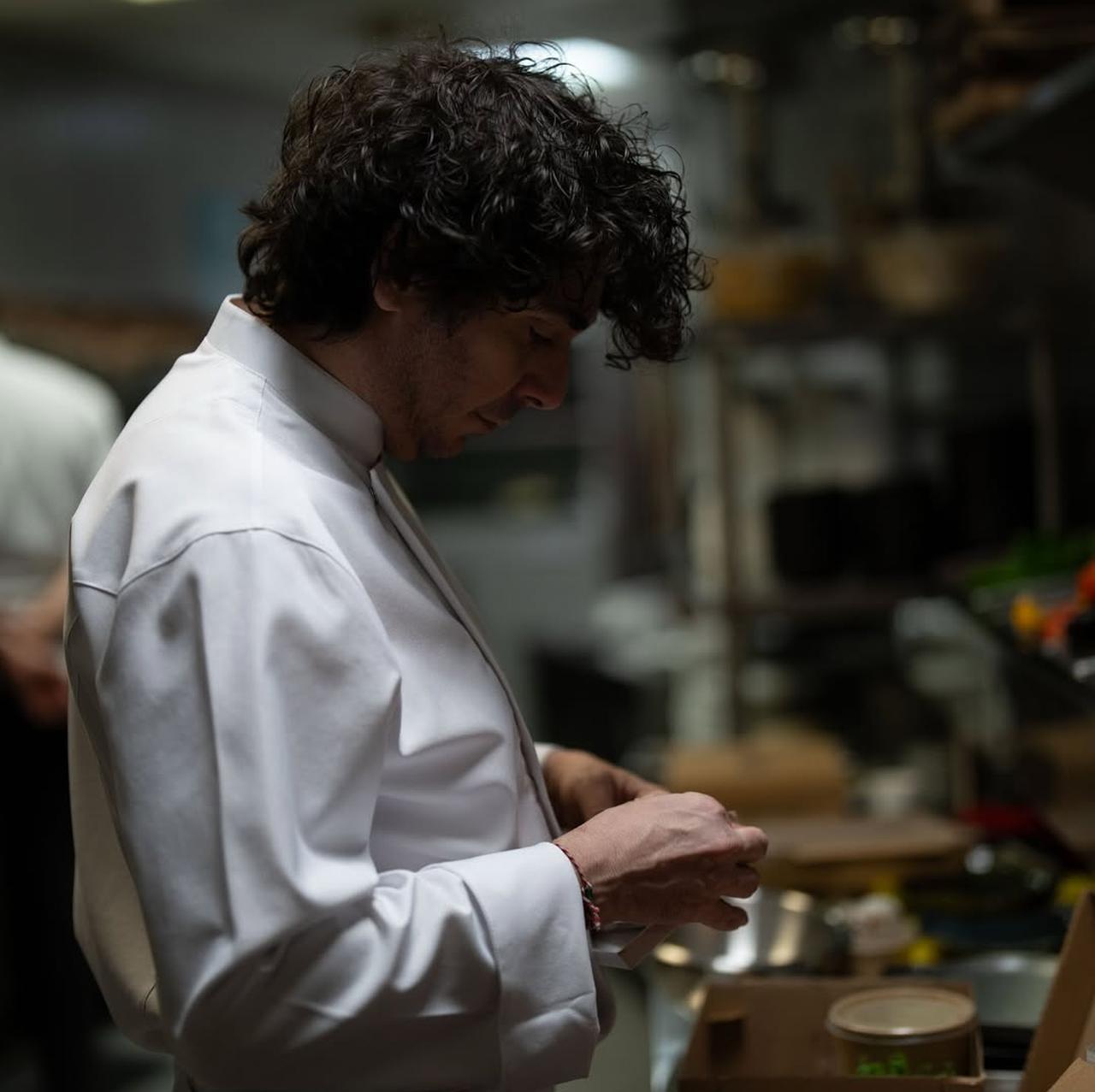
When he turns to fusion cooking, Damgacioglu stresses that it is a very fine line to walk. In his opinion, simply adding soy sauce to a dish does not turn it into a fusion plate.
For him, genuine fusion requires a solid command of both culinary traditions being combined and, ideally, real experience of those countries, including eating their food on the ground. Without that, he argues, it is not really possible to speak about fusion seriously.
The most important principle for him is not to disrupt what he calls the “anatomy” of a dish. He compares each recipe to a human body with essential components.
Using the Turkish specialty Iskender as an example, he says that in order to call something by that name, it must have yogurt, tomato sauce, butter, bread and meat together, because these elements make up its underlying structure. When he creates fusion versions of classic dishes, he tries to keep that skeleton in place and then build variations around it.
He mentioned his approach to gullac, a traditional dessert technique based on dipping very thin pastry sheets into milk.
In his own version, he keeps the gullac sheets and the overall form but soaks them in coconut milk and finishes the dish with Asian fruits, which shifts the flavor profile while preserving the original technique.
He gave a similar example with ceviche, which he describes as a Peruvian dish whose “anatomy” consists of acid, heat, fish and fish stock.
When he adapts ceviche, he replaces each of these elements with counterparts drawn from Japanese cuisine, such as a different kind of acidity or a spicy paste, while still using local fish.
In some cases, he uses dashi instead of fish stock and notes that the anatomy stays intact even as the ingredients come from another country. For him, this is what makes a dish truly fusion rather than simply seasoned with an Asian product.


 Set as preferred source
 Set as preferred source


 2 min read
 1 min read