Newsletters


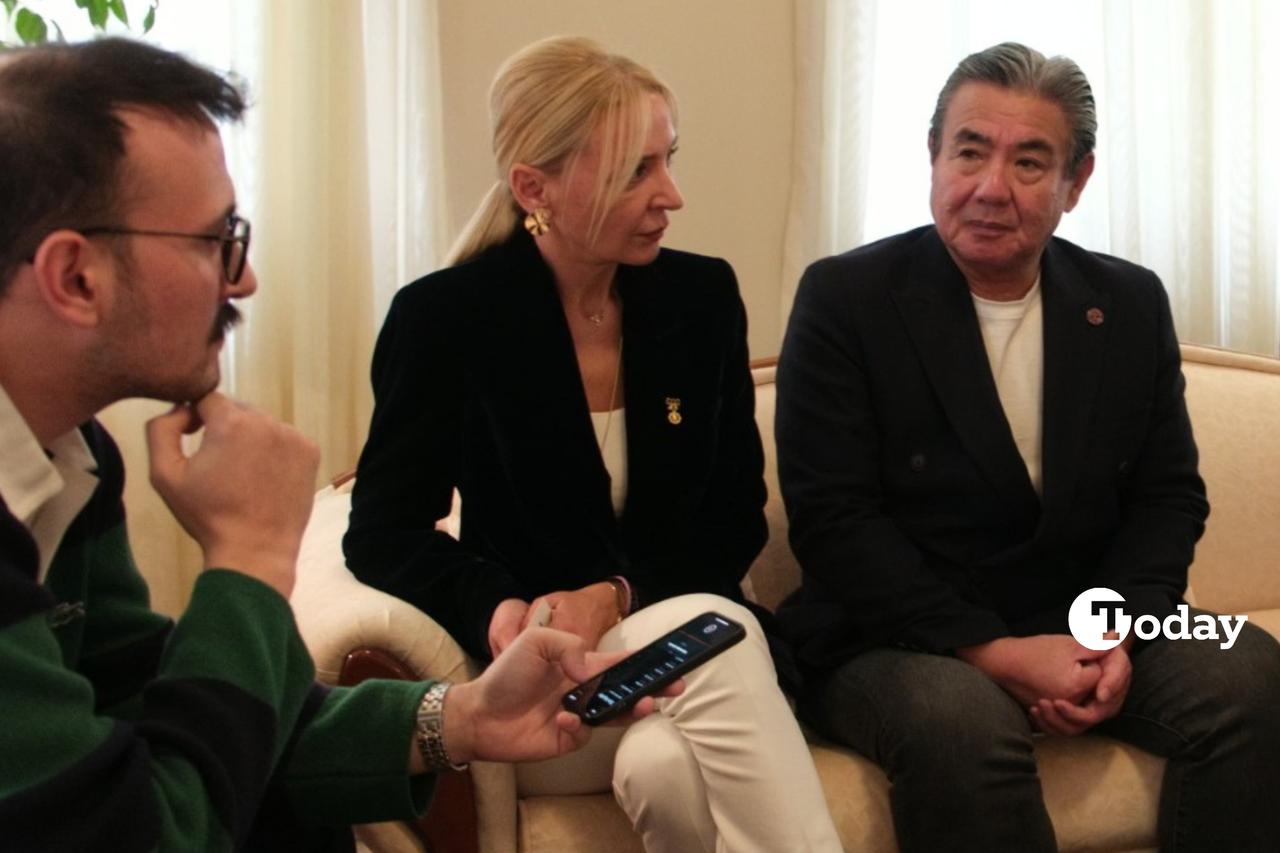


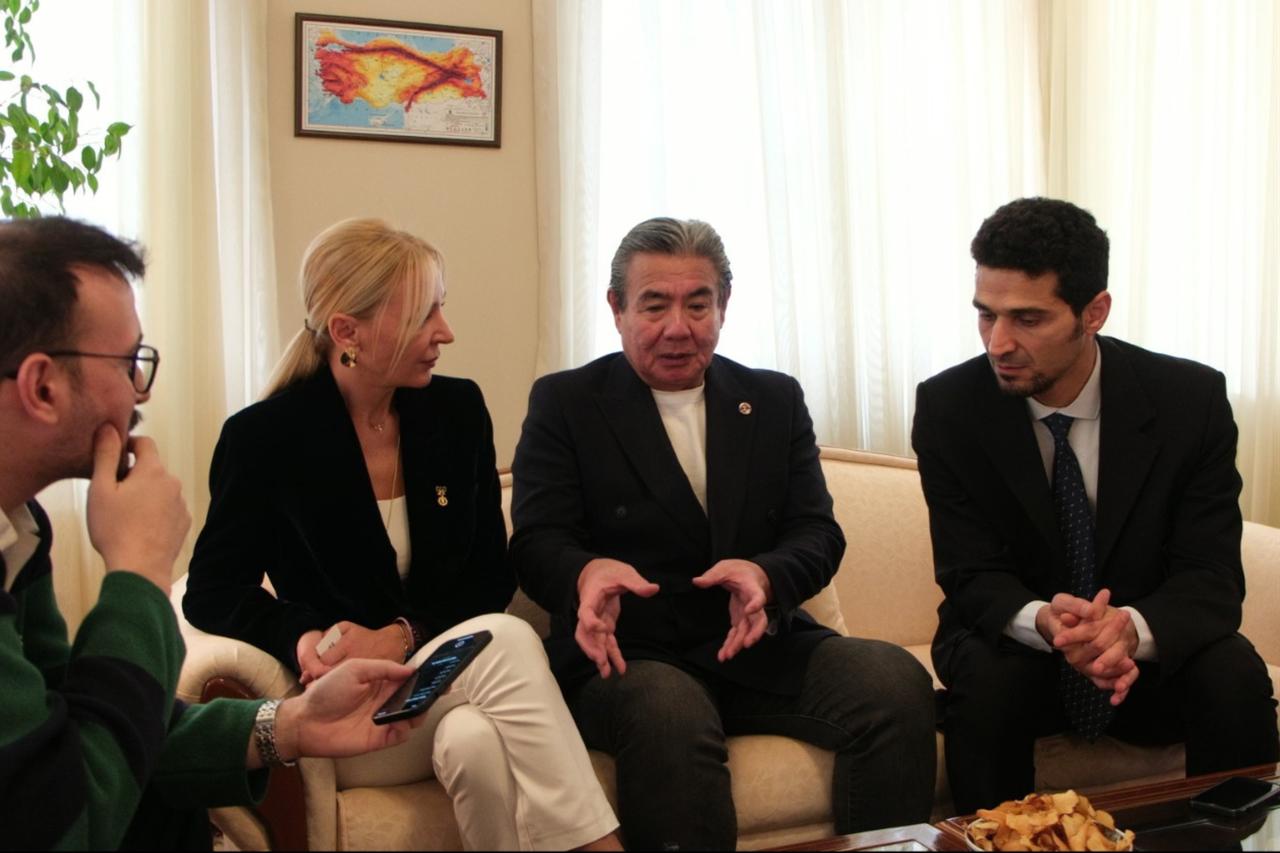
Chef Shunichi Horikoshi told Türkiye Today how he has spent years trying to recreate authentic Japanese flavors in the country during an award ceremony at the Official Residence of Japan’s Consul General in Istanbul.
He and his wife, Pinar Acilan Horikoshi, described how Turkish diners have reshaped the story of their restaurant, Itsumi, a restaurant in the 2025 MICHELIN Guide Türkiye, and the future of Japanese cuisine in the country.
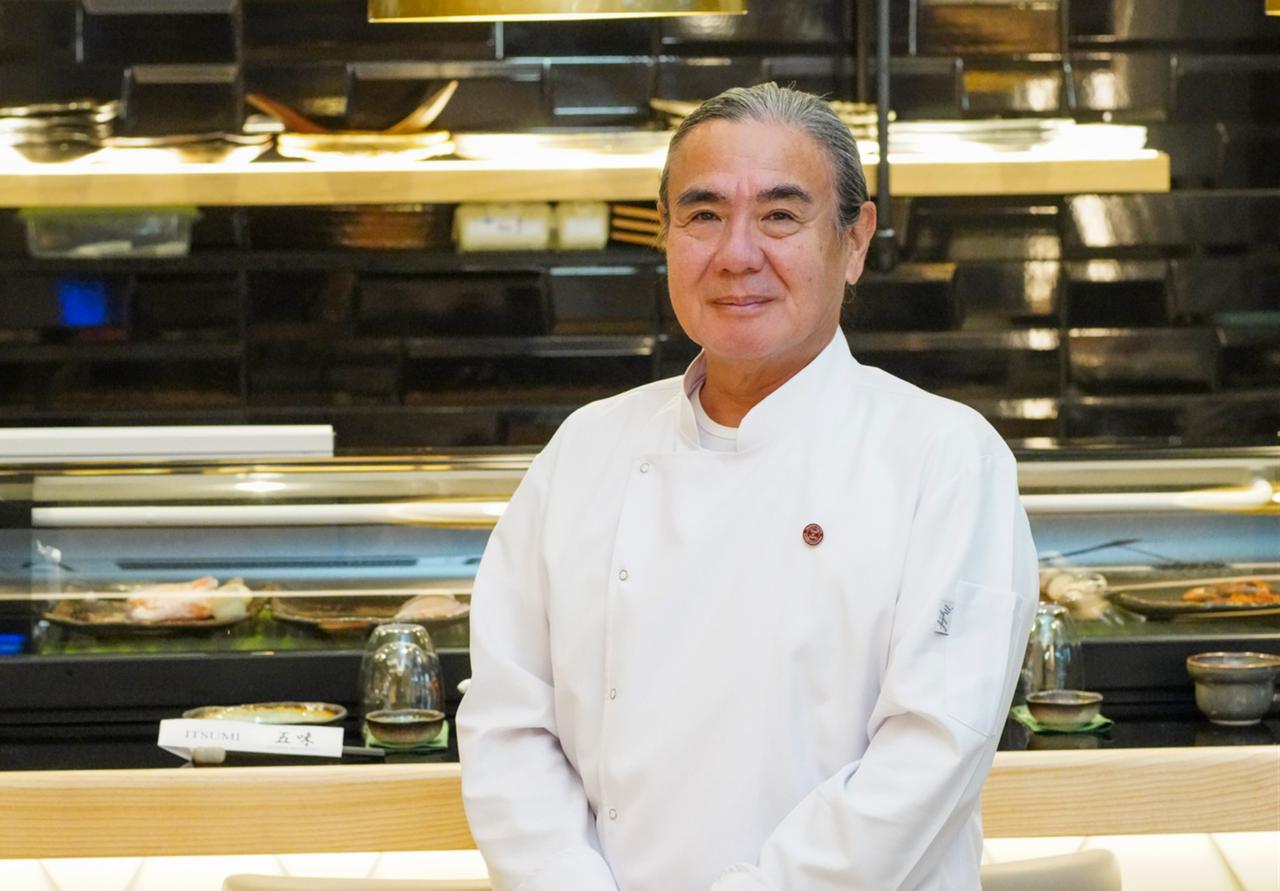

Horikoshi said that many basic ingredients he needed were already available in Türkiye, particularly chicken and a wide range of vegetables, yet bringing these materials closer to a recognizably Japanese taste was a real challenge at the beginning.
He explained that rice vinegar was one of the most difficult elements to replace, so the team initially prepared sushi rice with lemon vinegar, and they also had to make the traditional Japanese sweet and syrupy liquid known as "mirin" themselves.
He added that even finding the right rice required long experimentation. Whenever a new type of rice entered the Turkish market, including varieties such as Egyptian rice and Baldo rice, he tested it carefully to come as close as possible to the taste and texture of Japanese rice.
Flour turned into another testing ground. While Japan uses three different kinds of flour, he recalled that there used to be only a single common flour type in Türkiye, and the packaging did not list protein values. He therefore started to mix the protein levels of two different flours to create something that could stand in for tempura flour.
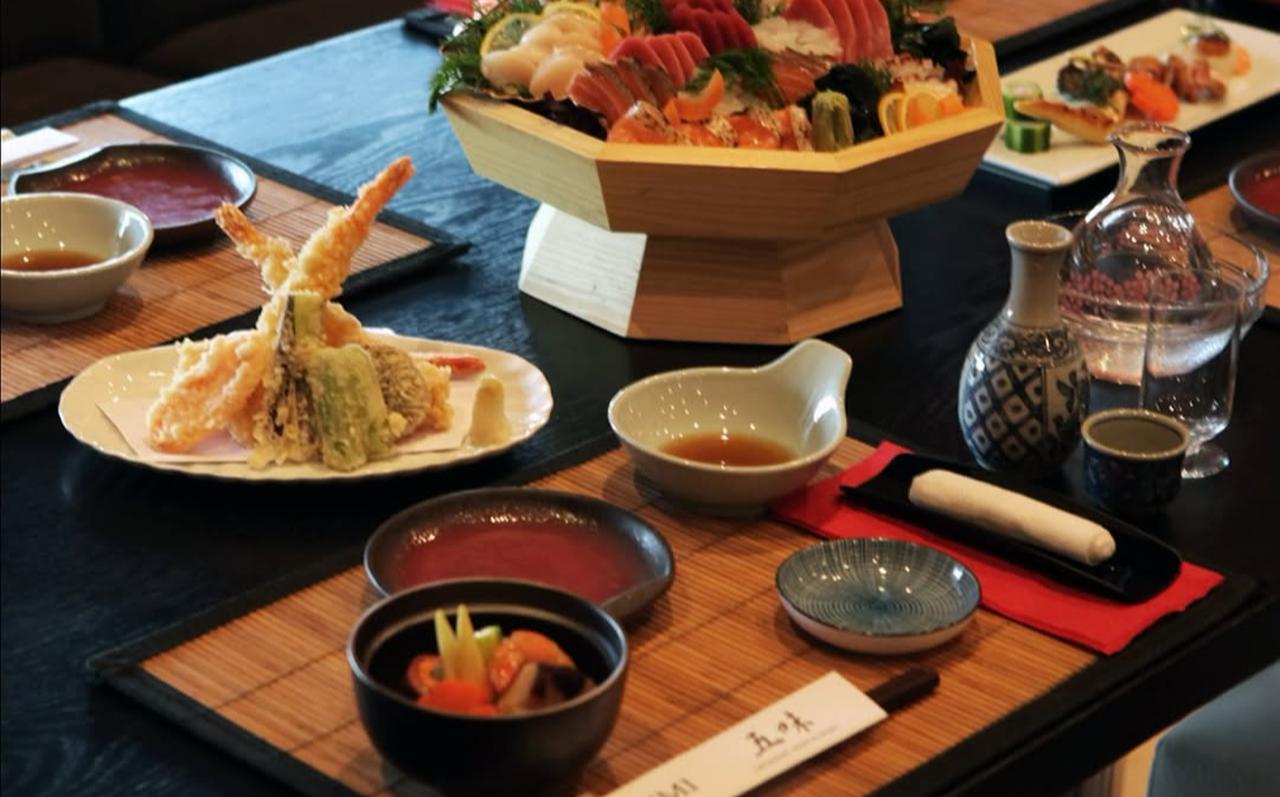
Looking at how perceptions have changed, Horikoshi observed that the image of Japanese food in Türkiye has shifted sharply over the last 20 years.
He said that Turkish guests tend to enjoy richer and stronger flavors and that dishes with heavier taste profiles, such as sukiyaki, teriyaki and yakitori, are among the most popular sauces and preparations for local diners.
Pinar Acilan Horikoshi underlined that, in contrast, traditional Japanese cuisine is much more minimal. She pointed out that dishes such as sashimi and nimono, the family of simple simmered preparations, are designed to allow the ingredient itself to come to the foreground rather than to be covered with heavy seasoning.
Horikoshi remarked that many people still think first of sushi and raw fish when they hear the phrase Japanese cuisine.
He said he has been trying to explain that “Japanese cuisine is not only about sushi and raw fish” by giving training sessions in different places and by introducing people to a much wider range of dishes.
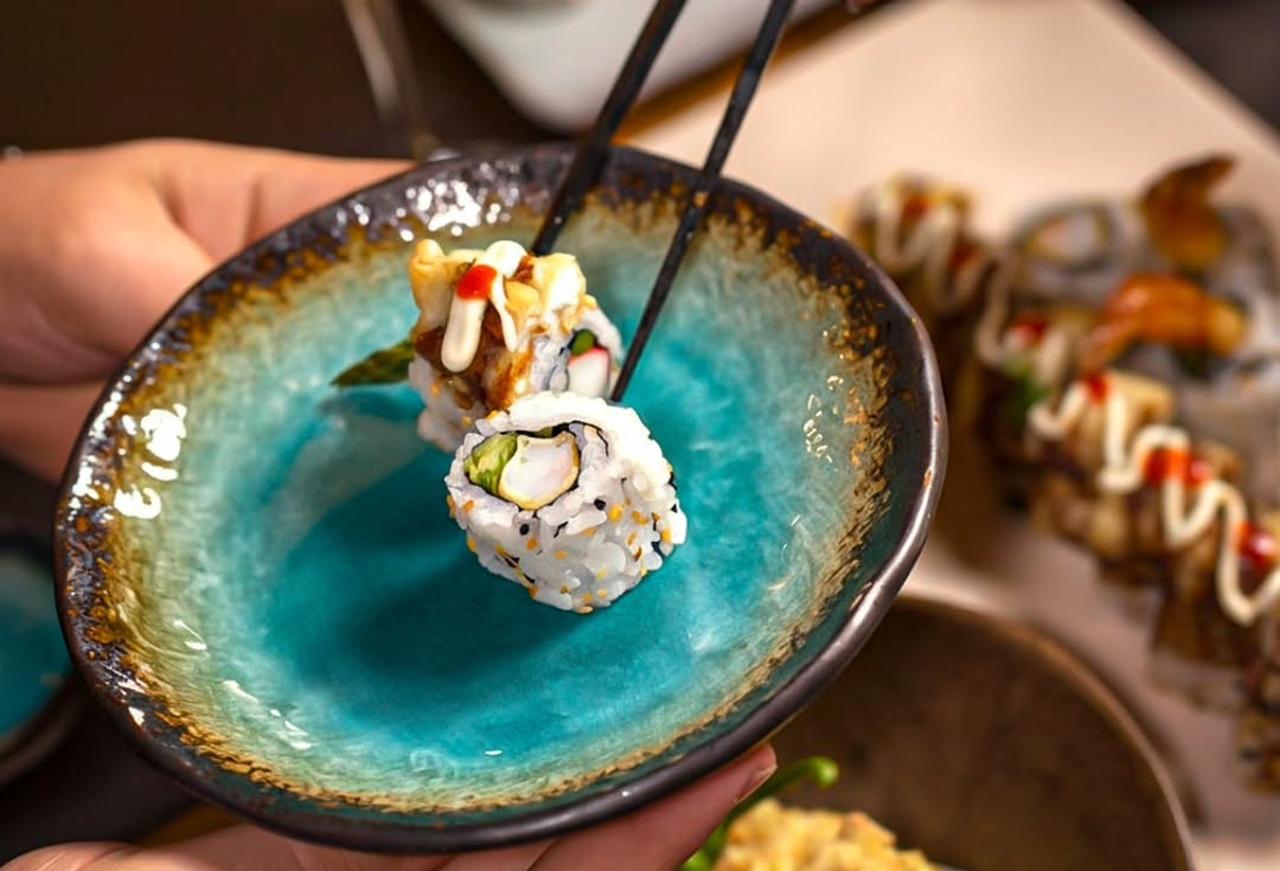
When Itsumi Japanese Restaurant first opened in Istanbul, the main goal was to give Japanese expatriates living in Türkiye a feeling of home. Horikoshi said that this initial mission has gradually evolved and that the restaurant now aims to make everyone who is interested in Japanese food feel at home at Itsumi.
Pinar Acilan Horikoshi said that Turkish guests embraced Horikoshi very warmly and that this changed the course of the restaurant. As she put it, they began to tell people around them that “Japanese cuisine is not only sushi,” and they themselves spread the word.
She added that the restaurant did not carry out advertising campaigns and grew largely through the contribution of guests, for example, through their requests for hot dishes, and that the couple is now trying to respond fully to this support.
She also noted that they are working to train new young chefs and that they join many events under the framework of social responsibility projects. One of their aims, she said, is to enable as many children as possible to taste and experience these dishes.
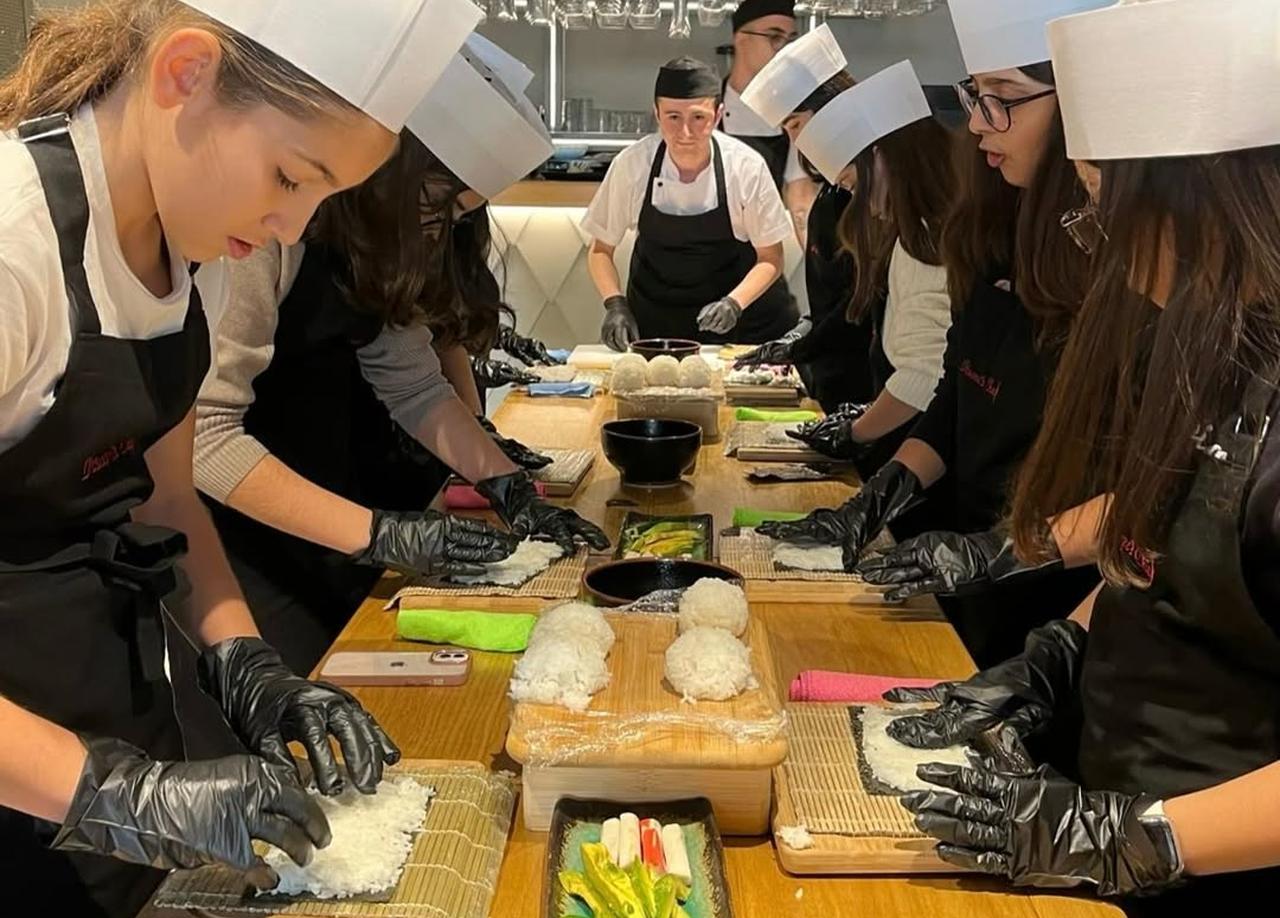
Asked about the future of Japanese cuisine in Türkiye and the areas he recommends to young chefs, Horikoshi turned to a classic structure. He said that, during his Japanese cuisine classes, the first style he tries to explain is called Ichiju Sansai.
He described it as a traditional Japanese meal that consists of rice, soup, one main dish, two side dishes and pickles, and he tries to plant the idea of a tray that brings together three main elements.
He expressed the hope that this style of serving and thinking about a meal will become better known over the next decade. Pinar Acilan Horikoshi added that this is, in fact, the most basic and most traditional menu for Japanese people, and that they are trying to make the hot kitchen, rather than only cold dishes, more visible and more widely experienced.
She explained that Itsumi also offers seasonal dishes. In winter, the restaurant introduces stews served in casseroles, while in summer, it brings in cold noodle dishes, and she said that while Horikoshi often thinks from a student’s perspective, she thinks from the viewpoint of the restaurant and its guests as they introduce new tastes.
Looking at the broader relationship between Japanese and Turkish food cultures, Horikoshi noted that there are many differences.
He said that Japanese cuisine is genuinely simple and tries to highlight the original taste of each product, while Turkish cuisine is much more based on spices, which he sees as the biggest contrast between the two.
As for similarities, he pointed to gyudon, the Japanese beef rice bowl, and compared it to familiar Turkish habits such as eating doner on top of rice or pairing rice with kuru fasulye, the classic bean stew.
All of these, he suggested, can be seen as examples of the comfort of “something on top of rice,” even if the seasonings and techniques change from one country to another.


 Set as preferred source
 Set as preferred source




 6 min read