Sign in
 Newsletters


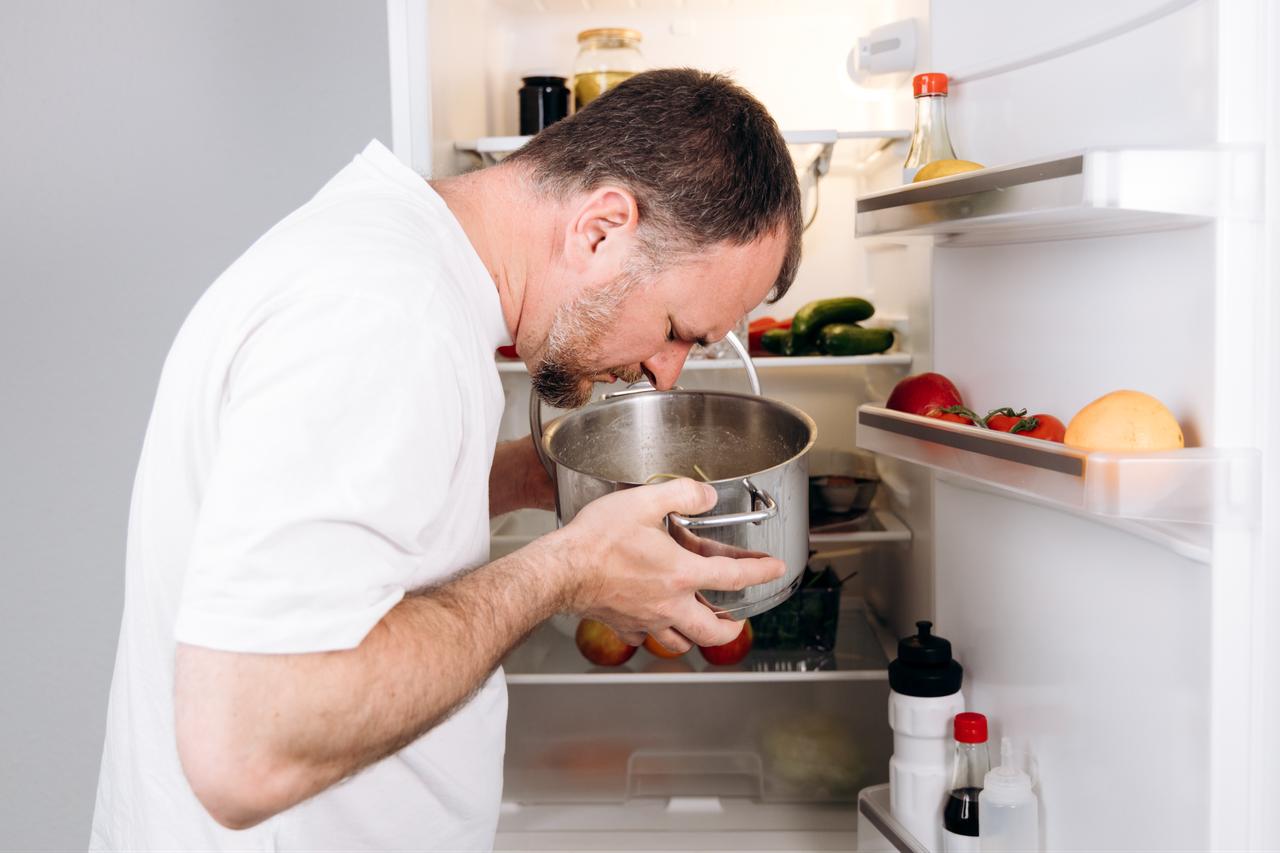


Foodborne illness affects about 48 million people in the U.S. every year, according to figures the New York Times cited.
The issue returned to the agenda this summer as cases spread across the country and reached record levels, the newspaper reported, prompting many people to question whether what they eat is safe.
Most cases are mild. Symptoms such as nausea, vomiting and diarrhea can last several days.
In some cases, complications become serious and, rarely, result in death.
Undercooked meat or eggs, raw milk and cheese made from raw milk are widely known to cause foodborne illness. The New York Times asked experts about other, lesser-known foods.
Barbara Kowalcyk, director of the Institute for Food Safety and Nutrition Security at George Washington University, is among the most cautious of the experts. Her 2-year-old son died in 2001 after an E. coli infection, most likely caused by contaminated ground beef.
Kowalcyk said she doesn't want to tell people what to eat or not to eat, but she believes some foods carry more risk than others. The risk is higher for young children, older adults, pregnant women and people with weakened immune systems.
The experts interviewed named five foods they generally avoid.
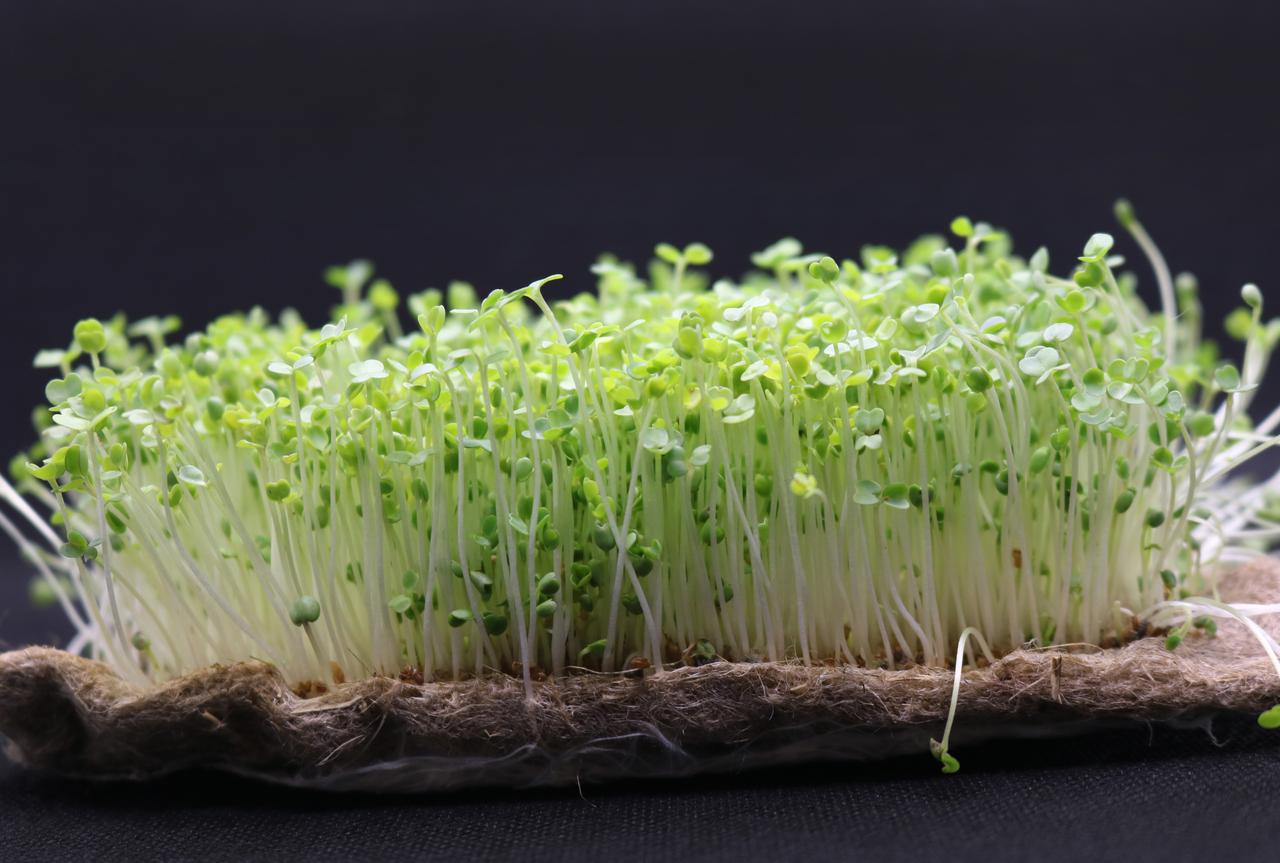

Alfalfa sprouts, bean sprouts, broccoli sprouts and other edible sprouts are grown in warm, humid conditions. Ellen Shumaker, a food safety specialist at North Carolina State University, said this creates "a perfect environment for bacteria to multiply."
Between 1996 and 2020, sprouts were linked to at least 52 outbreaks in the US caused by Salmonella, listeria or E. coli. This summer, two separate foodborne illness outbreaks were tied to broccoli sprouts and alfalfa sprouts.
According to Shumaker, the only way to eat sprouts without risk is to cook them thoroughly.
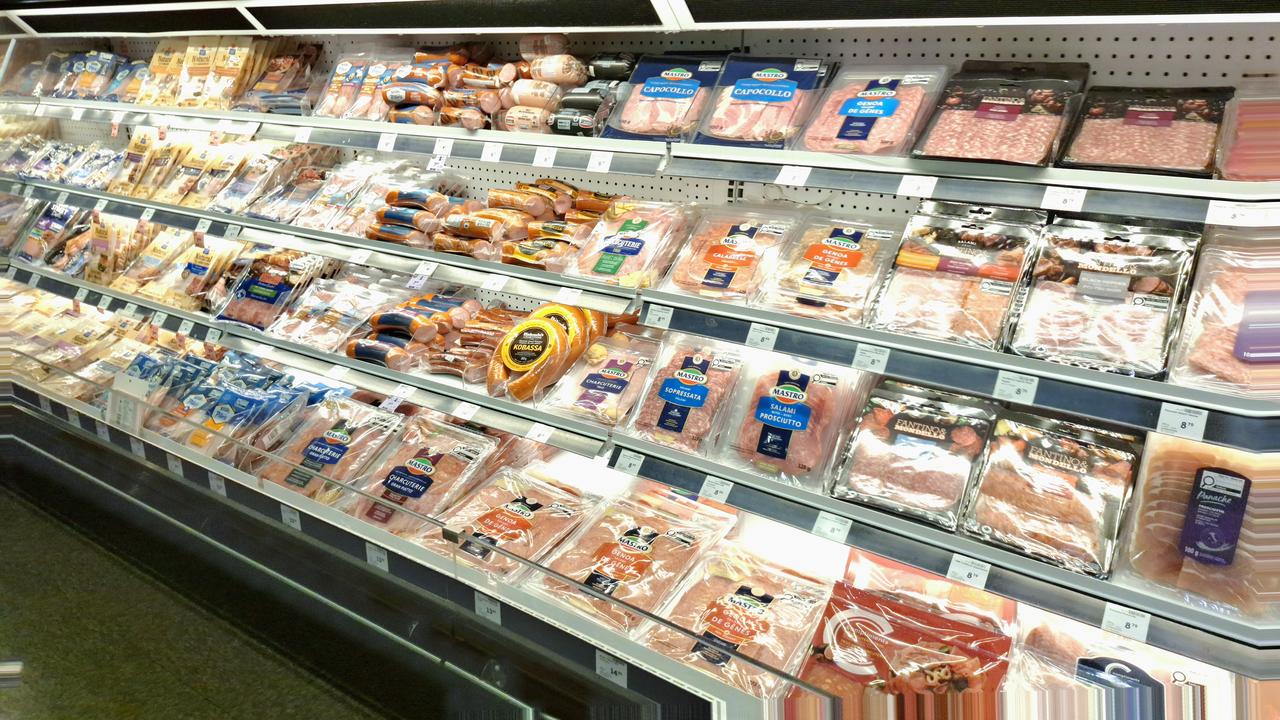
Deli products have been the source of several large listeria outbreaks in recent years. One outbreak, linked to Boar's Head branded meat products in 2024, led to 60 hospitalizations and 10 deaths.
Listeria is common in soil and water and can contaminate meat processing equipment and preparation surfaces. Unlike most other bacteria, it can grow at refrigerator temperatures, so it can multiply in meats kept in cold deli cases or in home refrigerators.
Kowalcyk said deli products are particularly prone to contamination because a single contaminated item can transfer bacteria to a meat slicer, which can then spread listeria to other meats. When buying cold cuts, she generally chooses prepackaged ones, which tend to have more safety measures in place.
Listeria infections can be far more serious for people in high-risk groups. Health officials advise these people to heat deli meats to 74 degrees Celsius (165 degrees Fahrenheit) or until steaming hot, or to avoid them entirely.
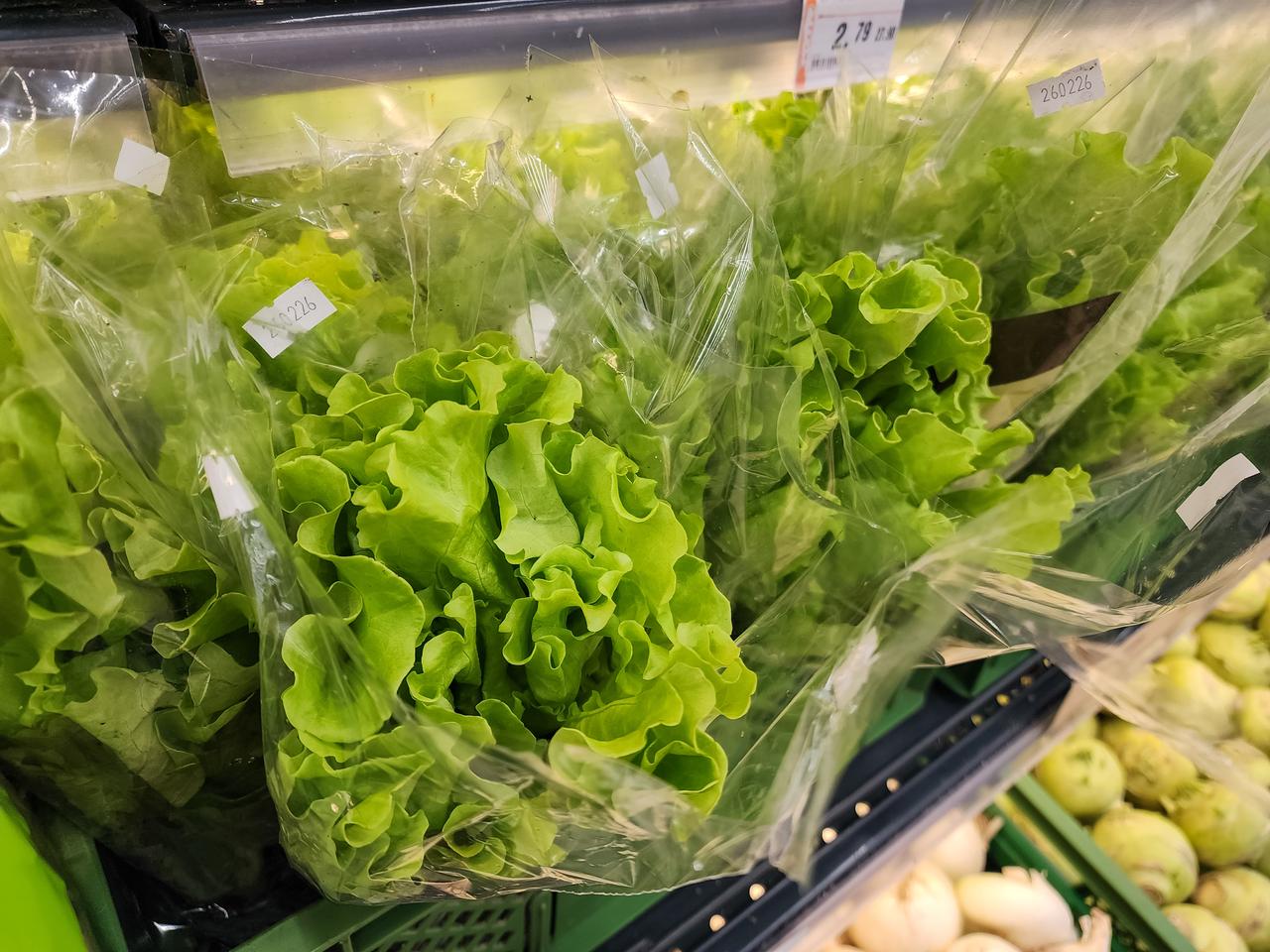
Bill Marler, a Seattle-based attorney who specializes in food safety, avoids bagged salad greens. Many heads of lettuce are cut, washed and mixed with others, so contamination from a single head can spread to many packages. "If something goes wrong, it goes wrong on a very large scale," Marler said.
Marler buys whole heads of lettuce and washes them at home. He said this is not entirely risk-free but is safer. He also generally avoids ordering salads at restaurants, as restaurants often use prepackaged greens.
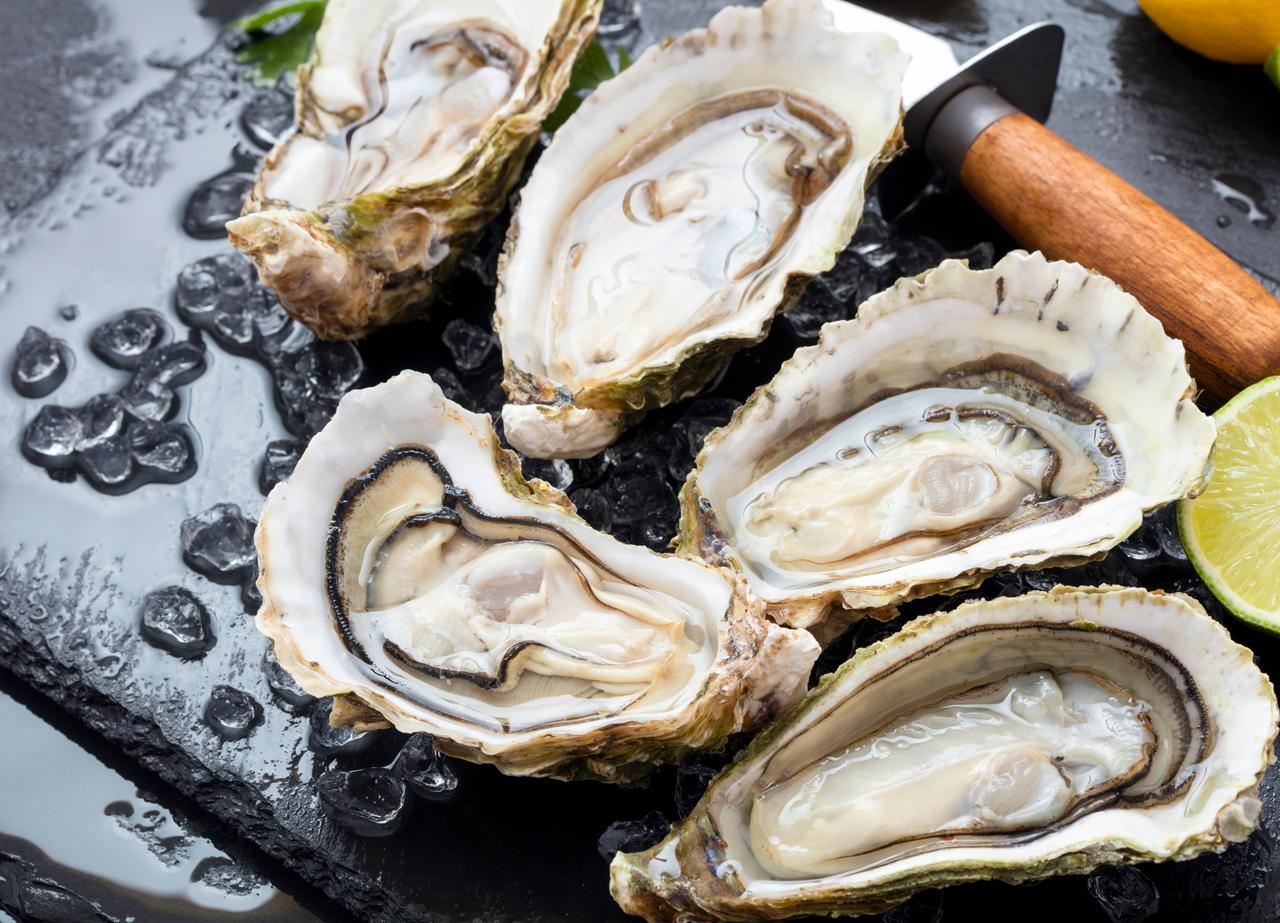
Matthew Moore, a food safety microbiologist at the University of Massachusetts Amherst, avoids raw oysters, scallops and other raw shellfish such as mussels. According to Moore, shellfish feed by filtering water through their bodies, so disease-causing microorganisms can accumulate and cause illness when eaten raw.
Norovirus, which causes vomiting and diarrhea, is among the most common pathogens spread through raw oysters. Researchers estimate that about 60,000 norovirus infections in the US each year come from raw oysters.
Shellfish can also carry Vibrio, bacteria found in coastal waters that can cause serious infections and death. According to the US Centers for Disease Control and Prevention (CDC), most of the 52,000 people who contract a foodborne Vibrio infection each year become ill from eating raw or undercooked shellfish, particularly oysters.
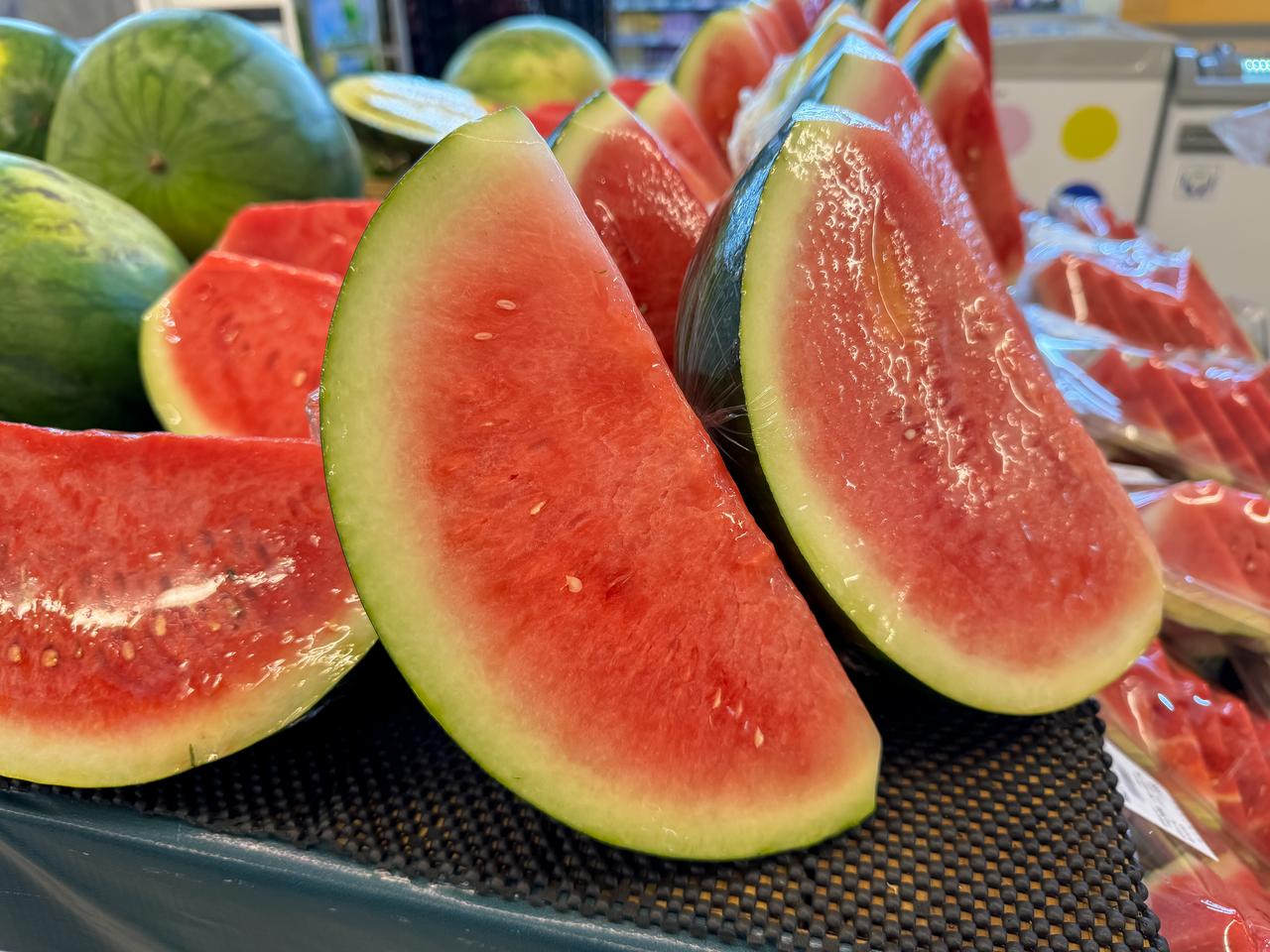
Sandra Eskin, a former food safety official at the US Department of Agriculture who now leads the nonprofit Stop Foodborne Illness, said melons ripen on the ground and can come into contact with disease-causing microorganisms in the soil. The rough rind of cantaloupe in particular gives contaminants a surface to cling to.
When a melon is cut, "everything on the outer surface is carried inside," Eskin said. If contaminated pieces are then packaged and sold, microorganisms can multiply, especially if the fruit isn't kept cold enough.
A 2025 study found that cantaloupe, watermelon and honeydew melon caused 18 outbreaks linked to Salmonella or Listeria in the US between 2012 and 2021. Most cases involved pre-cut melon. The most likely causes were contamination during cutting and inadequate refrigeration.
Eskin buys whole melons and scrubs them under running water with a vegetable brush before cutting. She tries to avoid pre-cut melon because she does not know how it was prepared. "It is not worth the risk," Eskin said.


 Set as preferred source
 Set as preferred source



 2 min read