Sign in
 Newsletters


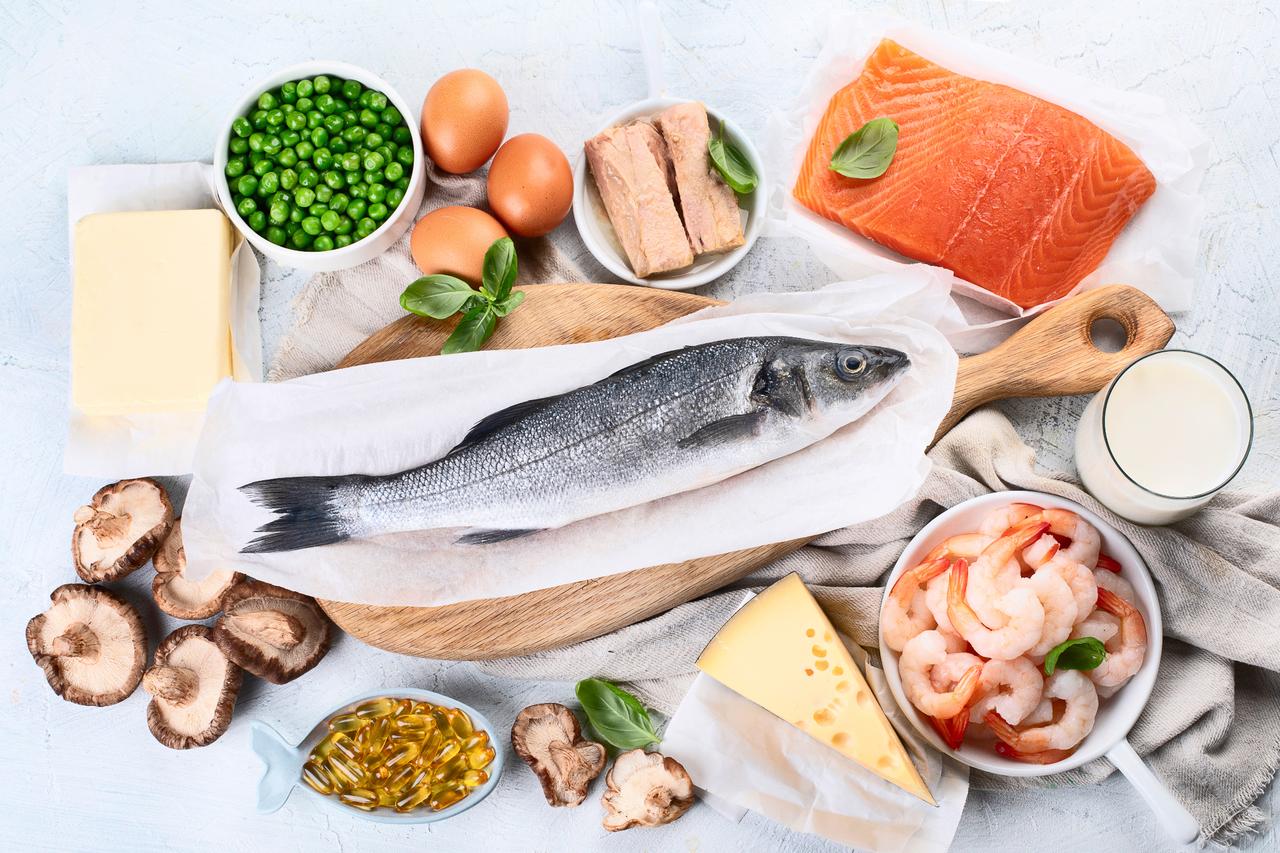


Shorter days and less time outdoors in winter can reduce the body's vitamin D production, The Independent reported, citing dietitian and nutritionist Katie Sanders. Vitamin D supports bone and muscle health and can also be obtained from certain foods.
Sanders said vitamin D supports the absorption of calcium and phosphorus, which makes it important for bone and muscle health. "It also appears to play a part in how the immune system works," she said.
Direct sunlight is the main source of vitamin D, which is why it is often called the "sunshine vitamin." Sanders said regular time outdoors in spring and summer usually allows the body to produce enough, but levels tend to fall in winter because of reduced exposure to sunlight and ultraviolet (UV) rays.
According to the U.K.'s National Health Service (NHS) website, vitamin D deficiency can cause bone deformities such as rickets in children. In adults, it can lead to osteomalacia, a condition that causes bone pain.


Sanders said the NHS recommends 10 micrograms of vitamin D a day for children over 1 and adults. The recommendation also covers pregnant and breastfeeding women and people at risk of deficiency. For babies under 1, the recommended amount ranges from 8.5 to 10 micrograms a day.
Many products are marketed as rich in vitamin D, but Sanders highlighted four foods that stand out for their content.

Salmon is among the richest natural food sources of vitamin D. According to the British Heart Foundation, 100 grams of steamed salmon contains about 9.3 micrograms.
Sanders said eating oily fish such as salmon several times a week also benefits heart health. She said salmon can be poached, baked or cooked in a pan.

Mackerel, another oily fish, is also on Sanders' list. The British Heart Foundation says 100 grams of grilled mackerel contains an average of 8.5 micrograms of vitamin D. Canned mackerel is a more affordable alternative to salmon.

One egg contains about 1.7 micrograms of vitamin D, according to the British Heart Foundation. You can prepare eggs in different ways and add them to many meals. Sanders suggested boiled eggs at breakfast or as a snack and an omelet at lunch.

Many products on supermarket shelves, particularly in the dairy and breakfast cereal aisles, carry a "vitamin D added" label. Sanders said plant-based milk alternatives, breakfast cereals, yogurts and spreads are often fortified with the vitamin. Vitamin D is not naturally present in these products, but adding it helps increase daily intake, she said.

Sanders said food can provide vitamin D, but the amount is generally not sufficient. "We can get vitamin D through food, but the amount we get from foods is quite limited. Most of the vitamin D our body produces comes from sunlight," she said. She added that because UV exposure and sunlight decrease in winter, many people should consider taking vitamin D supplements during this period.
Some people may not produce enough vitamin D because they get little or no sun exposure. The report said people who suspect a deficiency should speak to a general practitioner or health professional about a blood test.
Sanders said there are different thresholds for vitamin D insufficiency and deficiency. "If a person is clinically deficient and their level is very low, a doctor may prescribe a high-dose supplement to bring it back to the normal range," she said.


 Set as preferred source
 Set as preferred source



 3 min read