Newsletters


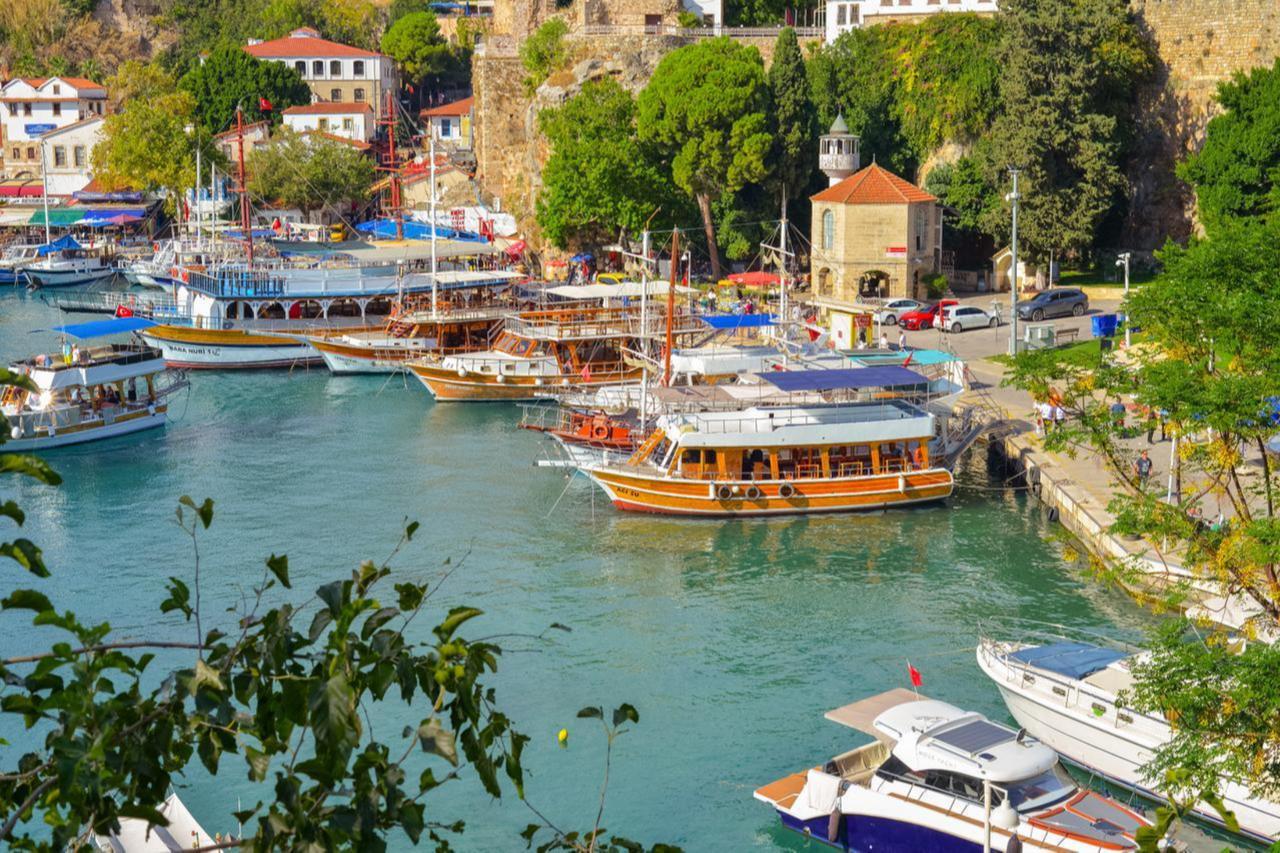


The 2026 global quality of life index has ranked five cities from Türkiye among hundreds of urban centers worldwide, while Dutch cities claimed the top five spots in the list.
The index evaluates cities based on safety, health care services, purchasing power, environmental cleanliness, and cost of living.
Researchers combine economic indicators with social infrastructure data to assess how cities perform across multiple dimensions of daily life. The report describes itself as one of the most comprehensive global assessments because it measures both financial stability and access to public services.
According to the 2026 data, European cities lead the rankings, with the Netherlands emerging as the clear frontrunner.
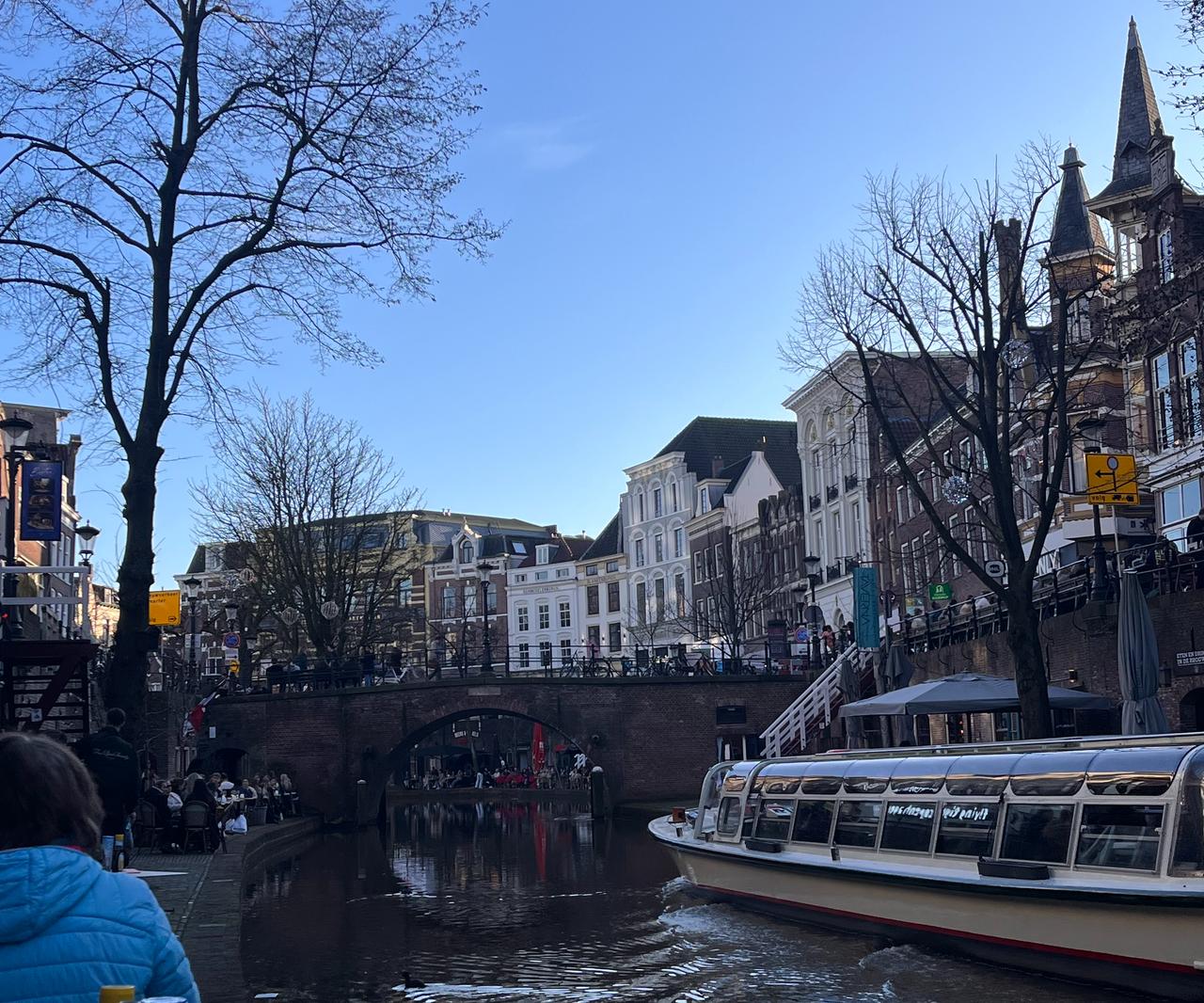

The 2026 ranking places five Dutch cities at the very top:
Luxembourg ranks sixth, followed by Vienna in Austria and Amsterdam in the Netherlands. Ghent in Belgium and Nuremberg in Germany complete the top 10.
European cities dominate the upper tier of the index. They perform particularly well in environmental quality and purchasing power, two criteria that significantly influence overall livability scores.
Dutch cities in particular rank highly across safety, income balance, and urban services, placing them ahead of other global competitors in 2026.
Five cities from Türkiye appear in the 2026 index:
Although none enter the top 100, their inclusion reflects their performance across the index’s core criteria. Each city represents a different regional and economic structure within Türkiye, which helps explain their varying positions.
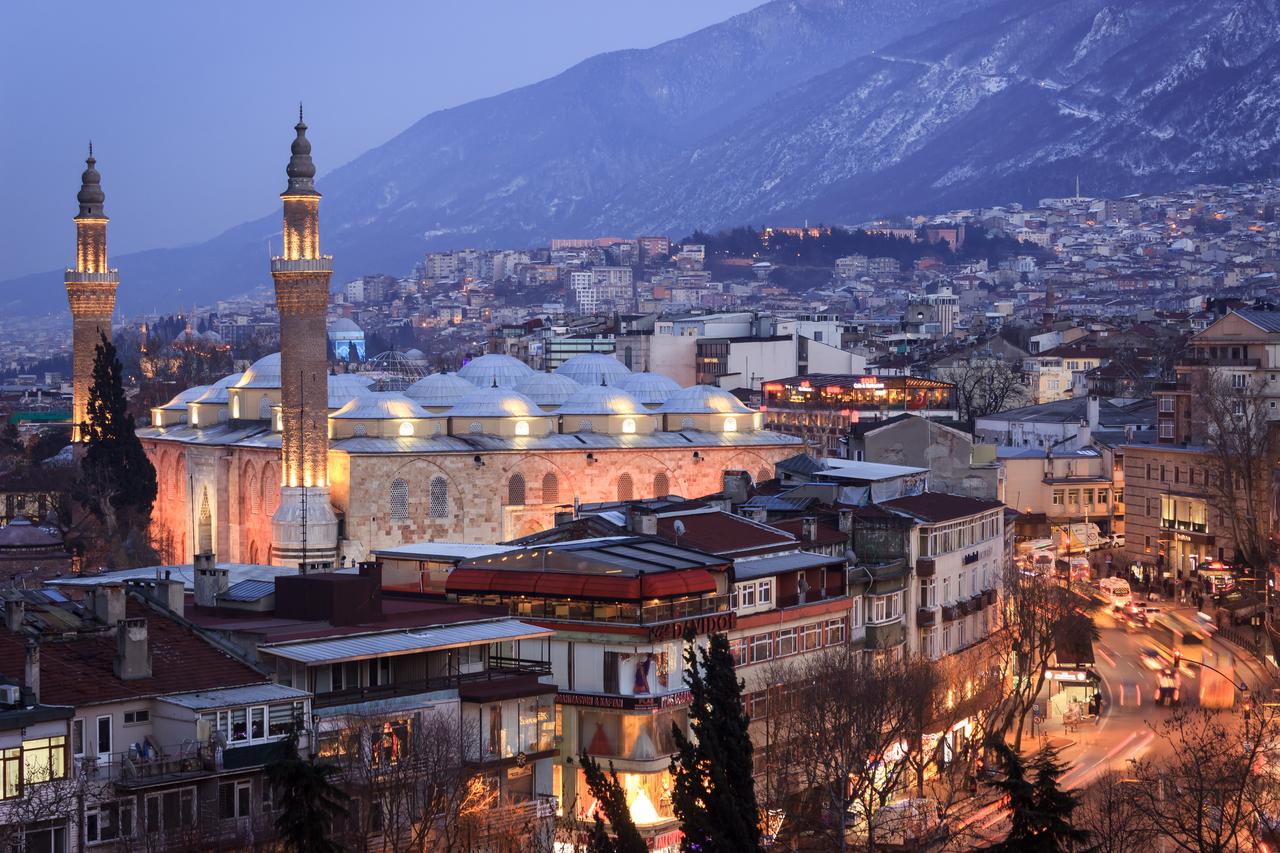
Bursa, the highest-ranked Turkish city at 116, has deep historical and industrial roots. As the first capital of the Ottoman Empire, it developed early administrative and commercial infrastructure.
Today, Bursa remains one of Türkiye’s major manufacturing centers, especially in automotive and textile production. Its proximity to Istanbul also strengthens its economic integration while offering lower living costs compared to the country’s largest metropolis.
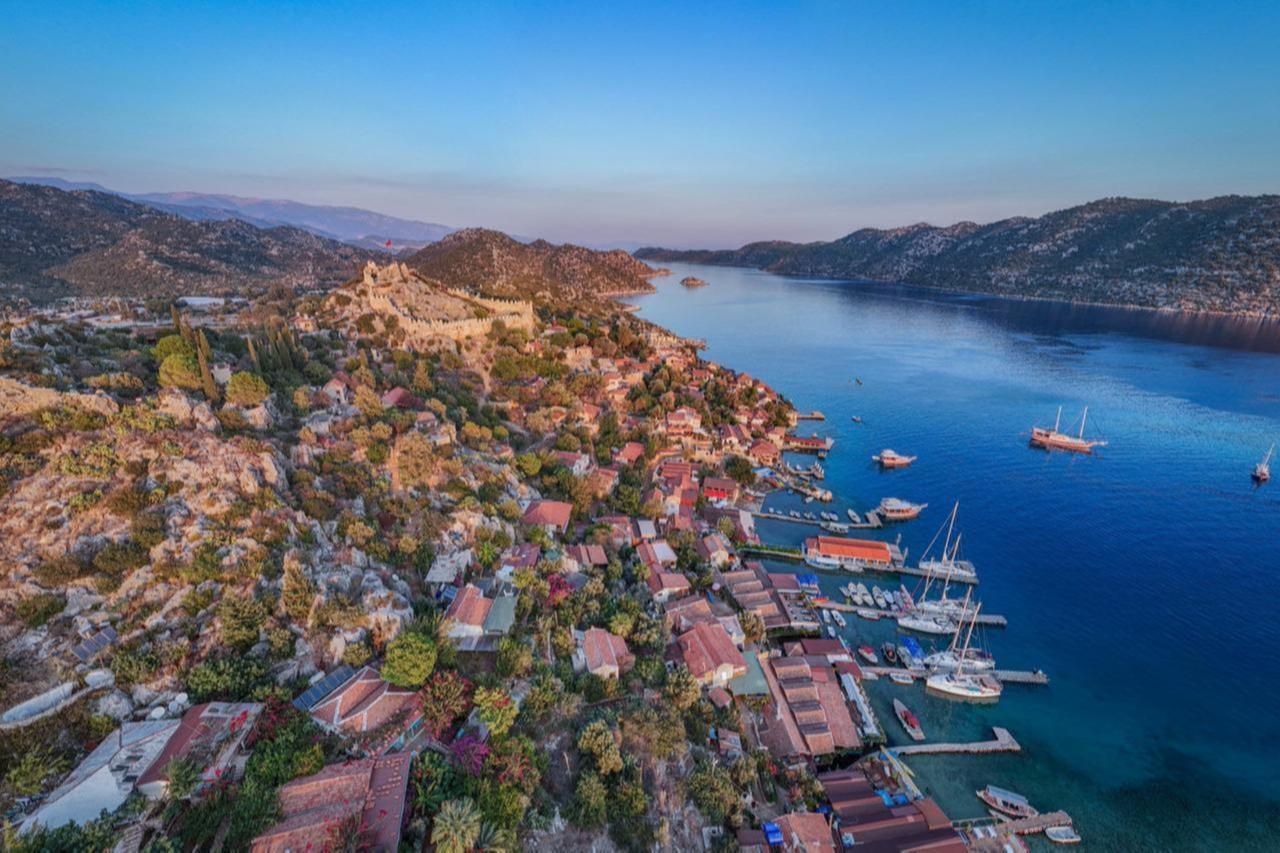
Antalya, ranked 154, stands as one of Türkiye’s most prominent tourism destinations along the Mediterranean coast. The city’s economy relies heavily on international tourism, hospitality and seasonal services.
Its ranking reflects both the benefits and pressures associated with a tourism-driven economy, including fluctuations in purchasing power and cost of living.
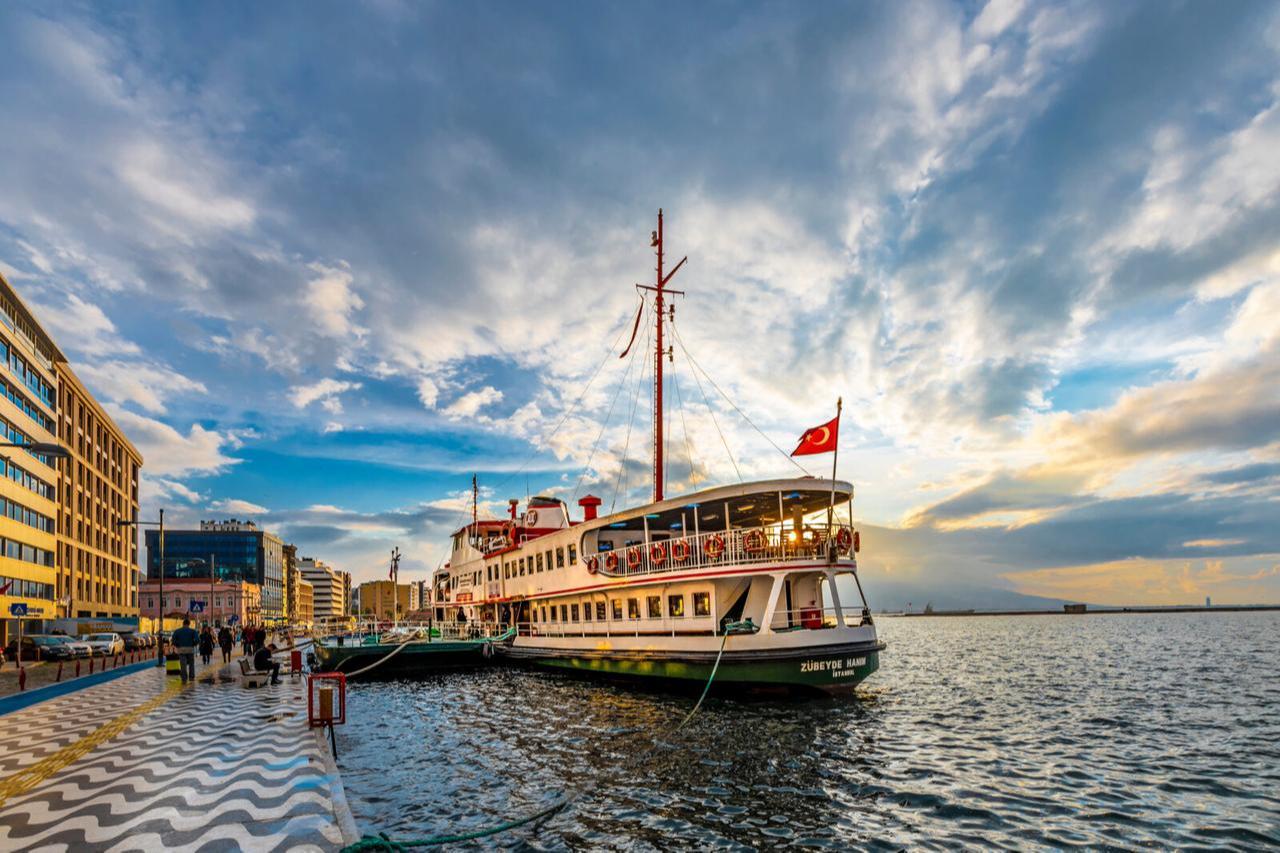
İzmir, ranked 188, functions as a key port city in western Türkiye. Historically known as a major Aegean trade hub, İzmir continues to play a central role in maritime commerce and export activity.
Its coastal location and diversified economy contribute to its standing in the index.
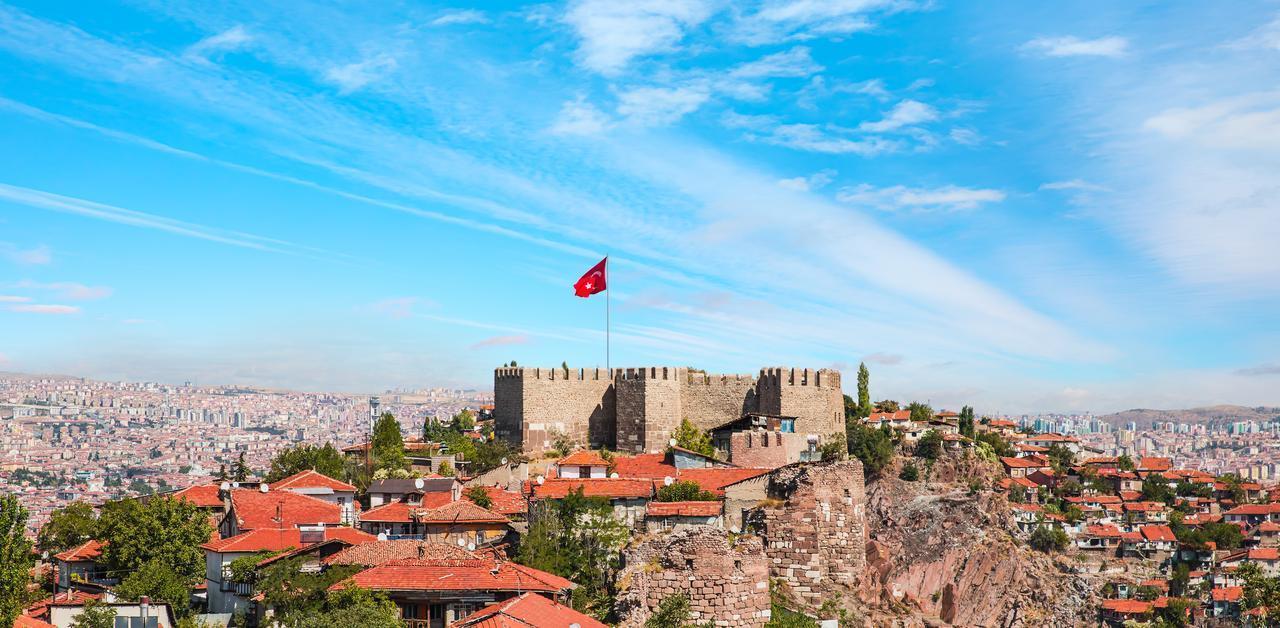
Ankara, at 205, serves as the political and administrative capital of Türkiye. Government institutions, public sector employment, and diplomatic missions shape much of the city’s economic profile.
While it does not match Istanbul’s financial scale, Ankara maintains a stable administrative infrastructure.
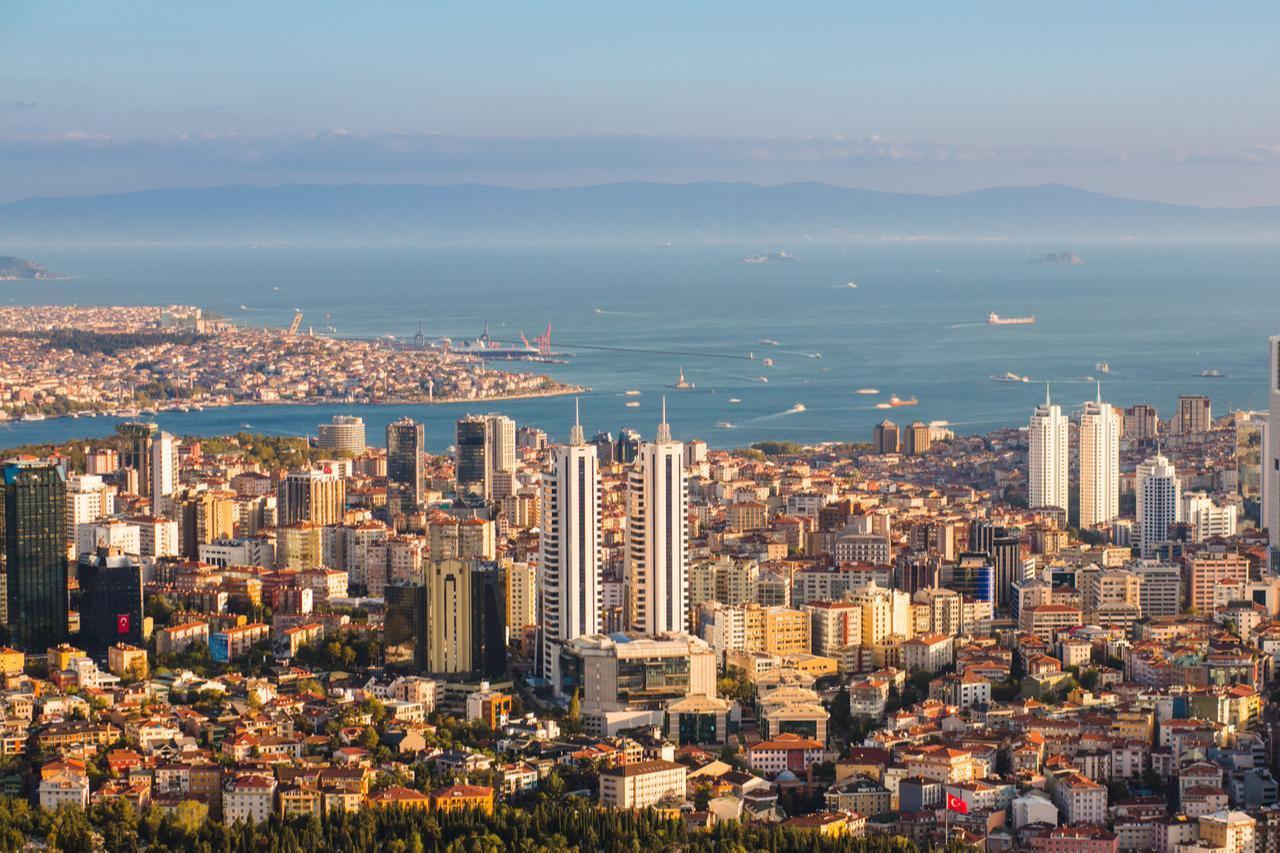
Istanbul, ranked 242, remains Türkiye’s largest city and financial center, with a population exceeding 15 million. As a global crossroads between Europe and Asia, Istanbul hosts major banks, corporations, and cultural institutions.
However, high population density, rising living costs, and infrastructure pressures may affect its overall quality of life score compared to smaller European cities.
The 2026 index reflects broader European strength in environmental standards and purchasing power while also highlighting regional disparities.


 Set as preferred source
 Set as preferred source


 2 min read