Newsletters


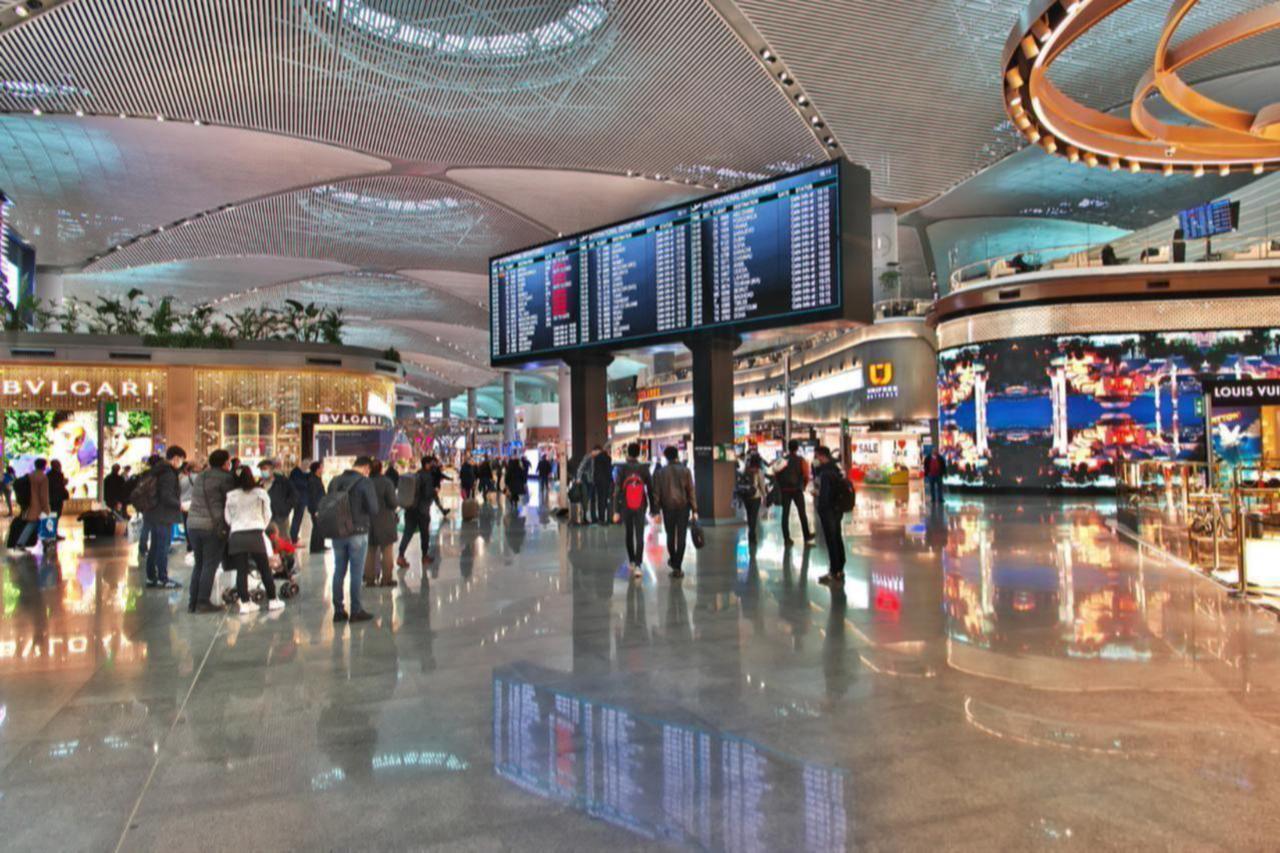


The regional conflict is shaking up summer travel plans across the Eastern Mediterranean, but rock-bottom flight prices and steadfast safety reassurances might just keep tourists flocking to Türkiye.
Turkish tourism officials are moving to calm international markets as escalating Middle East tensions impact travel patterns across the Eastern Mediterranean.
Despite a surge in regional security concerns, the Republic of Türkiye’s Ministry of Culture and Tourism confirmed that all major resorts and hubs remain fully operational and unaffected.
The move follows a period of volatility initiated by mutual attacks between the U.S., Israel, and Iran since late February. While these events have caused a drop in bookings for several countries in the region, Turkish authorities emphasise that the nation’s tourism infrastructure is proceeding without disruption.
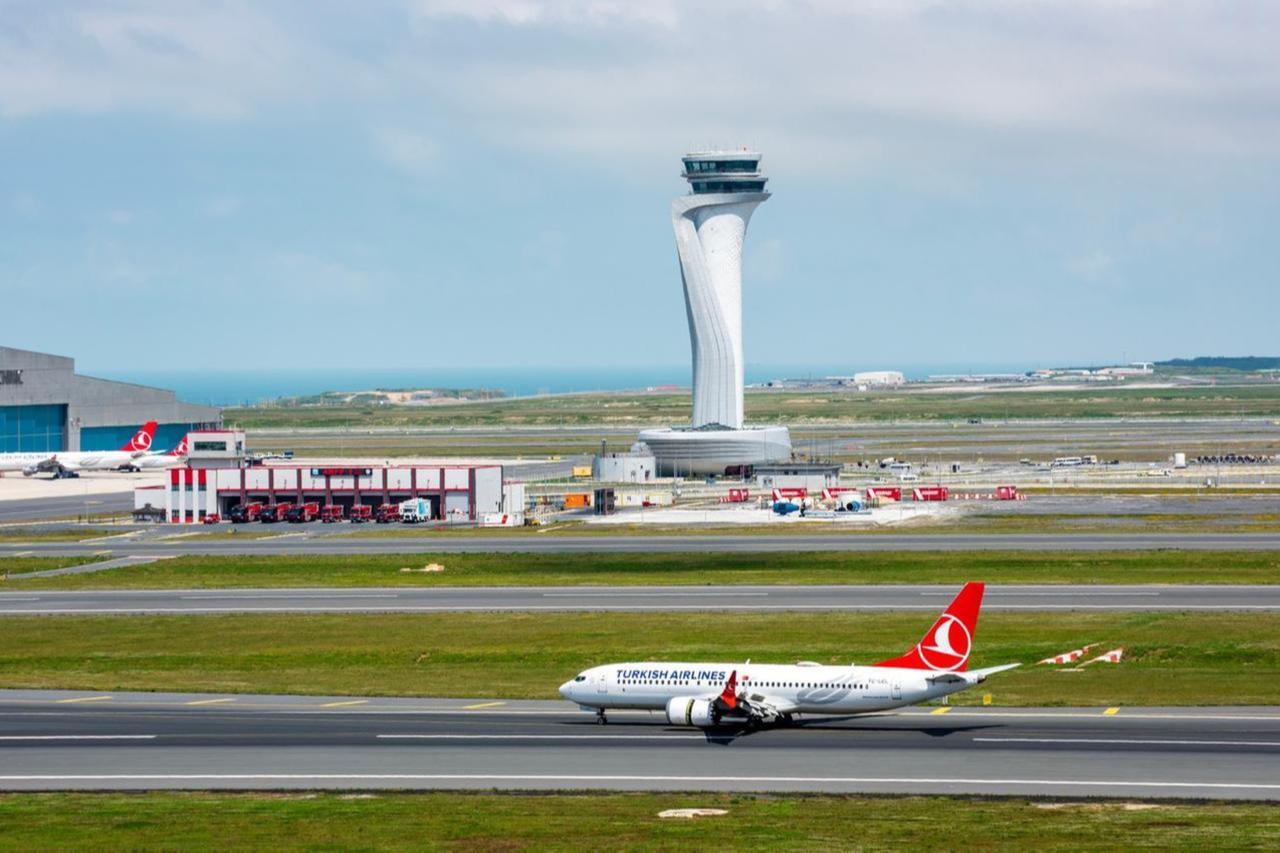

Turkish officials and the Türkiye Tourism Promotion and Development Agency (TGA) have issued briefings to the international press to counter rising travel anxiety.
They report that major international gateways, including Istanbul, Antalya, Bodrum, and Izmir, have seen no flight cancellations or restrictions linked to the conflict.
The Ministry released a statement confirming that all tourism operations, including hotels, resorts, and excursions, are running as planned.
"Summer 2026 is on sale. Tour operators, OTAs, and booking partners are encouraged to actively sell Türkiye for the full 2026 summer season," the Ministry stated, according to Daily Mail.
This push for confidence comes after a record-breaking 2025, during which Türkiye welcomed 64 million international visitors, solidifying its position as the world's fourth most popular tourist destination.
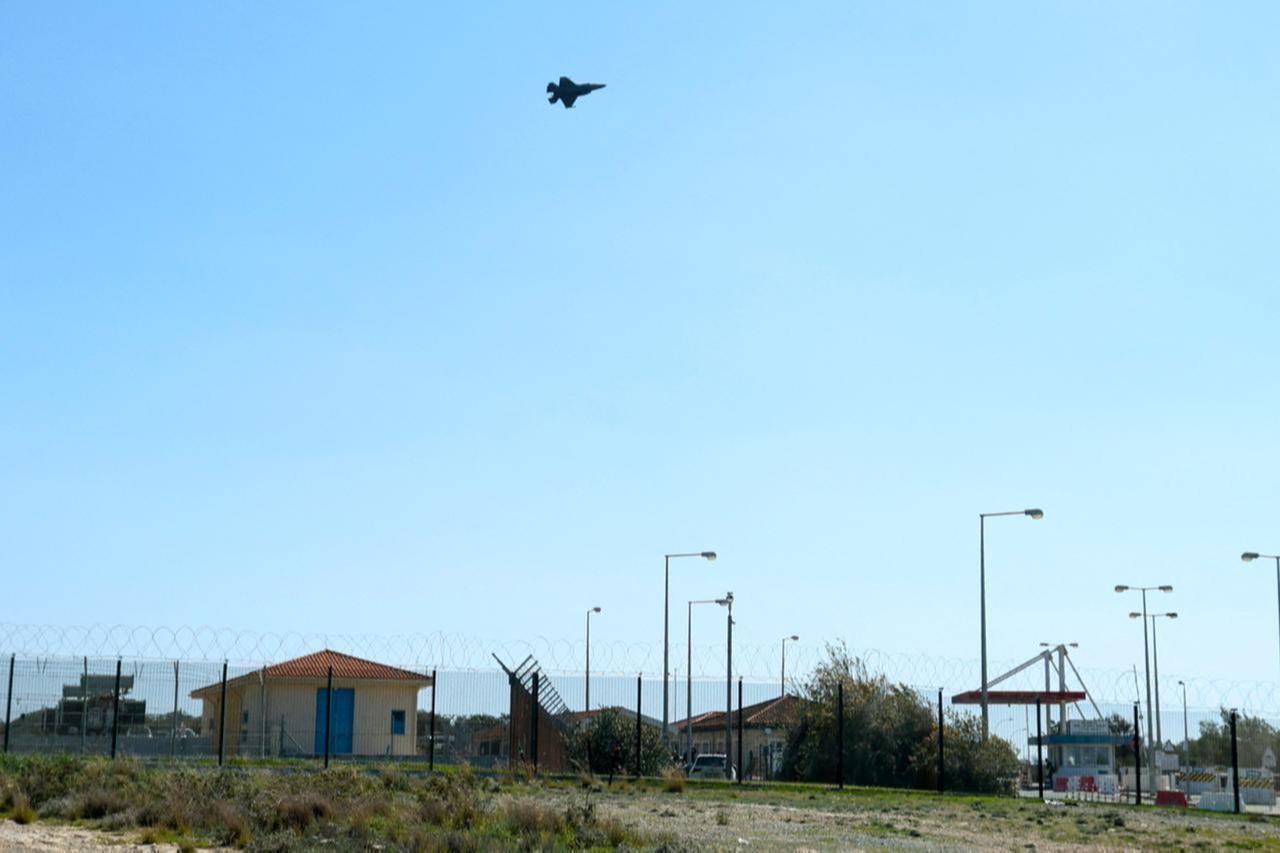
While officials maintain a "business as usual" stance, the travel market is adjusting rapidly to lure hesitant travellers back to the region.
High-profile shifts in the travel landscape include:
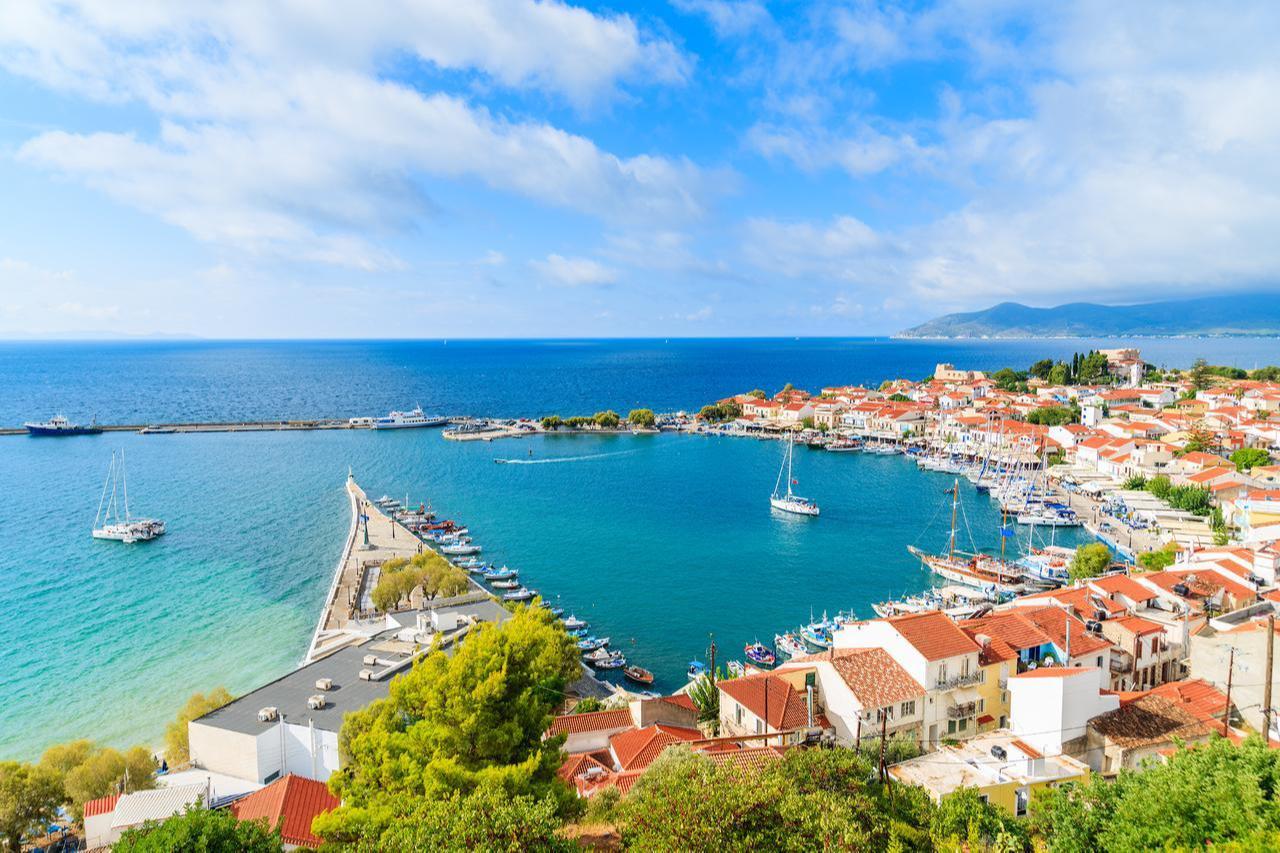
The ongoing conflict has caused a divergence in British and European travel preferences.
While demand for destinations perceived as close to the conflict zone (including Türkiye, Cyprus, and Egypt) has fluctuated, interest in Western Europe has climbed.
Travel giant TUI reports increased interest in "familiar destinations" like Greece, Spain, and Portugal.
Neil Swanson, a director at TUI, stated, “While we are seeing some cancellations in the affected areas, these are currently outweighed by customers choosing to amend their plans instead,” according to The Sun.
Türkiye’s Culture and Tourism Ministry remains committed to supporting its partners with real-time data and briefings to ensure that the 2026 summer season remains on track.


 Set as preferred source
 Set as preferred source



 3 min read