Newsletters


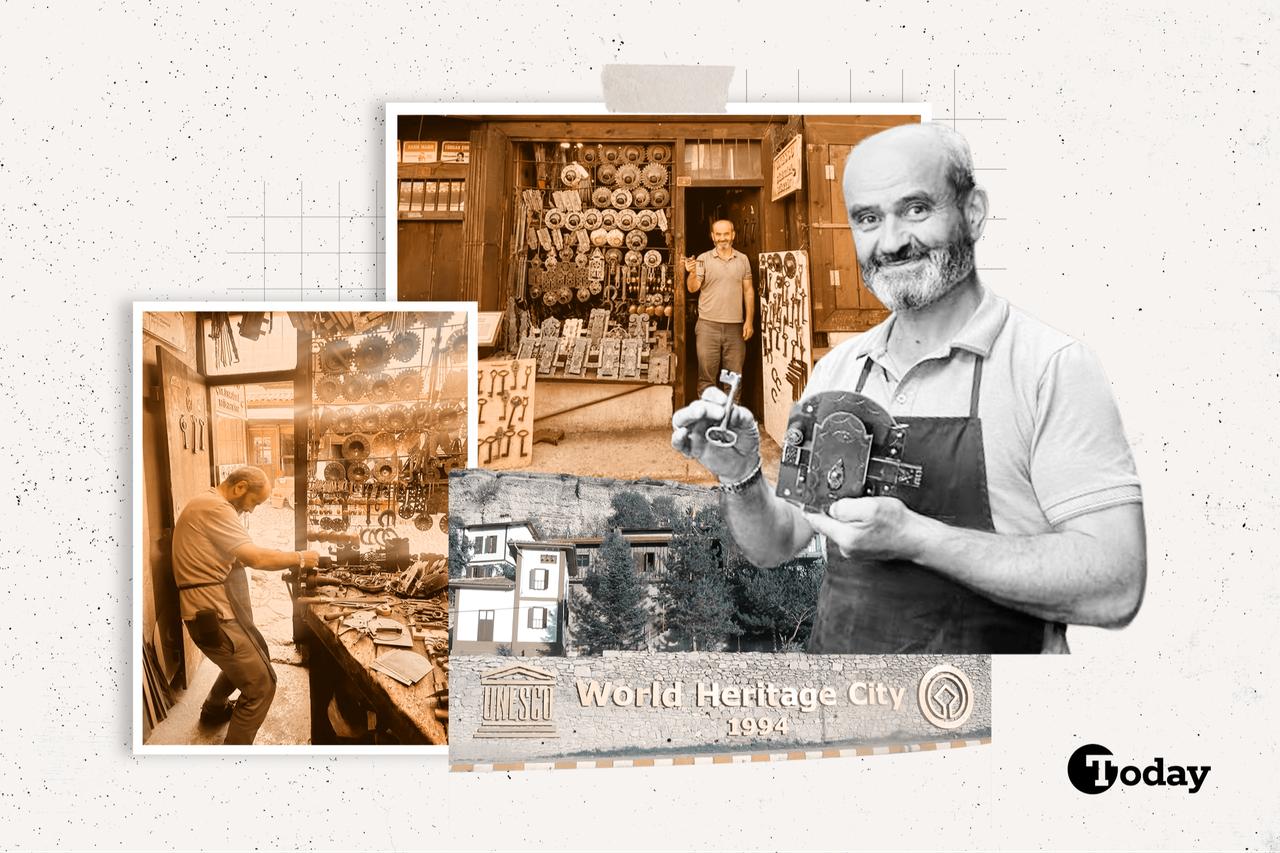


Huseyin Sahin Ozdemir is living history, and he knows it.
In late August, the locksmith invited us into his tiny workshop in the historic district of Safranbolu, Türkiye. It is here that he shapes iron and brass in 900-degree heat. The result: Ottoman-period keys, locks and nails for the town's still-functioning historic mansions and mosques.
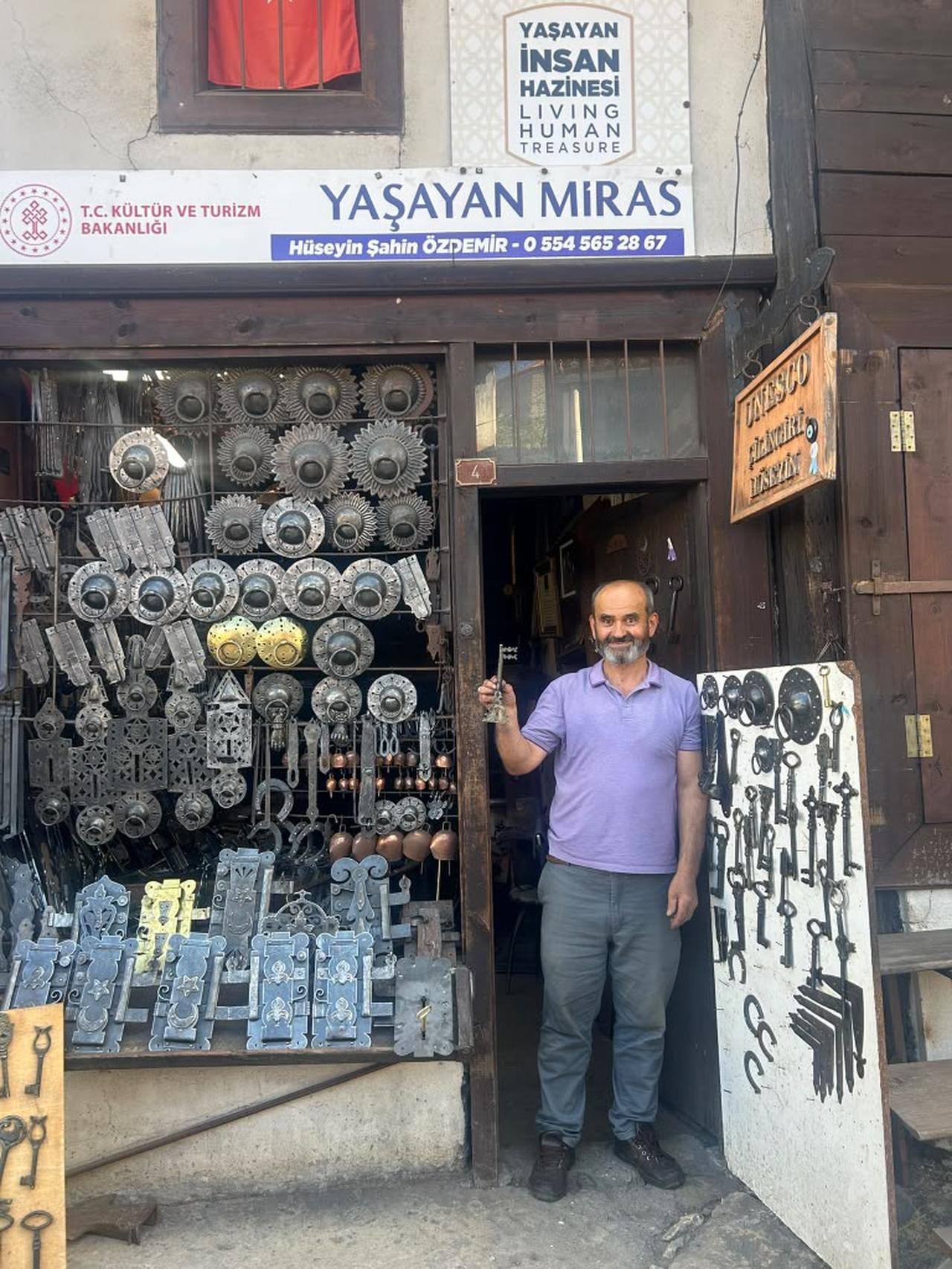

While the outside world has continued to automate at an extraordinary rate to the point where traditional craftsmanship has become secondary to mass production, Ozdemir’s trade has remained exceptionally similar to how it was practiced more than 230 years ago. This disappearing skill has led Ozdemir to be regarded as Türkiye’s “UNESCO Locksmith."
Getting to Ozdemir in the historic Blacksmiths’ Bazaar was nothing short of a rupture in time. I was traveling with my childhood friend, who was visiting Türkiye for the first time. She had felt drawn to Safranbolu, in the country's Black Sea Region, after reading about the town's world-famous saffron.
Armed with her lactose-free iced latte from a lone EspressoLab that sat across from our Hilton Garden Hotel, and Google Maps in her other hand, she guided us on an hourlong walk into the old city.
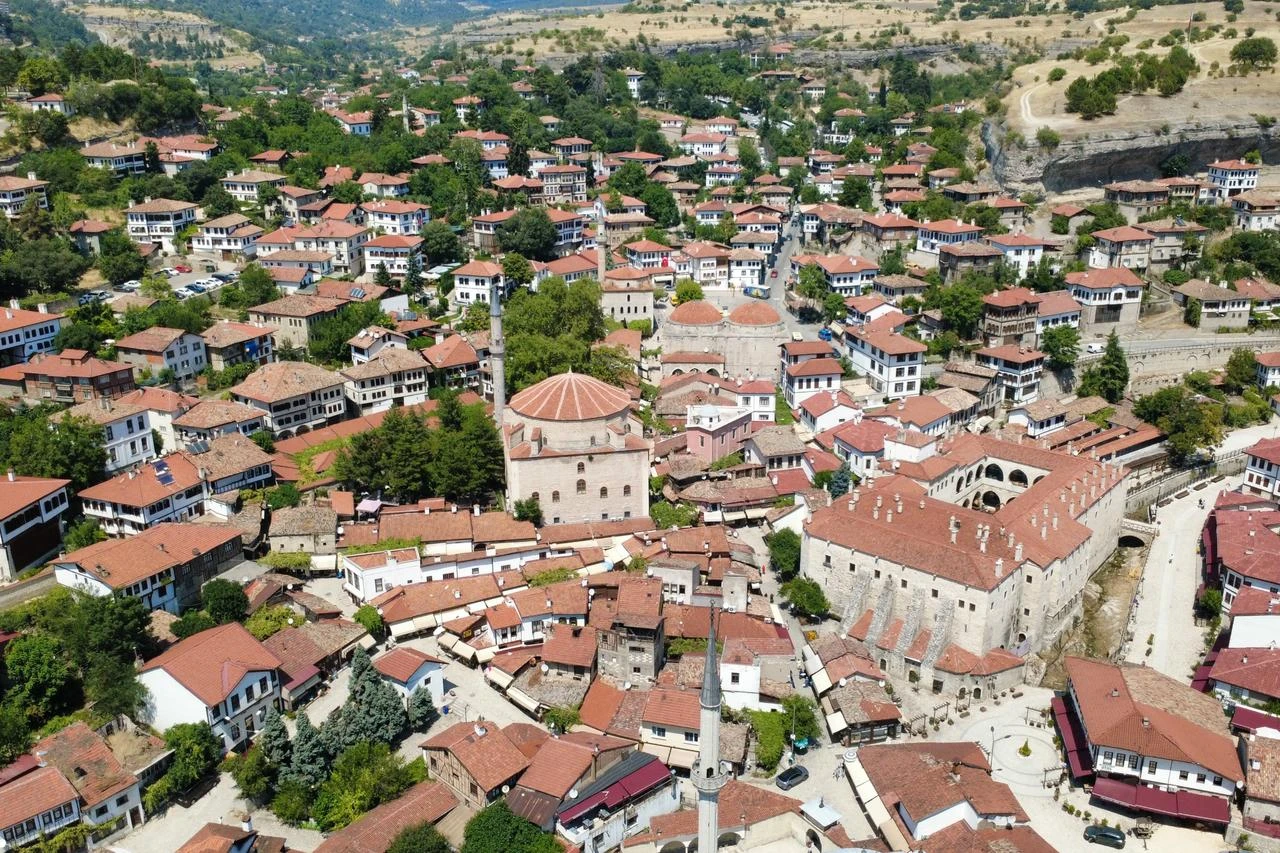
Our journey led us into the Huseyincelebi neighborhood. The quarter, which dated back more than 700 years, was dominated by steep inclines and narrow dirt pathways that made parts of the community completely inaccessible to cars.
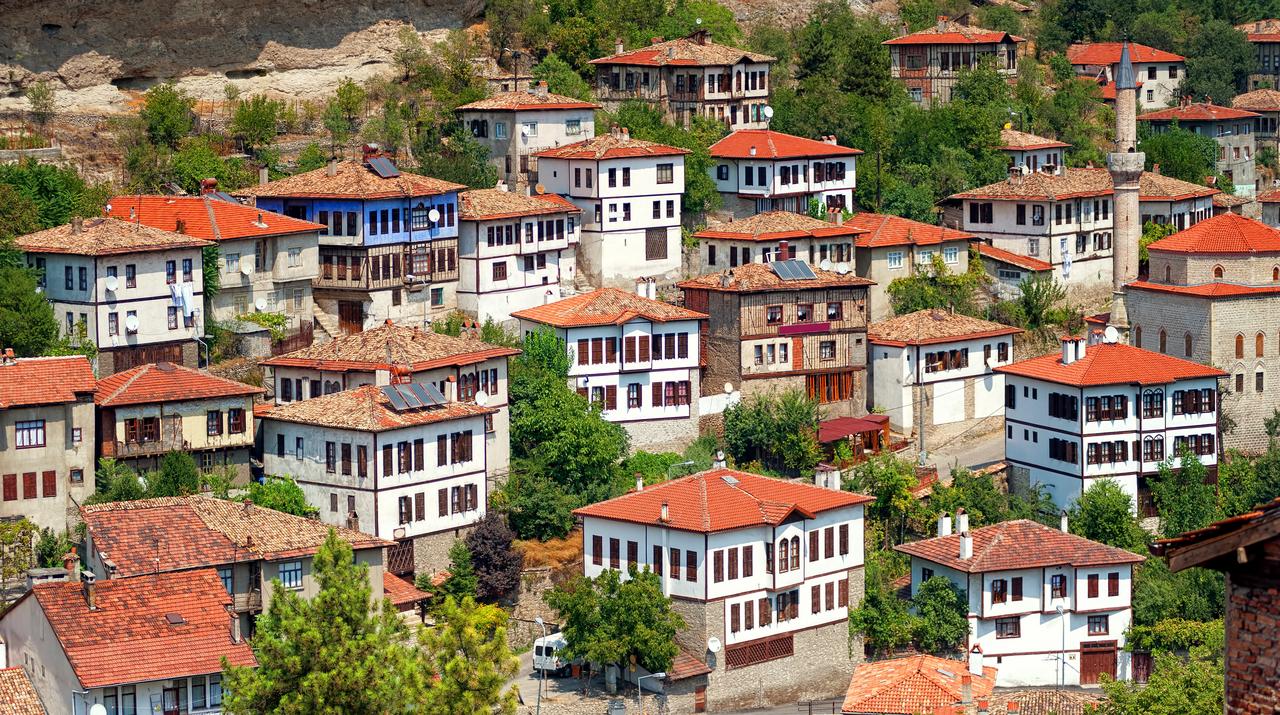
The neighborhood hugged dramatic cliffs that towered over the Akcasu Stream, which lay many meters below. Clinging to the canyon’s rims were multi-story Ottoman homes with their distinct terracotta roofs.
It was hard not to wonder how such structures, some 250 to 350 years old, had endured atop such a brutal landscape in a seismically active region. It gave us a greater appreciation for the preservation of the very antiquities that helped make Safranbolu the UNESCO World Heritage site it is today.
Descending Huseyincelebi’s inclines became a battle we had not prepared for. We were quickly outpaced by a woman in her late 70s who glided down the slope, cane in hand, with a fluidity that could only come from decades of practice.
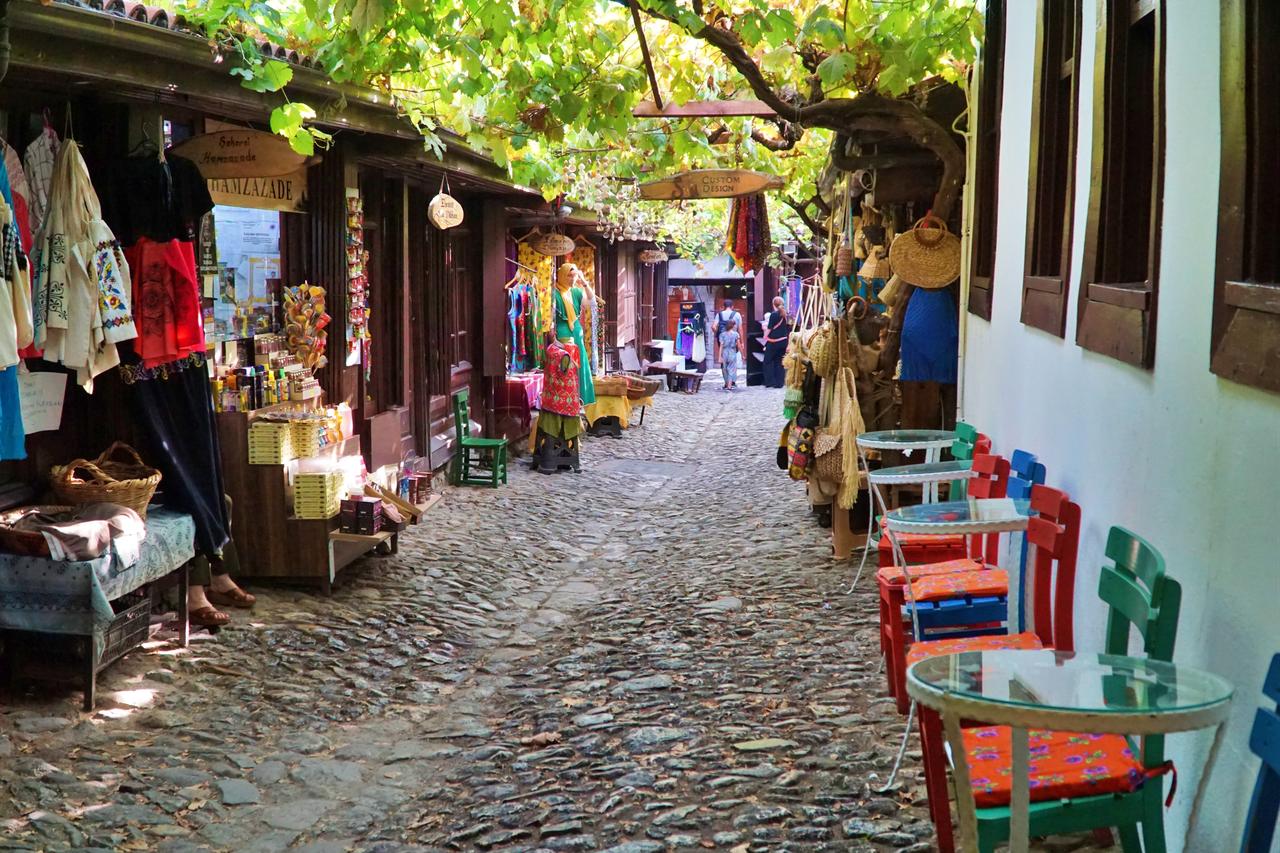
The neighborhood soon absorbed us into its own pocket of time. Some of the white Ottoman Mansions lay abandoned as if left exactly as they were when they were constructed. Others still breathed signs of life. A gaggle of boys no older than 8 emerged from one of the timber dwellings, startled by our presence. The youngest trailed after us like a watchman in wait, as if he knew instinctively his childhood home was one of the last of its kind.
Huseyincelebi spat us out in the old city near Ozdemir’s shop. Regrouping at a local restaurant run by an older couple, we were served both lemonade and tea infused with saffron, alongside peruhi, a traditional Turkish dumpling.
For dessert, we nibbled on saffron lokum (Turkish delight), which paired well with the saffron coffee a local shopkeeper had given us as we lingered in her boutique, trying her collection of saffron perfumes.
Buying and eating more saffron was our only goal for the day.
Until Ozdemir spotted us and eagerly beckoned us into his sanctum. The space was confining and dark, lit only by the light coming from the front door. It felt as if we had been transported into a bygone era.
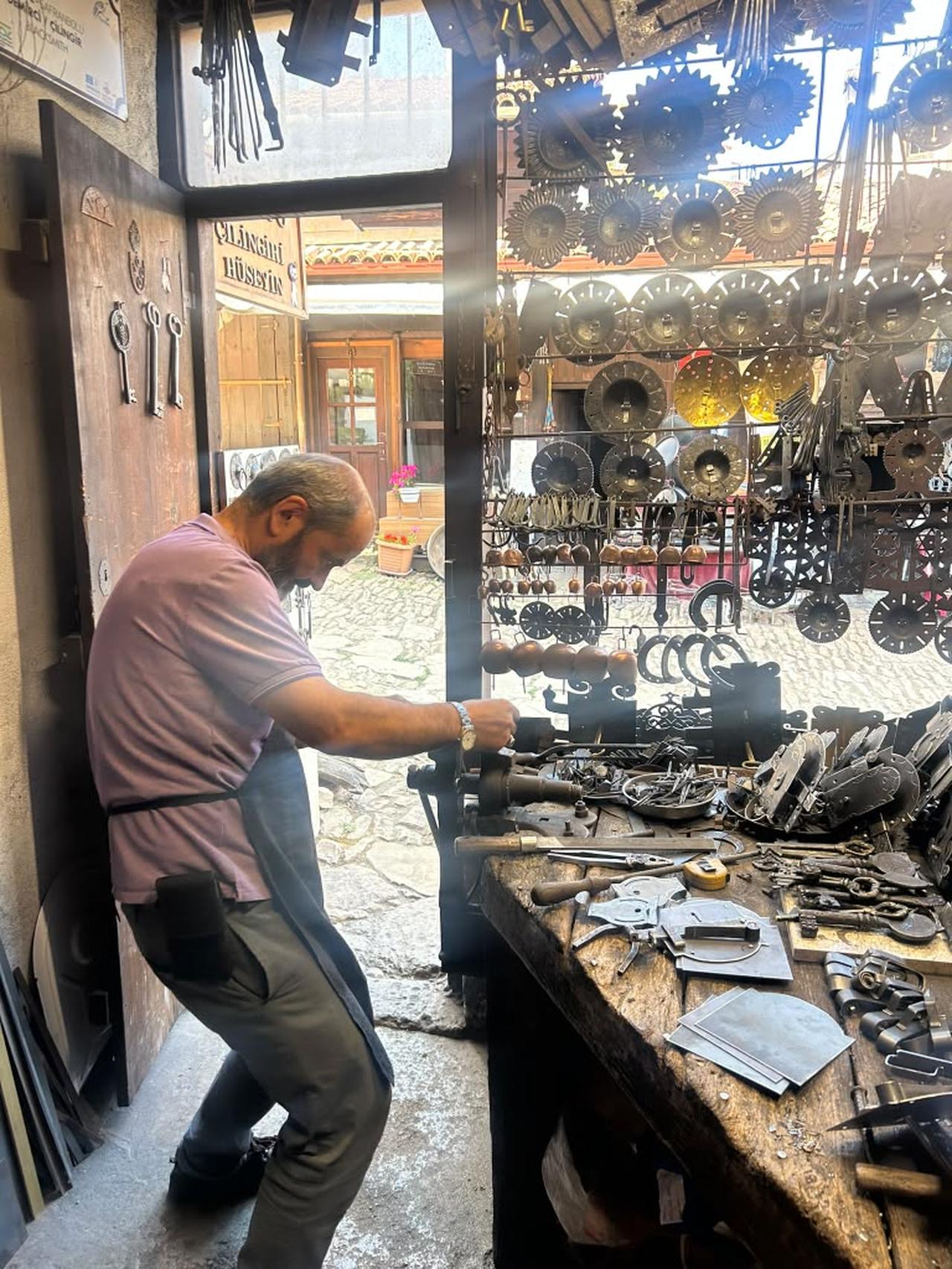
My friend was struck by the same feeling.
“It felt like stepping into the medieval era,” she said. “It reminded me of kings and castles, royal, majestic scenes that I always saw in movies when I was growing up.”
Intricate brass and iron creations decorated the walls, as did Ozdemir's collection of accolades, including a photograph of Ozdemir with President Recep Tayyip Erdogan receiving his Living Human Treasures Award. The prestigious honor only goes to skilled individuals who possess the knowledge to pass down cultural mastery at risk of disappearing.
The shop could barely fit the three of us, but that did not stop Ozdemir from drawing us into his devotion.
Without any need for conversation, Ozdemir carefully placed some of his artistry in our hands while he demonstrated how the lock and key worked. We watched in silence as he cut and shaped the metals as if he wanted to pass a piece of his trade onto us.
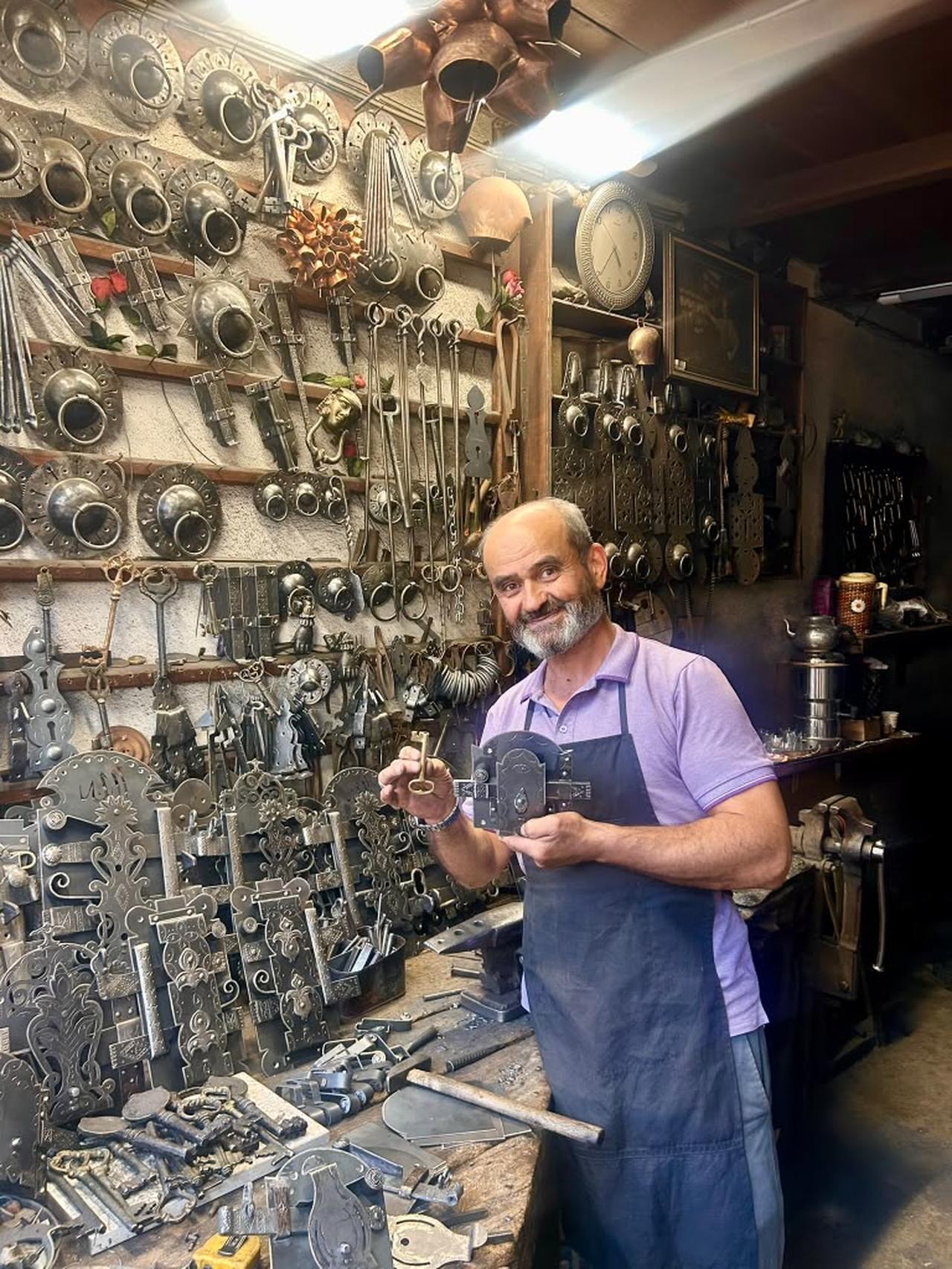
Many of the craftsmen's skills from the Ottoman era were handed down through Ahilik, a socioeconomic system that originated during the 13th century among Muslim Anatolian Turks.
Unlike European guilds, whose core purpose was economic, Ahilik trained young apprentices in both professional craftsmanship and community, as well as spiritual, ethical and moral matters.
Ozdemir himself trained under master blacksmith Muhsin Unal, renowned as the embodiment of modern Ahilik culture, and has spent more than half a century adhering to those principles.
But the rise of automation has come at a cost to these traditions.
In 2024, a 62-year-old Ozdemir told Hurriyet Daily News, “Safranbolu had bustling bazaars for every trade, saddlers, shoemakers, tinsmiths, coppersmiths, and blacksmiths. Over time, all other professions lost their purpose.”
During our brief stay, we couldn't help noticing that Safranbolu’s artisans and craftsmen tended to be around Ozdemir’s age or older. It made us wonder whether shops like his would survive another decade.
But some traditions refuse to disappear.
Almost five decades after Ozdemir began his own apprenticeship under Muhsin Unal, a new generation of young blacksmiths continues to learn from the same master.
In 2024, Fatih Oncu, a 15-year-old student, won the Apprentice of the Year award under Unal’s guidance. The same year, Safranbolu launched the Safranbolu Ahilik Project, pairing young apprentice students with master craftsmen, including Ozdemir himself.
As our world continues to see an acceleration of automation, digitization and AI, traditional craftsmanship is becoming harder to preserve globally. Yet the craftsmen of Safranbolu seem to be working to reverse that trend. Perhaps the world can learn a thing or two from the blacksmiths of Safranbolu.


 Set as preferred source
 Set as preferred source


 1 min read
 1 min read