Newsletters


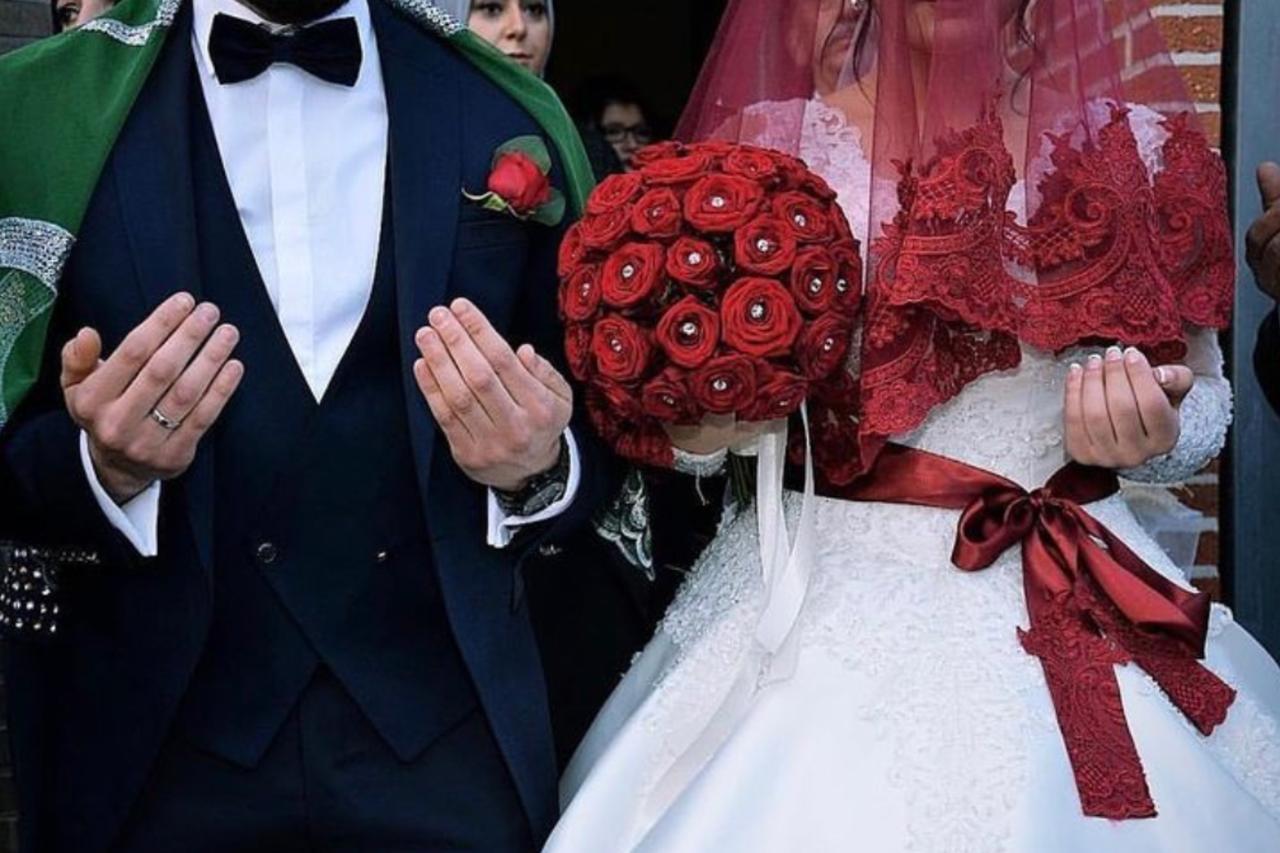


In many cultures, a couple’s wish to marry can be finalized in just a few steps and a decision, but Turkish traditions rarely make the process that simple. In Türkiye, partners who choose to build a life together navigate more than 10 distinct milestones, each carrying its own cultural weight.
These stages are not only about the couple but also about uniting two families, maintaining long-standing customs, and honoring values passed down through generations.
From family introductions to elaborate ceremonies, these rituals hold deep significance for both the couple and their families, turning the path to marriage into a layered journey rooted in heritage and communal celebration.
Many of these customs vary by region, socioeconomic background and even by how traditional each family may be, but the core meaning remains the same: marriage is a shared cultural experience as much as a personal commitment.
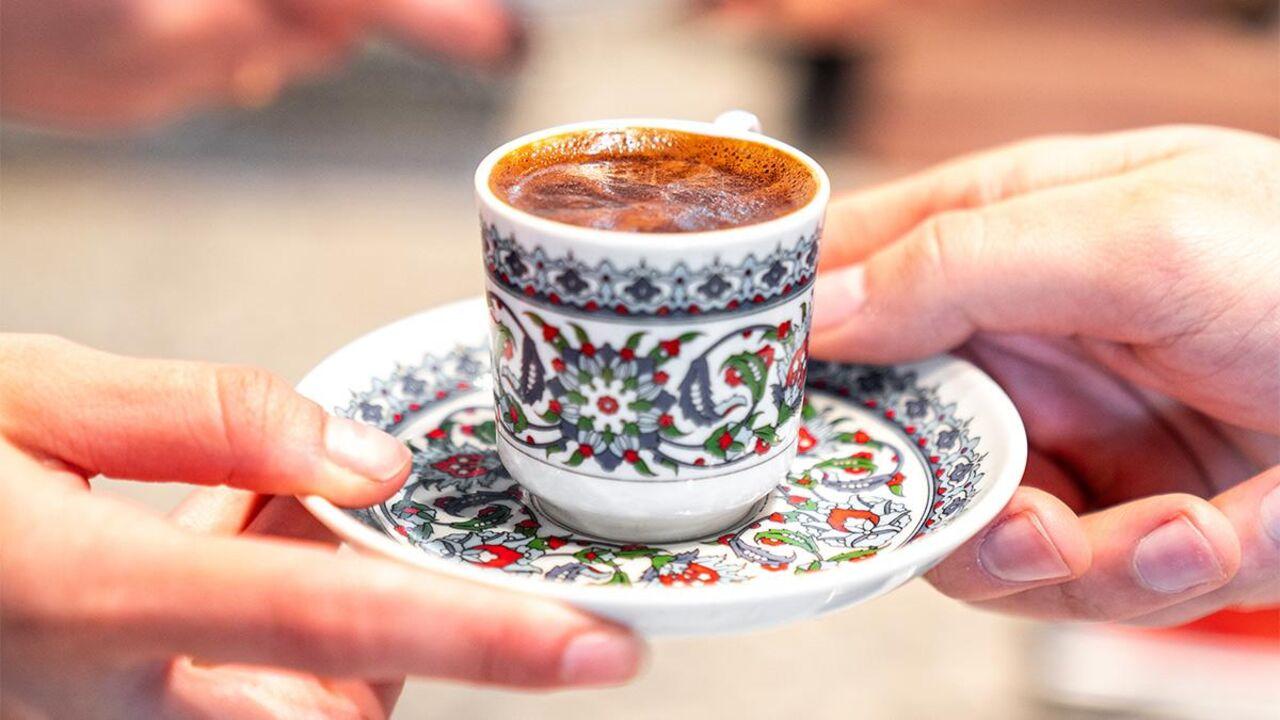

One of the most important first steps in this journey is asking for the bride’s hand. The groom’s family, led by elders, visits the bride’s home. During this visit, coffee is served to the guests. In many households, the bride prepares salty coffee for the groom as a symbolic test of patience and understanding. After the coffee is served, an elder formally asks for the bride with traditional words. If the family agrees, the marriage process officially begins.
Following this step, the couple usually becomes engaged. Rings are tied with a red ribbon and cut by a respected family elder. From that moment on, the couple is publicly accepted as future husband and wife. The engagement period is also a time when families grow closer through visits, gifts, and the exchange of gold.
Another important cultural practice is the dowry tradition. For many years, young women have traditionally prepared handmade lace, bedding, towels, and household items for their future home. While today the dowry has become more symbolic in urban areas, it is still taken very seriously in many parts of Anatolia, where it represents readiness for marriage.
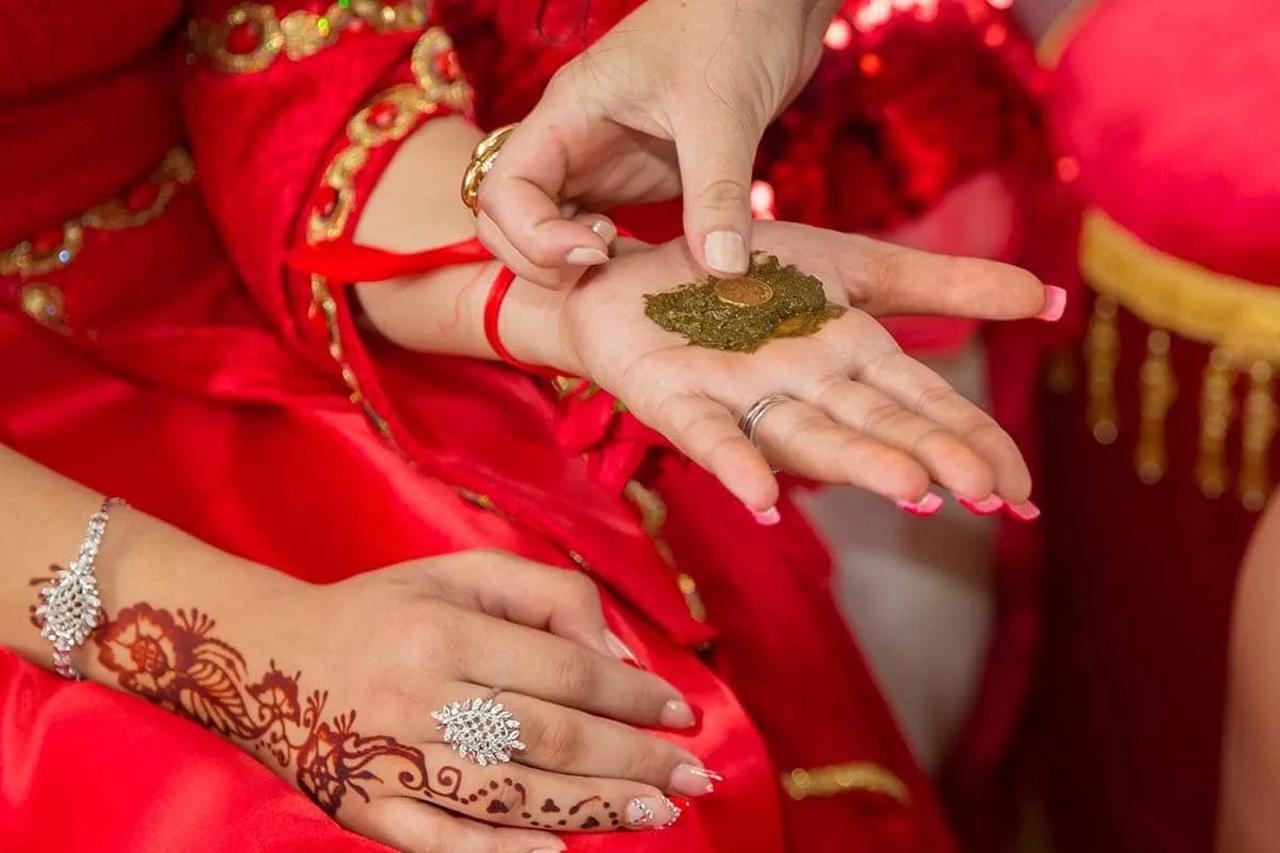
One of the most emotional moments before the wedding is the henna night. This event is usually organized only for women. Henna is placed on the bride’s hands while traditional and emotional songs are sung. The bride often cries as a way of saying farewell to her family and childhood home. It is a powerful moment where happiness and sadness come together.
The wedding day itself is not only a celebration of love but also a form of social and economic support. During the gold ceremony, guests give gold to the couple to help them build their new life. In some regions, weddings last for several days and include traditional dances, music, and large crowds.
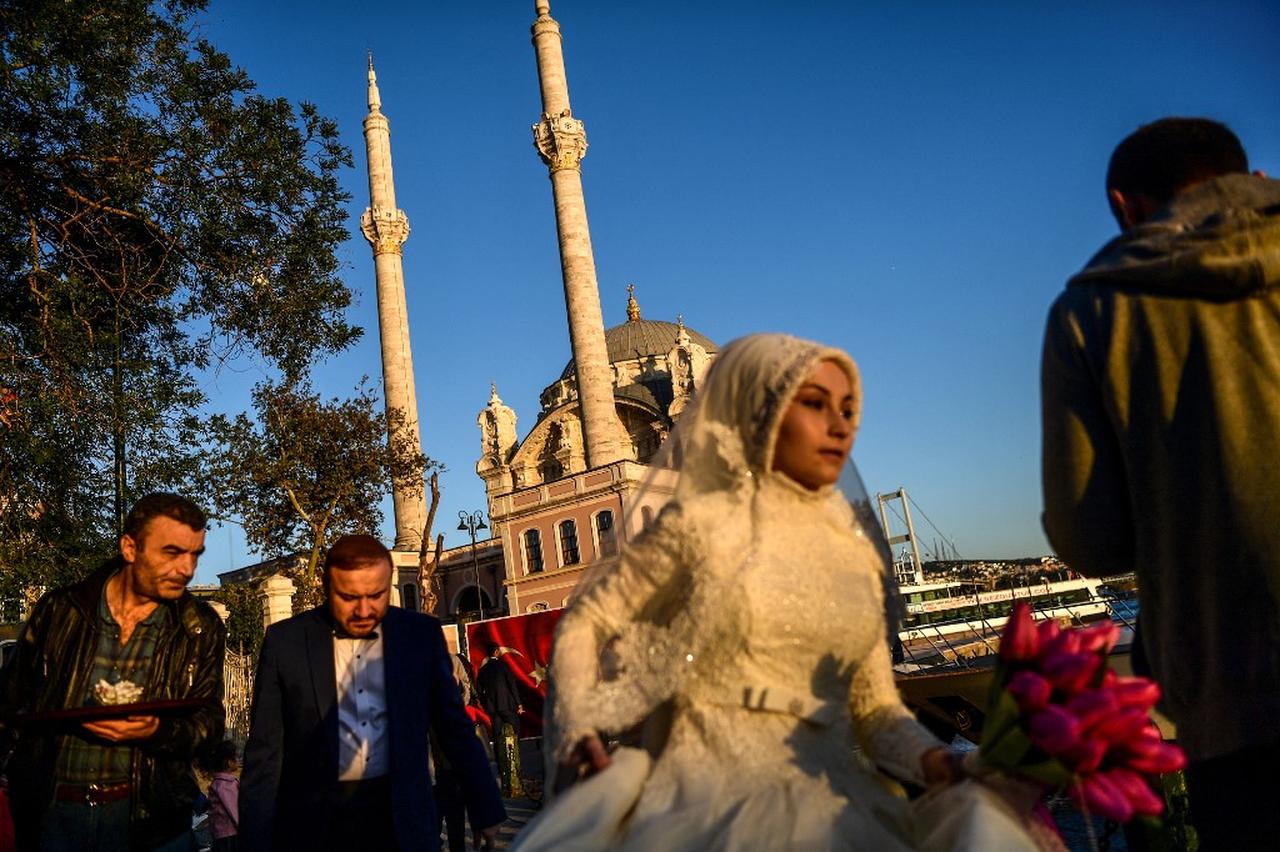
Wedding traditions also differ from region to region. In the Black Sea region, energetic dances such as horon are an essential part of weddings. In Eastern Türkiye, weddings are often very large and last for days. In major cities like Istanbul, traditional rituals and modern wedding styles are frequently combined.
On the other hand, today, many couples prefer simpler ceremonies because of economic conditions and changing lifestyles. However, traditional values are still strong in many families.


 Set as preferred source
 Set as preferred source



 6 min read