Newsletters


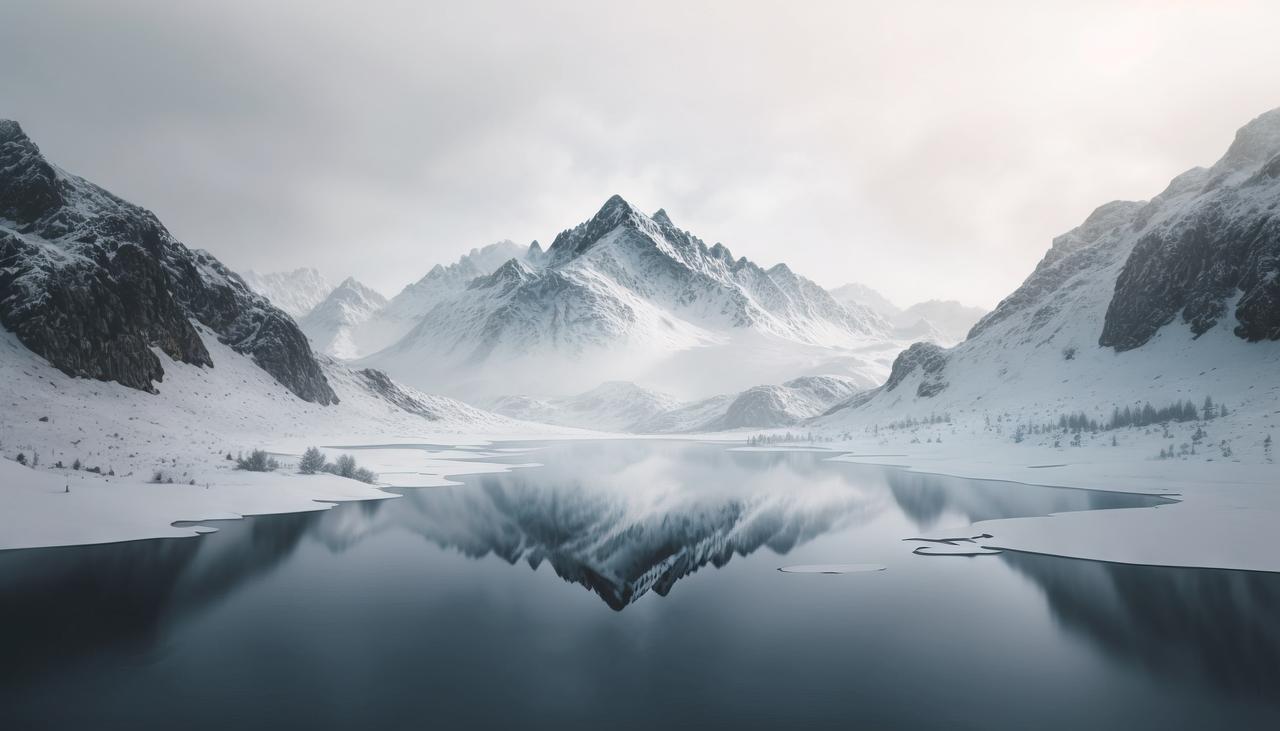
The world’s highest mountains captivate not only with their towering heights but also with their unique landscapes and challenging climbing routes.
From Everest to K2, and Kangchenjunga to Lhotse, these majestic peaks offer breathtaking views waiting to be explored by mountaineers and nature enthusiasts alike.
Each mountain, with its own climate, slopes, and history, provides a glimpse into the world’s most elevated and awe-inspiring places.
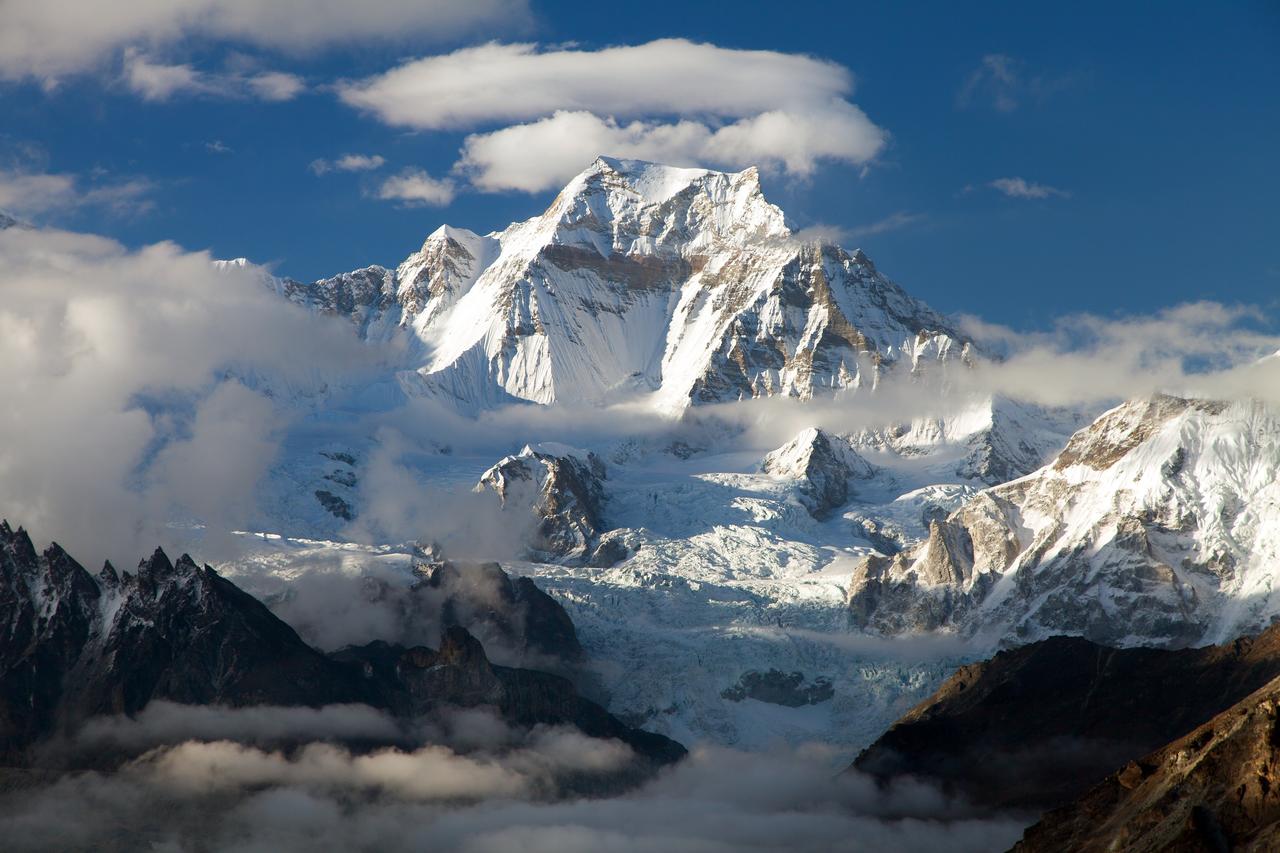
15- Gyachung Kang Mountain – 7,952 meters
Gyachung Kang, rising to 7,952 meters on the border between Nepal and Tibet, is the 15th-highest mountain in the world. Located between Mount Everest and Cho Oyu, it is the tallest peak under 8,000 meters. While it is less famous than its neighbors, the mountain presents significant challenges due to its extreme altitude and harsh weather. It remains a respected but seldom-attempted peak among mountaineers.
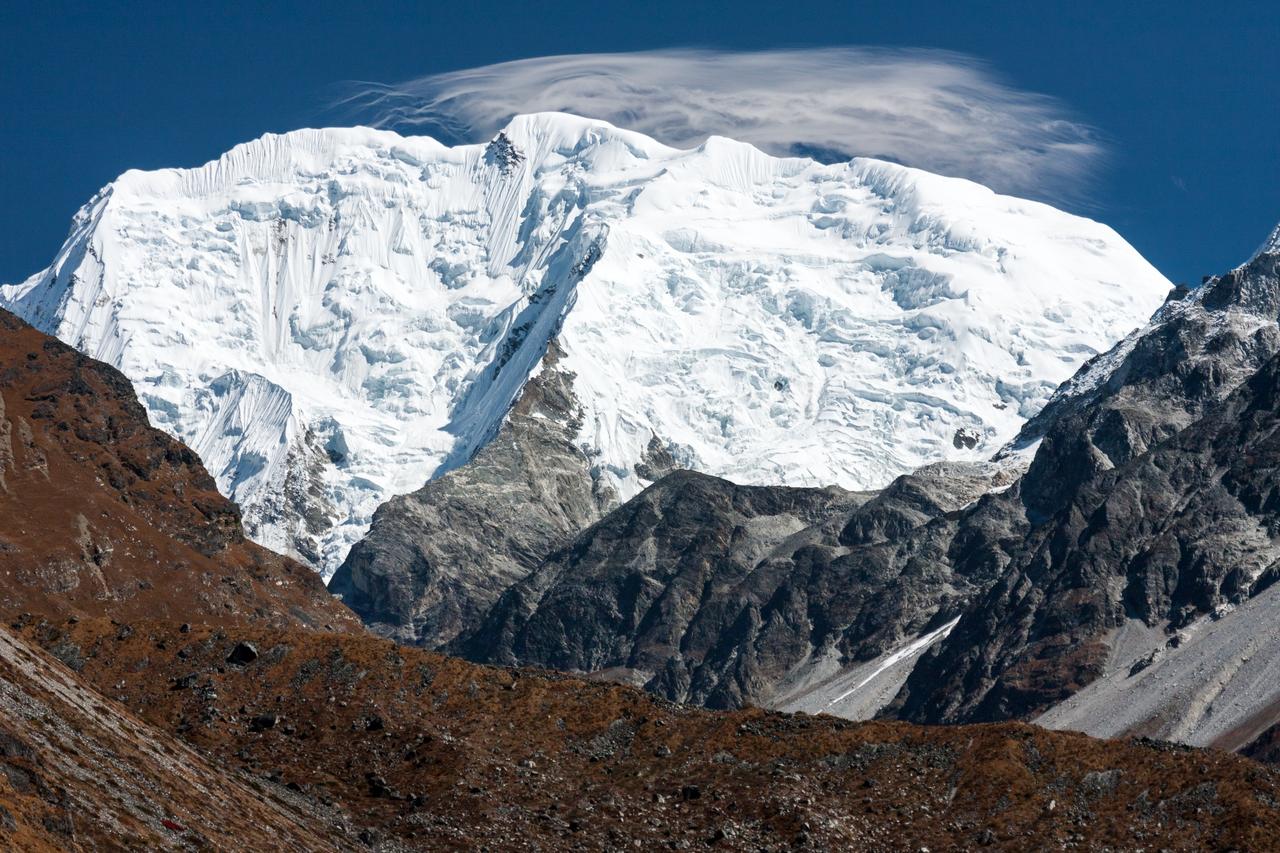
14- Shishapangma Mountain – 8,027 meters
Shishapangma is the lowest of the fourteen eight-thousanders, standing at 8,027 meters, entirely within Tibet, China. First successfully climbed in 1964 by a Chinese expedition, it is known for its steep slopes, avalanche risk, and severe weather conditions. Despite being considered more accessible than many other 8,000-meter peaks, Shishapangma remains a serious challenge for climbers. Its remote location adds to the mountain’s allure and difficulty.
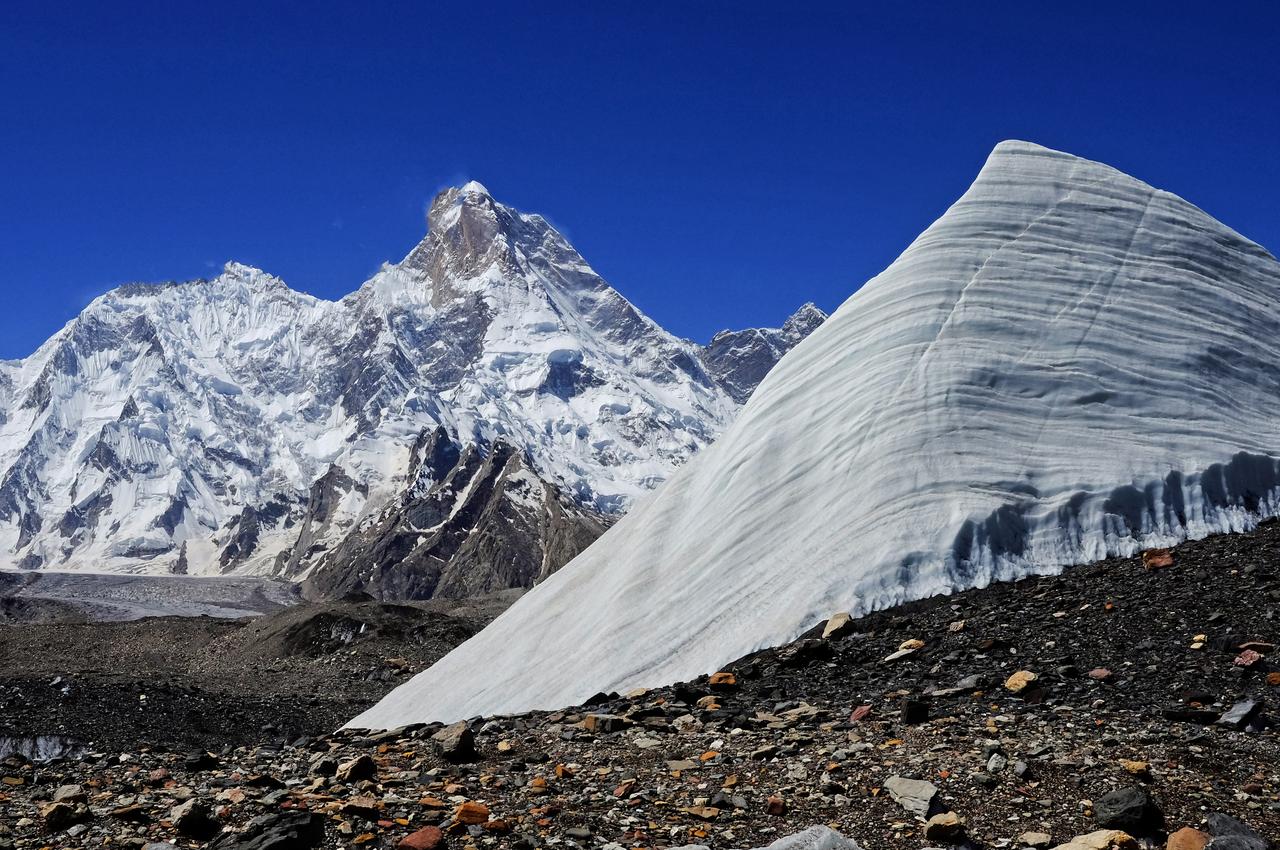
13- Gasherbrum II Mountain – 8,035 meters
Gasherbrum II rises to 8,035 meters in the Karakoram Range along the Pakistan-China border. First climbed in 1956 by an Austrian expedition, it is often regarded as one of the more approachable eight-thousanders. However, the extreme altitude, icy slopes, and harsh weather conditions make it a demanding climb. Gasherbrum II is a prominent peak in the Karakoram and is highly respected among mountaineers.
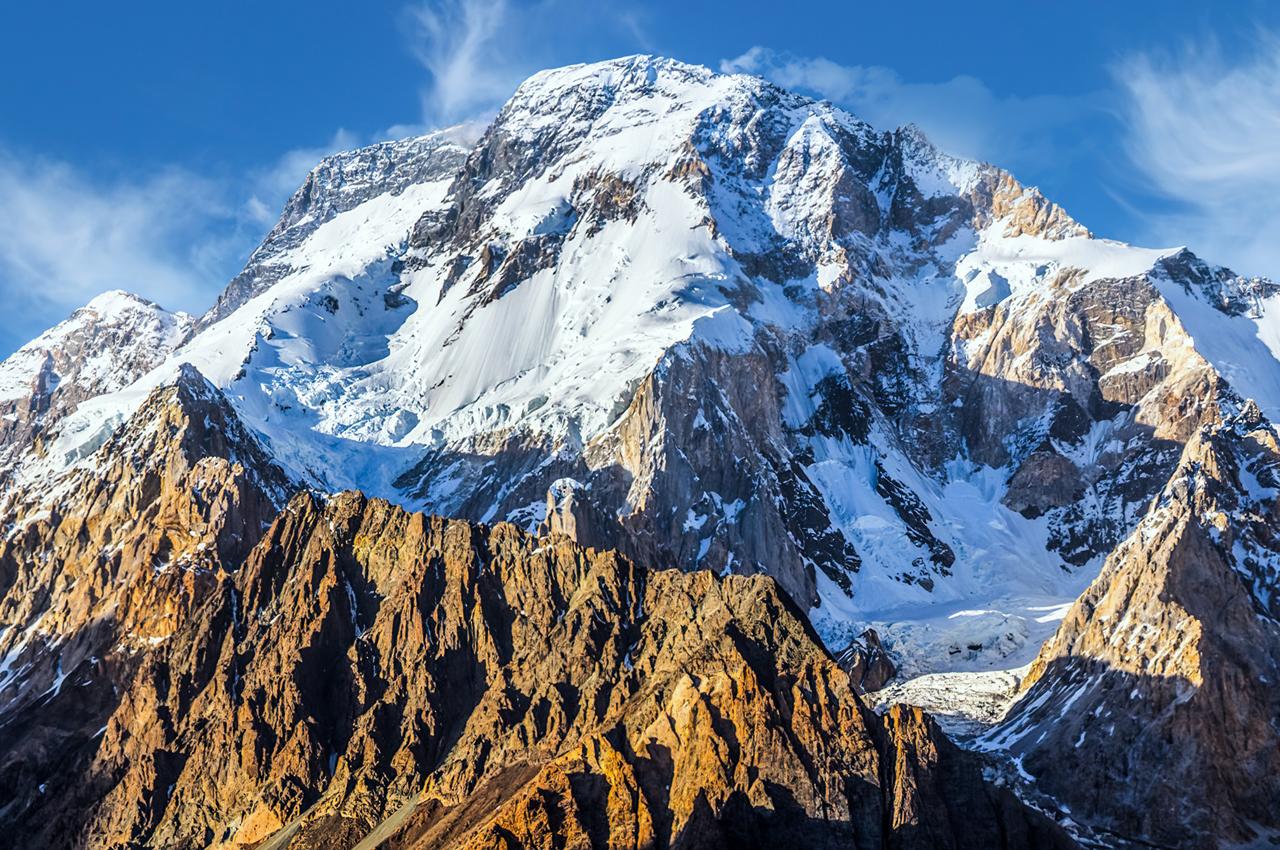
12- Broad Peak Mountain – 8,051 meters
Broad Peak, at 8,051 meters, straddles the border of Pakistan and China. Named for its unusually wide summit ridge, the mountain offers challenging conditions including strong winds, low temperatures, and avalanche-prone slopes. While technically easier than some other eight-thousanders, it remains a serious climb. First ascended in 1957 by an Austrian team, Broad Peak continues to attract skilled mountaineers.
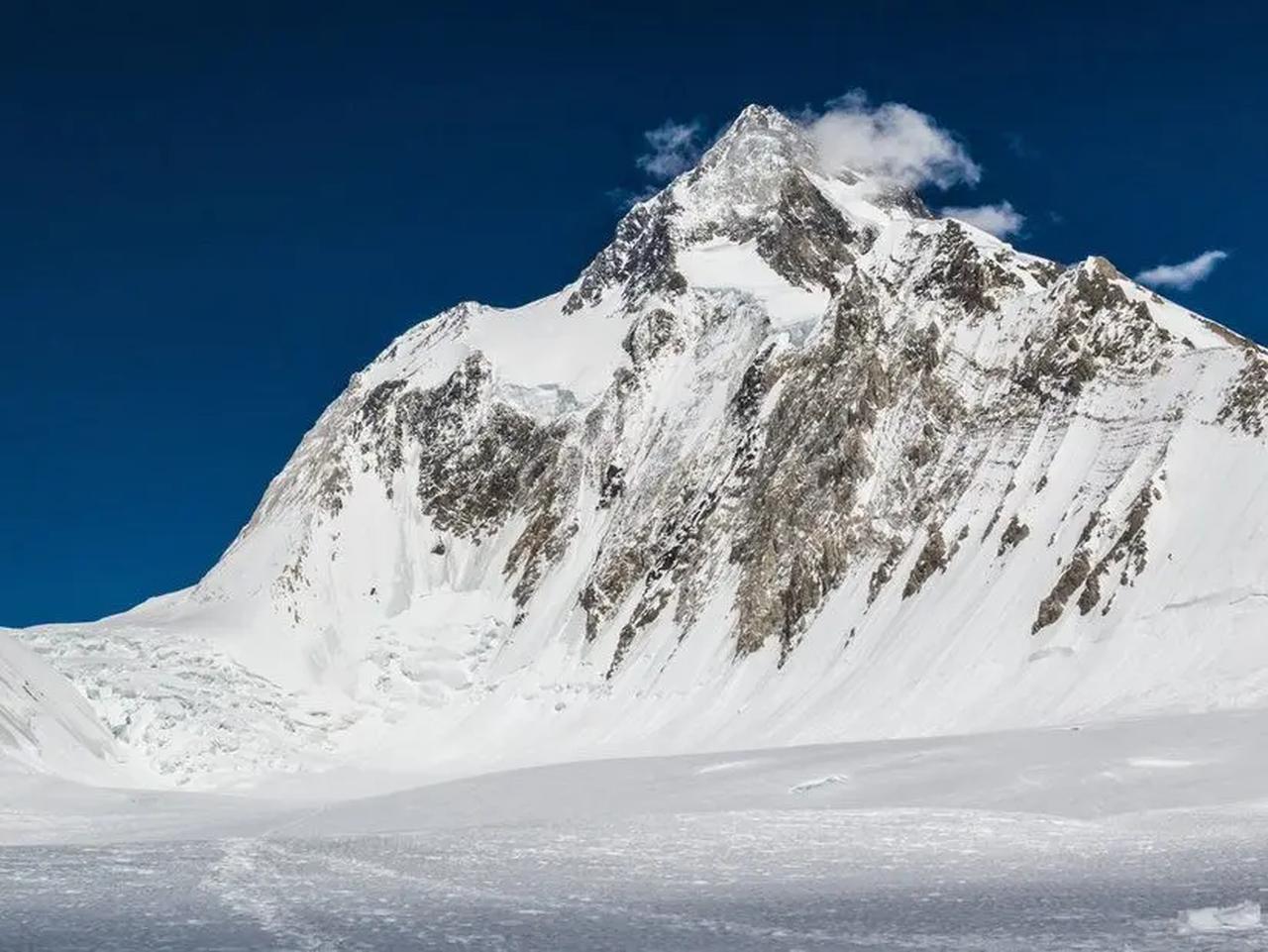
11- Gasherbrum I Mountain – 8,080 meters
Gasherbrum I, also known as “Hidden Peak,” reaches 8,080 meters on the Pakistan-China border. First climbed in 1958 by an American-Pakistani expedition, it is famous for its severe weather and avalanche-prone slopes. Despite being slightly more accessible than some neighboring peaks, Gasherbrum I demands careful preparation and high-altitude experience. It remains one of the most respected eight-thousanders in the Karakoram Range.
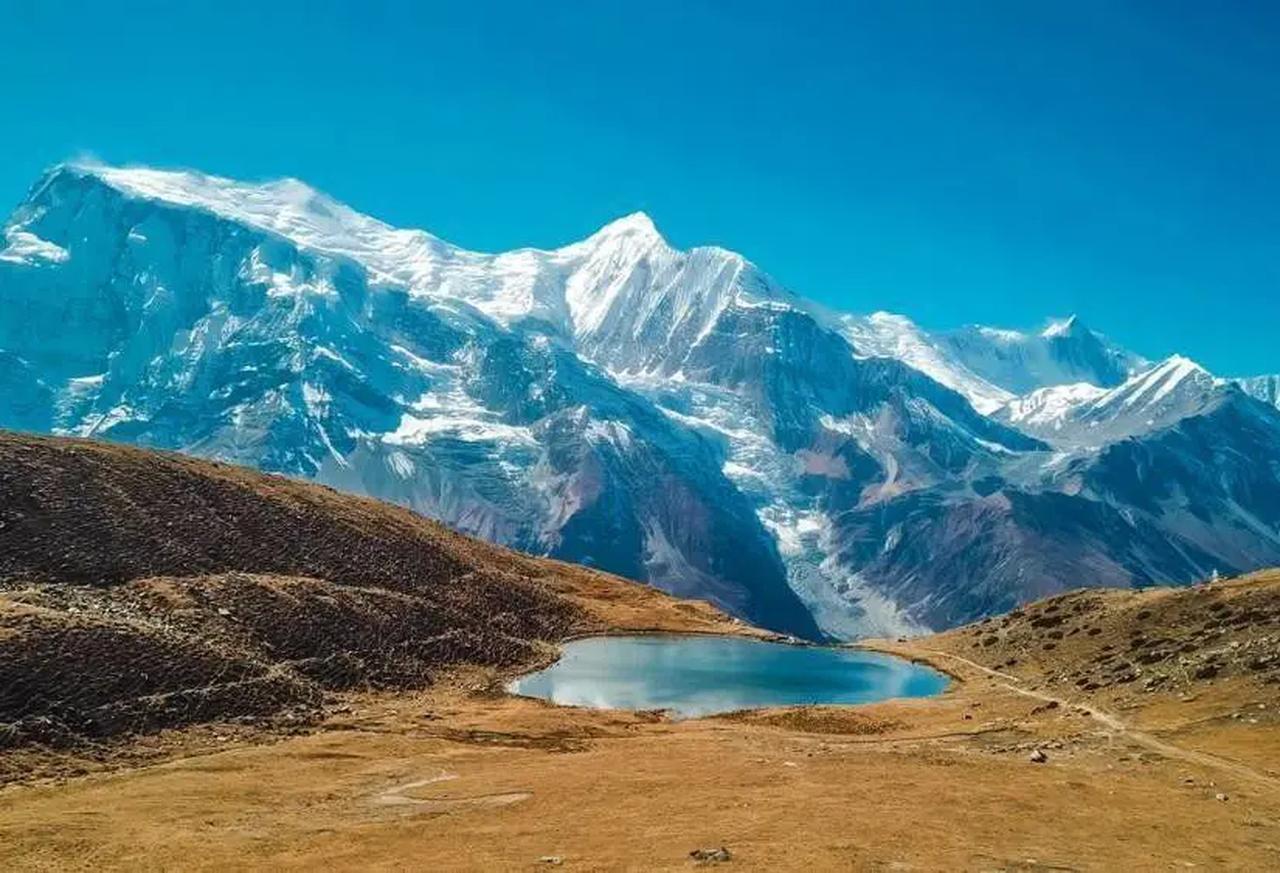
10- Annapurna I Mountain– 8,091 meters
Annapurna I, standing at 8,091 meters in Nepal, is the 10th-highest mountain in the world. Renowned for its extreme difficulty and high fatality rate, it is considered one of the most dangerous eight-thousanders. The first successful ascent was made in 1950 by a French expedition, marking a historic achievement in mountaineering. Its steep faces and unpredictable weather make Annapurna I a formidable challenge even for experienced climbers.
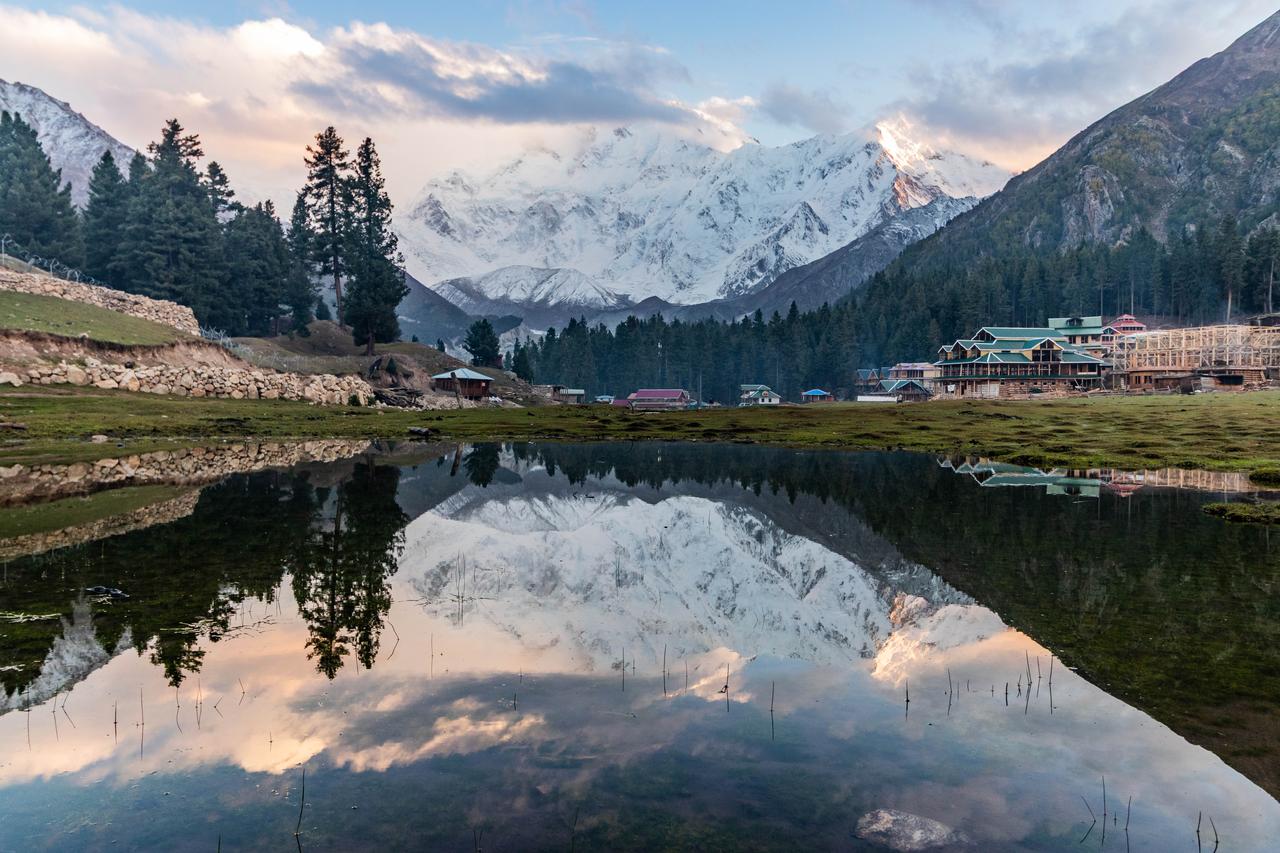
9- Nanga Parbat Mountain– 8,126 meters
Nanga Parbat rises to 8,126 meters in Pakistan and is the 9th-highest mountain in the world. Known as the “Killer Mountain,” it is infamous for steep slopes, frequent avalanches, and extreme weather conditions. The first successful ascent was achieved by Hermann Buhl in 1953, making it a legendary peak in mountaineering history. Despite its dangers, it continues to attract elite climbers seeking a formidable challenge.
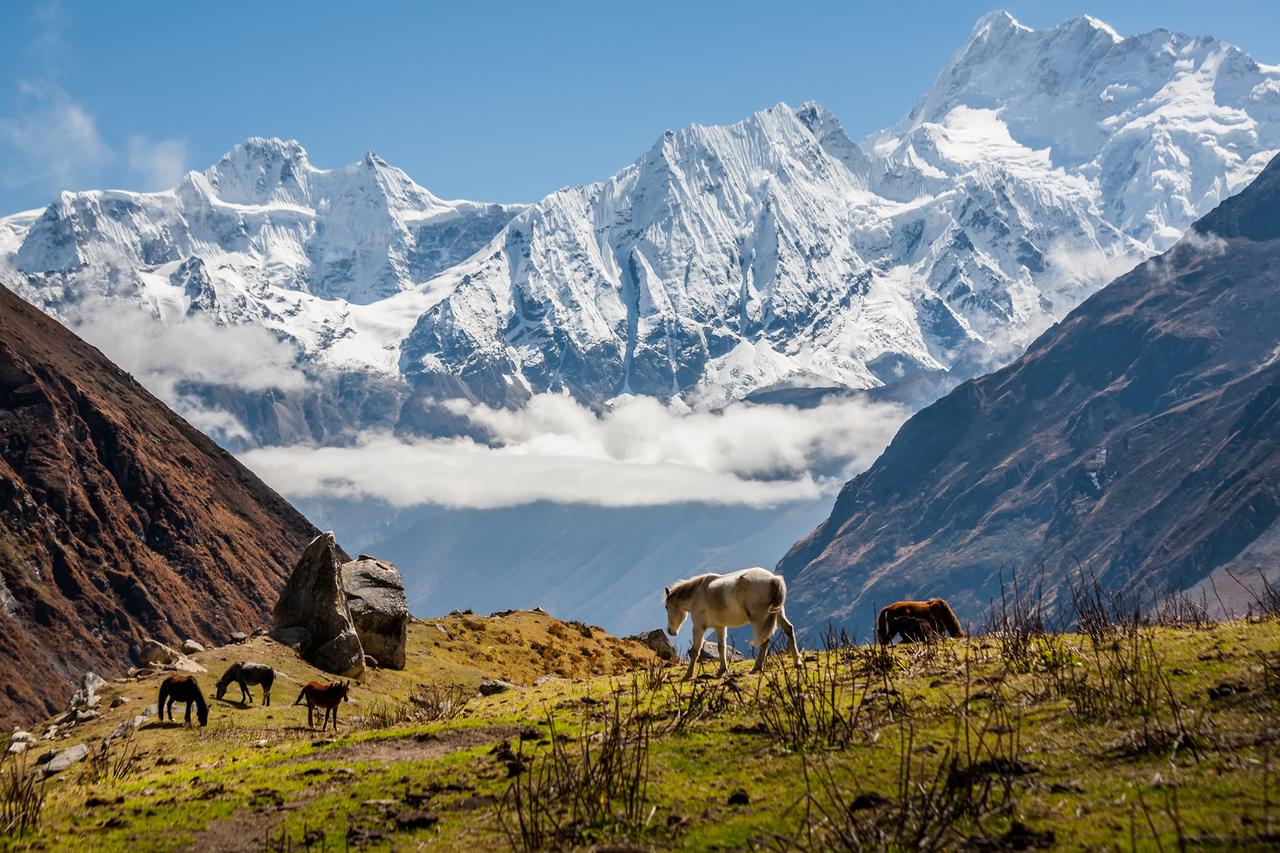
8- Manaslu Mountain – 8,163 meters
Manaslu, at 8,163 meters, is the 8th-highest mountain globally, located in Nepal. Its name means “spirit” or “soul” in Sanskrit, reflecting its mystical reputation. First climbed in 1956 by a Japanese expedition, Manaslu features long ridges and avalanche-prone slopes that require careful planning. It is a major and respected peak in the Himalayan mountaineering community.
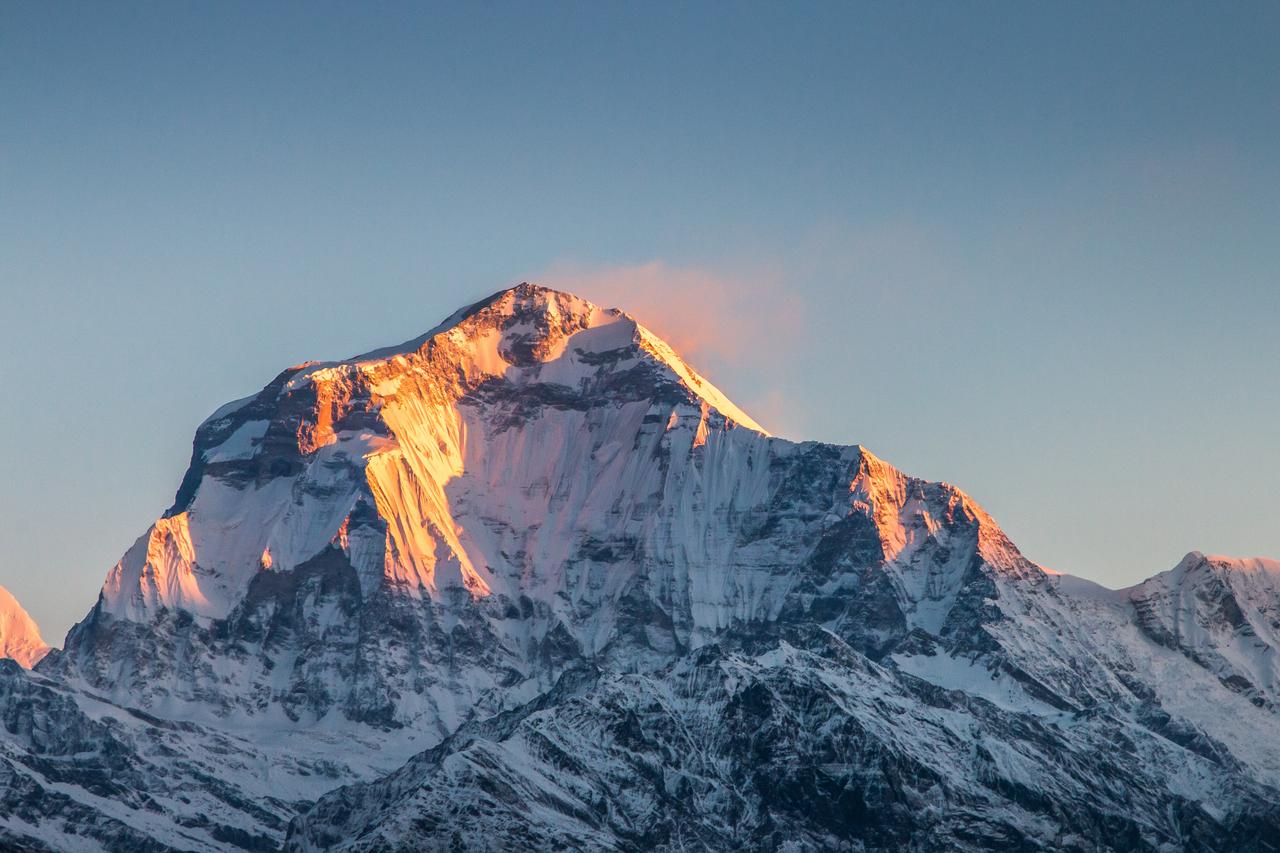
7- Dhaulagiri Mountain – 8,167 meters
Dhaulagiri stands at 8,167 meters, making it the 7th-highest mountain in the world, located in Nepal. Its name, meaning “White Mountain,” reflects its snow-covered slopes and dramatic faces. First ascended in 1960 by a Swiss-Austrian expedition, Dhaulagiri is known for steep faces, treacherous weather, and high-altitude challenges. It remains one of the most formidable peaks in the Himalayas.
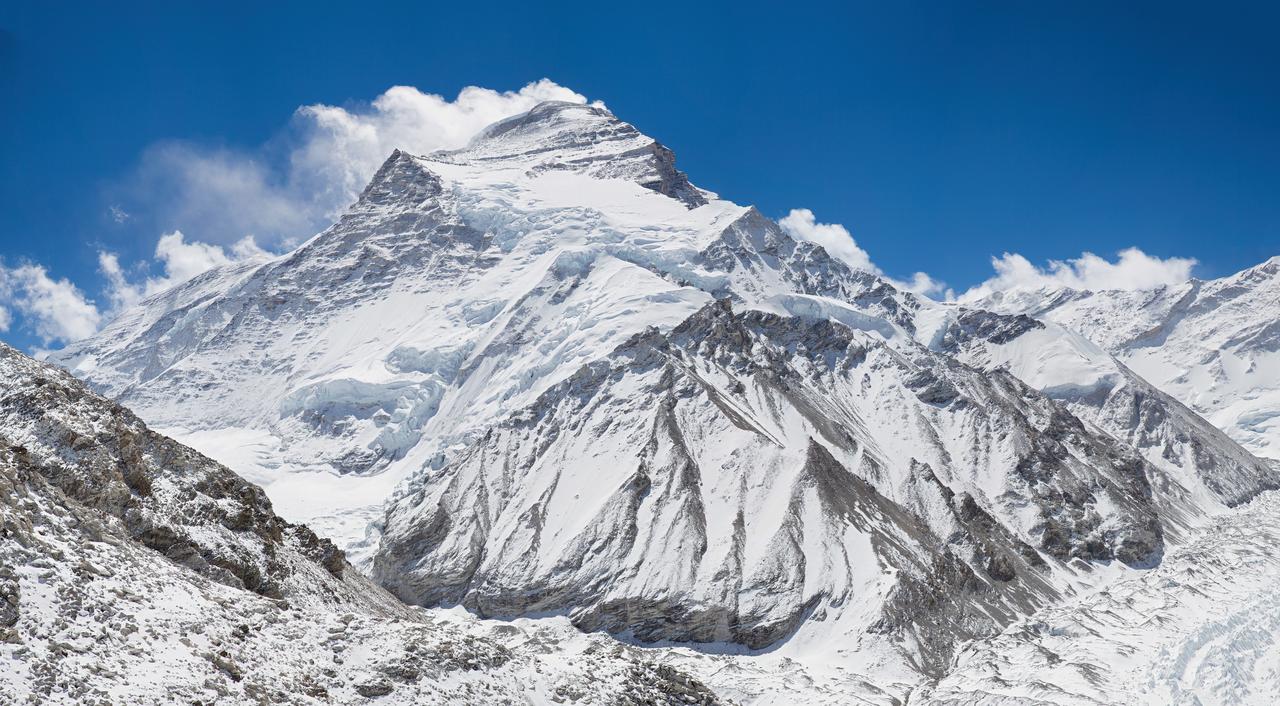
6- Cho Oyu Mountain – 8,188 meters
Cho Oyu, the 6th-highest mountain in the world, rises to 8,188 meters on the Nepal-Tibet border. First climbed in 1954 by an Austrian expedition, it is considered one of the more accessible eight-thousanders. Despite its reputation for being easier, Cho Oyu presents serious challenges with icy slopes and high-altitude conditions. It remains a popular peak for mountaineers preparing for higher Himalayan climbs.
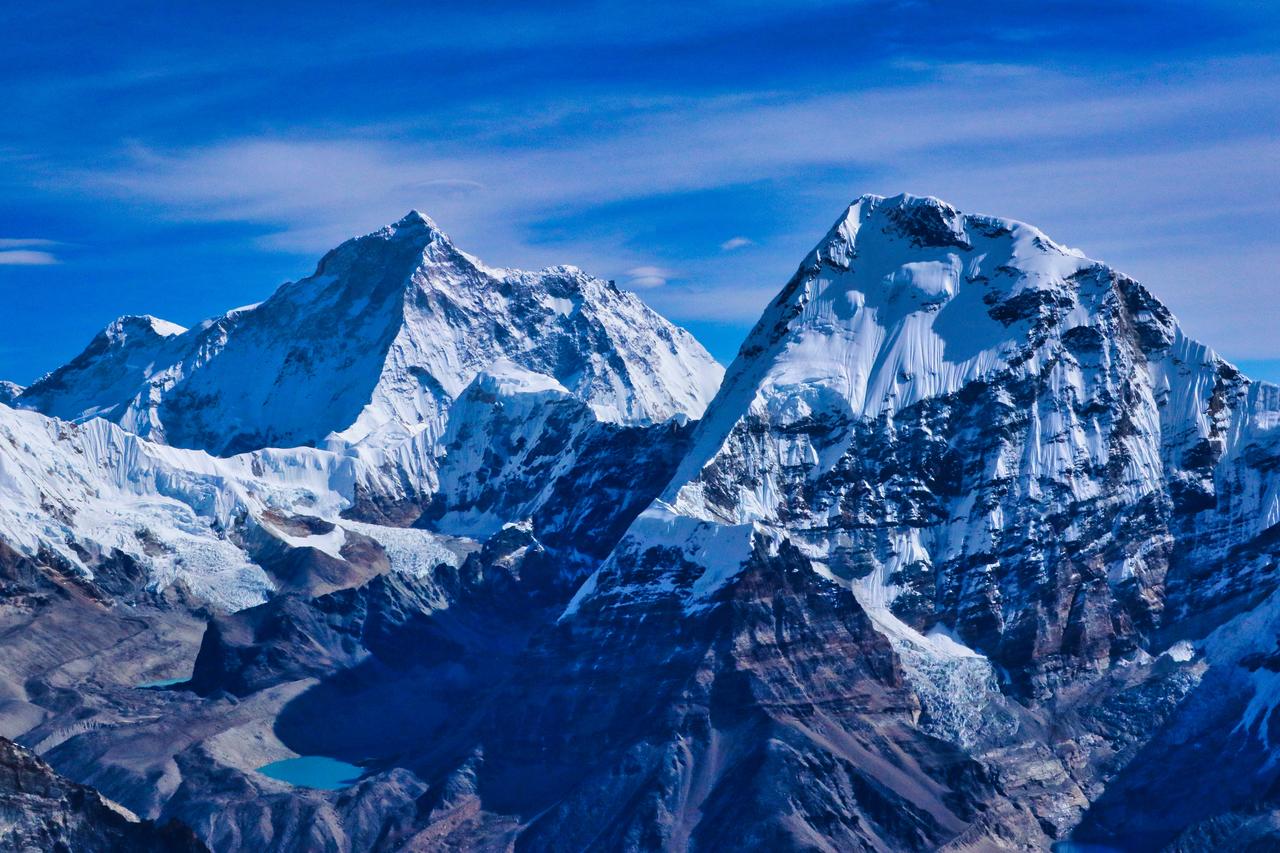
5- Makalu Mountain – 8,485 meters
Makalu reaches 8,485 meters, making it the 5th-highest mountain in the world, located on the Nepal-Tibet border. Its sharp ridges and steep faces make it a technically demanding climb. The first ascent was completed in 1955 by a French expedition, and the mountain continues to test even the most experienced climbers. Makalu is renowned for both its beauty and its difficulty.
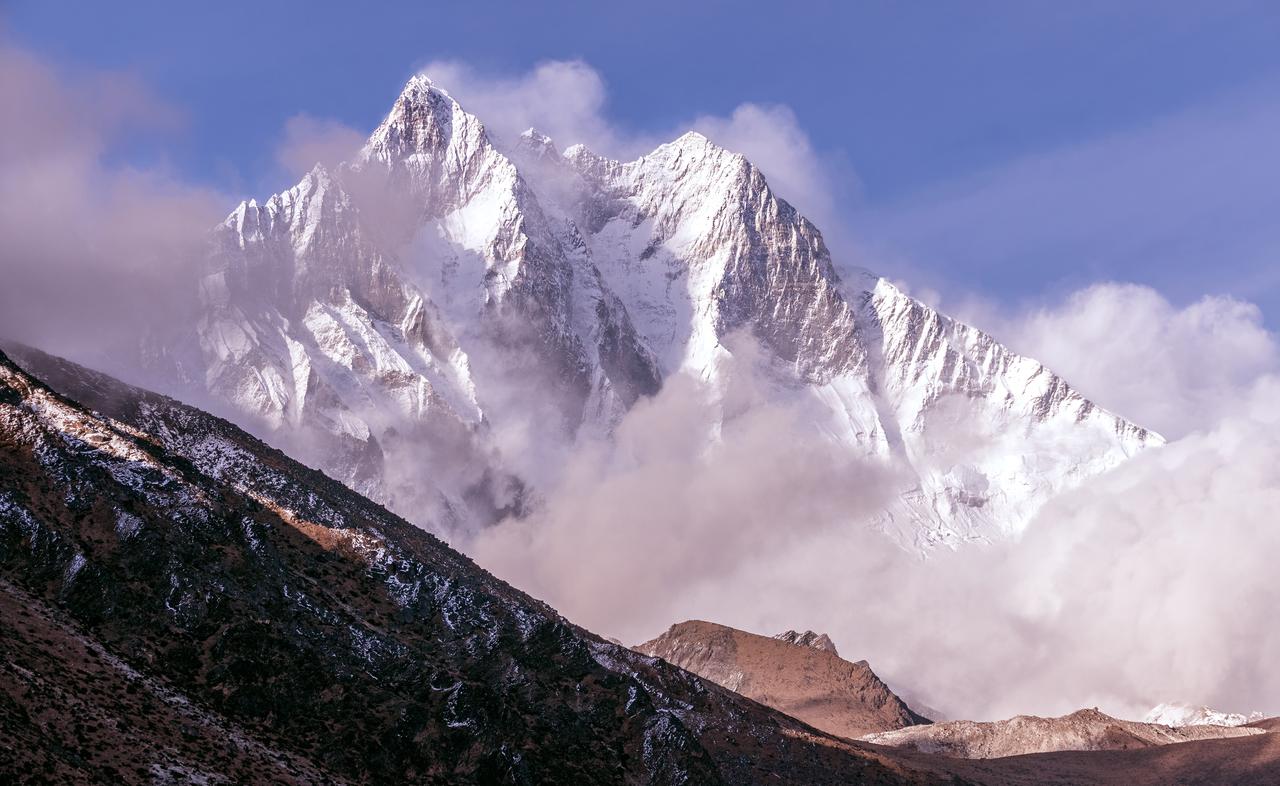
4- Lhotse Mountain – 8,516 meters
Lhotse, standing at 8,516 meters, is the 4th-highest mountain globally and is connected to Mount Everest via the South Col. First climbed in 1956 by a Swiss expedition, it is famous for steep faces and extreme altitude. Despite its proximity to Everest, Lhotse presents unique challenges that require careful preparation. It remains a key objective for elite Himalayan climbers.
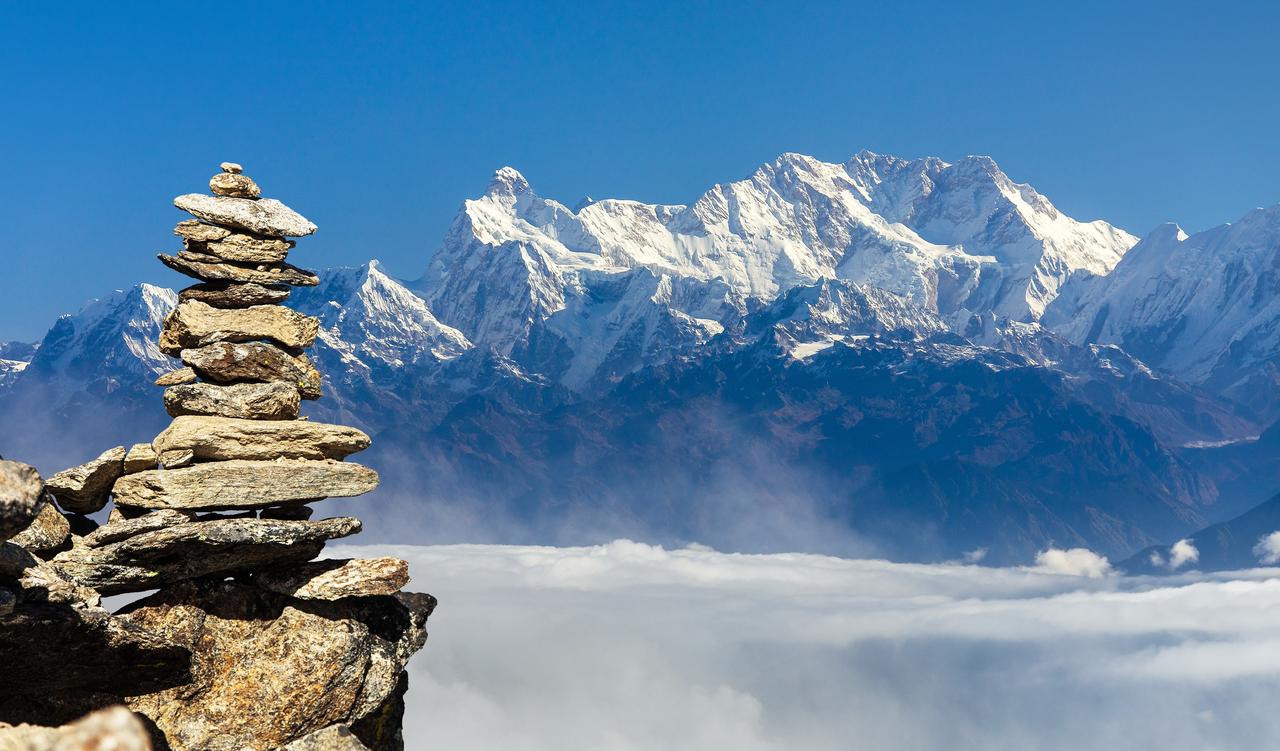
3- Kangchenjunga Mountain – 8,586 meters
Kangchenjunga, the 3rd-highest mountain in the world, rises to 8,586 meters on the Nepal-India border. Known for its remote location, steep slopes, and unpredictable weather, it is considered extremely difficult and dangerous to climb. The first successful ascent was completed in 1955 by a British expedition. Kangchenjunga continues to be an iconic and respected peak in mountaineering history.
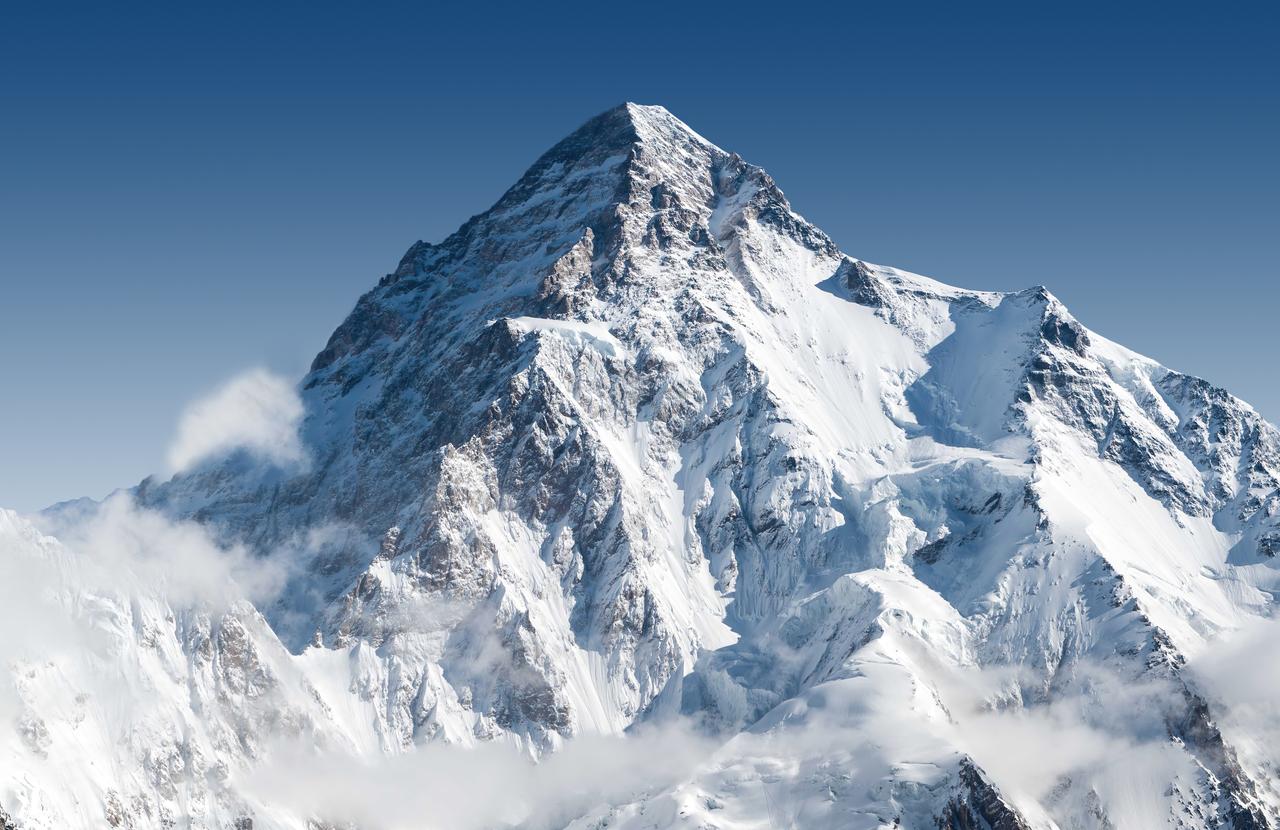
2- K2 Mountain – 8,611 meters
K2, at 8,611 meters, is the second-highest mountain in the world, located in the Karakoram Range on the Pakistan-China border. Known as the “Savage Mountain,” it is famous for its extreme difficulty, steep slopes, and unpredictable weather, making it one of the most dangerous peaks to climb. The first successful ascent was achieved in 1954 by an Italian expedition, and K2 remains a legendary and highly respected challenge in the world of mountaineering.
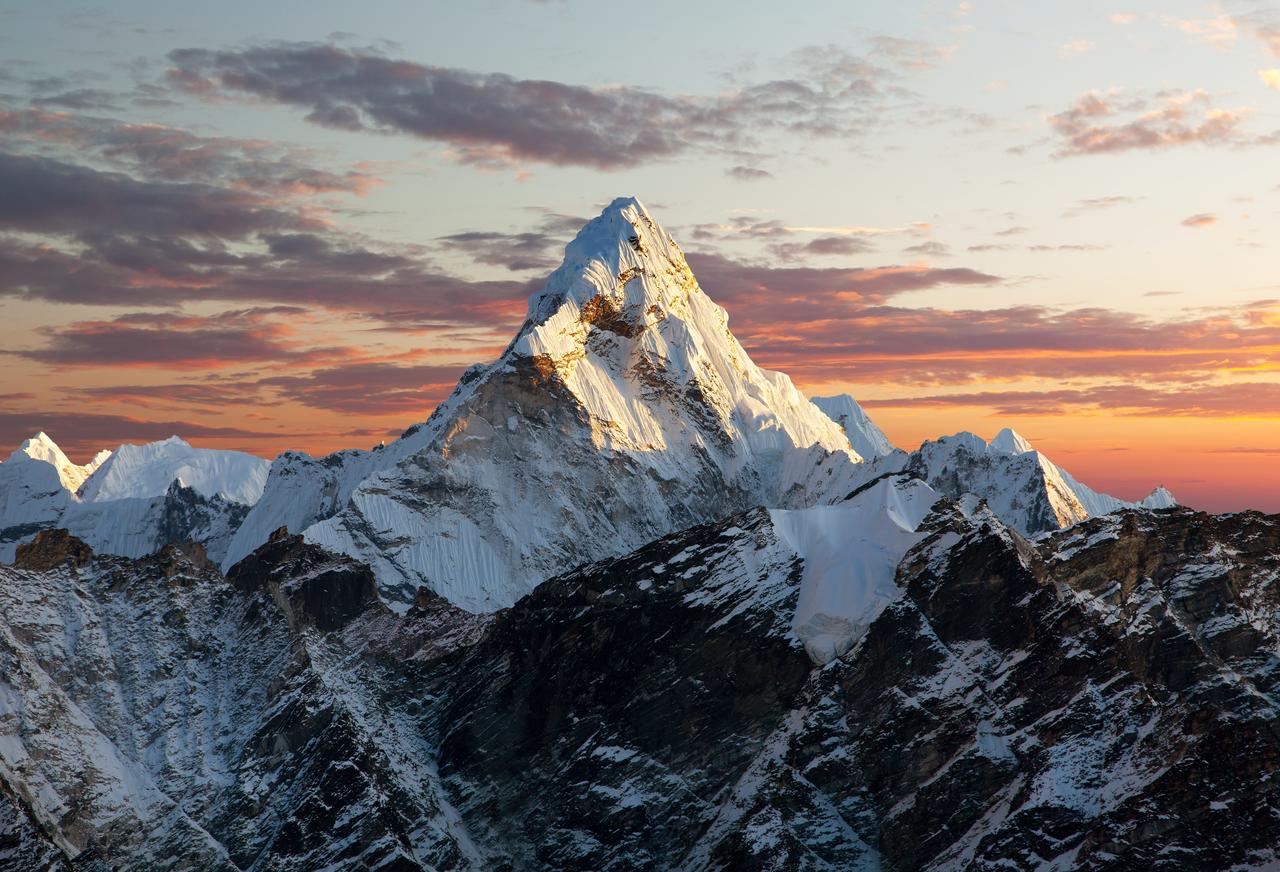
1- Mount Everest – 8,848 meters
Mount Everest, standing at 8,848 meters, is the highest mountain in the world, located on the border between Nepal and China (Tibet). Known locally as Sagarmatha in Nepal and Chomolungma in Tibet, it has become an iconic symbol of human endurance and mountaineering ambition. First successfully climbed in 1953 by Sir Edmund Hillary and Tenzing Norgay, Everest continues to attract climbers from around the globe despite extreme altitude, harsh weather, and challenging conditions. Its towering presence dominates the Himalayas and represents the ultimate achievement in high-altitude climbing.


 Set as preferred source


 1 min read