Newsletters




A steady decline in new hepatitis infections and related deaths is underway worldwide, yet progress remains uneven and too slow to meet global elimination goals by 2030, according to the World Health Organization (WHO).
The agency’s 2026 Global Hepatitis Report indicates that annual new hepatitis B infections have dropped by nearly one-third globally, while deaths linked to hepatitis C have also decreased. These improvements reflect sustained international efforts to scale up prevention and care, even as the disease continues to weigh heavily on global health systems.
Despite this progress, viral hepatitis still caused 1.34 million deaths in 2024 and continues to infect around 1.8 million people each year, underscoring the ongoing challenge.
Speaking on the findings, WHO Director-General Tedros Adhanom Ghebreyesus said that eliminating hepatitis is achievable with long-term political commitment and stable domestic funding, but cautioned that progress remains “too slow and uneven.”
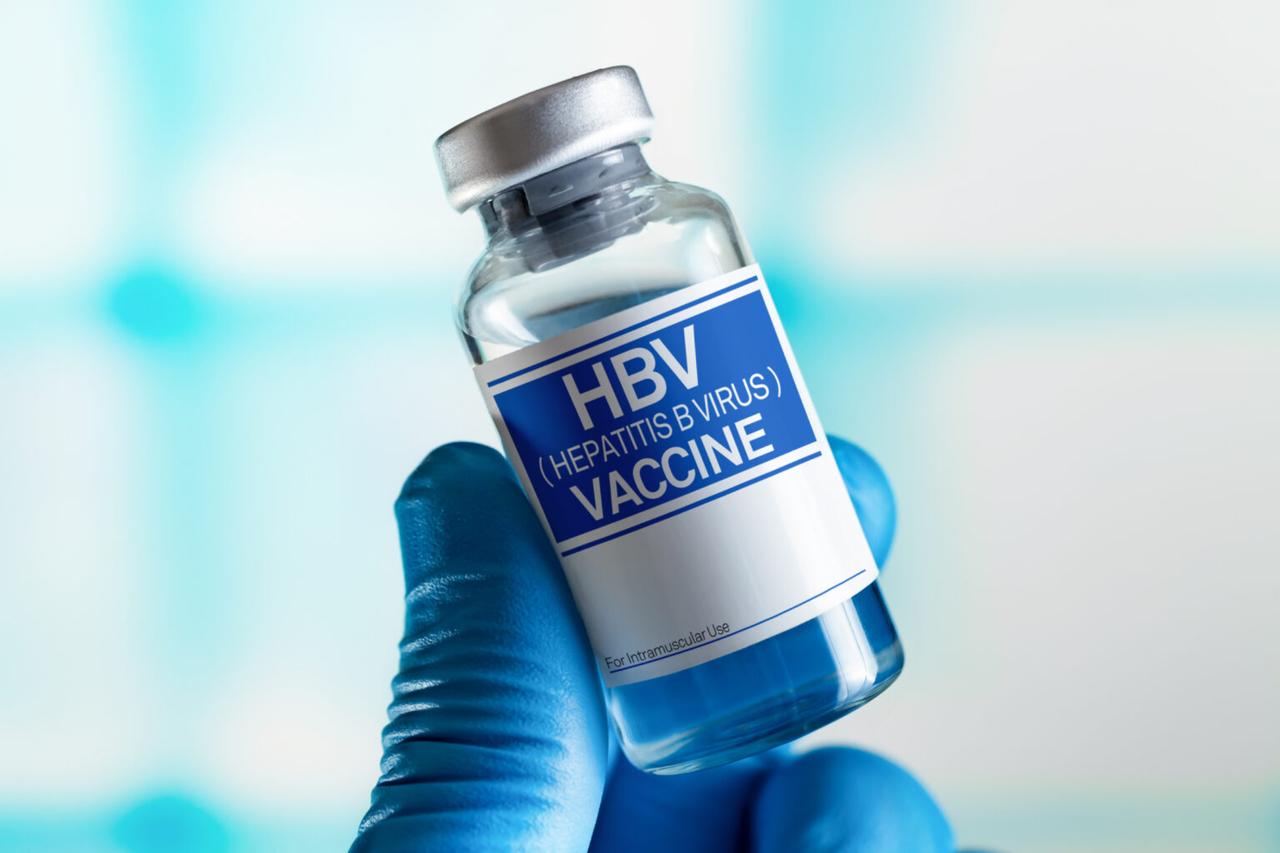
One of the report’s more encouraging findings relates to children, where hepatitis B prevalence among those under five has fallen significantly. This decline suggests that vaccination and early prevention strategies are beginning to pay off.
A growing number of countries have already reached or exceeded the WHO’s 2030 benchmark for childhood hepatitis B rates, indicating that targeted interventions can deliver measurable results when consistently applied.
Even as infection rates decline, access to treatment continues to lag. The report estimates that hundreds of millions of people are still living with chronic hepatitis B or C infections worldwide, yet only a small proportion of those with hepatitis B are receiving treatment.
Tereza Kasaeva, who leads the WHO’s department covering HIV, tuberculosis, hepatitis and sexually transmitted infections, said the data highlights both progress and persistent shortcomings, pointing to gaps in diagnosis and care.
The WHO is urging countries to step up efforts to expand prevention, testing and treatment programs in order to close these gaps and move closer to elimination targets.


 Set as preferred source
 Set as preferred source



 2 min read