Newsletters




Global climate monitoring bodies, including the European Union’s Copernicus Climate Change Service (C3S) and the World Meteorological Organization (WMO), have confirmed that 2025 was the third-warmest year globally since records began, underscoring the continued long-term rise in global temperatures.
According to the Global Climate Highlights 2025 report, the global average surface temperature reached 14.97°C, representing 1.47°C above pre-industrial levels and 0.59°C above the 1991–2020 average. The findings place 2025 only slightly behind 2023 and 2024, the two warmest years on record.
The report indicates that the last three years rank among the warmest ever recorded, reflecting a persistent upward trend in global temperatures. Scientists attribute this development primarily to ongoing greenhouse gas emissions.
Data from Copernicus shows that approximately 91% of the Earth’s surface experienced above-average temperatures during 2025, with nearly half of the globe recording significantly warmer-than-normal conditions.
The year was marked by multiple temperature extremes. January 2025 was recorded as the warmest January on record, while March, April, and May each ranked among the hottest for their respective months.
Sea surface temperatures also remained unusually high, averaging 0.38°C above the 1991–2020 baseline, marking the third-highest level on record, despite neutral El Nino conditions.
Polar regions experienced pronounced warming, with Antarctica reaching record-high temperatures and the Arctic recording its second-highest levels.
Europe, identified as the world’s fastest-warming continent, recorded its third-warmest year, with an average temperature of 10.41°C, or 1.17°C above the 1991–2020 average. Widespread heat extremes were observed across western and northern Europe, including Scandinavia and parts of the Arctic Circle, where temperatures exceeded 30°C during prolonged heatwaves.
The report also highlights significant cryosphere losses, including:
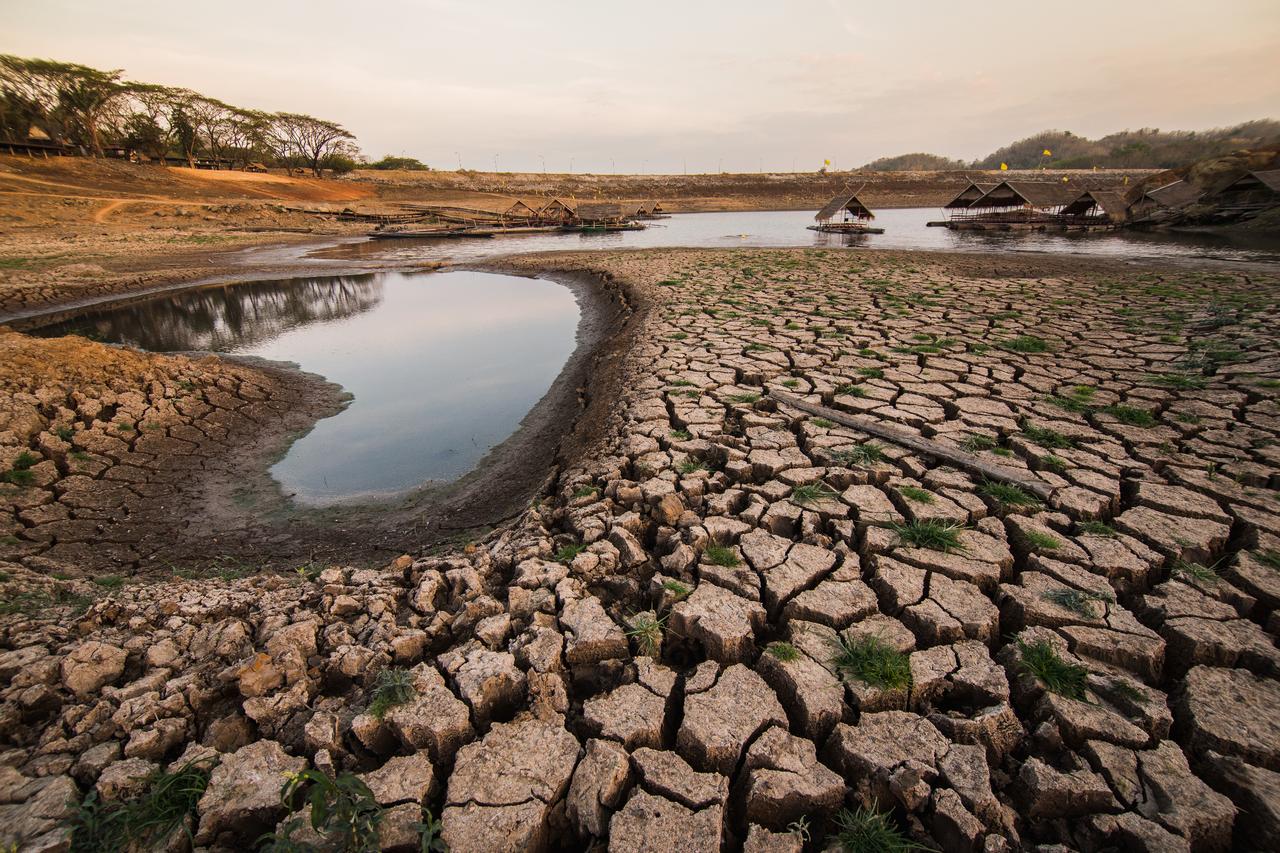
Climate-related extremes extended beyond temperature increases. Wildfires burned over 1 million hectares across Europe, while approximately 70% of rivers recorded below-average flows, and drought conditions affected more than half of the continent at certain periods.
Globally, around half of the population experienced more frequent days of strong heat stress, defined as conditions with a “feels-like” temperature above 32°C.
Despite worsening climate impacts, the report notes progress in renewable energy deployment. In Europe, renewables supplied a record 46.4% of electricity generation in 2025, with solar power reaching an all-time high contribution.


 Set as preferred source
 Set as preferred source


 1 min read


 1 min read