Newsletters




How far would you go to get the life you want? In Australia, that question now has a clear and disturbing answer.
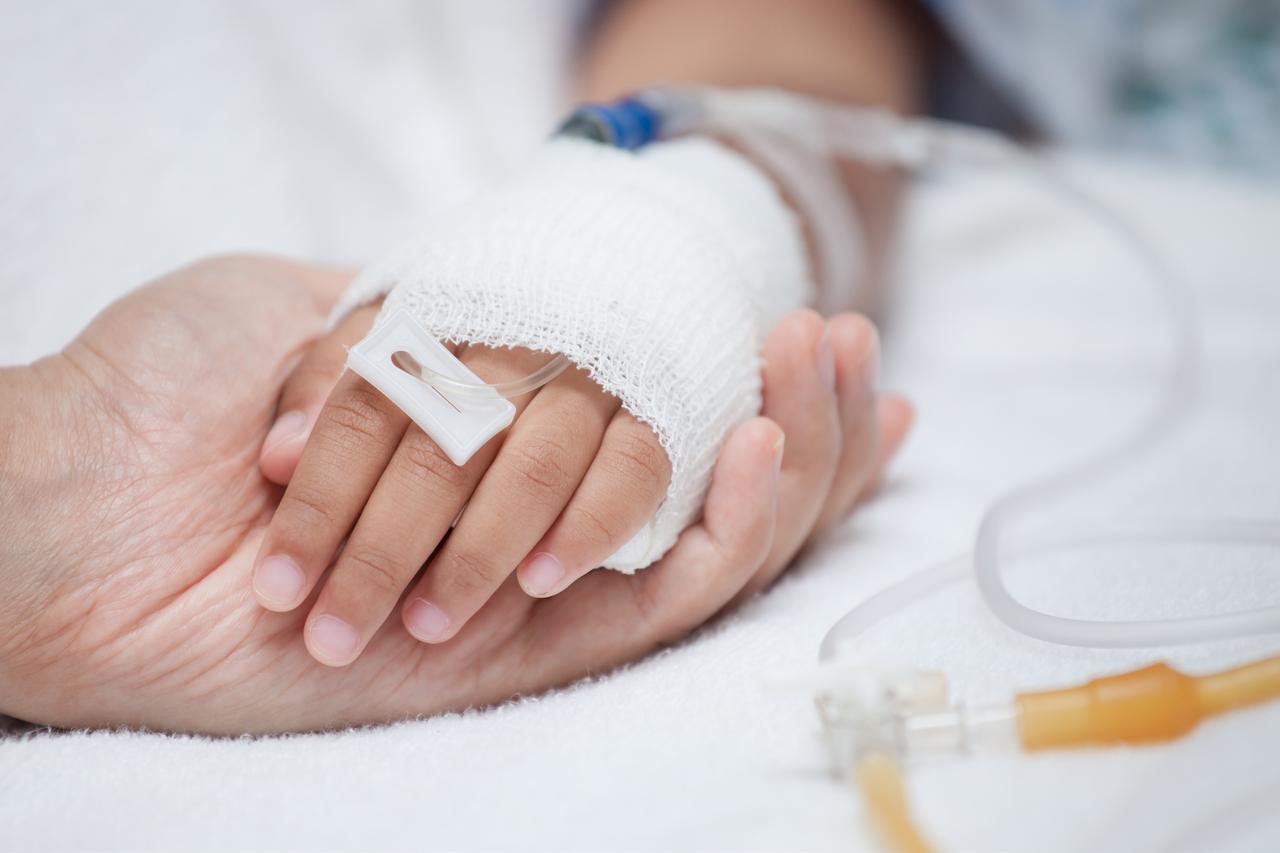
A court in South Australia has sentenced a 45-year-old mother to more than four years in prison after she fabricated her six-year-old son’s cancer diagnosis to solicit donations and fund what prosecutors described as a “lavish” lifestyle.
The case, heard in South Australia, revealed a sustained and deliberate deception in which the woman shaved her son’s head and eyebrows, bandaged his head and hands, and medicated him to create the appearance of serious illness.
Her claims began after the child visited an ophthalmologist following an accident. After that appointment, she told her husband, family, friends, and the school community that her son had eye cancer.
To reinforce the story, she forced the boy to use a wheelchair and restricted his daily activities so others would believe he was undergoing radiation treatment. Local media also reported that she gave him pain relief and health supplements as part of the scheme.
The woman, who cannot be named for legal reasons, pleaded guilty to one count of engaging in acts likely to cause harm to her son and 10 counts of deception.
At sentencing, a District Court judge described her actions as “cruel,” “calculated,” and “manipulative.” Prosecutors said she had “selfishly used her son as a prop to deceive” loved ones and the wider community, using donations to fund what they called “the life of the rich and famous.”
A decade earlier, Australia saw a different version of the same deception, this time built in public and amplified online.
Belle Gibson claimed in 2009 that she had been diagnosed with malignant brain cancer and given only months to live. She said she rejected chemotherapy and radiotherapy, instead promoting a narrative of natural healing through diet and lifestyle.
Her story attracted around 200,000 followers on Instagram. She launched a successful wellness app and a cookbook, "The Whole Pantry," presenting her experience as proof that alternative methods had saved her life.
None of it was true, of course. Gibson had never been diagnosed with brain cancer, nor with the additional cancers she later claimed to have.
Questions first emerged around her charitable claims. Journalists found that only a small fraction of the funds she said she had donated had actually been paid. As scrutiny grew, Gibson admitted the deception in a 2015 interview, stating, “No, none of it’s true.”
In 2017, the Federal Court of Australia found her guilty of misleading conduct and ordered her to repay $410,000 to the state of Victoria. Her story got turned into a Netflix series called "Apple Cider Vinegar."
The two cases are not identical. One involved a mother using her child’s body to stage illness before family, friends, and a school community. The other involved an influencer turning a false diagnosis into a public identity.
However, they both relied on the same structure: a convincing illness, an audience willing to trust it, and money that followed. In the South Australia case, the child became the evidence, while in Gibson’s case, social media became the stage.


 Set as preferred source
 Set as preferred source


 3 min read