Newsletters


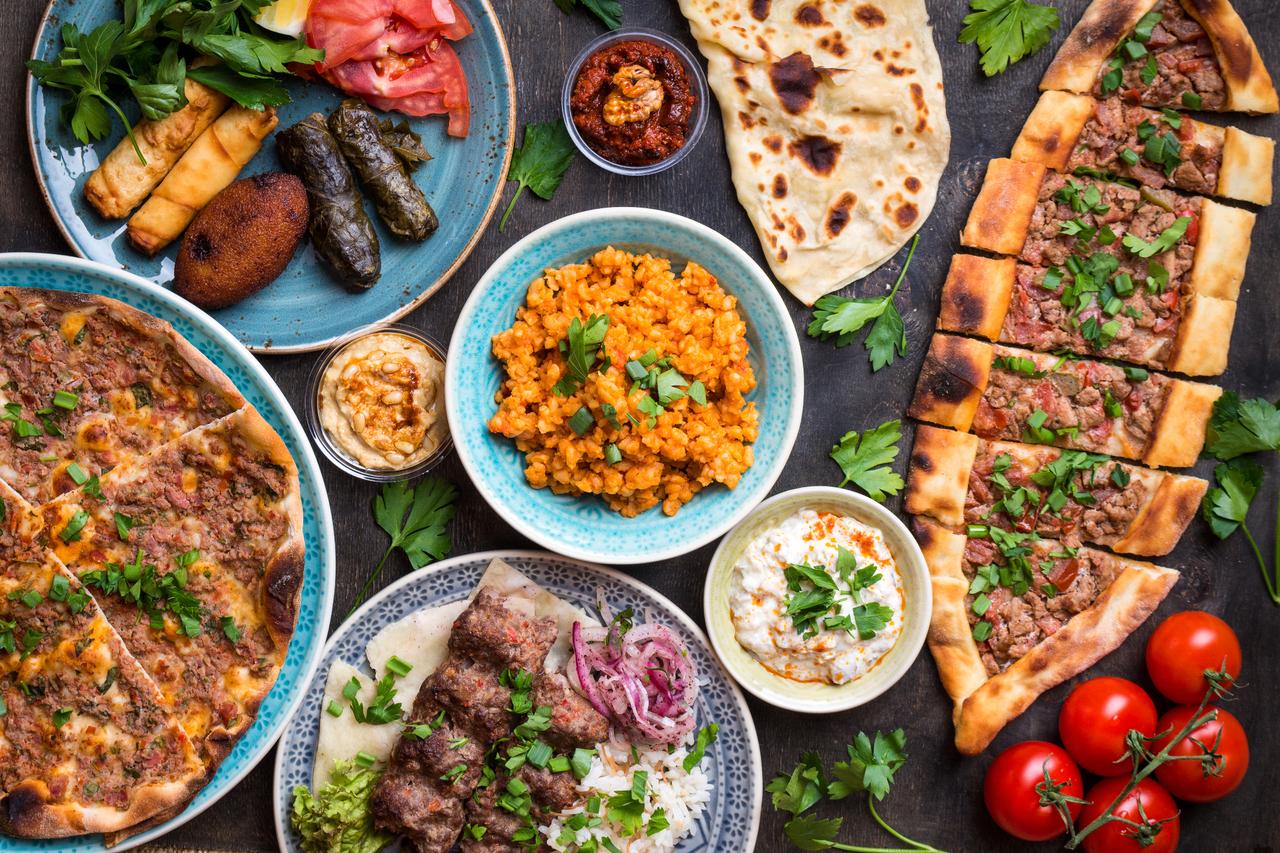


Turkish health experts warn that eating large, heavy meals right after Ramadan can put a lot of stress on your digestive system. They suggest returning to a balanced meal routine slowly.
Fatma Feyza Bilir, a dietitian at Bakirköy Dr. Sadi Konuk Training and Research Hospital, told Anadolu Agency (AA) that eating fewer meals during Ramadan can slow your metabolism.
Bilir explained that eating several large, heavy meals during the holiday can strain your stomach and intestines.
"For this reason, it would be beneficial to transition to three main meals, breakfast, lunch, and dinner, from the first days onward, and to maintain blood sugar balance with small snacks in between if necessary," Bilir said.
Bilir emphasized that breakfast is especially important. "Starting the holiday morning with a light but balanced breakfast will be the right choice.
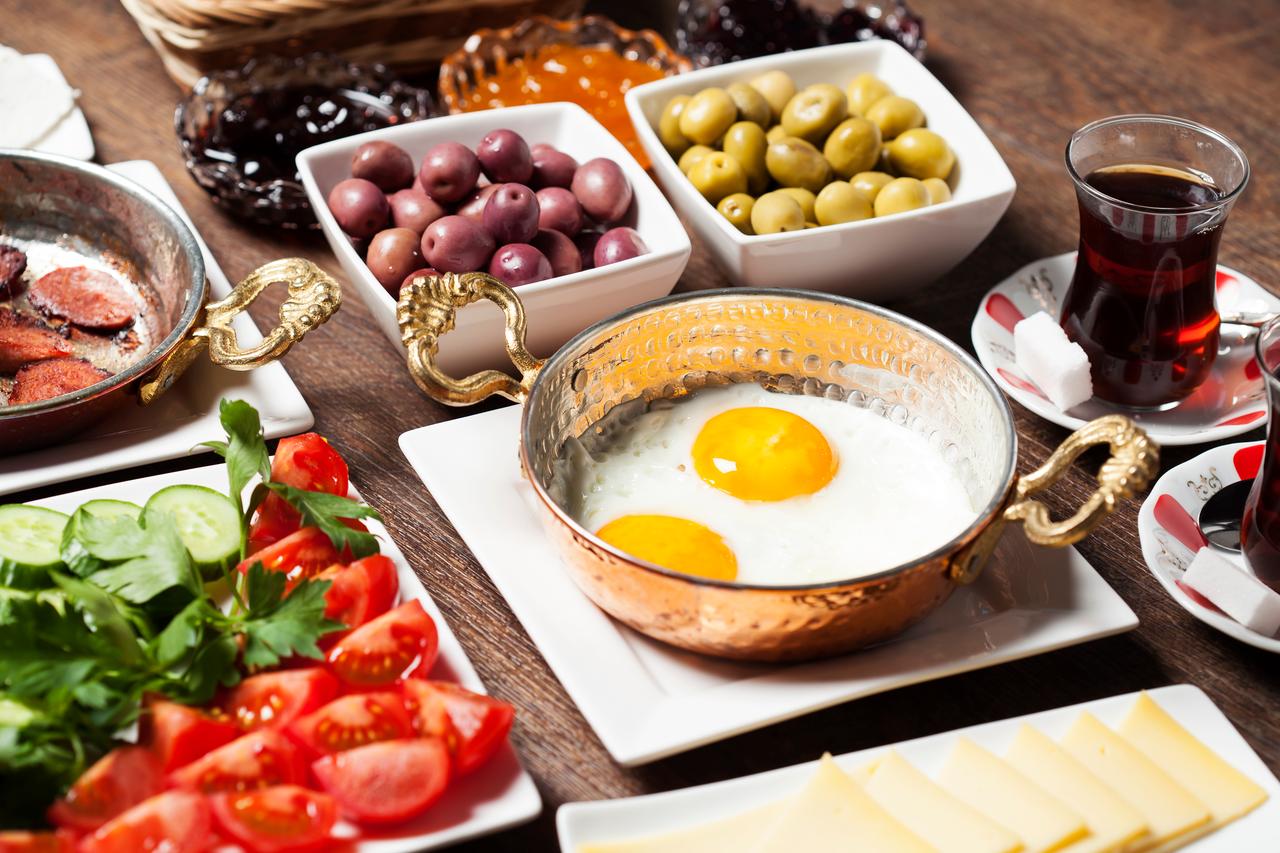
A breakfast including cheese, olives, eggs, whole-grain bread, tomatoes, cucumbers, and greens will keep you full for a long time and reduce the urge to overeat throughout the day."

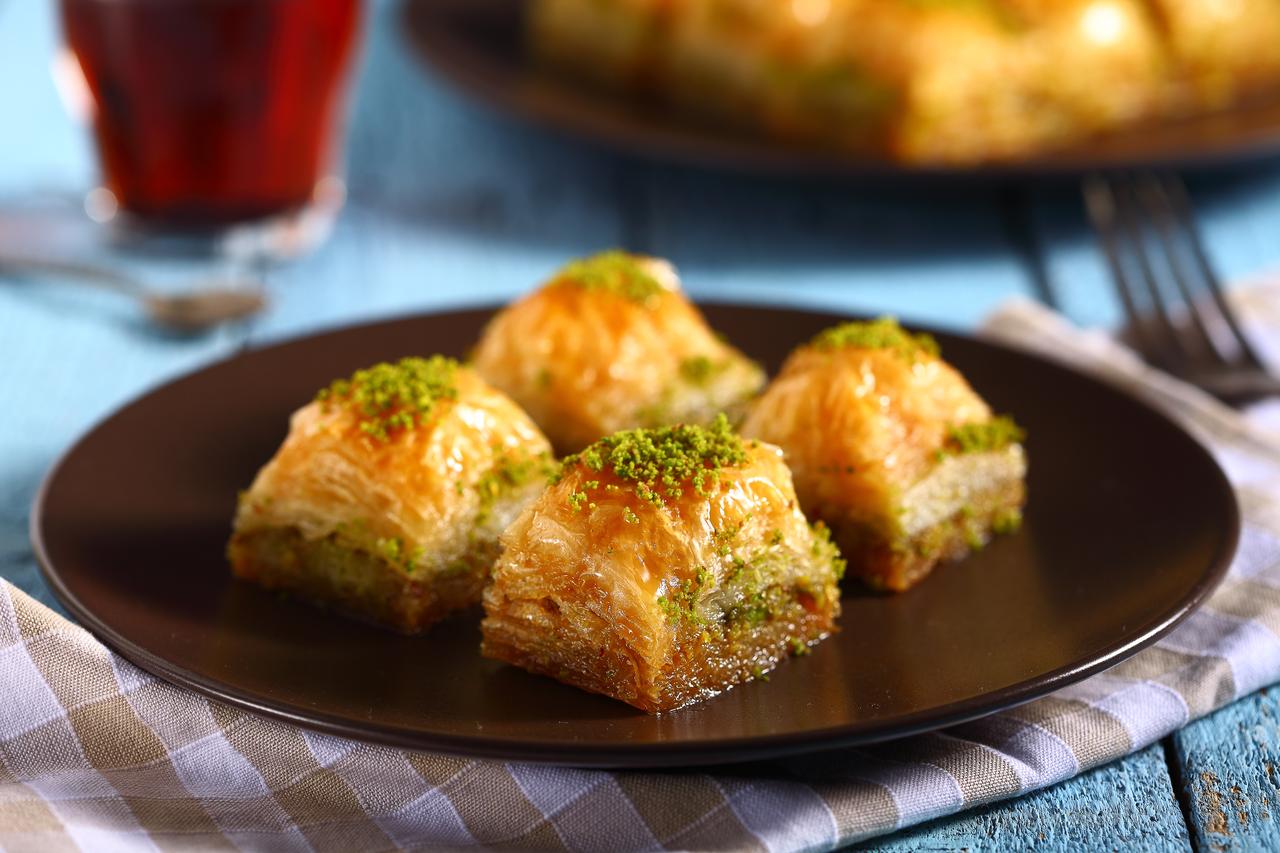
Bilir pointed out that sweets are common during the holiday, but eating a lot of food after fasting can lead to stomach problems. She also mentioned that syrupy desserts, chocolates, and pastries are often eaten during this time.
"The key is not to ban them entirely but to manage portion sizes. One small portion of dessert per day is sufficient. Milk-based or fruit desserts can be a more balanced option," Bilir said.
Bilir said that indigestion and stomach discomfort are common after Ramadan. She advised eating slowly, chewing well, and keeping portions small. She also suggested choosing lighter foods like vegetable dishes, olive oil-based meals, yogurt, and salad instead of fried or heavy foods.
Bilir also mentioned that many people do not drink enough water during Ramadan because of fasting. She said it is important to get back into the habit of drinking water regularly.
She added that sweet cravings can increase after fasting, but balanced meals with protein and fiber can help control them.
Ezgi Nur Tiril, an internal medicine specialist at Umraniye Training and Research Hospital, said that after Ramadan, people need to adjust their eating patterns back to normal. She warned that making sudden, uncontrolled changes can cause digestive problems and weight gain.
"During the holiday period in particular, meal routines can easily be disrupted due to visits and travel plans. For this reason, it is very important for eating habits to normalize gradually in the first days after the holiday," Tiril said.
Tiril said it is important to start the day with a light but balanced breakfast. She explained that eating foods like eggs, cheese, whole-grain bread, and fresh vegetables gives you energy and helps prevent sudden hunger.
She also warned that snacking at odd times during holiday visits can cause stomach problems and blood sugar swings, so it is best to stick to regular main meals.
Tiril noted that people often travel during the holiday, which can lead to eating out more often and make it harder to eat healthily.
"Instead of going long periods without eating and then consuming heavy meals, a balanced and controlled diet should be preferred. When eating out, grilled options, vegetable dishes, or salads should be chosen over fried foods and heavily sauced meals," Tiril said.
Tiril said that bloating, indigestion, and constipation are common after Ramadan. She advised adding more fiber-rich foods, such as vegetables, fruits, whole grains, and legumes, to your diet.
She also reminded people to drink water regularly throughout the day, since neither tea nor coffee can replace water.


 Set as preferred source
 Set as preferred source




 3 min read