Newsletters


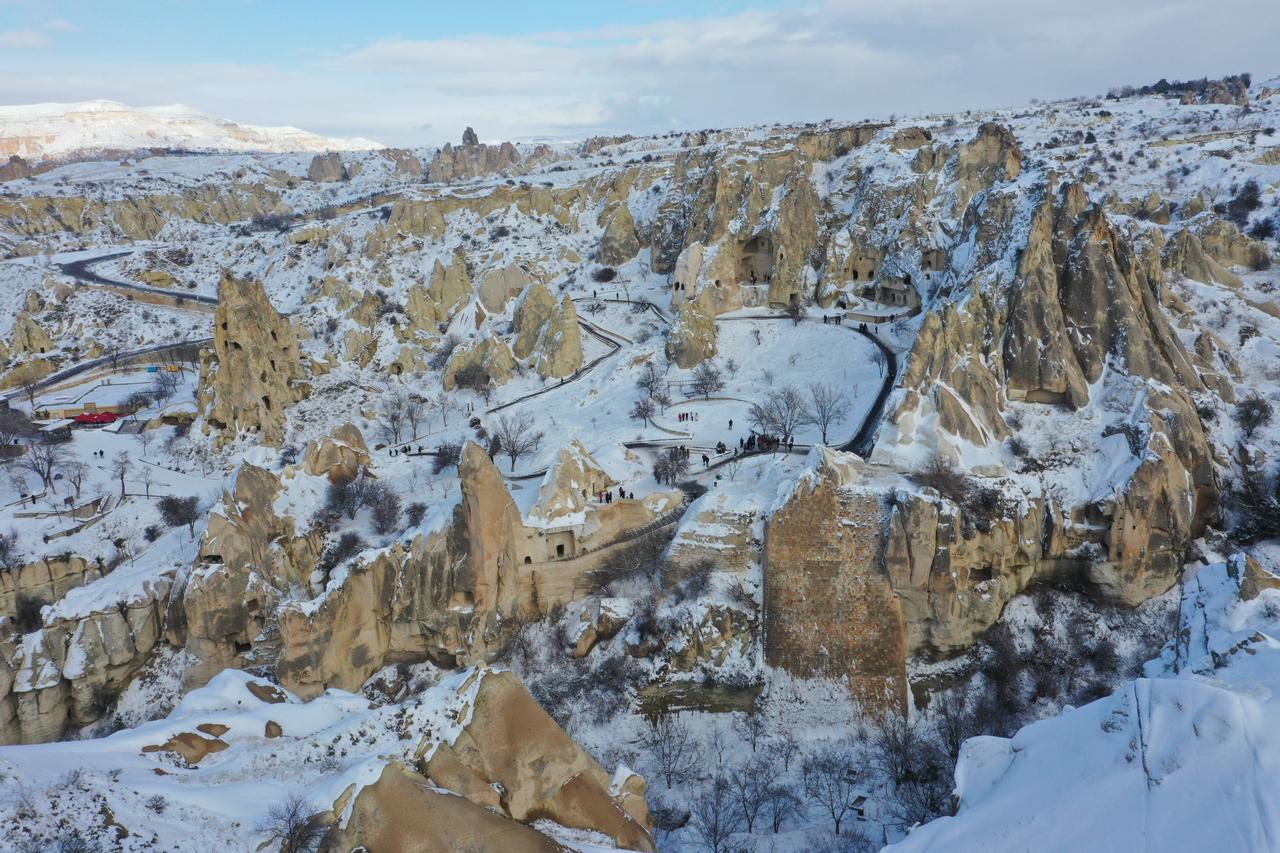


Goreme Open-Air Museum, one of Türkiye’s most visited cultural heritage sites, hosted more than 1.18 million visitors in 2025, confirming its position among the country’s top three museums under the Ministry of Culture and Tourism.
Located in Nevsehir province, at the heart of the Cappadocia region, the museum continues to draw strong interest from both domestic and international travelers.
Carved directly into soft volcanic rock, the Goreme Open-Air Museum is known for its rock-cut churches, monasteries, and chapels, many of which date back to the 11th and 12th centuries.
These structures are decorated with original wall paintings, or frescoes, that offer rare insight into early Christian art and monastic life. The site is part of a wider national park area recognized for its layered history, shaped by Roman, Byzantine, Seljuk, and Ottoman periods.
Official data from the Provincial Directorate of Culture and Tourism shows that the museum welcomed a total of 1,187,016 visitors over the year. Visitor numbers gradually built up in spring, peaked during late spring and autumn, and eased off in the winter months.
Compared with 2024, when the museum recorded just over 1.13 million visitors, the latest figures reflect a clear year-on-year increase, underlining the site’s growing global visibility.
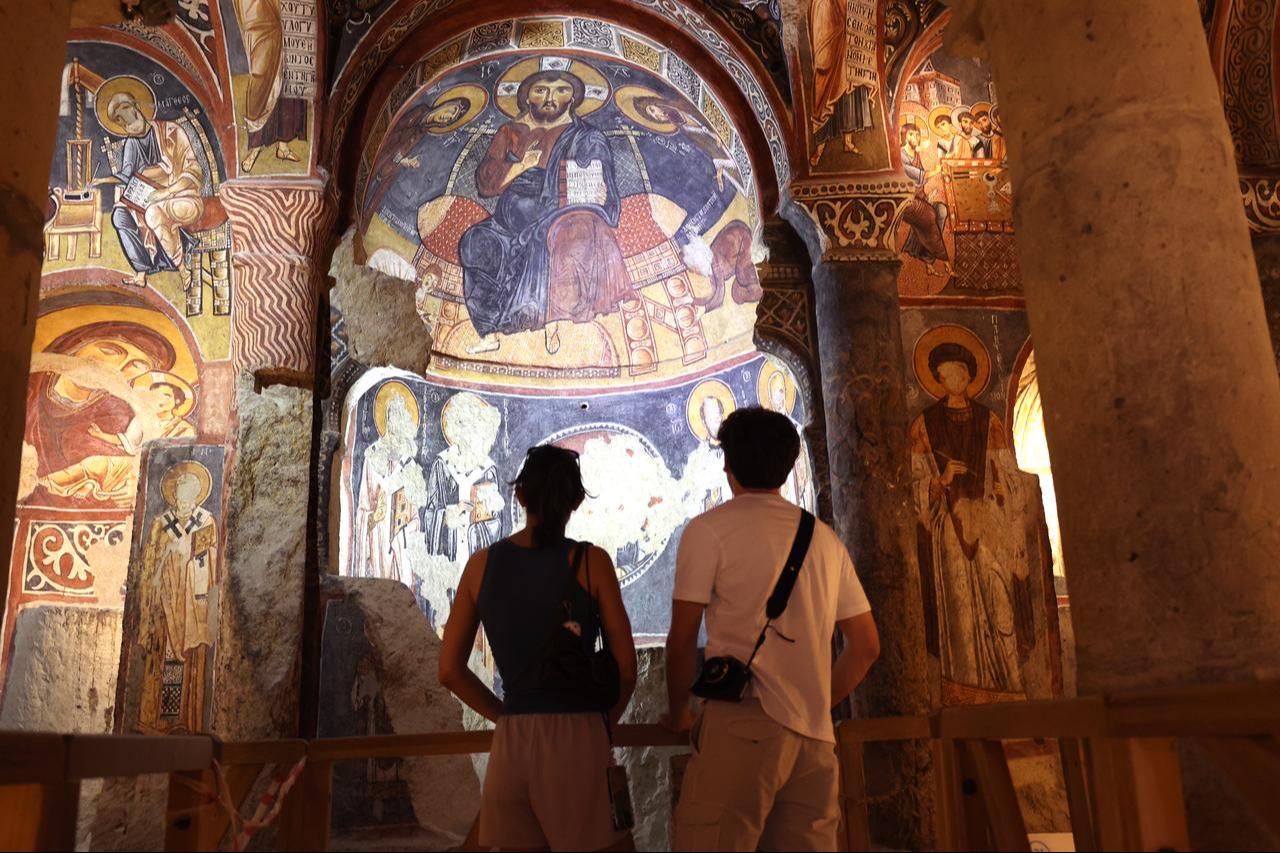

Tour guides working at the site point out that the museum’s importance lies in the authenticity of its churches and murals, which remain largely intact due to centuries of limited exposure to sunlight.
Among the churches open to visitors are those dedicated to Saint Basil, Saint Barbara, the Apple Church, the Serpent Church, and the Dark Church.
The Dark Church, named after the minimal natural light entering the space, is widely regarded as the most significant because its frescoes are exceptionally well preserved.
Guides also note that the museum attracts visitors from across the world, with particularly strong interest from East Asia, including China and South Korea, alongside travelers from Southeast Asia, Europe and Latin America.
The site is often described as the cultural heart of Cappadocia, serving as a starting point for understanding the region’s religious and social history.
Another aspect highlighted by guides is the museum’s location within a national park area where traces of different civilizations coexist. T
Through guided tours, visitors are introduced to how Christian and Muslim communities once lived side by side, a theme that resonates strongly with international audiences interested in intercultural history.
Foreign visitors frequently describe the museum as emotionally striking, noting that its setting and stories encourage reflection on history and human experience. Many recommend it as an essential stop for anyone visiting Cappadocia for the first time.


 Set as preferred source
 Set as preferred source


 2 min read