Newsletters


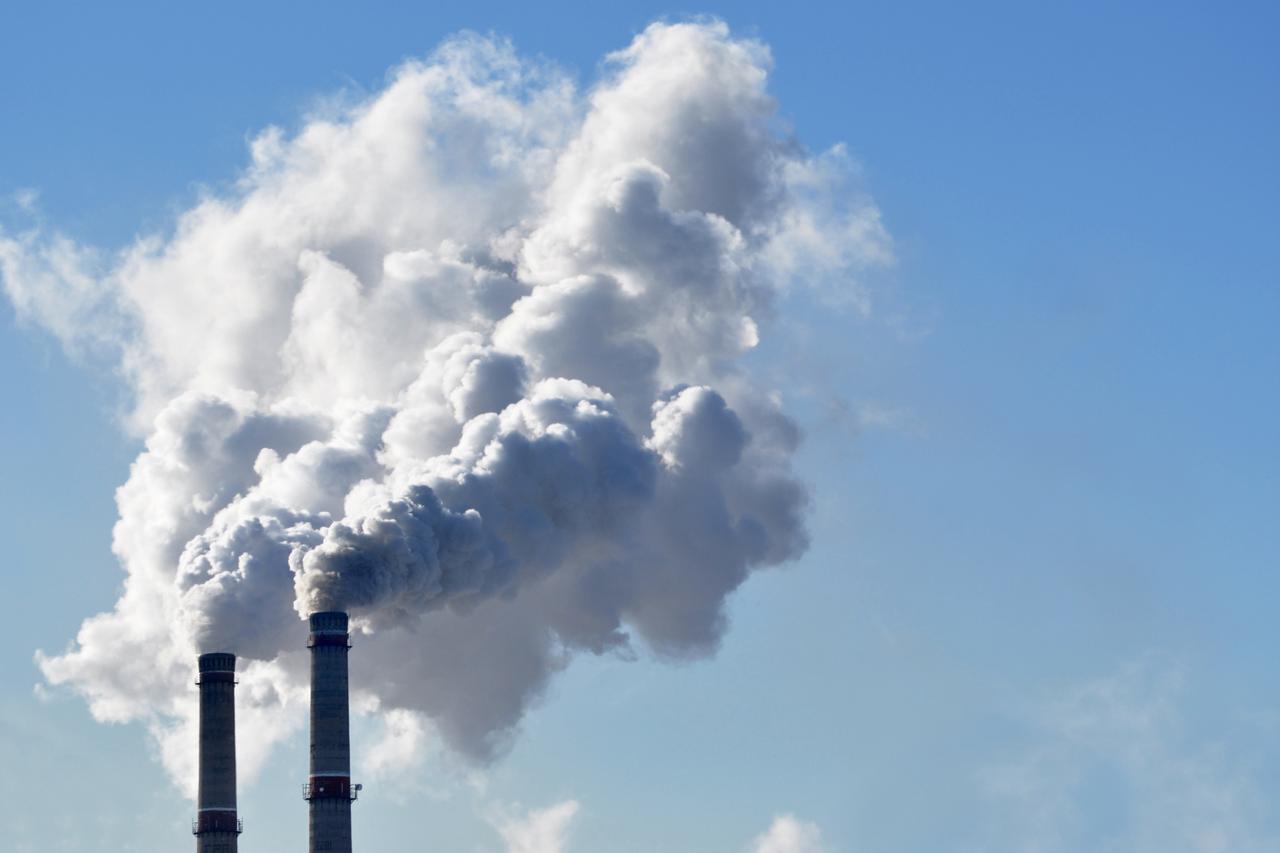


Greenhouse gas levels in the atmosphere reached new record heights in 2025, locking in climate impacts that will endure for centuries to come, the U.N.'s weather and climate agency said.
Levels of the three main greenhouse gases, carbon dioxide, methane and nitrous oxide, all rose to unprecedented figures in 2025, the World Meteorological Organization (WMO) said. The WMO, the specialized U.N. agency responsible for atmospheric science, warned the surge will drive more long-term global temperature increases.
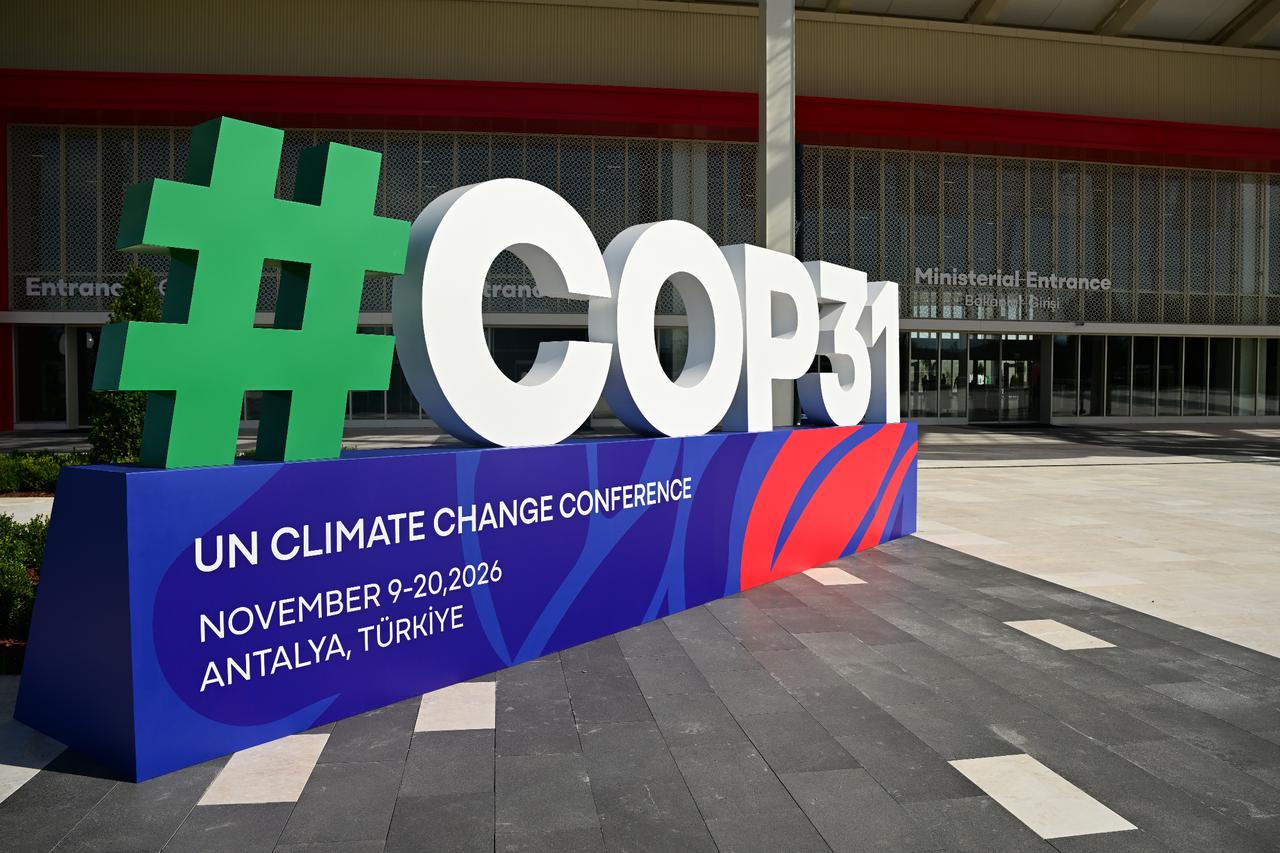
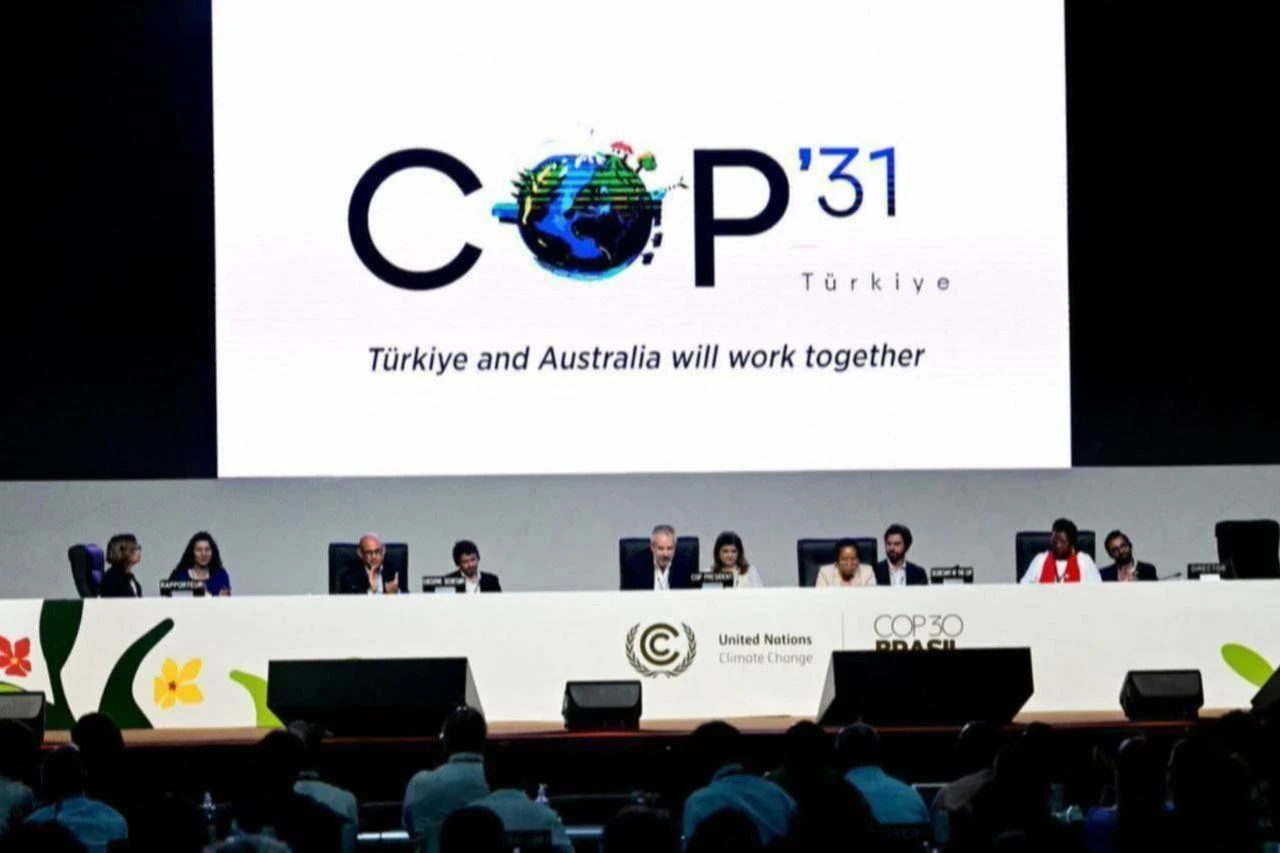
The report arrives ahead of the COP31 U.N. climate summit in Antalya, Türkiye, running from Nov. 9 to 20.
"Greenhouse gases are trapping an unprecedented amount of heat in the atmosphere, providing energy for more extreme weather," said WMO deputy secretary-general Ko Barrett.


In 2025, carbon dioxide concentrations reached 426.8 parts per million (ppm); methane hit 1,948 parts per billion, and nitrous oxide reached 339.1 parts per billion. These figures represent 153%, 267%, and 126% of pre-industrial levels witnessed before 1750, respectively.
CO2 accounts for about 66% of the climate warming effect, with around half of annual emissions remaining in the atmosphere and the rest absorbed by land and oceans.
From 2024 to 2025, global average CO2 concentrations rose by 2.8 ppm. While smaller than the record 3.6 ppm surge from 2023 to 2024, reflecting recovery from the 2023/2024 El Nino weather phenomenon, it remains above the past decade's 2.6 ppm average annual growth rate. Monitoring station data show CO2 levels continued rising in 2026.
Methane accounts for about 16% of the warming effect. Natural sources like wetlands produce one-third of emissions, while human activities like livestock, farming, landfills and biomass burning generate the remainder.
The WMO urged closer attention to two potent trace gases tied to electricity systems: molecular hydrogen (H2) and sulfur hexafluoride (SF6).
SF6, used as a spark suppressant in power distribution, has an atmospheric lifetime of up to 3,200 years and a global warming potential over 24,000 times that of CO2.


 Set as preferred source
 Set as preferred source


 1 min read

 1 min read