Newsletters


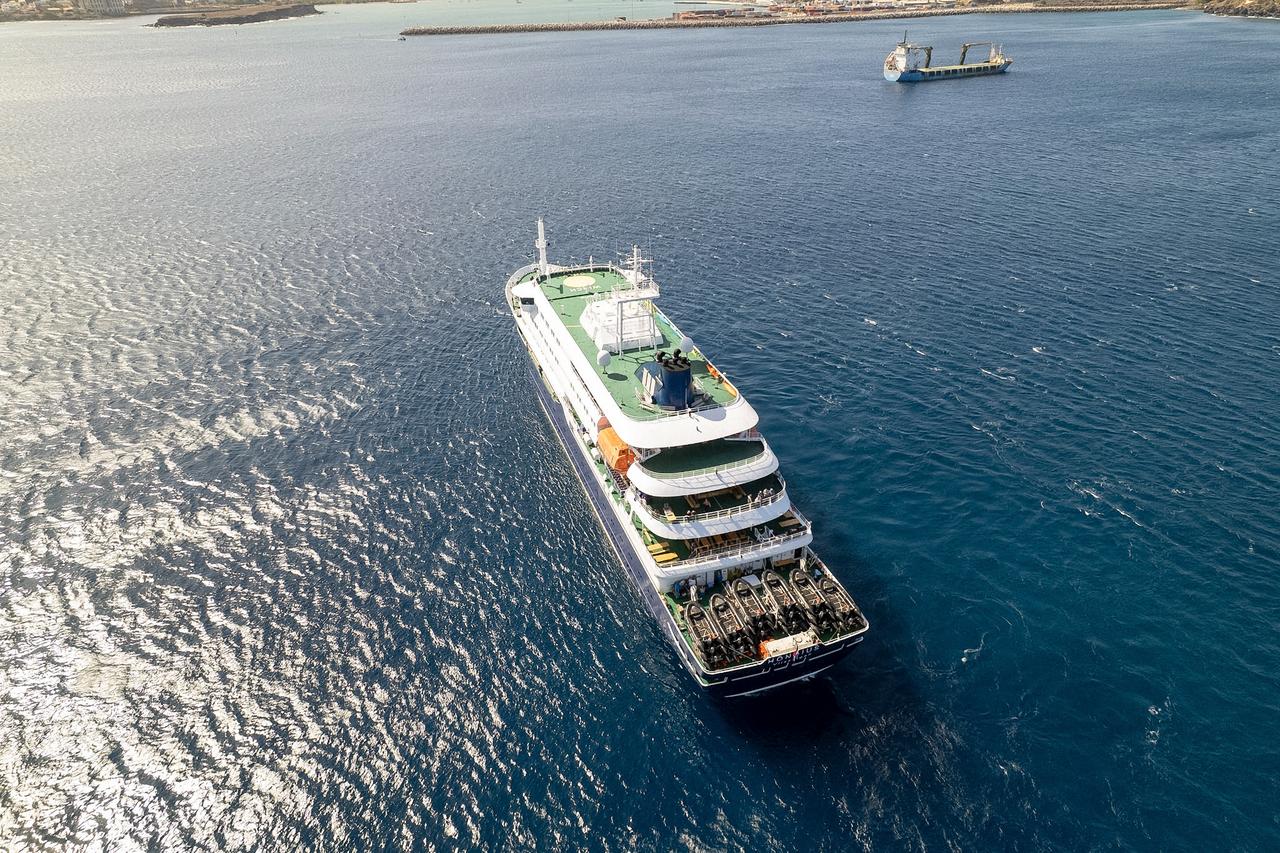


Three passengers aboard a cruise ship traveling through the South Atlantic have died following an outbreak of hantavirus, the World Health Organization confirmed Sunday, raising alarms about the rare illness aboard a vessel that had passed through some of the ocean's most remote island stops.
The WHO said one case of hantavirus infection had been laboratory confirmed, with five additional suspected cases among the ship's passengers. Of the six affected individuals, three have died and one remains in intensive care in South Africa.
The outbreak occurred on the MV Hondius, a polar expedition vessel operated by Dutch-based tour company Oceanwide Expeditions, which was traveling from Ushuaia, Argentina, to Cape Verde at the time. By Sunday, the ship was positioned just off Praia, the Cape Verdean capital, according to online vessel-tracking sites.
The first to fall ill was a 70-year-old passenger who died on board the ship. His body was being held on the island of Saint Helena, a British territory in the South Atlantic. His 69-year-old wife also developed symptoms aboard the vessel and was evacuated to South Africa, where she later died in a Johannesburg hospital. A source familiar with the case, speaking on condition of anonymity, said a Dutch couple were among those who died.
South African health ministry spokesperson Foster Mohale said authorities had not yet confirmed the victims' nationalities. A third fatality, a 69-year-old British national, was evacuated to Johannesburg and was being treated in intensive care as of Sunday.
South Africa's health ministry had earlier described the situation as an outbreak of "severe acute respiratory illness," and confirmed the Johannesburg patient tested positive for hantavirus, a family of viruses capable of causing hemorrhagic fever and severe respiratory disease.
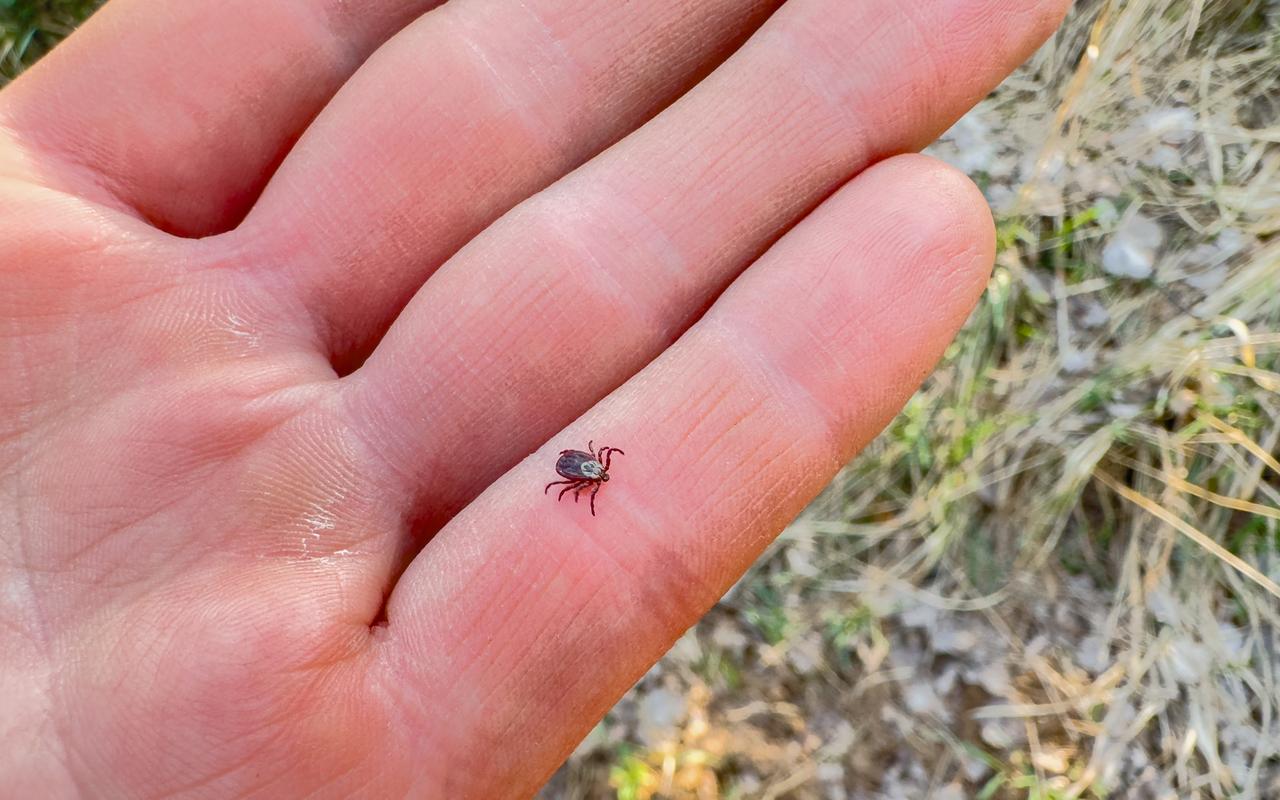
Hantaviruses are typically transmitted to humans through contact with infected rodents, specifically through their urine or feces, via bites, or by inhaling contaminated dust. The WHO noted that while person-to-person transmission is rare, it can occur, and called for "careful patient monitoring, support and response."
The virus is not commonly associated with maritime outbreaks, making the MV Hondius case particularly unusual. The ship's itinerary included stops at South Georgia, a remote sub-Antarctic island, and Saint Helena, before heading toward Cape Verde, locations where environmental exposure to rodents is plausible. There are multiple strains of hantavirus distributed across different regions of the world, with varying symptoms and severity.
 1 min read

The WHO said it was facilitating coordination between national health authorities and the ship's operators to arrange medical evacuations for two additional passengers displaying symptoms. Discussions were ongoing as to whether those individuals would be placed in hospital isolation in Cape Verde, after which the ship would continue to Spain's Canary Islands.
The MV Hondius can accommodate approximately 170 passengers and carries around 70 crew members. AFP contacted Oceanwide Expeditions for comment but had not received a response by the time of publication.


 Set as preferred source
 Set as preferred source



 1 min read