Newsletters





Heavy rain and strong winds are affecting large parts of Türkiye on Thursday.
Yellow weather alerts are in place for 31 provinces, while forecasters expect unstable conditions to continue through the weekend.
Most of the country is expected to see cloudy skies and rain on April 2. In higher parts of the eastern Black Sea region and northern and eastern parts of eastern Türkiye, the forecast also includes sleet and snow.
The heaviest rainfall is expected in parts of the Mediterranean, much of the western Black Sea except Sinop, and areas of central and southeastern Türkiye.
Forecasters also warned of locally heavy rain in Sakarya, Ankara, Kirikkale, Cankiri, Adiyaman, Gaziantep, Kilis, and the western parts of Sanliurfa. Later in the day, stronger rainfall is also expected along the coasts of Izmir and Aydin, as well as in Mugla.


For visitors and foreign residents in Türkiye, the main risks on Thursday are travel delays, poor visibility, sudden heavy downpours, and strong coastal winds.
Why it matters
The General Directorate of Meteorology issued yellow-coded warnings for 31 provinces. This warning level means weather conditions are potentially dangerous and people should stay cautious, especially if they plan to travel or spend long periods outdoors.
The provinces under yellow alert are Adana, Adiyaman, Afyonkarahisar, Ankara, Antalya, Balikesir, Canakkale, Denizli, Gaziantep, Giresun, Hatay, Mersin, Izmir, Kayseri, Kirsehir, Konya, Kutahya, Kahramanmaras, Nevsehir, Nigde, Ordu, Sivas, Tokat, Trabzon, Sanliurfa, Usak, Yozgat, Aksaray, Karaman, Kilis, and Osmaniye.
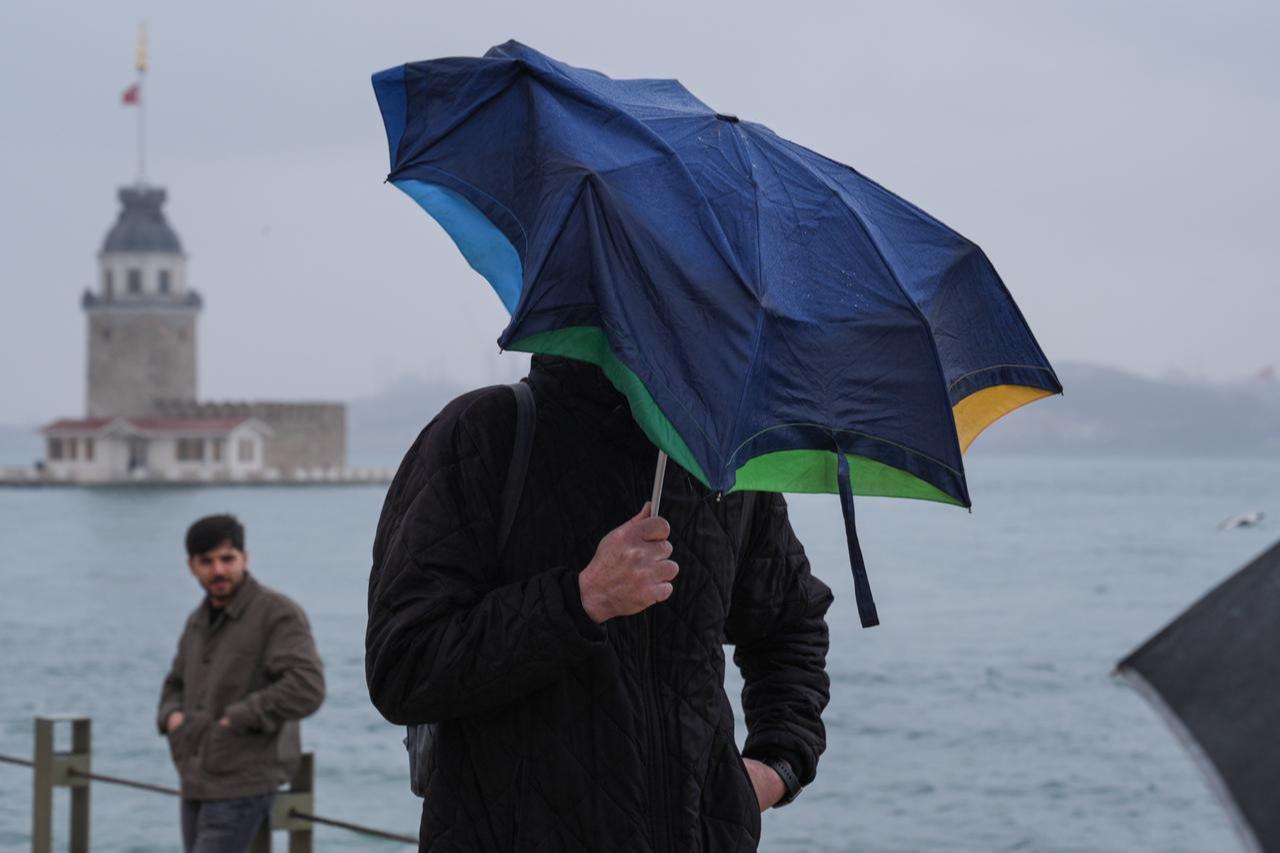
Winds are expected to blow from the north in Marmara and from the south in the Aegean, Mediterranean, central Anatolia, and the central Black Sea.
In many areas, wind speeds are expected to reach 40 to 60 kilometers per hour. In parts of the coastal Aegean, winds may strengthen to 60 to 80 kilometers per hour, reaching storm level.
Meteorologists also warned of dust transport along the Aegean coast and the western coast of the western Mediterranean. This may lower air quality and reduce visibility.
Meteorology expert Adil Tek said the dust comes from North Africa. He said it can leave a layer of mud on cars when it mixes with rain, but added that it is a natural weather event.
In eastern Türkiye, temperatures are expected to fall by 3 to 5 degrees Celsius, while no major change is expected elsewhere. Higher parts of the eastern Black Sea and eastern Anatolia remain at risk of avalanches and snowmelt, especially on steep slopes with deep snow cover.
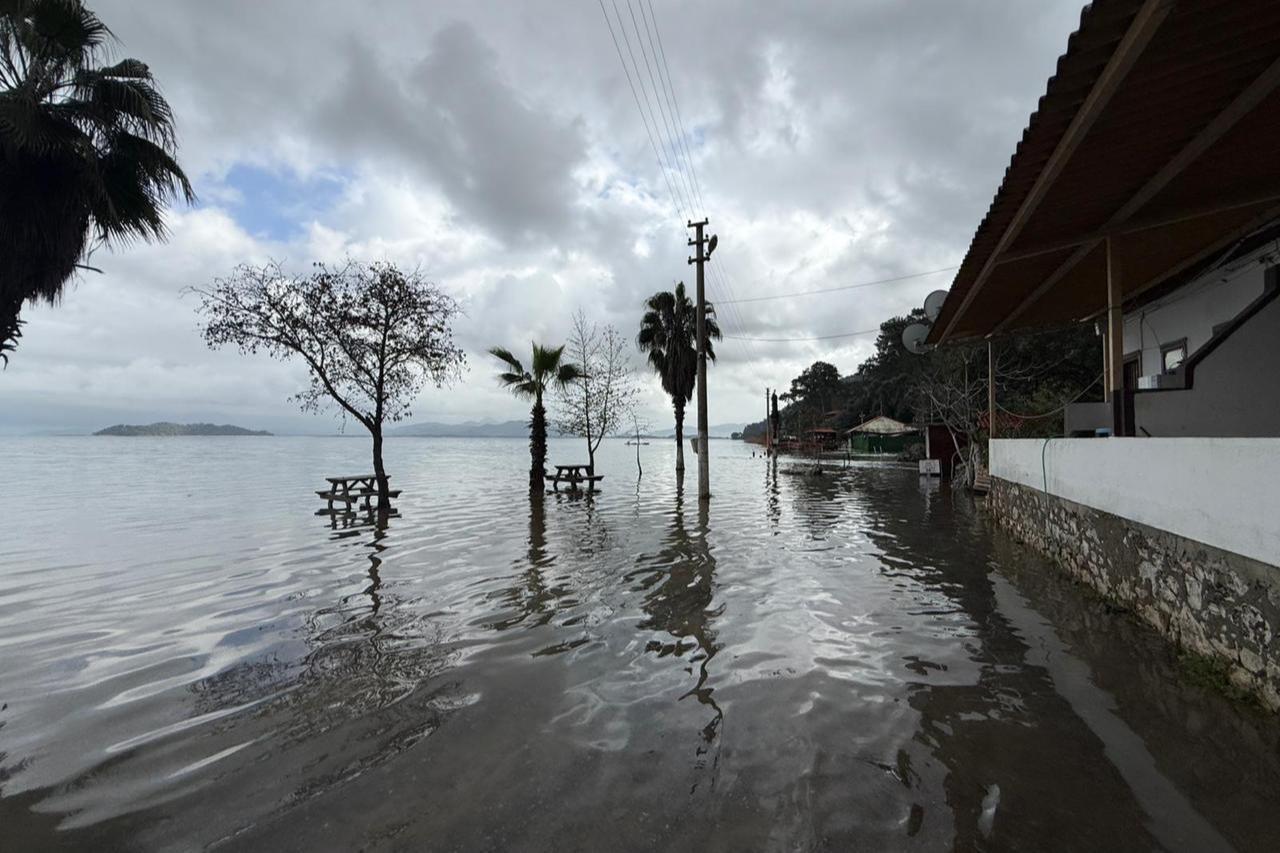
Some of Türkiye’s biggest cities are expected to see the following conditions on Thursday:
Other forecast highs include Antalya at 19 degrees Celsius, Adana at 18 degrees Celsius, Trabzon at 19 degrees Celsius, Erzurum at 9 degrees Celsius, and Gaziantep at 12 degrees Celsius.
Tek said one weather system is expected to weaken as another arrives from the Mediterranean on Friday. He said the rainy pattern is likely to continue through the weekend before losing strength and moving out by Monday.
He also said freezing cold conditions have likely ended in western and northwestern Türkiye, with warmer spring weather expected later this month.


 Set as preferred source
 Set as preferred source



 3 min read