Newsletters


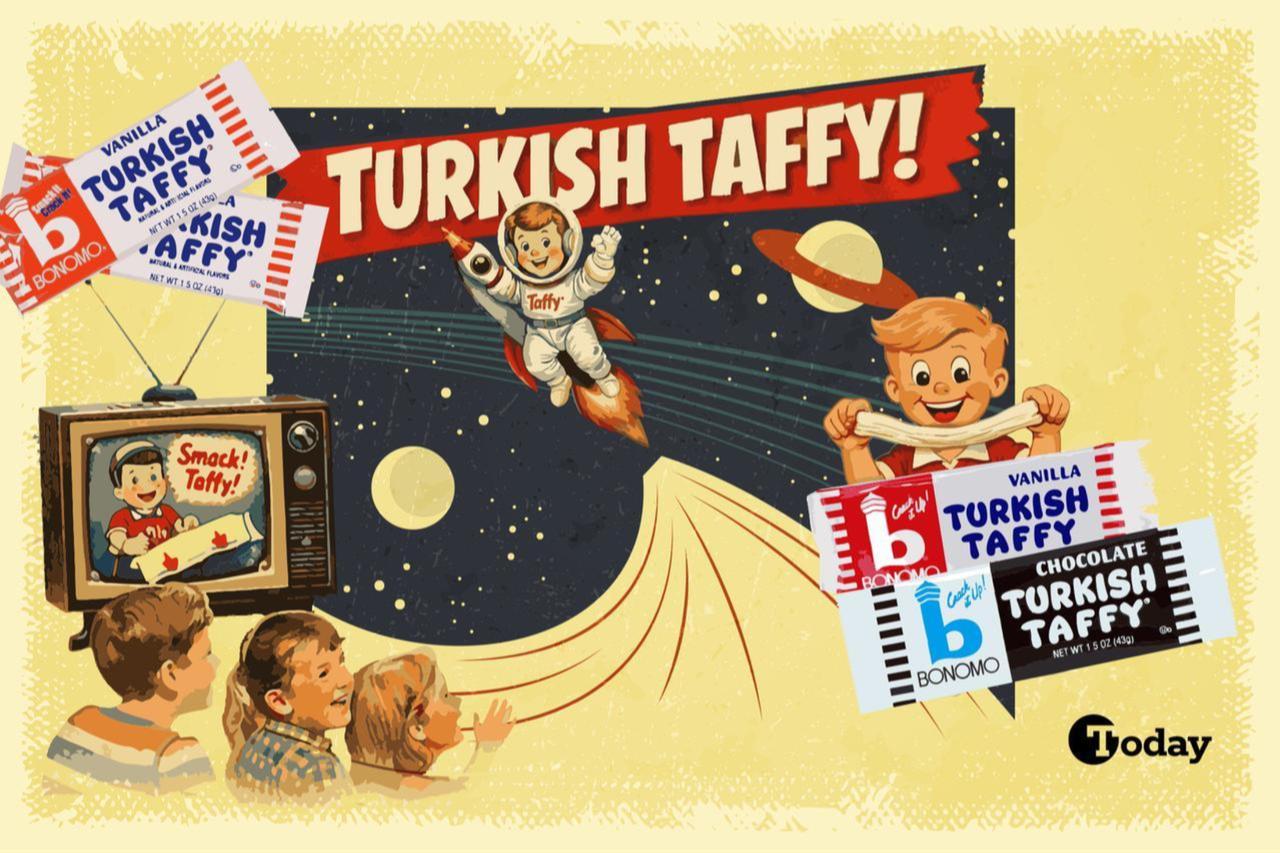


A stroll down memory lane in the global sweetie industry usually unwraps recollections of classics like Ferrara’s Atomic Fireballs, Fry’s Chocolate Cream and a lip-smacking, delicious cube of Haci Bekir’s Turkish Delight.
But ask your average pistachio-dusted, double-roasted lokum lover who invented Turkish Taffy, and you’ll get answers like “What’s Turkish Taffy?” and, after taking a bite, “My dentist, judging by the damage.”
The sort of correct answer is Herman “Pop” Herer, a candy-making Austrian immigrant who came to America in 1901 with nothing but his skills, his dreams, and, eventually, a superbly enchanting confectionery goo that rotted teeth and ripped out fillings.
Pop apprenticed under a candy maker in Austria, where he was paid in room and board, a business model later adopted by interns everywhere.
After arriving in the Land of Opportunity, he started his own small candy business, which sold to retailers, manufacturers, and anybody who happened to walk by holding a nickel.
Then came 1912: the year of the great mistake.
While whipping up marshmallows for M. Schwarz & Sons in Newark, New Jersey, Pop accidentally dropped too many egg whites in his copper kettle, the culinary equivalent of throwing a wrench into a jet engine at 45,000 feet.
But instead of tossing the batch, Pop thought, “Hmm, maybe I can sell this goop to children.” And after much experimenting, poking, stretching, and likely denting a drawer of kitchen tools, Pop invented Turkish Taffy, a candy that—so far—had nothing whatsoever to do with Türkiye.
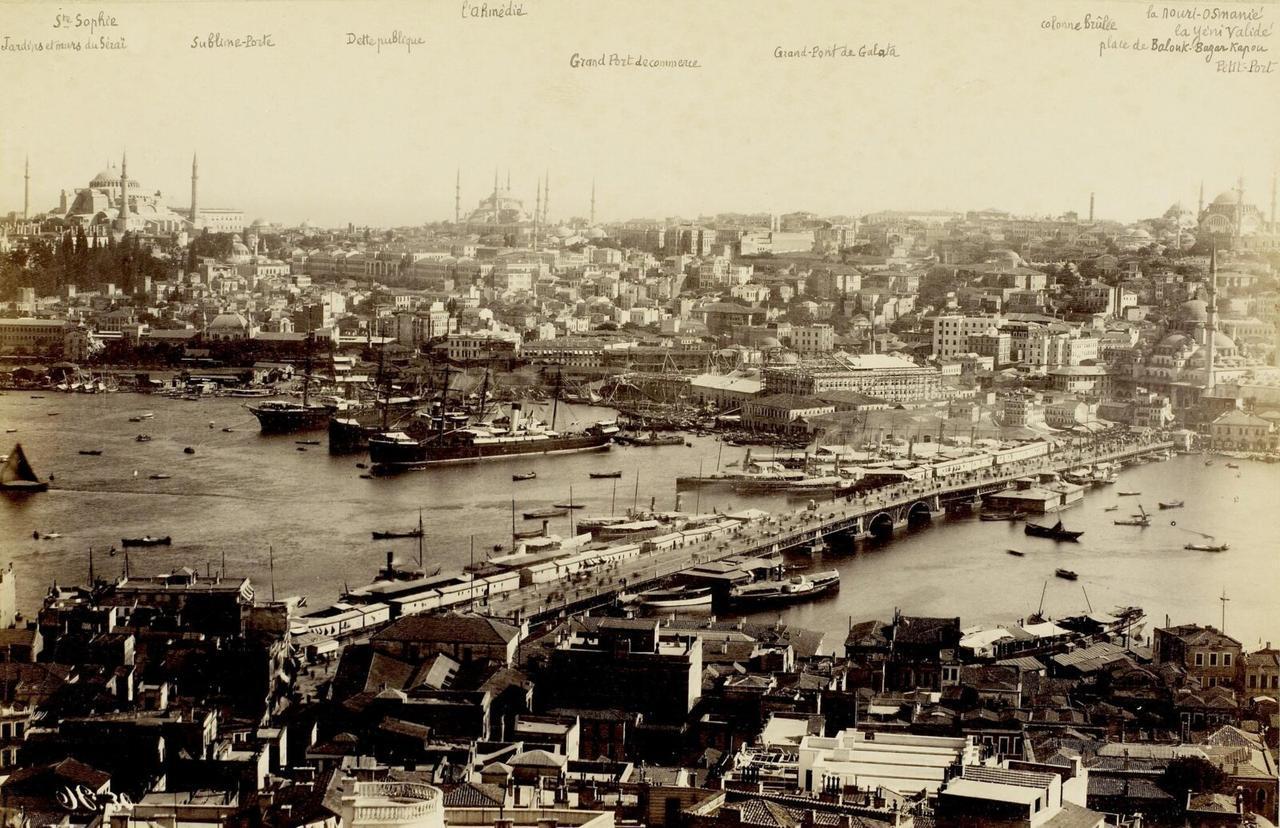

Byzantine and Ottoman scholars still have absolutely no idea what Turkish Taffy has to do with Türkiye. The stuff was hokum, and it certainly neither looked nor tasted like lokum.
My personal theory: Pop needed a name, looked around the kitchen, and saw a postcard of Istanbul glued to the wall, shrugged, and said, “Good enough.”
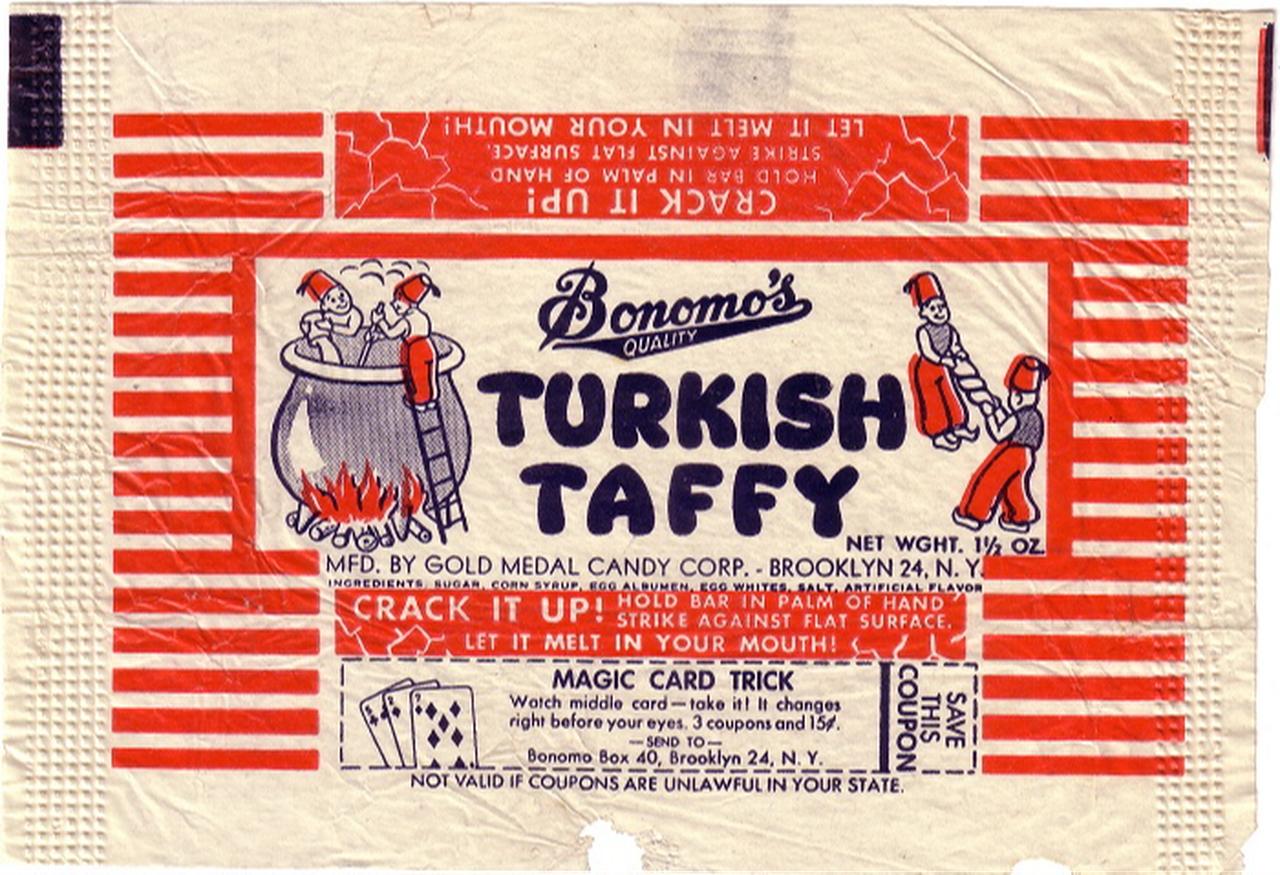
The Turks finally arrived in 1936, when the Turkish-American confectionery magnate and Coney Island legend Albert Bonomo bought the brand, adding a marketing gimmick that featured a company of elves in silly hats—none of whom looked anything like Türkiye’s storied peripixies—cooking taffy over open kettles.
Bonomo’s Turkish Taffy was on course to become the most popular candy in America. Family patriarch Albert Bonomo had emigrated from Türkiye in 1892, pushed a candy cart around Coney Island, and built a sugary kingdom that included a three-story house with a candy factory downstairs and 30 candy makers living upstairs. This was "Charlie and the Chocolate Factory" for real.
Taffy history was being made.
So were cavities.
At first, the candy was sold straight off the Coney Island boardwalk by concessionaires and Bonomo family members wielding baskets of Turkish Taffy. Then Woolworth’s 5 & 10 got in on the candy action. The coast-to-coast chain store allowed children to crack into gigantic 50- to 200-pound slabs of Turkish Taffy, breaking off blocks with ball-peen hammers.
"Crack it up" became the candy’s sanctioned motto.
Mothers were not pleased. The kids loved it. Dentists were ecstatic.
But there was a problem.
Turkish Taffy melted faster than a snowman at a bonfire. Wax paper wrappers were a spectacular failure. Children wept as their ingots liquefied into a puddle.
So Vic and Tico Bonomo invented the heavy foil wrapper, a shrewd piece of engineering whose so-called dead fold properties kept the vanilla taffy intact and prevented sticking; indeed, candy legend has it that NASA secretly employed the dead fold during the Apollo space program that put a man on the moon.
New flavors emerged—chocolate, strawberry and banana. Vanilla bar purists allegedly caused riots when Bonomo offered up—and quickly pulled—super-duper adhesive peanut butter Turkish Taffy.
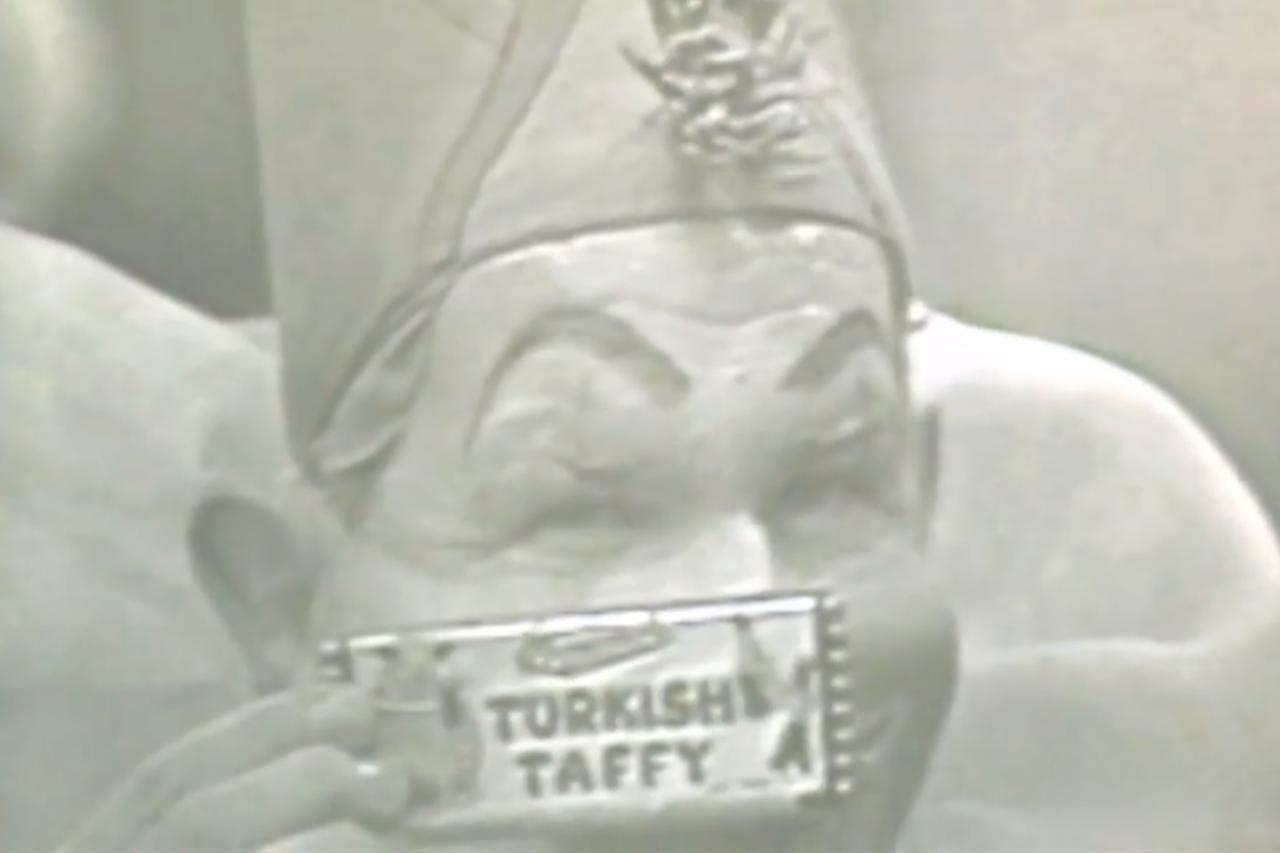
In 1949, America’s children tuned into NBC TV to see “The Magic Clown,” Turkish Taffy’s televised pitchman, who performed magic tricks while surrounded by enthusiastic kids sitting atop hillocks of Turkish Taffy.
The Bonomo family was now selling more than 80 million bars a year. The product appeared in comic books, Cheerios cereal boxes and partnered with the Duncan Yo-Yo company. Turkish Taffy’s fez-wearing puppet mascots Bo, No and Mo were all the rage.
The thrills came to an end in 1972, when Tootsie Roll Industries purchased Turkish Taffy and destroyed all the gooey fun.
The Tootsies changed the recipe, name, texture and shape—renaming the sorry mixture Soft and Chewy Tootsie Taffy, a substance critics said was chemically identical to what’s used to patch potholes. It was a flop. Turkish Taffy was no more.
Fans mourned the loss until Kenny Wiesen and Jerry Sweeny relaunched the brand over the internet in 2010.
Today’s Turkish Taffy is the real deal, the original Smack-It Crack-It formula, inspiring sweet memories and reminding a new generation of parents to keep their family’s dental insurance payments up to date.


 Set as preferred source
 Set as preferred source




 6 min read