Newsletters


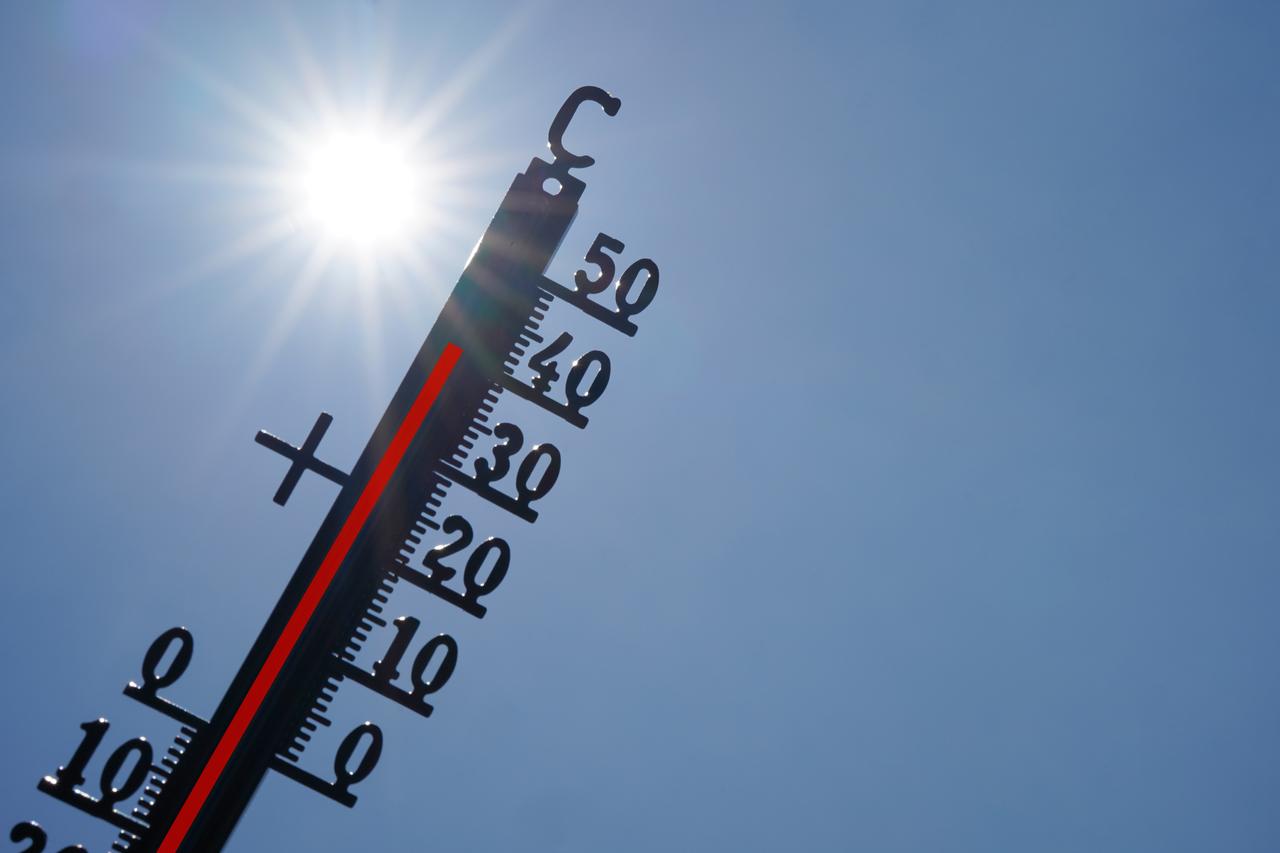


Hong Kong experienced its hottest October since records began, according to data released by the Hong Kong Observatory, the city’s weather service, over the weekend.
The Observatory reported a monthly mean temperature of 27.6 degrees Celsius (81.68 degrees Fahrenheit) on Sunday, 0.2°C higher than last year’s figure, which was itself a record for the month.
Hong Kong began recording weather observations in 1884.
The month started hot. Under weak winds and plenty of sunshine, the temperature at the Observatory climbed to 33.6°C on Oct. 1, the highest of the month. The weather changed sharply over the next two days, as upper-air disturbances brought showers and thunderstorms. More than 50 millimeters of rain fell in many places on Oct. 2-3, and totals topped 100 mm in parts of Kowloon, Sha Tin and Sai Kung districts.
A cold front crossed the coast on the night of Oct. 4, bringing heavy showers and squally thunderstorms. More than 30 mm of rain was recorded in Yuen Long District, Tsuen Wan District, Central and Western District and Chek Lap Kok.


The dry northeast monsoon, a seasonal wind from the north that brings cooler, drier air to southern China in autumn, kept conditions fine and dry from Oct. 5 to 9. The temperature at the Observatory fell to 23.3°C on Oct. 6, the lowest of the month and the lowest so far this autumn.
An anticyclone, a high-pressure system that typically brings stable, sunny weather, settled over southern China and kept the weather mostly fine from Oct. 10 to 13. A fresh to strong easterly airstream later affected the territory, bringing cloudier conditions and a few rain patches.
Under clear skies and weak winds, temperatures rose to around 33°C on the afternoon of Oct. 21, and parts of the territory experienced extremely hot weather.
On Oct. 23, the Observatory recorded a maximum of 32.3°C, the hottest day ever for the Frost solar term, a period in the traditional Chinese calendar that falls in late October. A stronger northeast monsoon reached the coast of Guangdong on Oct. 28, before conditions turned fine and dry again on Oct. 29.
 1 min read
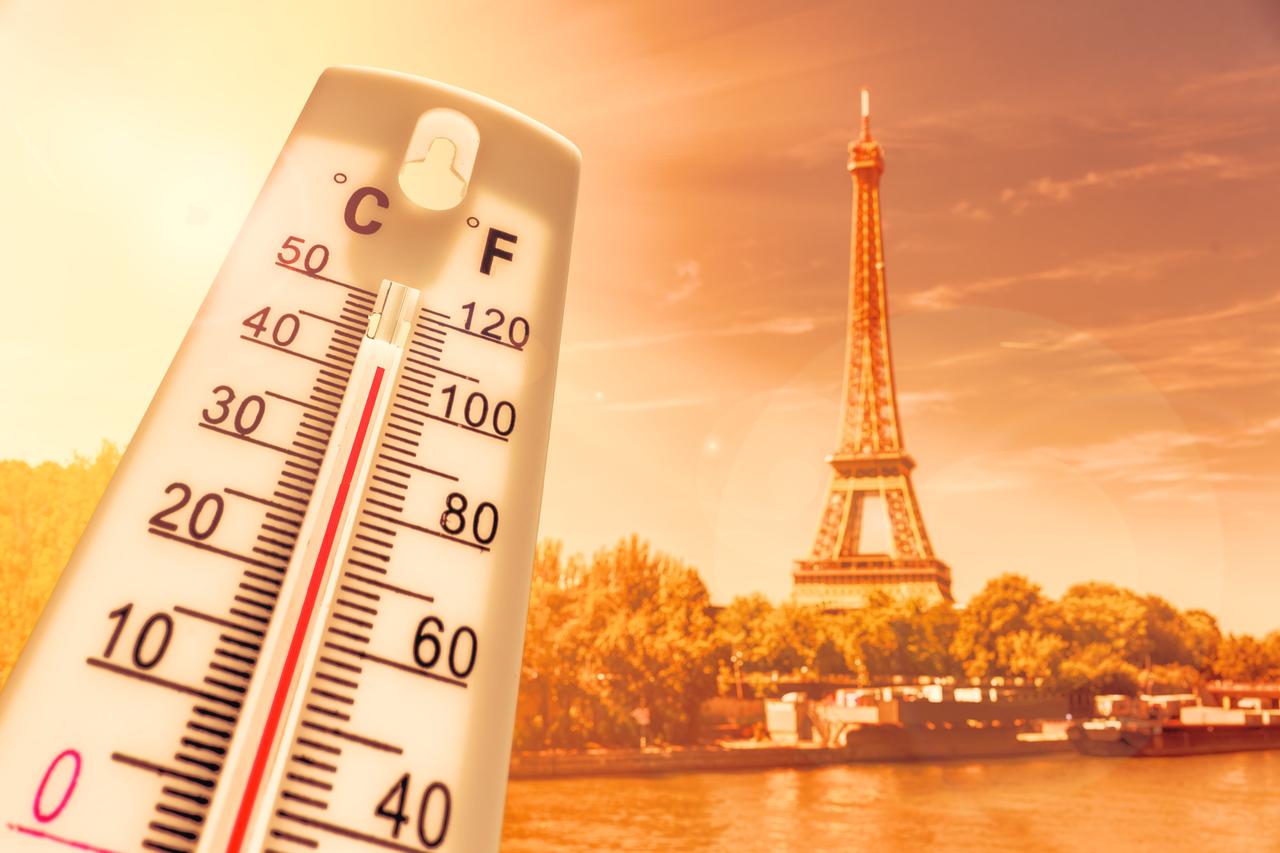
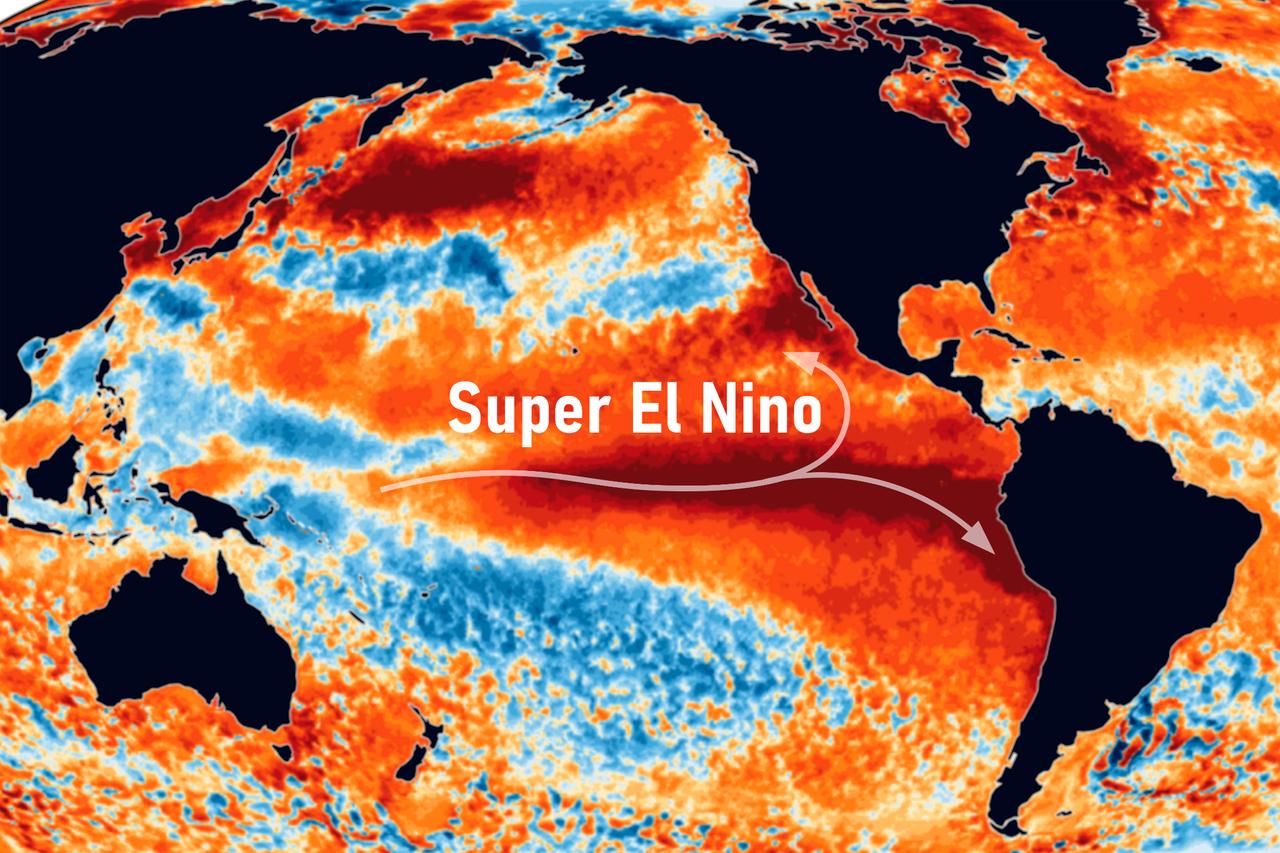
This year’s exceptionally strong El Nino has pushed up temperatures around the world, and global forecasters have warned for months that it could become the strongest ever observed.
It temporarily raises sea temperatures in the tropical Pacific, triggering weather changes that can increase the risk of drought and flooding and exacerbate man-made global warming.
Hong Kong also recorded its highest temperature ever, 36.9°C, in August, when Typhoon Dolphin swept warm air over the city.


 Set as preferred source
 Set as preferred source



 1 min read