

 Newsletters


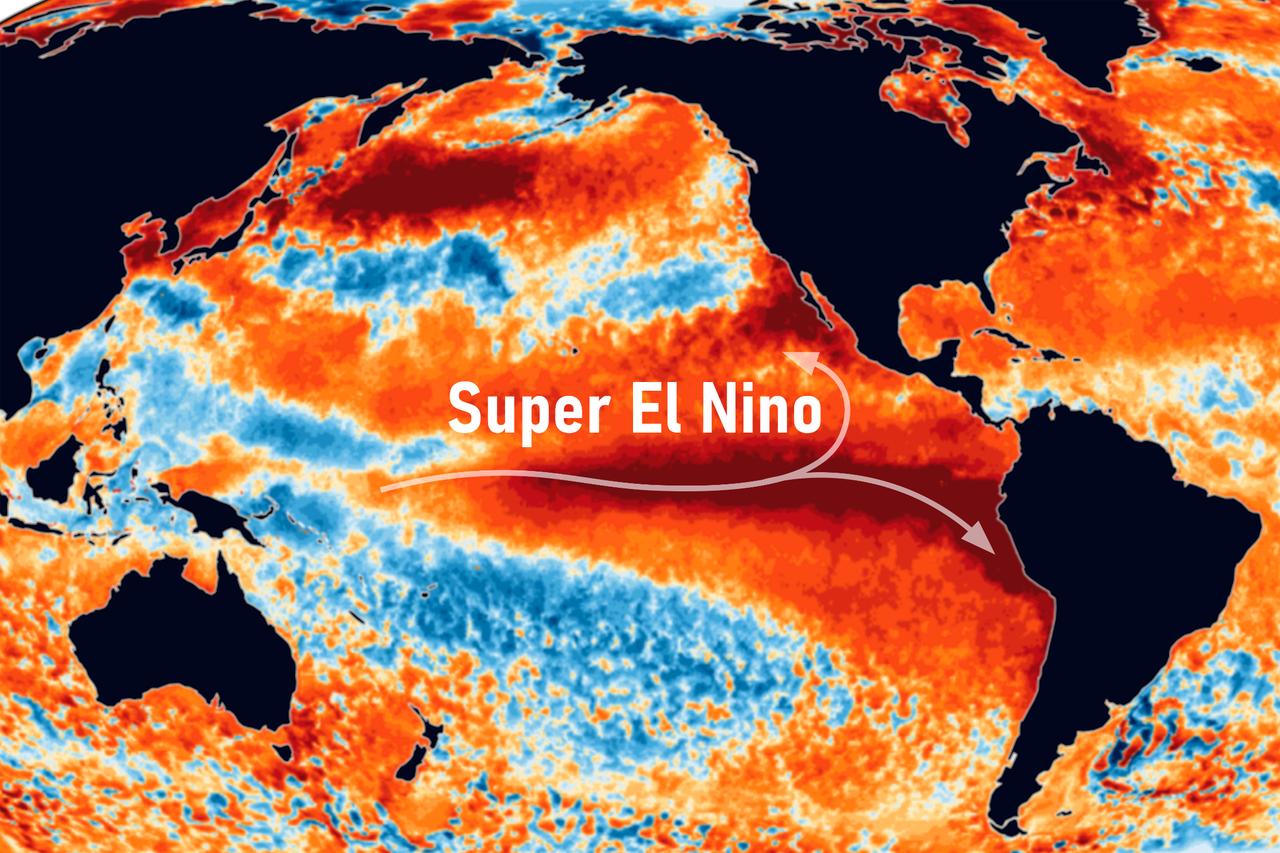


Japan’s weather agency announced Friday that El Nino has reached its strongest intensity on record, with conditions expected to persist through the Northern Hemisphere winter.
The naturally occurring climate pattern raises surface temperatures in the central and eastern equatorial Pacific Ocean, triggering changes in atmospheric circulation that can affect winds, air pressure and rainfall patterns around the world.
The sea temperature in the El Nino monitoring area was 4 degrees Celsius above normal in September, the Japan Meteorological Agency (JMA) said.
"It exceeded the previous record of +3.6°C set in December 1997, the highest since records began in 1949, making it the most intense on record," the JMA said.
"El Nino conditions, which are considered to have persisted in the equatorial Pacific since spring 2026, have reached its strongest intensity on record."
The agency added that the phenomenon "is likely to peak on record during the season," with the strongest El Nino conditions "virtually certain" to continue until winter in the Northern Hemisphere.
El Nino is part of a recurring climate pattern involving fluctuations in ocean temperatures and atmospheric conditions across the tropical Pacific.
Although it develops in this region, its effects can extend thousands of miles away, influencing the likelihood of droughts, floods and other extreme weather events.
The effects vary by region, with some areas experiencing increased rainfall while others face drier conditions. The phenomenon can also affect agricultural production, water supplies and ecosystems, depending on the location and intensity of the event.
El Nino events typically peak around December, although their effects can continue beyond that period. As the unusually warm ocean releases heat into the atmosphere, the phenomenon can also influence global average temperatures.
Previous strong El Nino events have coincided with or preceded several exceptionally hot years. These include 1998, 2010, 2016, 2023 and 2024, highlighting the relationship between Pacific Ocean temperature fluctuations and global temperatures.
The latest measurements indicate that the current event has surpassed the previous record set in 1997, while the JMA expects the unusually strong conditions to persist through the Northern Hemisphere winter.


 Set as preferred source
 Set as preferred source


 1 min read

 1 min read


