Newsletters


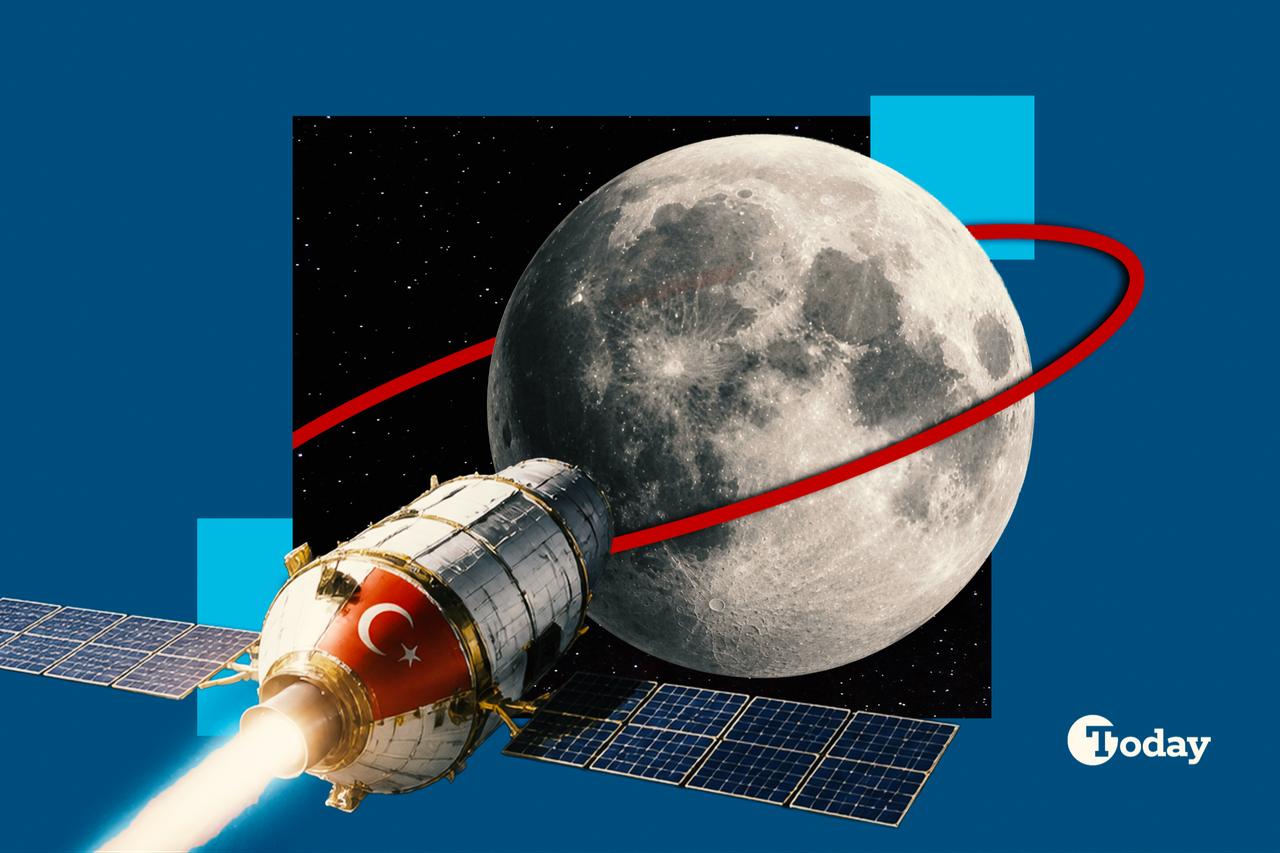


During their historic journey around the Moon in April this year, the Artemis II astronauts traveled farther from Earth than any humans before them. They photographed the lunar surface, collected scientific observations and even found time for a rather unusual long-distance greeting.
“We love you, from the Moon,” astronaut Victor Glover told Mission Control in Houston, sending a message to everyone watching back on Earth.
Perhaps the most expensive long-distance message ever sent.
Six months later, the Moon was back in the headlines, this time from Antalya, where the 77th International Astronautical Congress (IAC) concluded on Oct. 9.
NASA released new findings from Artemis II, Türkiye outlined progress toward its first lunar mission in 2027, and diplomats endorsed a declaration calling for peaceful cooperation in space.
Türkiye had also joined the U.S.-led Artemis Accords just weeks earlier.
Three seemingly separate stories: American astronauts, a Turkish spacecraft and diplomats discussing the future of space.
Look closer, though, and they reveal something much bigger.
Everyone seems interested in returning to the Moon. But what happens when they all get there?

Türkiye's lunar ambitions are moving beyond announcements and into engineering.
Under its Lunar Research Program, known as AYAP, the country is preparing to launch its first domestically developed spacecraft to the Moon in 2027.
Developed under TUBITAK UZAY, the spacecraft has completed manufacturing, assembly and integration. It is undergoing environmental testing to determine whether it can survive the vibrations of launch and the extreme conditions of space.
Industry and Technology Minister Mehmet Fatih Kacir says more than 80% of the spacecraft has been produced domestically.
But what exactly is Türkiye planning to do up there?
AYAP-1 is designed to travel to the Moon, enter a polar orbit approximately 100 kilometers above its surface and gather scientific observations.
The mission's project manager told Turkish state-run Anadolu Agency that the spacecraft is expected to spend about two months traveling before reaching lunar orbit, where it will operate for at least three months.
One of its key technologies is a Turkish-developed hybrid propulsion system, intended to perform important maneuvers during the journey.
Think of it as more than an engine. Once a spacecraft leaves Earth, it needs to make extremely precise adjustments to its route and speed. There is no convenient place to pull over and ask for directions.
AYAP will also test autonomous navigation, helping the spacecraft determine its position and operate with greater independence from ground controllers.
After completing its orbital operations, the spacecraft is expected to make a controlled descent ending in a hard landing. A later mission aims to achieve a soft landing and deploy a rover.
The point is not simply to reach the Moon, but to learn how to operate there.
For a country that has already developed its own communications and observation satellites, this represents a considerable technological step.
The spacecraft will do more than demonstrate Türkiye's engineering capabilities.
Its scientific instruments will investigate the lunar environment, including radiation, surface characteristics and processes that may contribute to water formation.
That last subject is particularly interesting.
Scientists have found evidence of water on the Moon, including ice in permanently shadowed regions. But understanding how water forms, moves and survives in such a harsh environment remains a major research priority.
One possibility involves the solar wind, a stream of charged particles flowing from the Sun. Hydrogen particles can interact with oxygen-containing minerals in lunar soil, contributing to the formation of hydroxyl and potentially water molecules.
Why care about lunar water?
Beyond helping scientists understand the Moon's history, accessible water could eventually support astronauts and future infrastructure, including potentially supplying oxygen and rocket propellant.
Türkiye's scientific contribution will depend on the observations AYAP successfully collects. Its planned measurements could add to a much larger international effort to understand Earth's closest neighbor.
And that brings us to NASA.
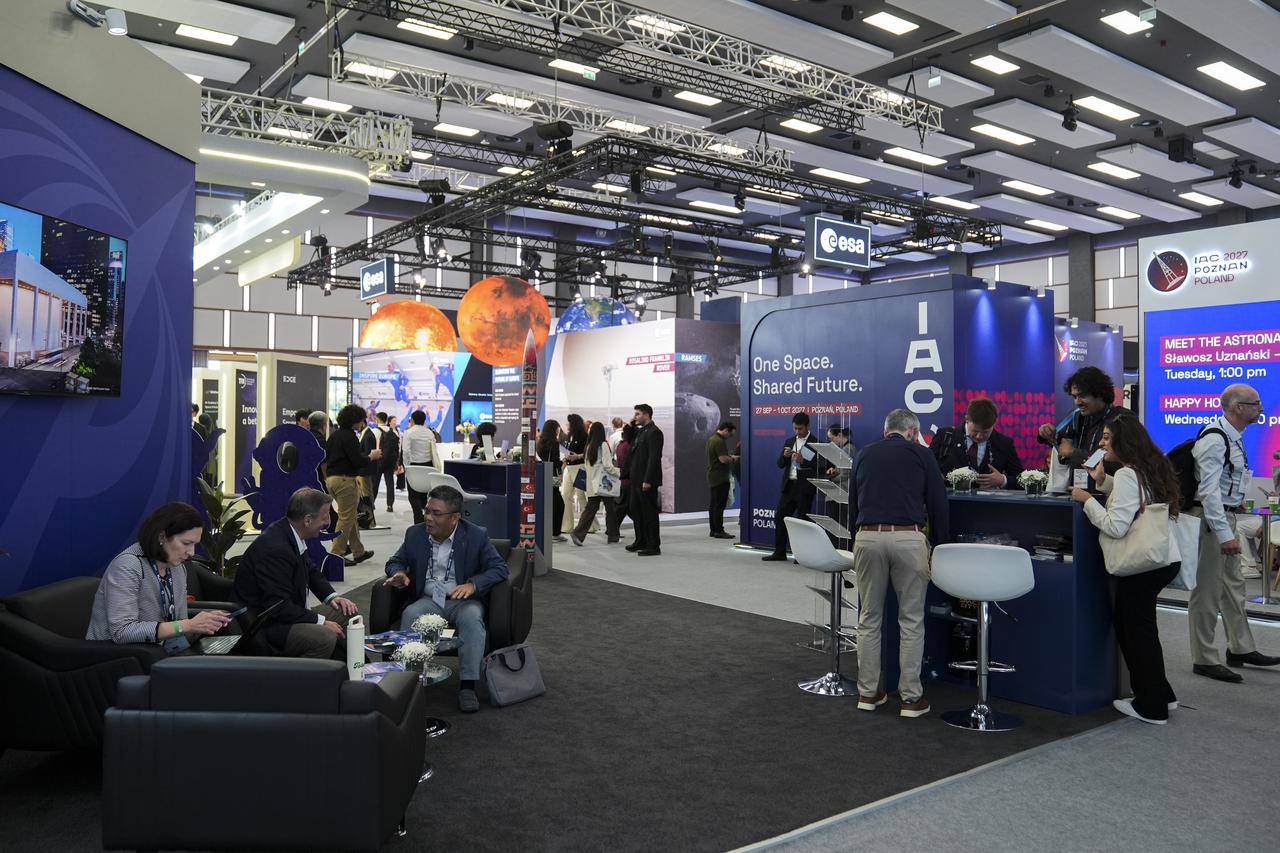
On Oct. 7, during the Antalya congress, NASA released more than 800 gigabytes of scientific data collected during Artemis II's April lunar flyby.
The archive includes over 11,000 images and videos, astronaut observations and approximately 8.5 hours of recorded scientific commentary.
Among the more intriguing findings were five faint flashes of light caused by small rocky objects striking the Moon.
The astronauts also noticed subtle variations in the lunar surface's colors, offering scientists clues about its geological composition.
Beautiful photographs? Absolutely.
But these observations are more than wallpaper material.
Understanding meteoroid impacts helps scientists assess hazards that future equipment and astronauts could face. Geological observations, meanwhile, can help researchers identify differences in surface materials and guide future investigations.
The findings are especially relevant as NASA prepares its next missions.
Artemis III, scheduled for 2027, will test rendezvous and docking operations between the Orion spacecraft and commercial lunar landing systems in Earth orbit. Artemis IV, targeted for 2028, is intended to return astronauts to the lunar surface near the south pole.
There is an interesting connection to Türkiye here.
NASA has made its Artemis II scientific data publicly available through its Planetary Data System.
Researchers anywhere, including Türkiye, can study the observations without having participated in the mission.
This does not mean Artemis II and AYAP are joint projects. But it demonstrates how one country's lunar exploration can generate knowledge available to others.
Getting to the Moon requires a spacecraft. Learning about it does not always require having one.

This is where the story leaves the laboratory and enters the considerably more complicated world of international diplomacy.
On Aug. 31, Türkiye became the 71st country to sign the Artemis Accords, a U.S.-led initiative introduced in 2020 to promote peaceful and responsible civil space exploration.
The accords establish principles covering transparency, scientific data sharing, emergency assistance, preservation of historically significant sites and avoiding harmful interference between missions.
They are not legally binding, and joining does not automatically guarantee participation in NASA's lunar missions.
Nevertheless, they provide a framework for countries preparing to operate in an increasingly crowded space environment.
Then came Antalya.
On Oct. 4, representatives from 21 countries endorsed the Antalya Declaration for Space for Peace, emphasizing peaceful exploration, international cooperation and greater participation by developing countries.
The declaration was supported by 32 ministers, parliamentarians and space agency representatives, marking the first such document endorsed at the congress's ministerial and parliamentary gathering.
The two initiatives are not identical.
The Artemis Accords focus on practical principles for conducting exploration. The Antalya Declaration expresses a broader political commitment to peaceful and inclusive space activities.
But their appearance on Türkiye's diplomatic agenda within weeks of each other is noteworthy.
Ankara is not only developing the technology to explore the Moon. It is also seeking a place in the conversations about how that exploration should be conducted.

The Moon is not territory waiting to be divided among nations.
Under the 1967 Outer Space Treaty, countries cannot claim sovereignty over it.
Yet, as more governments and private companies plan lunar missions, practical questions are becoming harder to ignore.
What happens when two missions want to operate in the same scientifically valuable location? How can one country's activities avoid disrupting another's? And who gets meaningful access to resources that may prove commercially useful?
The renewed lunar race is no longer just about planting flags.
It increasingly involves scientific infrastructure, commercial opportunities, access to strategic locations and the diplomatic influence needed to shape future practices.
For Türkiye, this creates an interesting challenge.
The country has demonstrated domestic satellite manufacturing capabilities, including with TURKSAT 6A. But it has not yet completed a lunar mission or independently placed a satellite into orbit using its own launch vehicle.
AYAP-1 is expected to use a SpaceX rocket for its initial launch before relying on Turkish-developed systems for subsequent operations.
That arrangement captures an important reality of modern space exploration.
Countries pursue technological independence while depending on international partnerships to achieve increasingly ambitious goals.
There is nothing particularly contradictory about that.
Even major space powers work with private companies and foreign partners. The difference lies in how much capability each country can bring to the arrangement.
Signing international agreements cannot replace technological progress.
But building a spacecraft does not automatically give a country influence over the principles that may shape future lunar activities either.
Türkiye is trying to develop both.
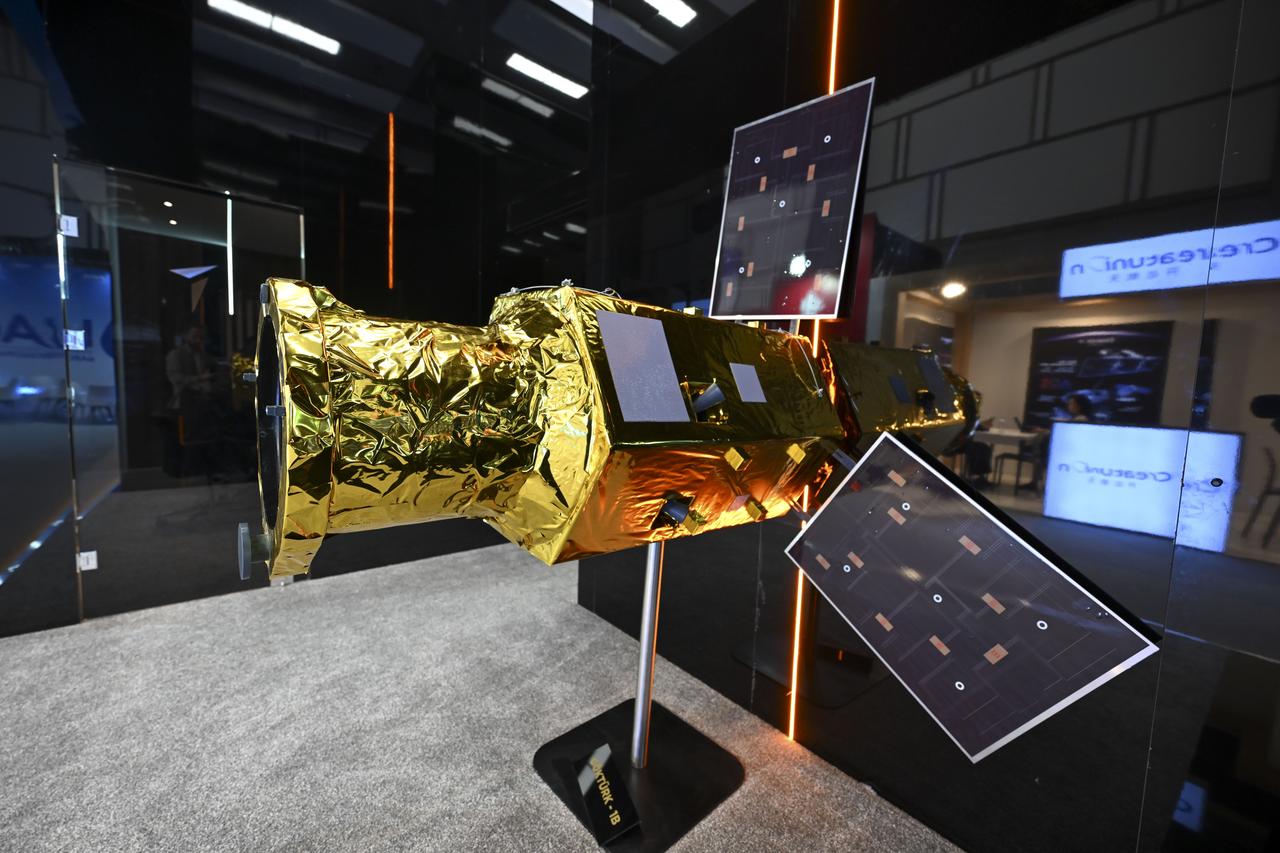
Perhaps the most interesting thing about the new lunar era is that success no longer has a single definition.
NASA is preparing astronauts, testing landing systems and collecting scientific data for a sustained return to the lunar surface.
Türkiye is approaching an earlier but important milestone: demonstrating that it can send its own spacecraft into deep space, operate around the Moon and conduct scientific observations.
For AYAP-1, success would mean gaining technological experience that cannot be acquired through simulations or diplomatic agreements alone.
The congress in Antalya brought these ambitions unusually close together: NASA sharing its latest discoveries, Türkiye preparing its lunar spacecraft and governments discussing principles for peaceful exploration.
Together, they illustrate how much the space race has changed since Apollo.
Back then, the defining question was who would reach the Moon first.
Today, the more interesting question may be who can contribute once humanity gets there.
Türkiye's planned 2027 mission offers an opportunity to enter that conversation with more than diplomatic commitments.
After all, a declaration can express a country's intentions.
A functioning spacecraft can demonstrate what it is capable of doing.
And if everything goes according to plan, Türkiye might soon have a pretty impressive answer to "Where are you?"


 Set as preferred source
 Set as preferred source



 1 min read