

 Newsletters


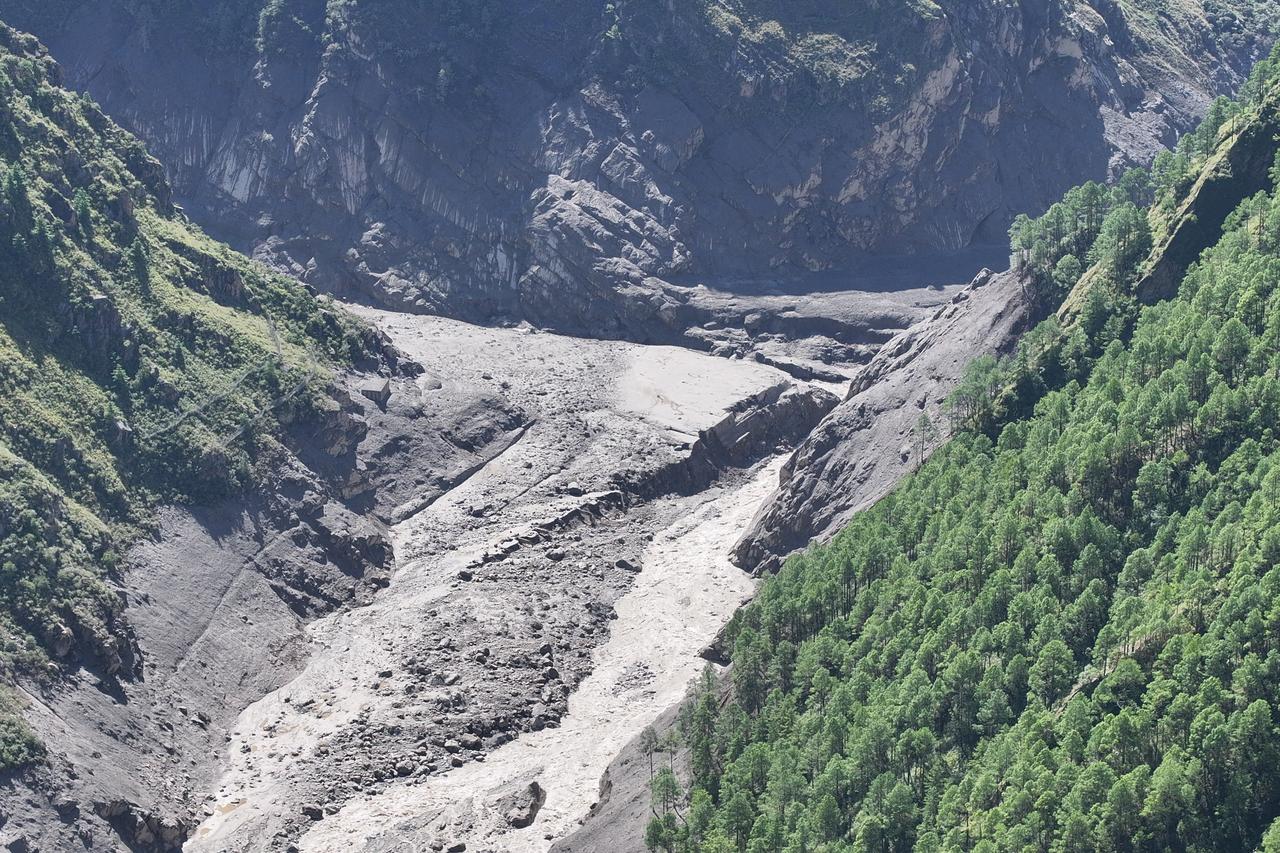


Rather than heavy rainfall, a massive flash flood that struck the Nepal-Tibet border region this week appears to have been set off by an ice-rock avalanche crashing into a river, illustrating how in the high Himalayas one mountain hazard can rapidly trigger another downstream.
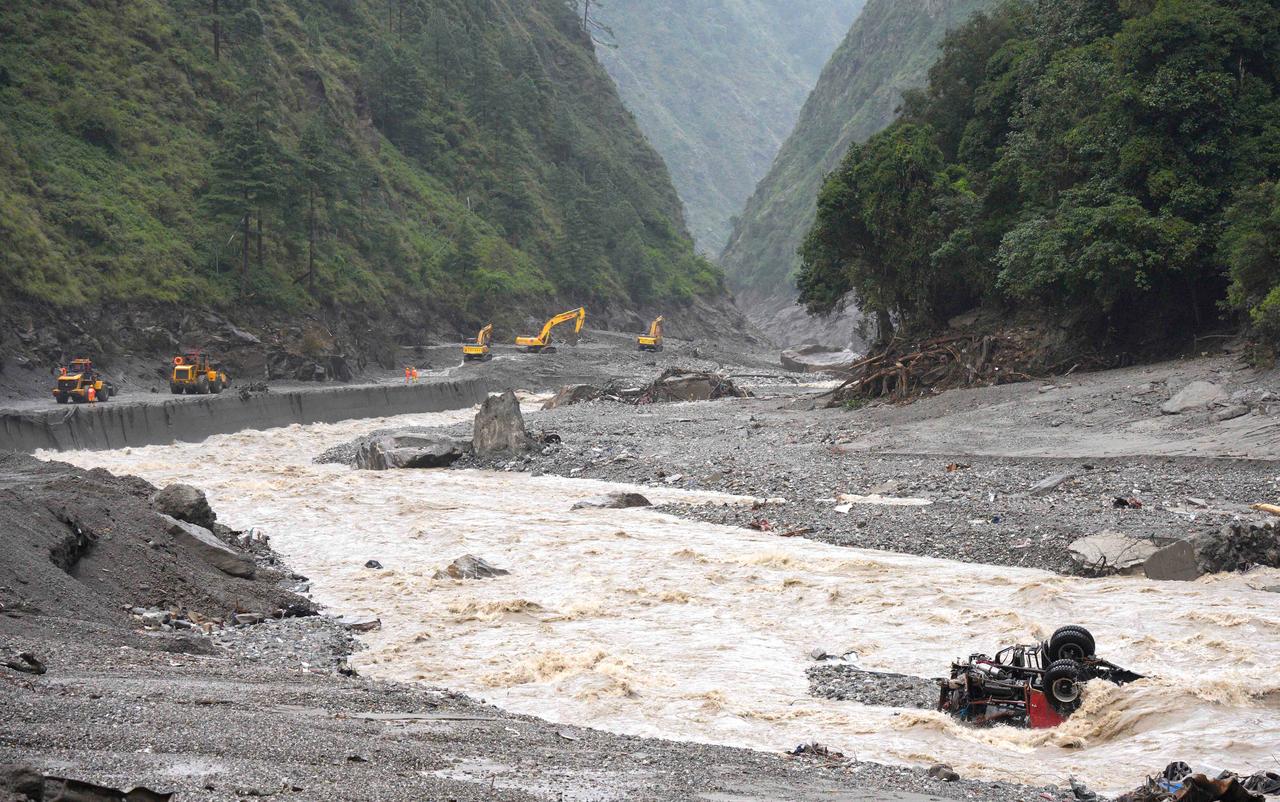
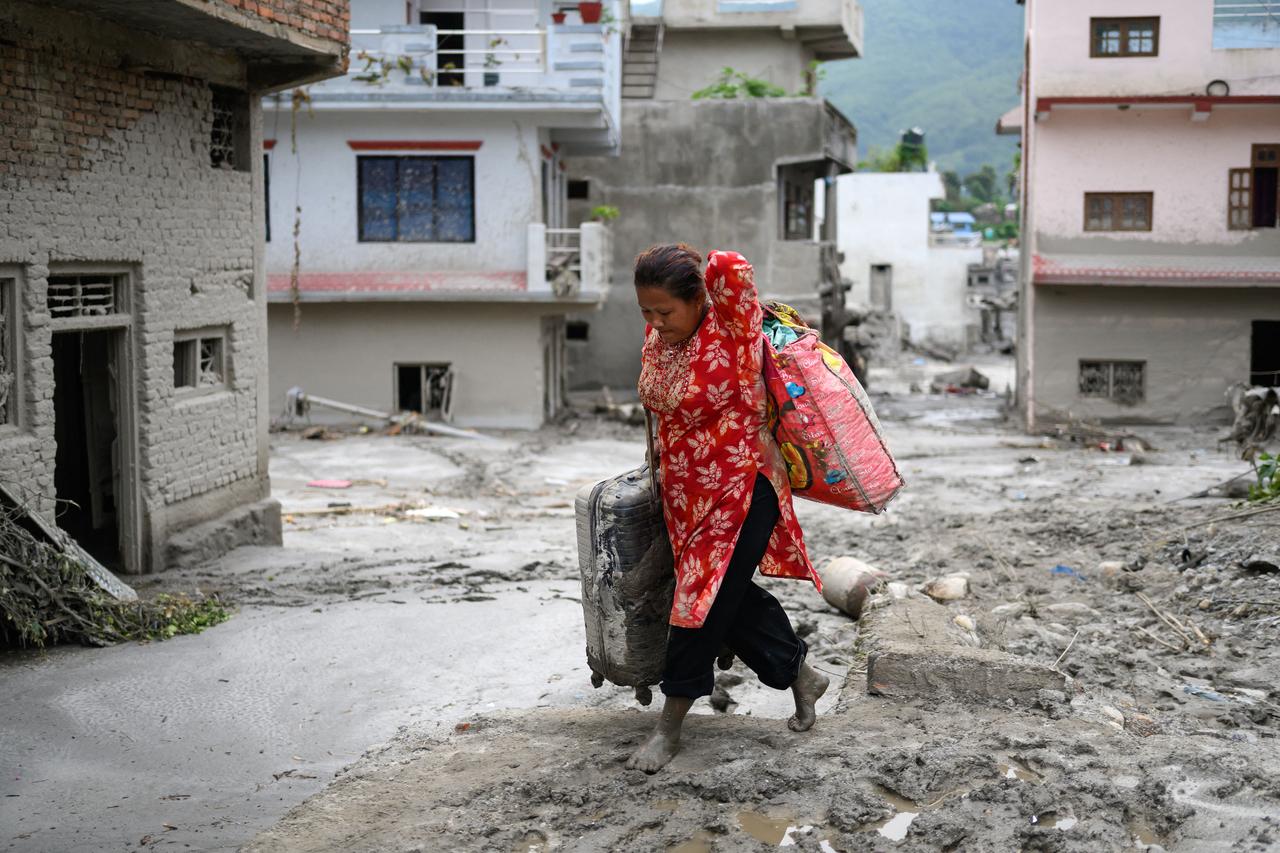
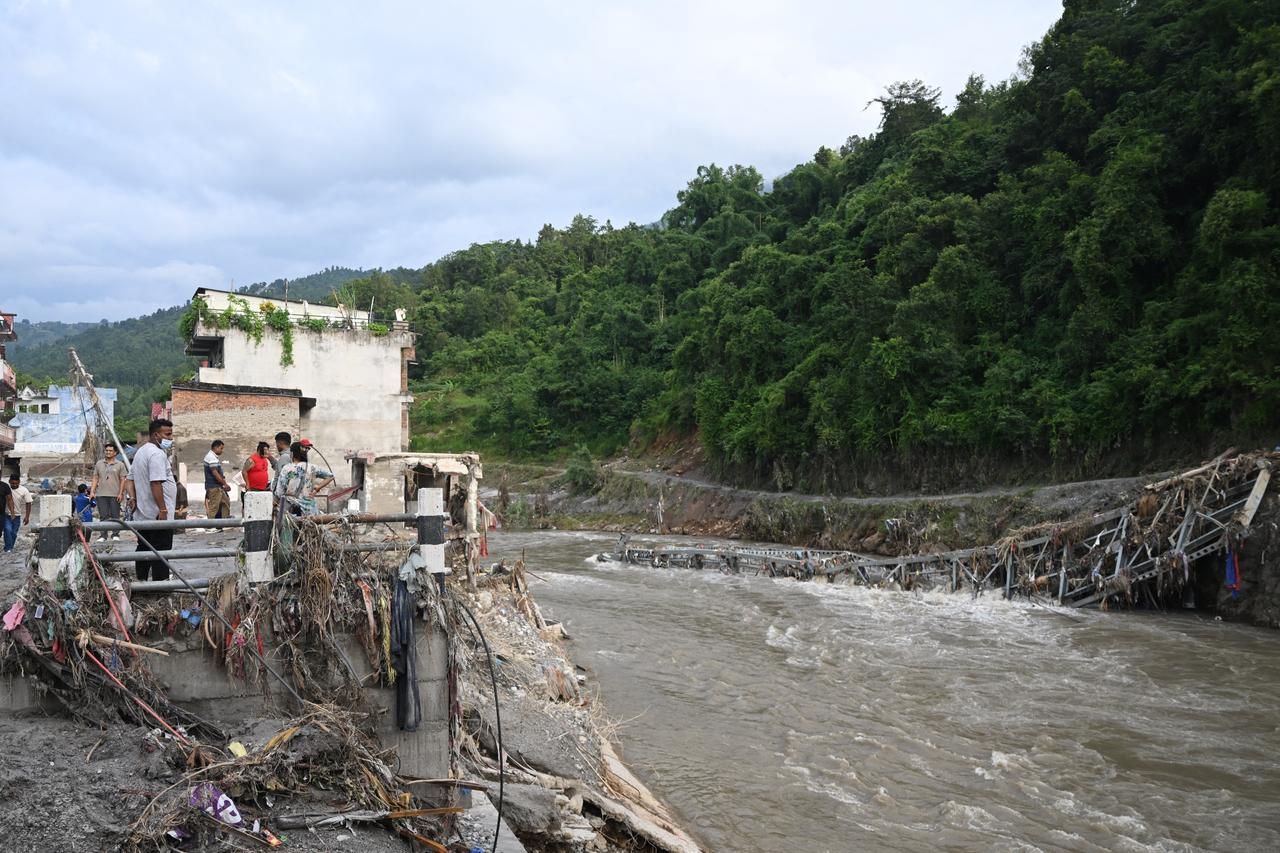
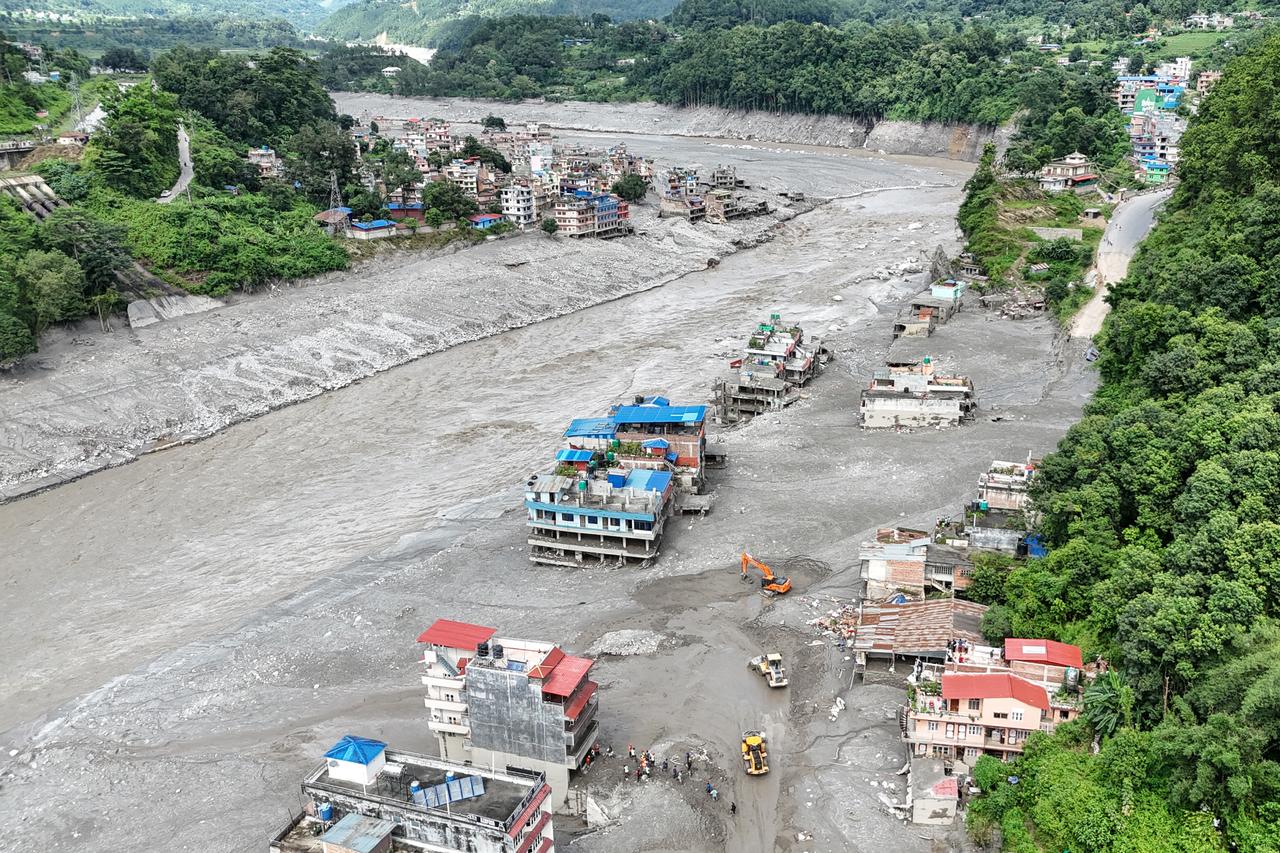
Scientists are investigating what happened Wednesday, when the flood sent water, sediment and boulders through Nepal's Rasuwa district and affected Kyirong in Tibet.
Water levels on the Trishuli River rose by as much as nine meters (30 feet) in just 30 minutes, according to the International Centre for Integrated Mountain Development (ICIMOD).
Preliminary investigations suggest the avalanche came from a glacier on Langtang-Lirung mountain and plunged into the Lhende Khola river near the Nepal-China border.
The collapse triggered a seismic signal first reported as a magnitude 4.4 earthquake but later reclassified by the U.S. Geological Survey as a magnitude 5.2 landslide.
Mohan Bahadur Chand, a Himalayan glaciologist at Kathmandu University who helped identify the suspected trigger, said the disaster shows floods that look similar downstream can begin in very different ways in the mountains.

This is the second major flood to strike the region in just over a year, though scientists believe the two had different origins.
A July 2025 flood on the Lhende River killed at least 11 people and was caused by the rapid drainage of a supraglacial lake, a body of water that forms on top of a glacier, in China. Nepal alone has more than 2,000 glacial lakes, including 21 rated high-risk.
Wednesday's flood appears to have a different source: an ice-rock avalanche that gathered debris on its way downhill, possibly blocking the river before the barrier breached.
That distinction matters for disaster preparedness, since rainfall-monitoring systems may give little warning if a flood instead begins with a collapse of ice and rock high above a river.
One hazard can also rapidly become another. In the 2021 Chamoli disaster in India, a mass of rock and ice turned into a debris flow that killed more than 200 people; warning signs had gone undetected beforehand.
A study published this year found that glacial lake floods, landslides and avalanches are often assessed separately even though one can transform into another within minutes.
Monitoring can still save lives. In Switzerland's Blatten village last year, authorities evacuated residents after detecting mountainside movement, days before an avalanche buried most of the village. Replicating that across the vast, rugged Himalayas would be far harder, said ICIMOD's Neera Shrestha Pradhan, who called for cross-border early warning systems.
Warming is accelerating glacier melt and the growth of glacial lakes, though Chand cautioned against directly linking climate change to Wednesday's flood before its cause is confirmed.
A study he co-authored, published in July 2026, found rapid glacial lake growth in the Koshi basin, shared by Nepal and China. But the Himalayas are also geologically young and tectonically active, with unstable slopes that can interact with melting ice to create cascading hazards.
The danger in Rasuwa is not over. Debris from Wednesday's disaster formed a barrier lake that held more than 2.5 million cubic meters of water by Friday, up from 1.5-2 million cubic meters a day earlier.
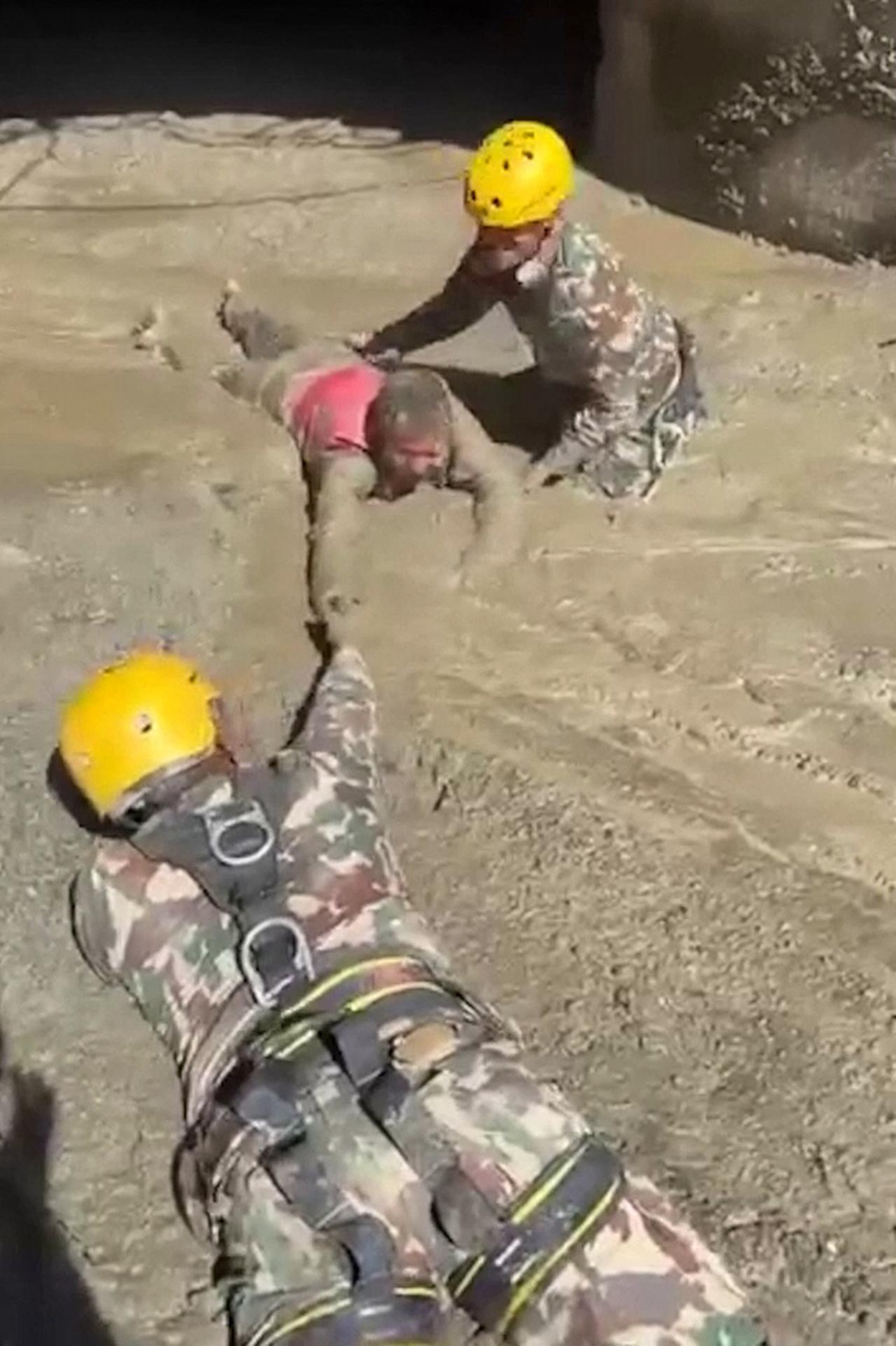
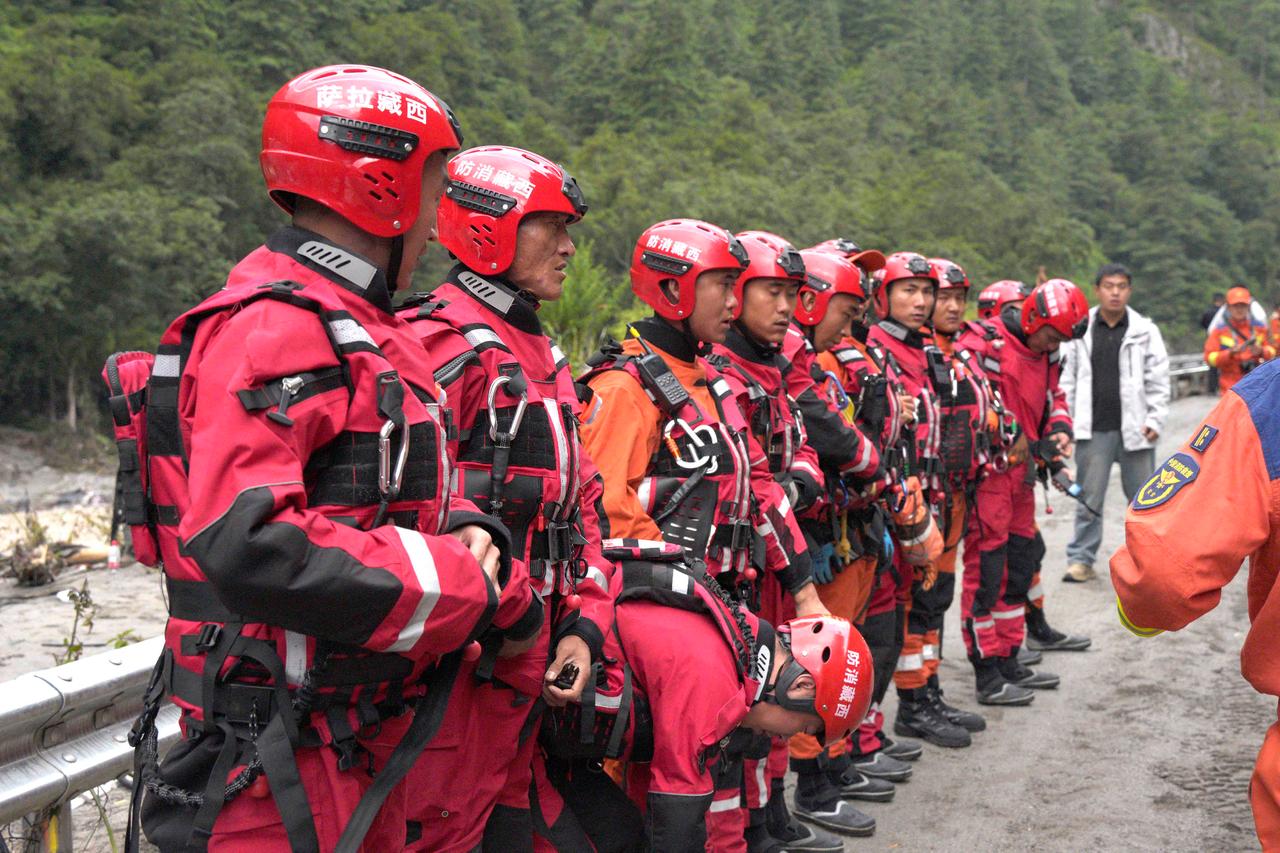
Chinese authorities deployed a team to survey the lake, while rescue teams in Nepal temporarily withdrew as the Trishuli River began rising again and residents were urged to higher ground.
Chand said continued water buildup could cause another breach, though not necessarily one matching Wednesday's scale. He said the larger challenge remains understanding the mountains well enough to catch such dangers before they strike.


 Set as preferred source
 Set as preferred source


 1 min read
 1 min read


