Newsletters


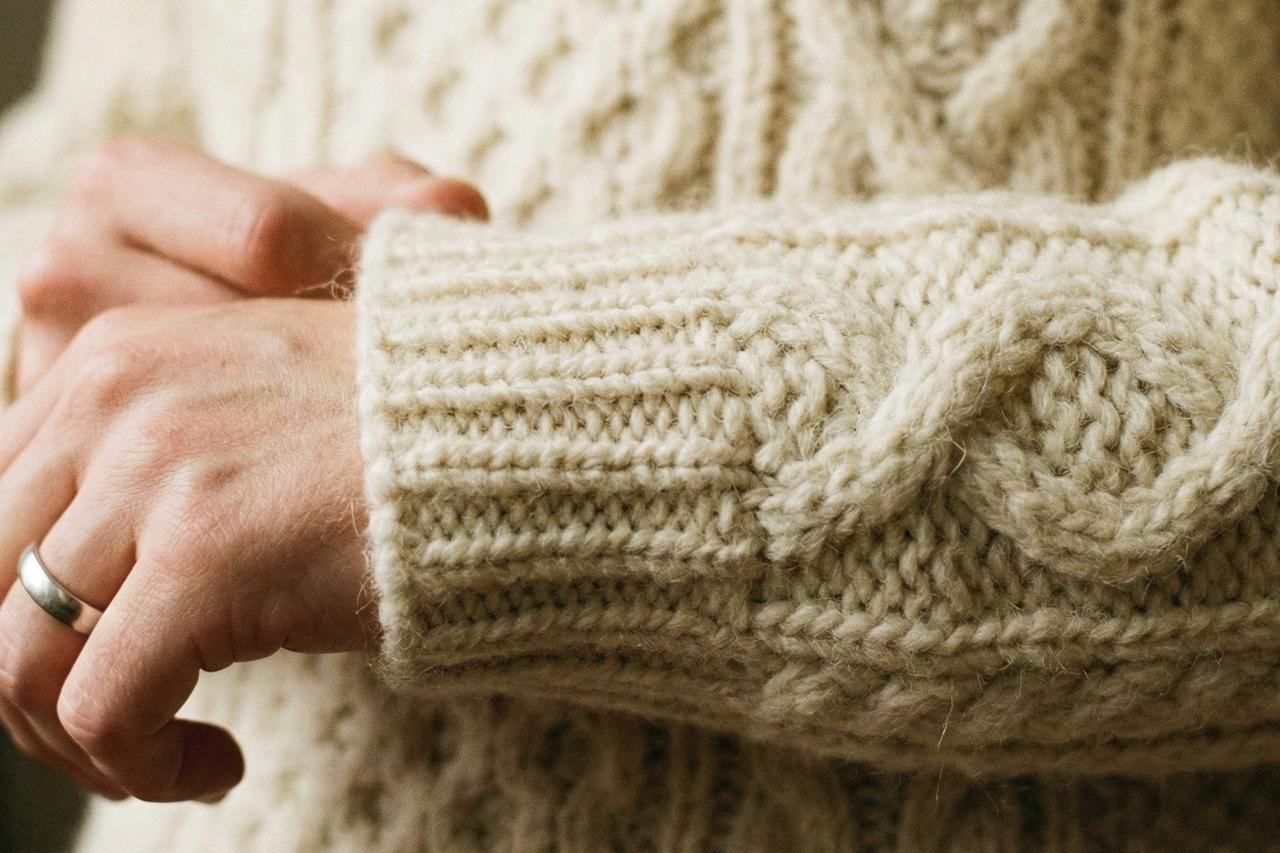


Not all clothes are made to last, and price alone is not a reliable indicator of quality. Experts believe that quality has far more to do with how a garment is constructed, what material it is made from, and how well it holds up over time than the number on the price tag.
The composition label, typically found on an interior seam, is the first place to look. Natural fibers such as wool, cotton, linen, and silk are generally more durable and breathable than synthetic ones like polyester and acrylic, which tend to pill faster, trap odors, and age less gracefully.
Synthetics do serve specific purposes. Technical fabrics remain appropriate for sportswear and rainwear, where performance properties matter more than longevity of appearance. However, a premium-priced garment made largely from petroleum-based fibers warrants closer scrutiny.
A wool-blend jumper containing only a small percentage of actual wool, for instance, is unlikely to perform as well as one made predominantly of natural fiber.
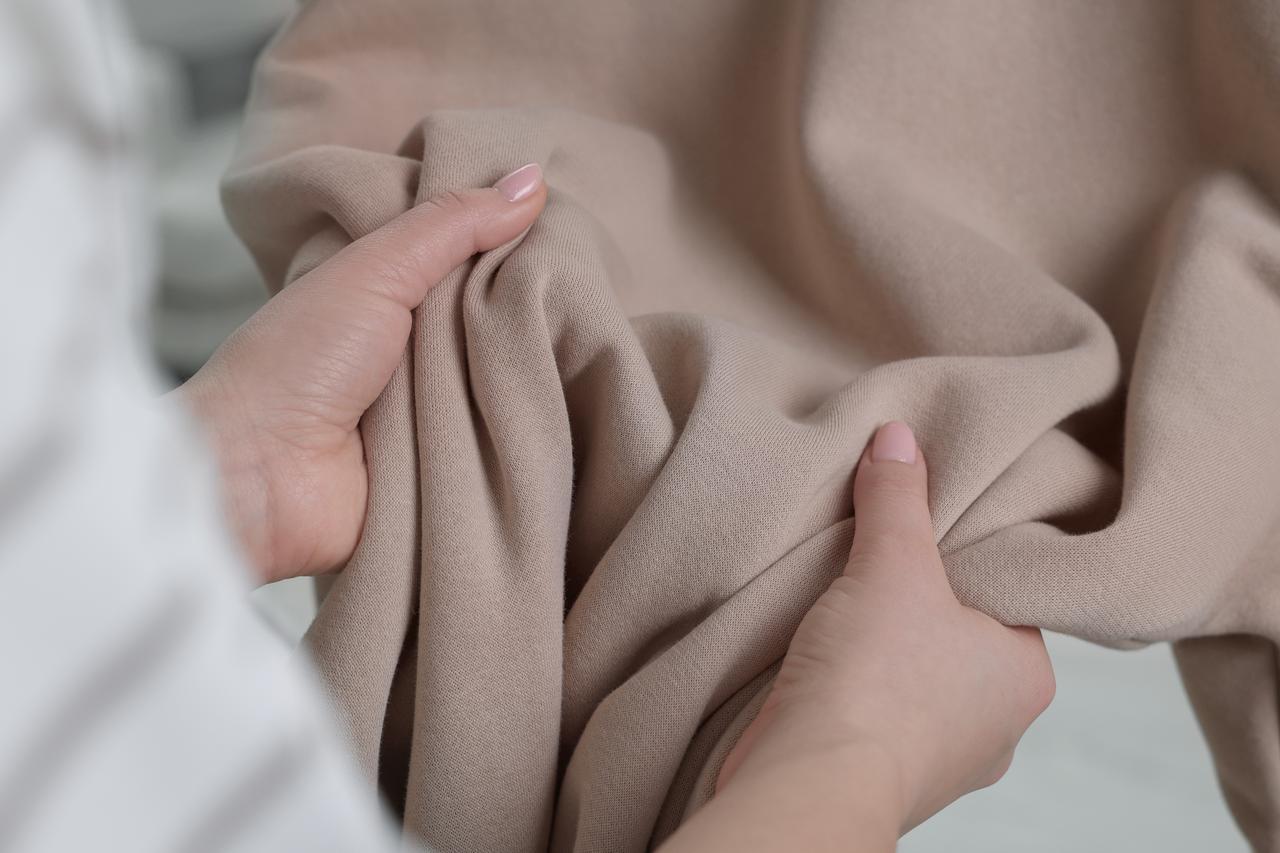
Beyond the label, the physical feel of a fabric offers clear signals. Running a hand over a garment reveals whether it feels dense and smooth or loose and fragile.
Holding the item up to light reveals whether a supposedly substantial fabric is unexpectedly sheer, which is a common shortcut in lower-quality production.
Bobbling or visible snags on a garment that is still on the shop floor are a red flag. They indicate that the fabric will deteriorate quickly once it enters regular use. Higher-quality fabrics tend to be softer, more breathable, and carry enough weight to drape properly rather than cling or collapse.
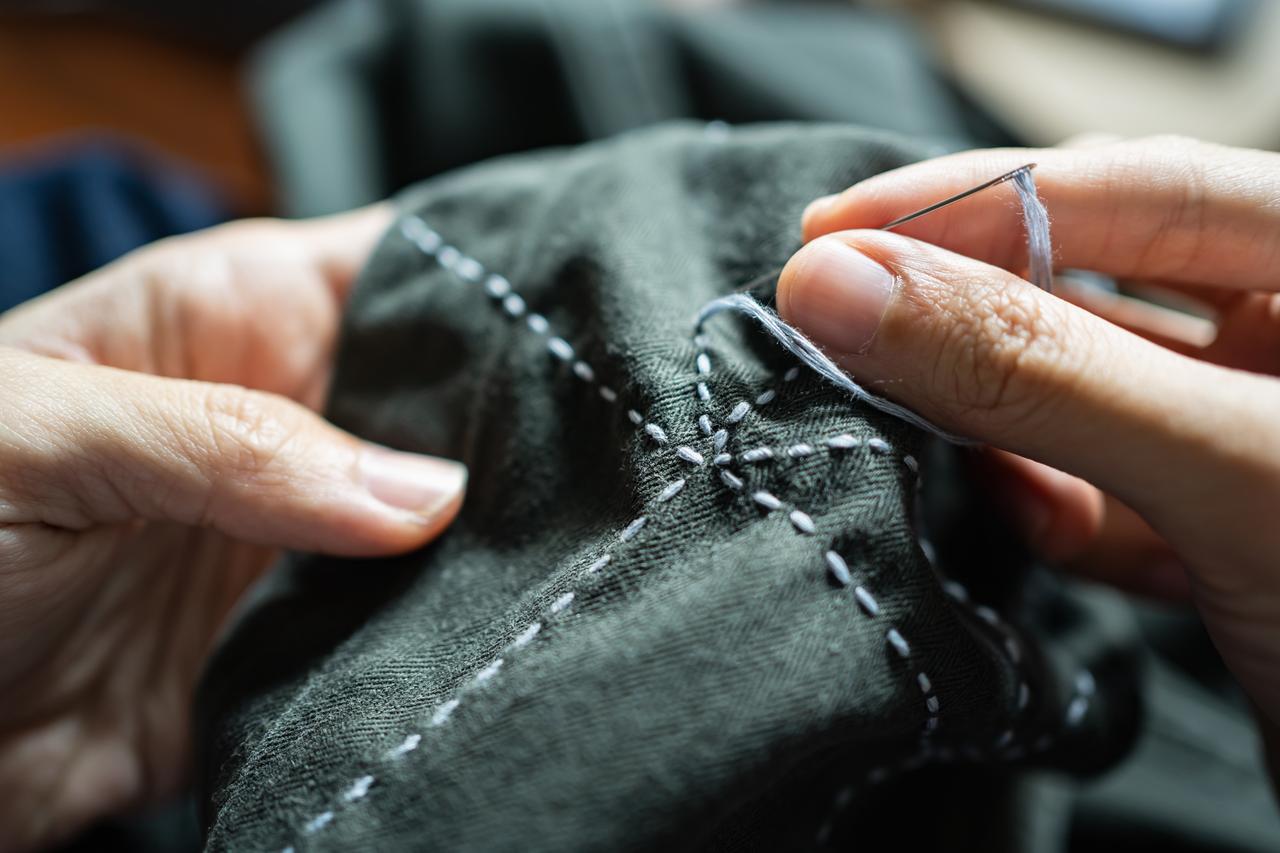

Cheong advises turning the garment inside out. The interior finish should be nearly as neat as the exterior—a strong indicator of overall stitching quality.
Stitching should be straight, even, and tidy on both sides, and seams should not show gaps or looseness when the panels are lightly pulled.
More refined stitching types—such as French seams, flat-felled seams or bound edges—are associated with higher-quality manufacturing and better long-term durability.
Some higher-end garments also include generous seam allowances, which allow for later alterations and reflect more considered design.
Hems and linings deserve equal attention. A neatly finished hem, particularly one that is blind-stitched, often signals more care than a basic visible machine stitch.
In structured pieces such as blazers and coats, a lining adds shape and longevity. Linings in natural fibers like cotton or viscose are generally more breathable and comfortable than polyester, which can feel stiff and cheap against the skin.
In patterned garments, aligned stripes or checks at the seams indicate that extra fabric and time were used during production—a detail that cheaper manufacturing typically skips.
Smaller details are often the most revealing. Buttons should be securely attached, ideally with a spare included; those made from natural materials such as mother-of-pearl or horn tend to be more durable than their plastic alternatives.
Metal zips generally outlast plastic ones and glide more smoothly. Loose threads already visible on the shop floor suggest quality control was not a priority during production.
Reinforced pockets, hand-stitched hems and hidden fastenings are among the features that point to greater attention to detail in stitching.
Care labels indicating special washing instructions are worth reading before purchase. A garment requiring hand-washing—such as silk or a piece with beading and embroidery—is not necessarily low quality.
Delicate stitching, Cheong notes, can reflect craftsmanship rather than poor manufacturing. Durability and quality, she adds, are not interchangeable concepts.
A well-made garment that requires careful handling will often outlast a machine-washable piece that was produced quickly and cheaply, provided it receives appropriate care.
Ultimately, identifying quality in clothing is a skill that develops with practice. Learning to read fabric composition, assess stitching quality, and notice finishing details allows consumers to make more informed decisions, regardless of brand name or price point.


 Set as preferred source
 Set as preferred source




 6 min read