Newsletters


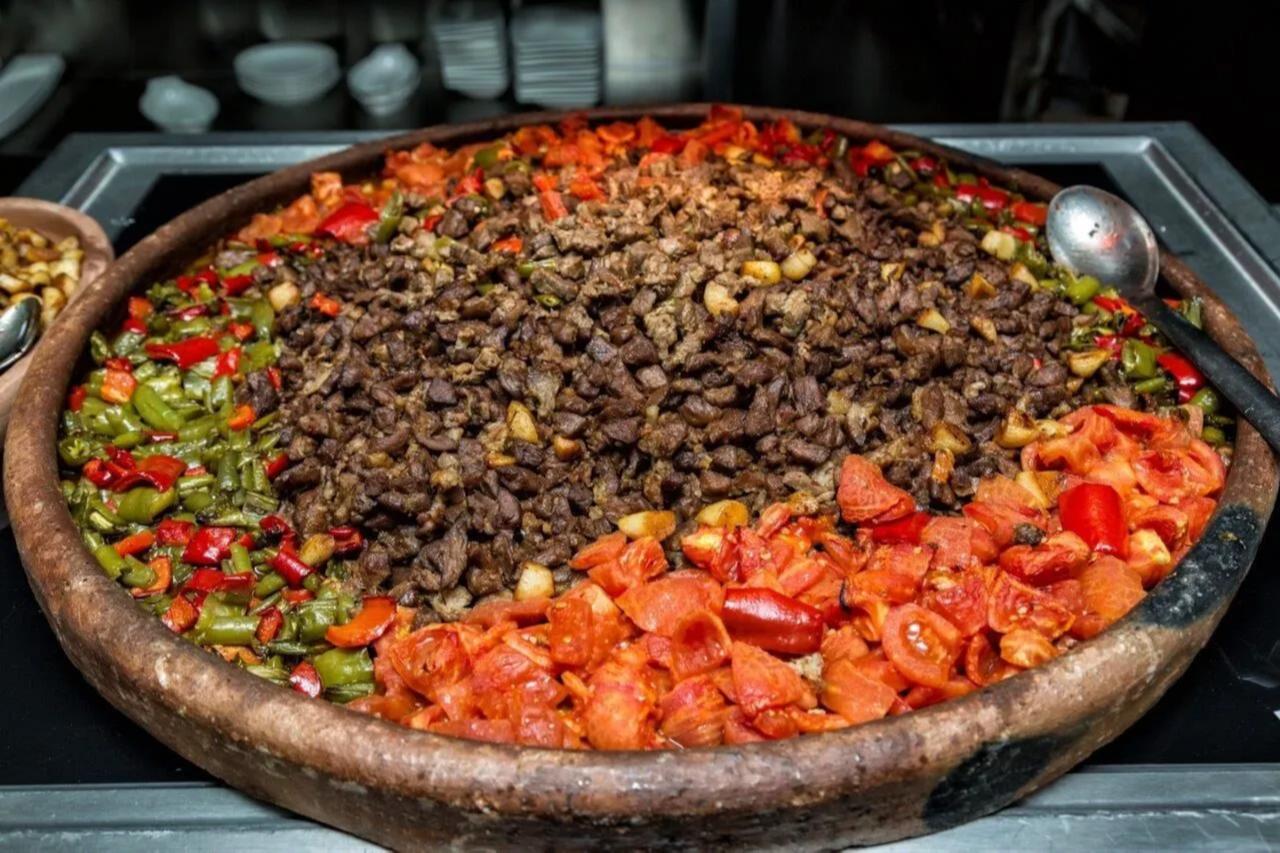


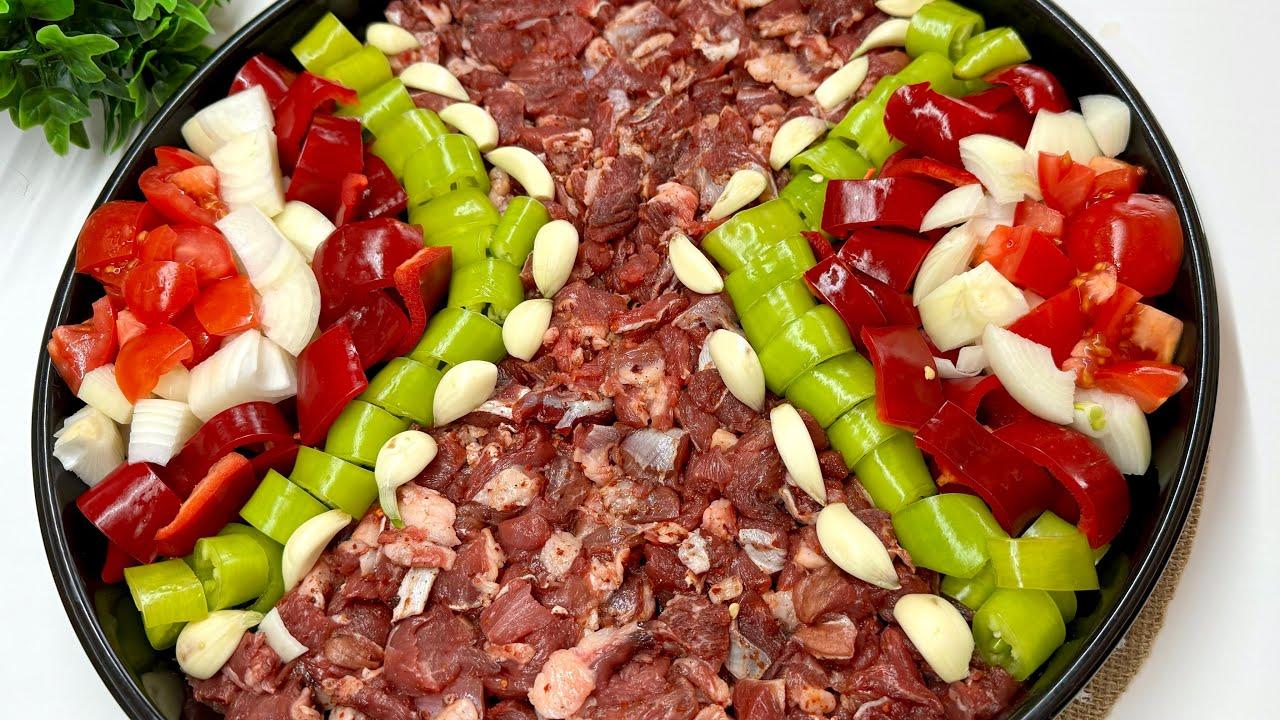
Eli Bogrunde, also known locally as “Yanyana,” (side by side) stands out as one of the most visually striking and flavorful red meat dishes from Kahramanmaras in southern Türkiye. Named after the way its ingredients are laid out side by side rather than mixed together, this traditional tray kebab brings the atmosphere of a stone oven into a home kitchen while relying on careful steaming and roasting rather than heavy sauces.
At its core, the dish features lamb cooked until tender alongside tomatoes, peppers and plenty of garlic, all arranged neatly in a single baking tray. The technique allows each ingredient to hold its shape and flavor while still coming together through shared heat and steam.
Eli Bogrunde is not a stew but a baked kebab, which means liquid is kept to a minimum. The tomatoes release their own juice, while the meat cooks mostly in its own fat. For international readers, a “tray kebab” refers to dishes prepared raw, arranged in a baking tray and cooked entirely in the oven, a common method in southern Anatolia.
The name is often explained as coming from the ingredients standing “side by side,” though another popular saying links it to diners being so satisfied that they sit back with “hands on hips” after the meal.

Main components:
Vegetables for the tray:
Seasoning and light sauce
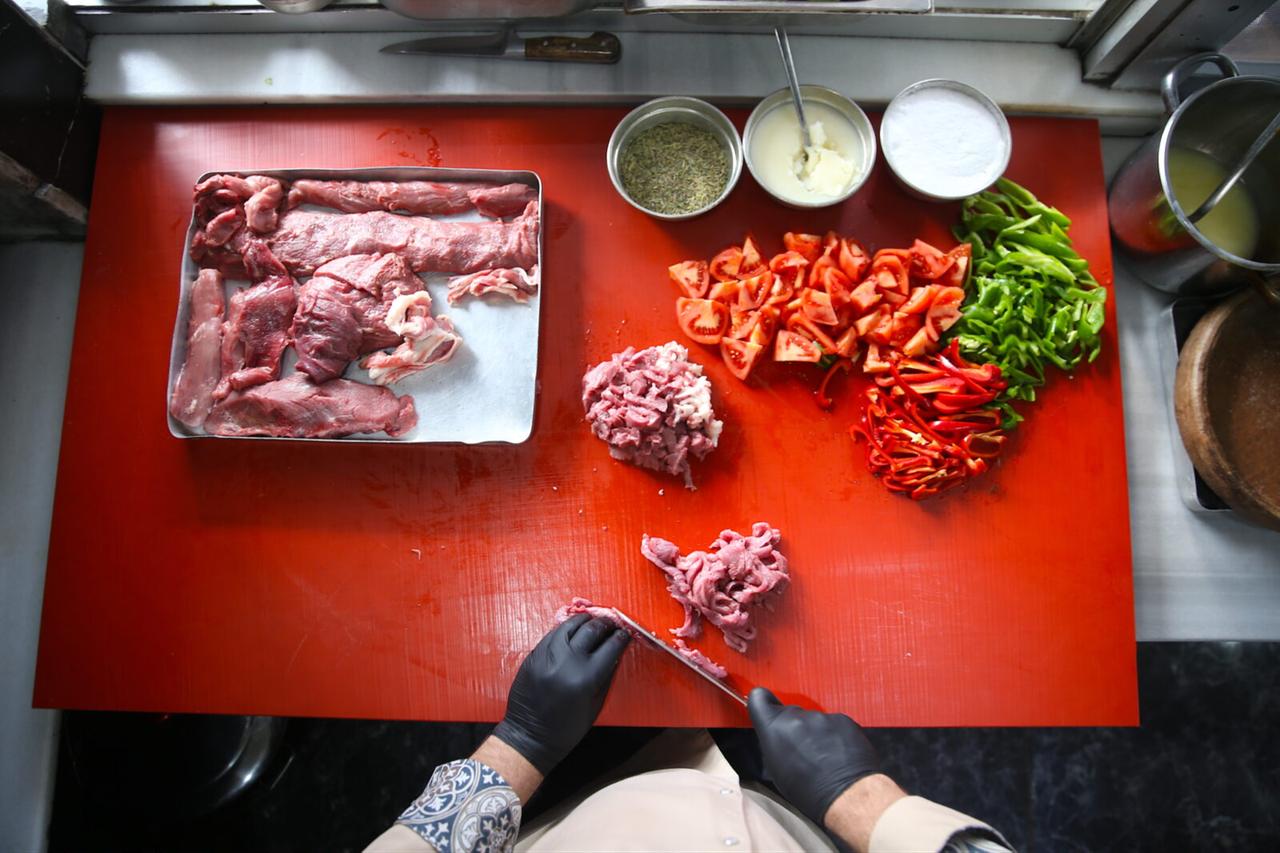
The lamb is first mixed with olive oil, crushed garlic and spices, excluding salt, and left to rest if time allows. This marination helps the meat soften without losing moisture.
Vegetables are cut into large pieces to prevent them from breaking down during baking. The key step is arranging everything in the tray without mixing, placing the meat on one side and lining the vegetables next to it in clear sections. Whole garlic cloves and onions are tucked into the gaps.
Small pieces of butter or tail fat are placed over the meat, while the light pepper paste sauce is poured only over the vegetables. The tray is then tightly covered with damp baking paper to trap steam.
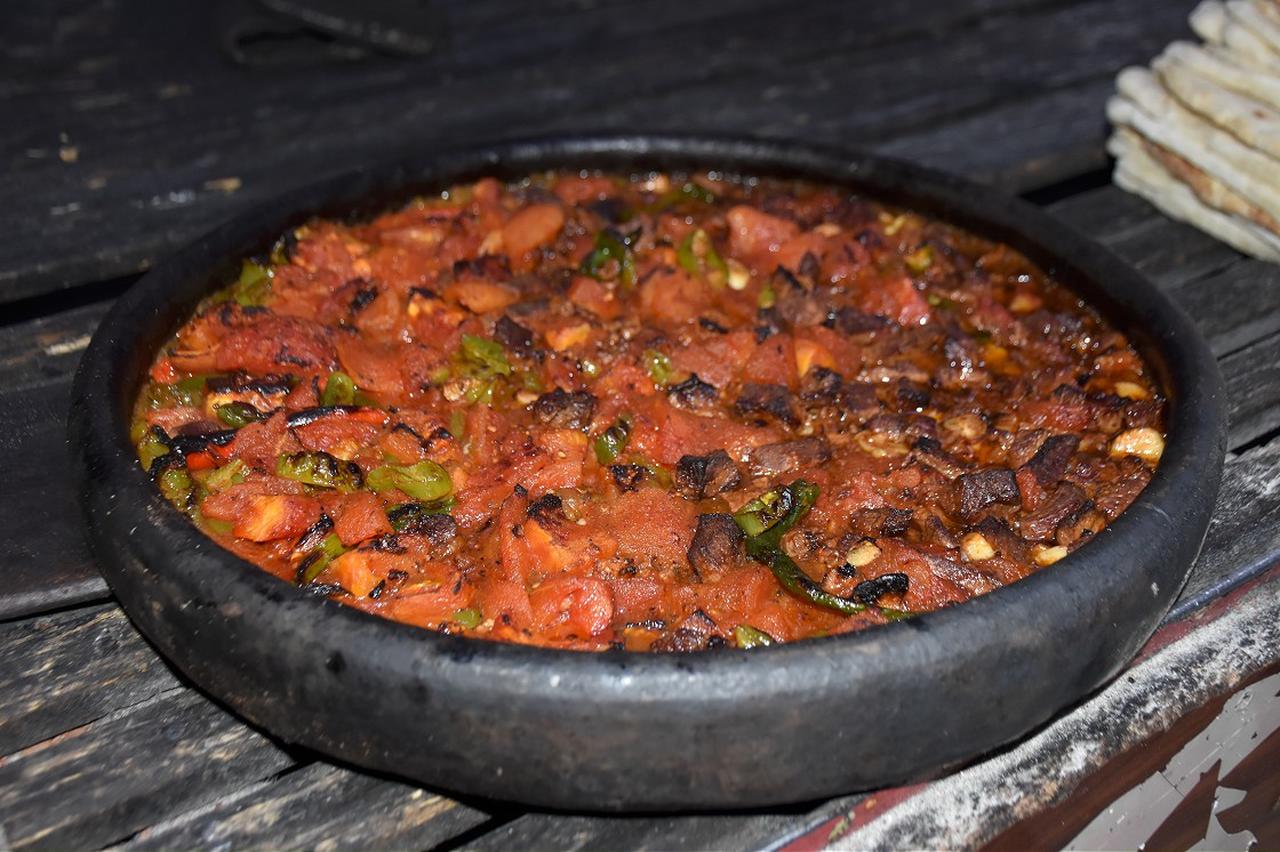
The dish is baked in a hot oven until the meat becomes tender, after which the cover is removed so the surface can brown slightly. It is served immediately, traditionally with flatbread.
The dish is traditionally made with lamb because it cooks at the same pace as the vegetables. Beef can be used, but it requires either partial pre-cooking or a longer, gentler bake to avoid toughness.
Covering the tray during the first stage is essential, as it keeps both meat and vegetables from drying out and allows them to cook through steam before roasting.
In traditional Kahramanmaras kitchens, Eli Bogrunde usually contains only meat, tomatoes, peppers and garlic. Potatoes are a later home-style addition, often included to make the meal more filling.
Regardless of additions, the defining rule remains the same: the dish should finish with very little liquid, leaving only the natural juices and fat at the bottom of the tray, ideal for dipping bread.


 Set as preferred source
 Set as preferred source



 2 min read