Newsletters


Igdir is a city on Türkiye's eastern border with Armenia, Nakhchivan, and Iran. For a long time, it has been a crossroads of different cultures, which shows up not just in its history but also in its food.
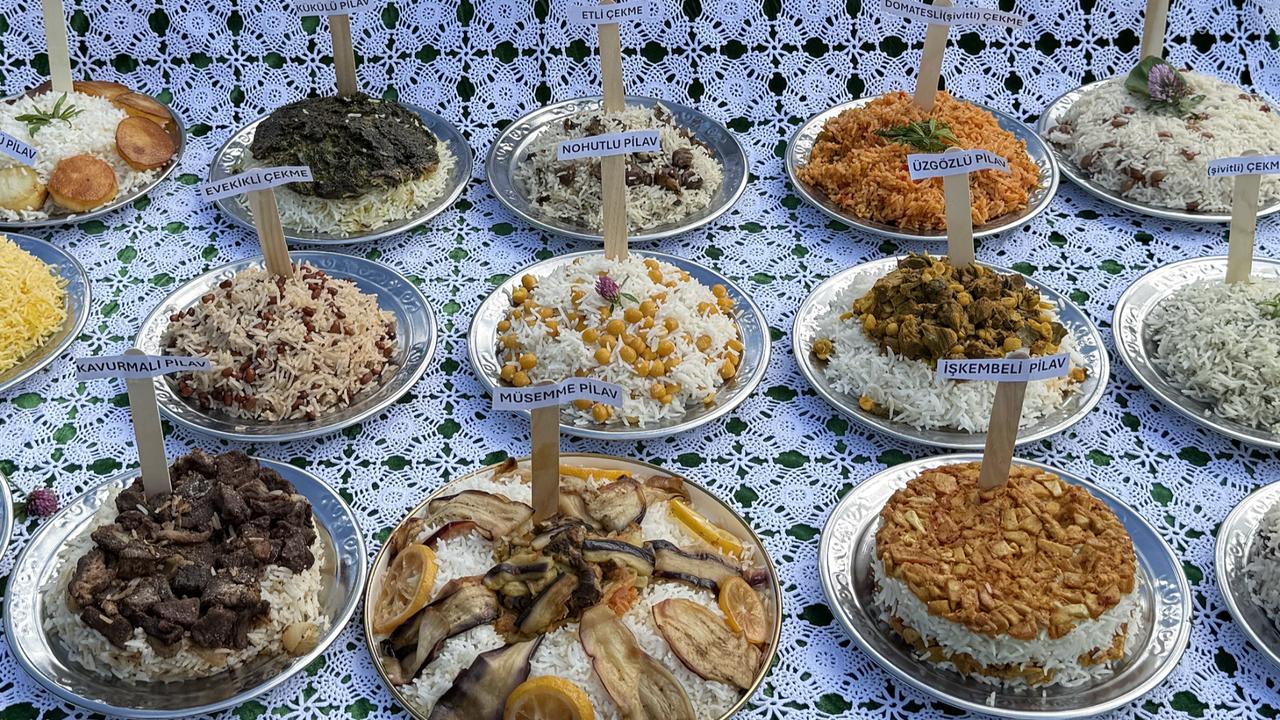
Recently, volunteers documented 23 varieties of rice pilaf from the region. Many of these dishes had not been cooked in local kitchens for generations.
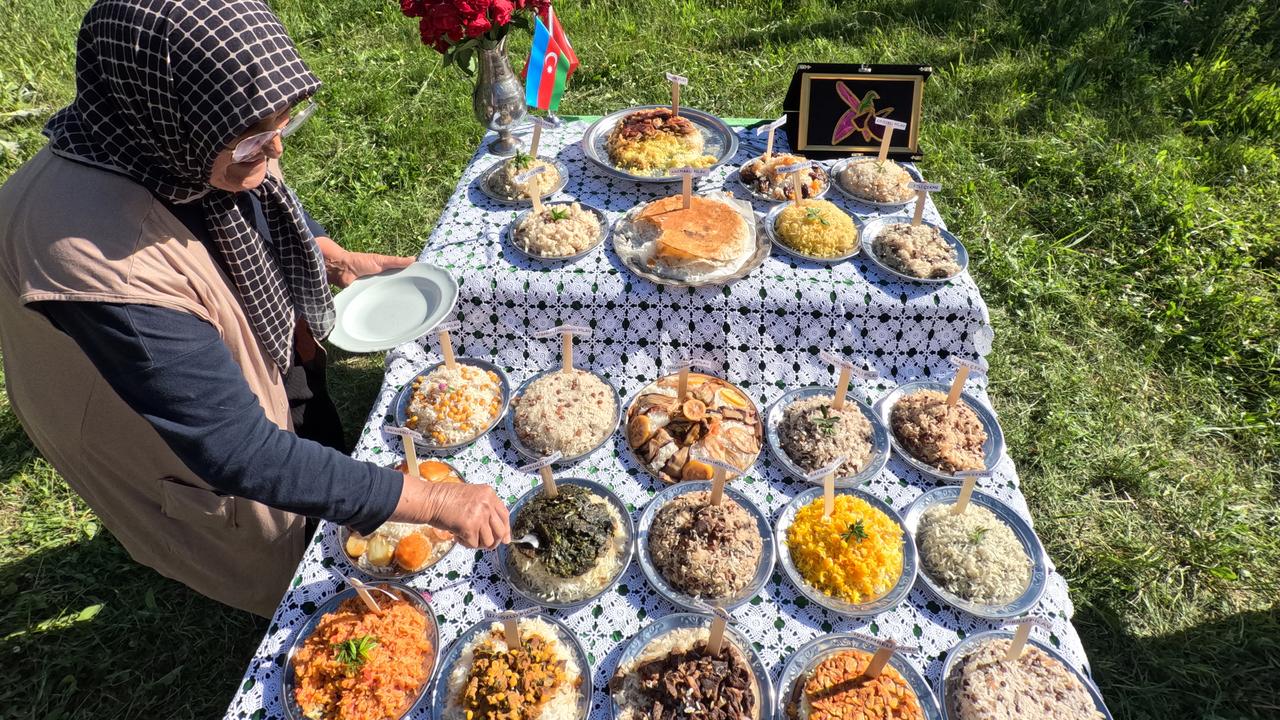
The research started with a simple idea. Recipes that were never written down were disappearing as the people who remembered them got older.
Eight volunteers visited Igdir's city center and nearby villages. They sat with elderly residents and wrote down the recipes people still remembered.
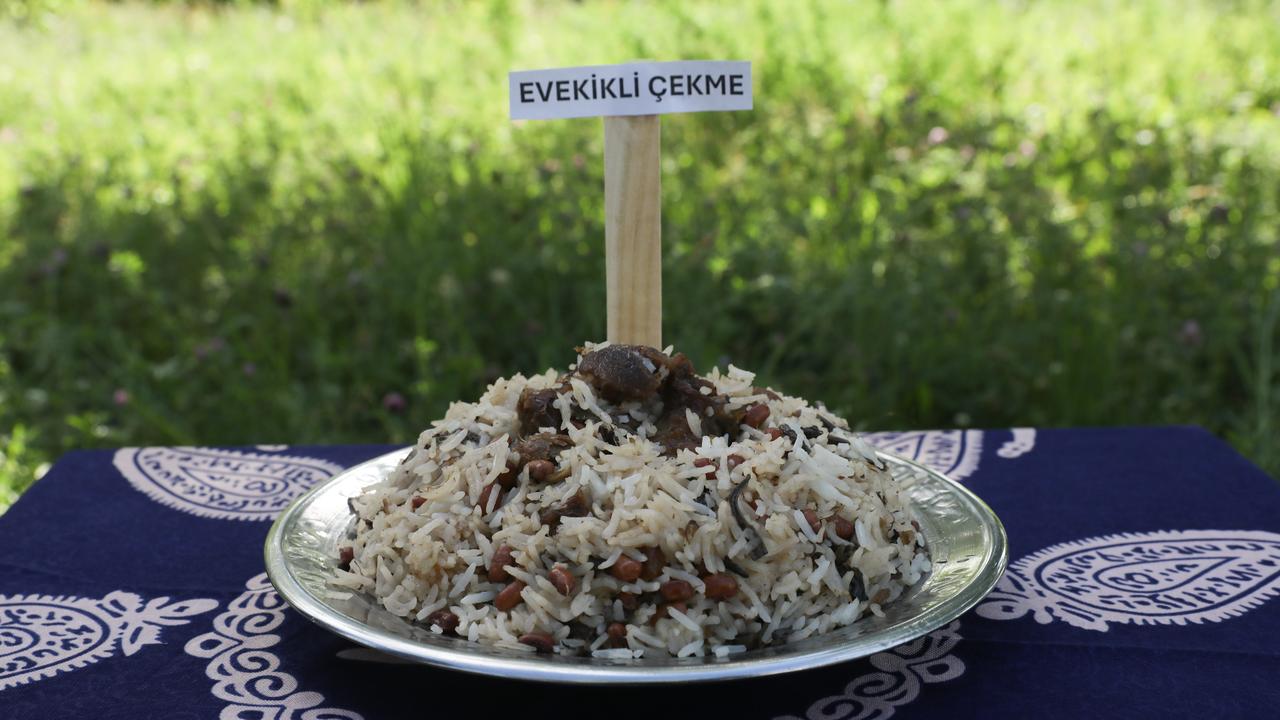
One of the dishes they found was evekikli cekme, which comes from the everyday cooking traditions of Igdir families.
The volunteers discovered that many of the 23 dishes had not been made for years. Some had been completely forgotten until the research brought them up again.
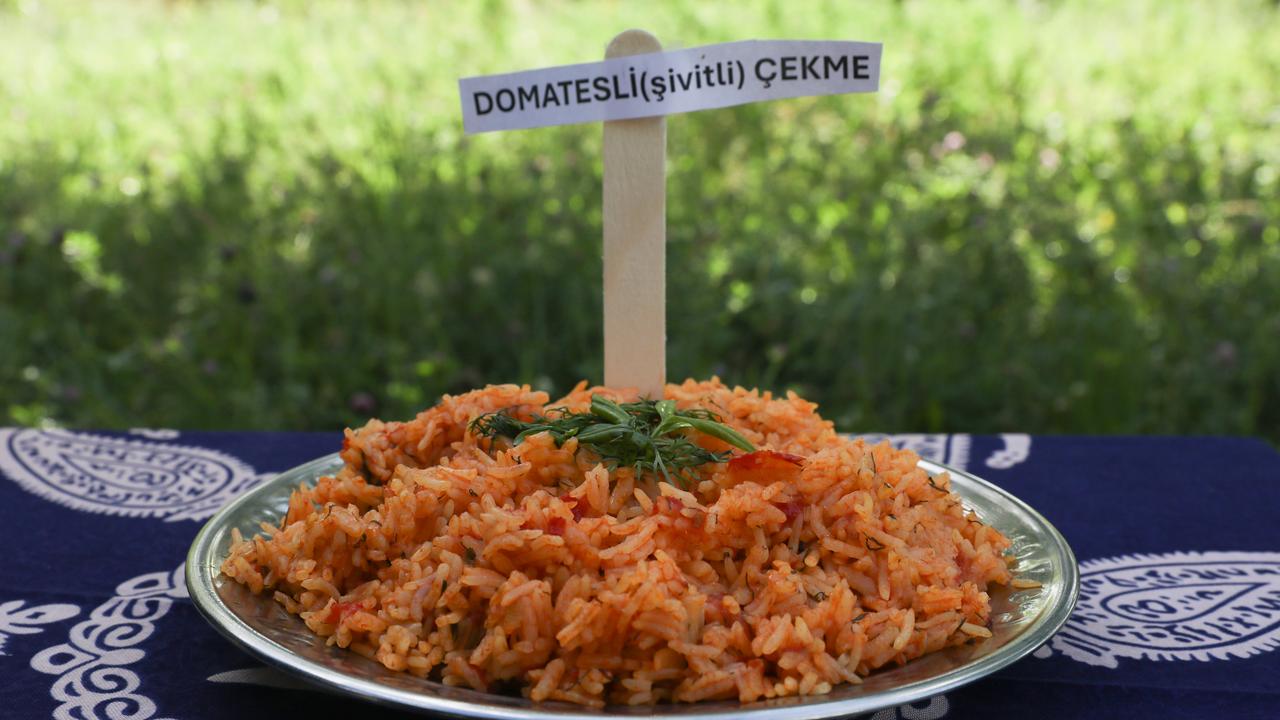
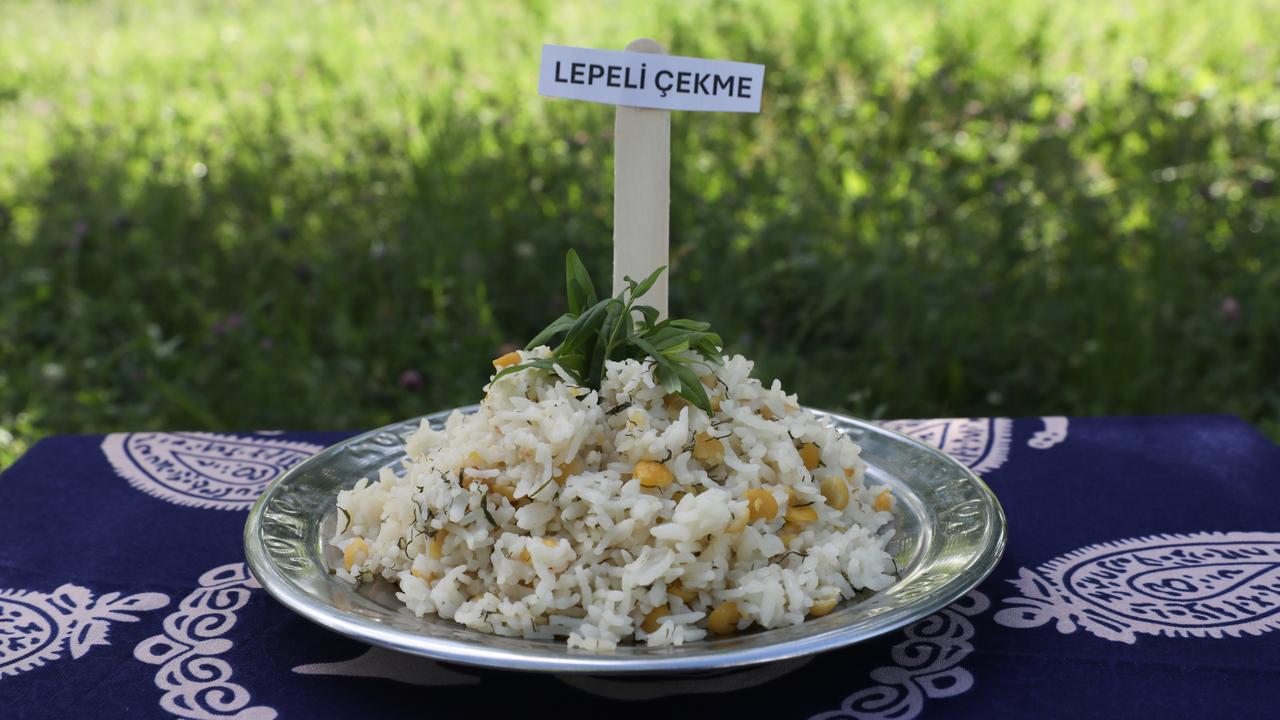
The dishes they recovered include recipes with saffron, milk, green lentils, apricots, dates, noodles, potatoes, sorrel, chickpeas, tomatoes, raisins, dill, and offal, among others.
Each dish showcases a different part of Igdir's cultural background, with Turkic, Persian, and Caucasian influences that have developed over centuries in this border city.
Volunteer Nurcan Tuna said the main goal of the project is to share Igdir's rice culture with people outside the city, both in Türkiye and around the world.
She believes that Igdir has the richest rice pilaf tradition of any city in Türkiye.
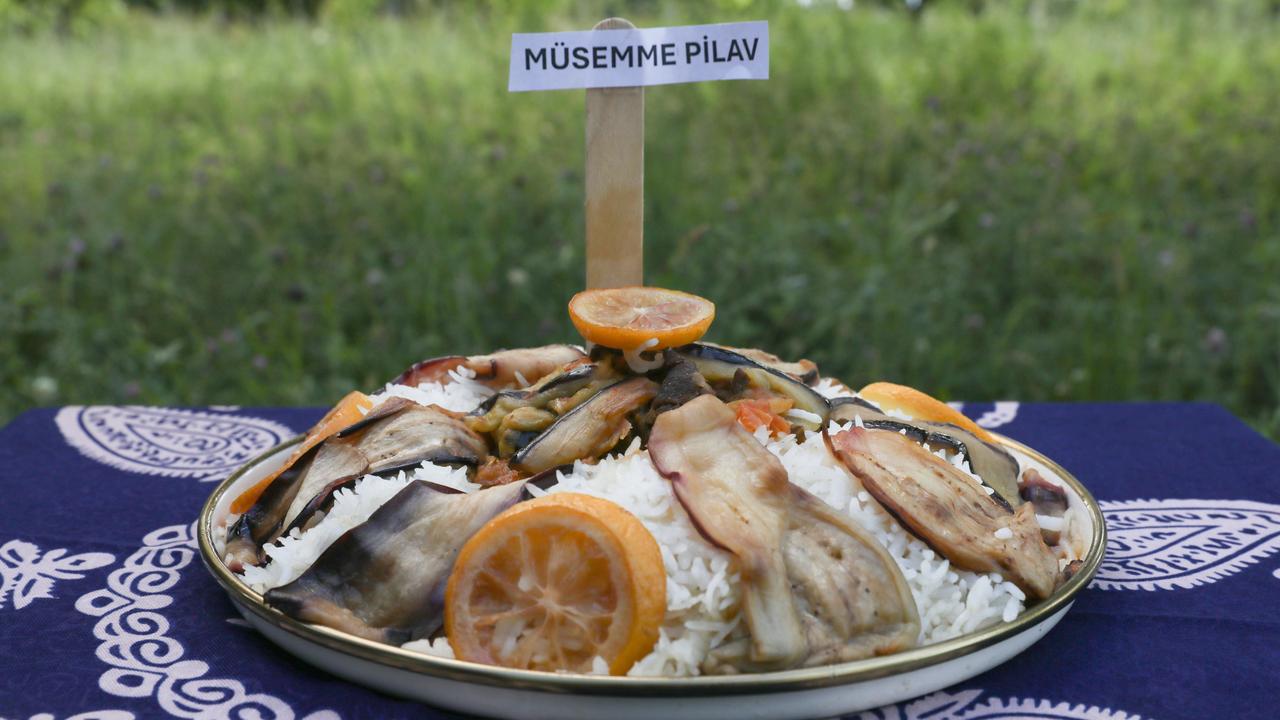
The finished dishes were shown in an apricot orchard in the Alikamerli neighborhood. This setting put the recovered food culture right in the landscape that shaped it.
Igdir is one of Türkiye's main apricot-producing areas, and the orchard has always been important to local identity.
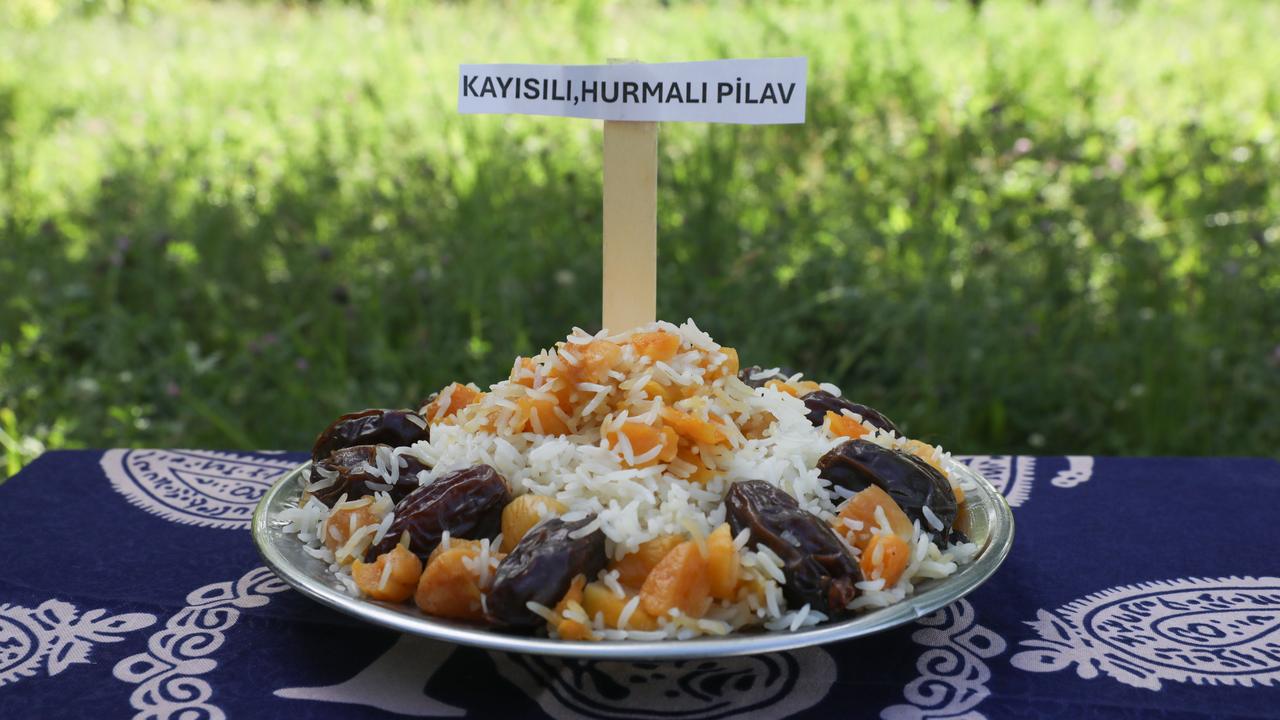
The written and visual materials from the research are intended to serve as a lasting record. They will serve as a food archive for future researchers studying Igdir's culinary and cultural heritage.
This project is one of the few organized efforts to record the city's food traditions before they disappear completely.
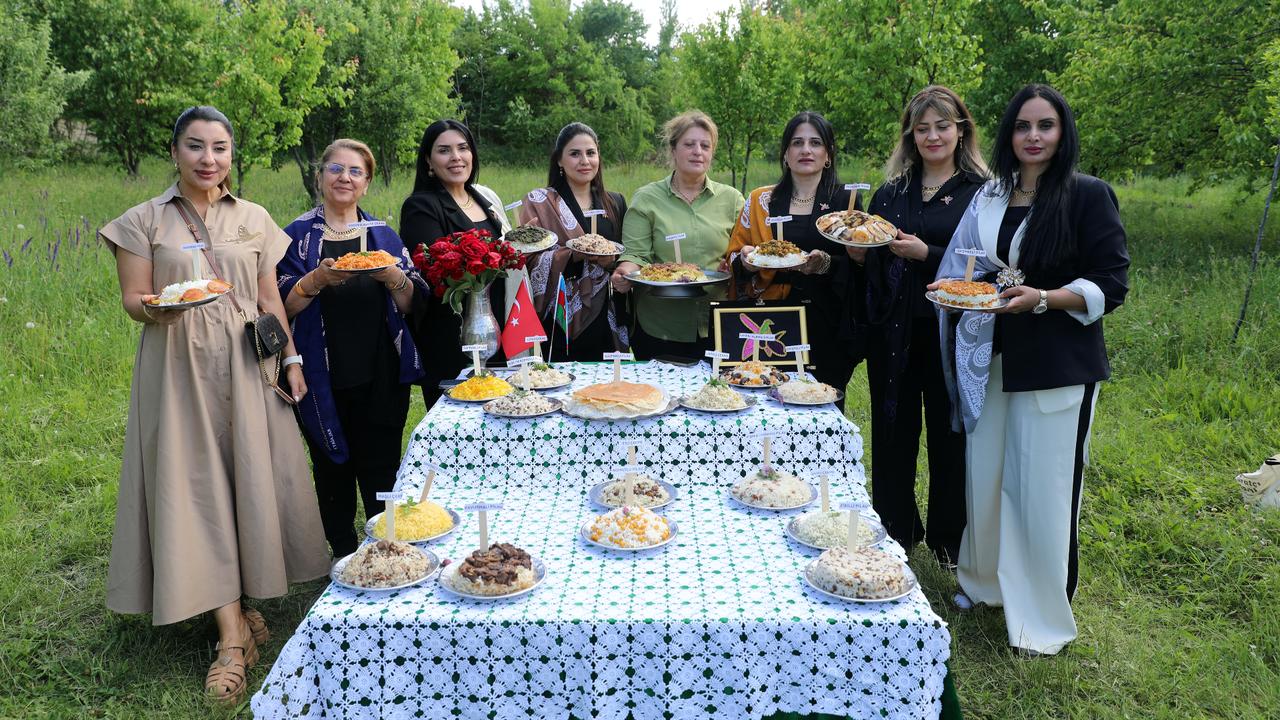
For the volunteers, the work meant more than just documentation. As Tuna said, the recipes were relearned from grandmothers and elders during fieldwork, and through this process, they were brought back to life.
The display in Igdir was not an ending but a record. It was proof that the tradition existed and had been rediscovered.

 2 min read


 Set as preferred source